Five days out of the city, each reached by train from a Paris station: the palace of Versailles, Monet's garden at Giverny, the royal château in the forest of Fontainebleau, the cathedral of Chartres and its glass, and the tombs of the kings at Saint-Denis.
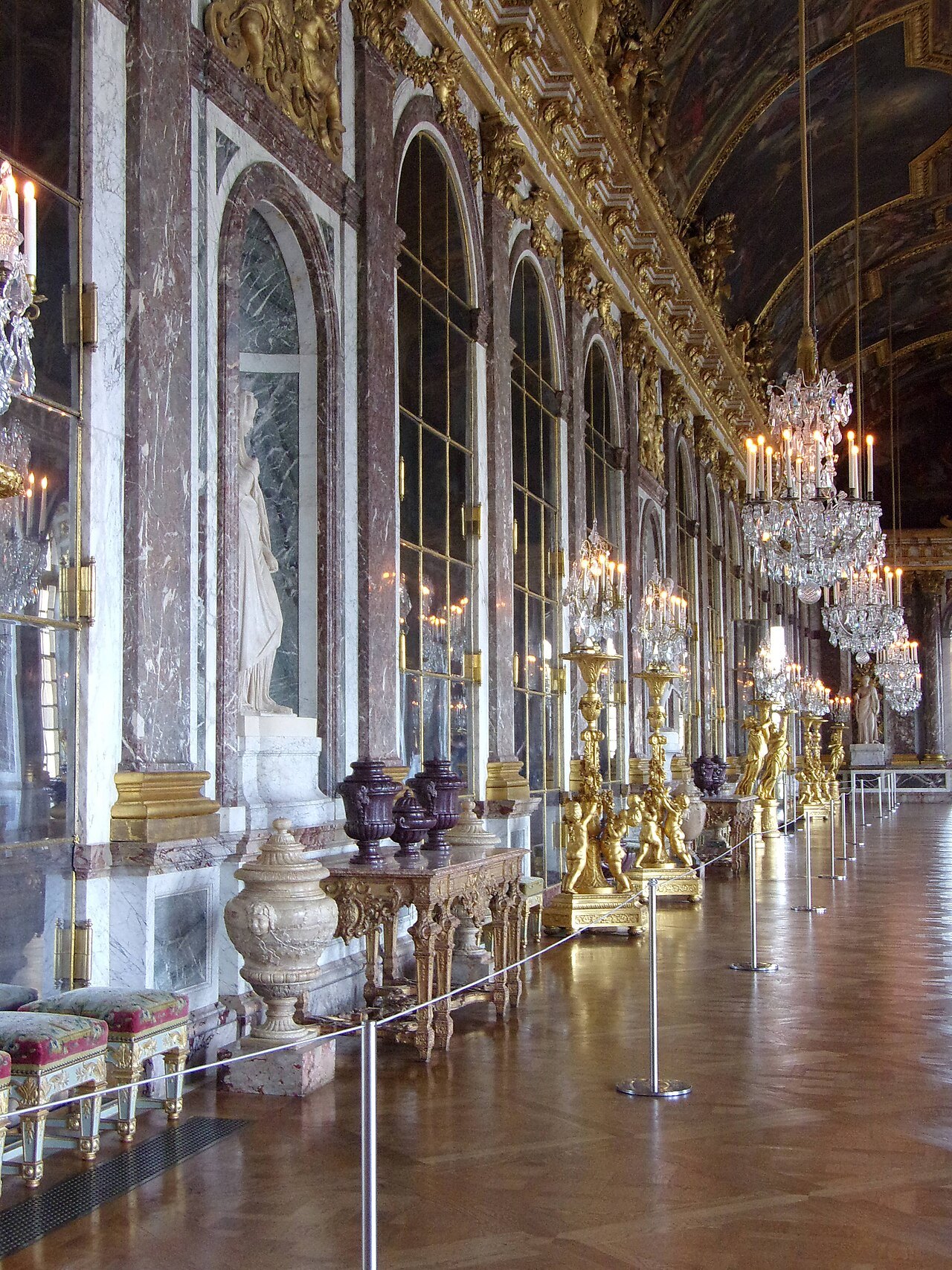
The Hall of Mirrors at Versailles, its arcades of mirrors facing the tall windowsJacquym, Wikimedia Commons, CC BY-SA 4.0RER C to Versailles Château Rive GaucheVersaillesLouis XIV's palace, where the court lived from 1682 to 1789: the Hall of Mirrors, the gardens of Le Nôtre, the Trianons and the Queen's Hamlet.
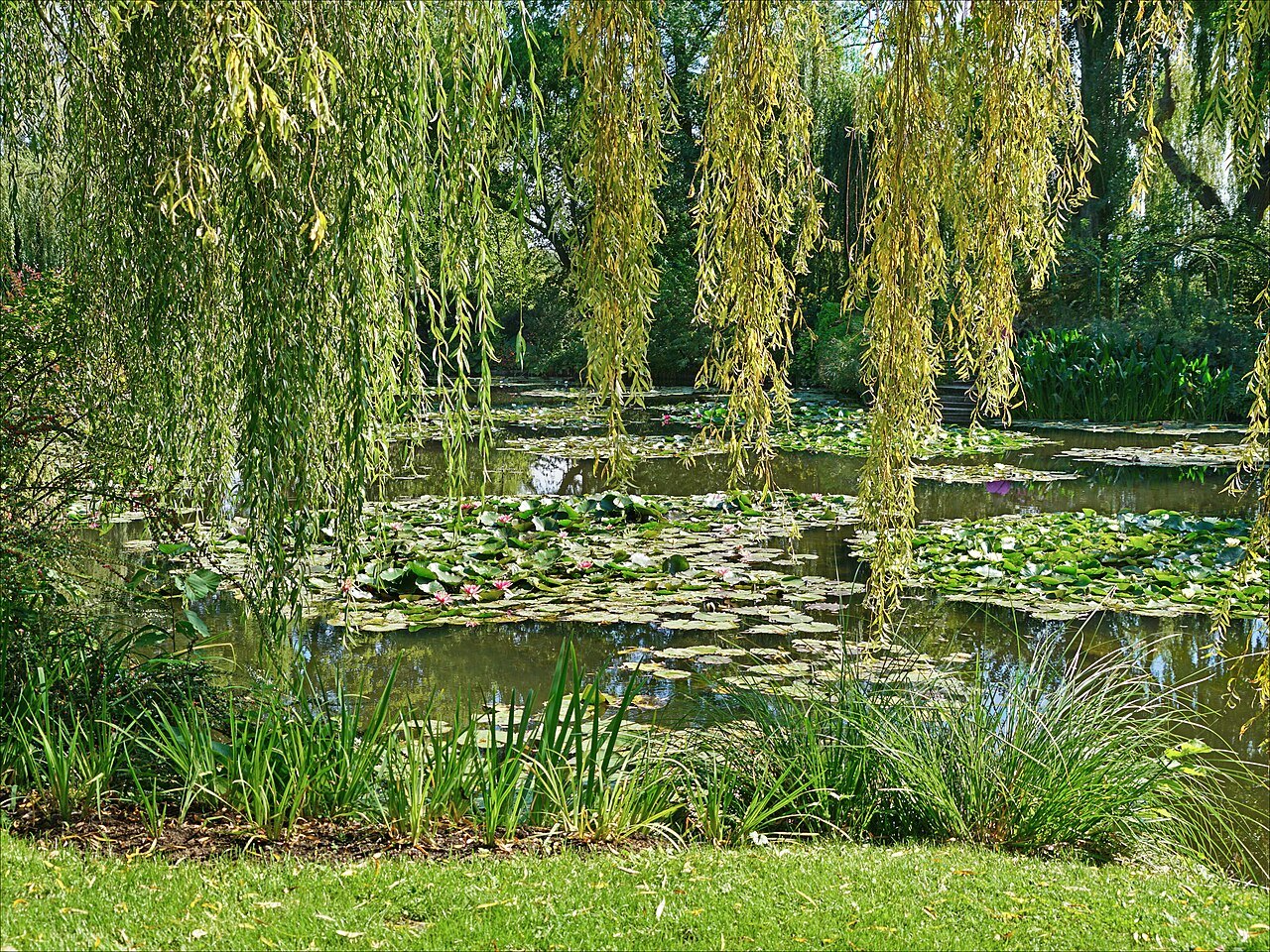
Weeping willows and water lilies in Monet's water garden at GivernyJean-Pierre Dalbéra from Paris, France, Wikimedia Commons, CC BY 2.0Train from Saint-Lazare to Vernon–GivernyGivernyClaude Monet's house and gardens, where he lived and painted for 43 years: the water lilies, the Japanese bridge, the flower garden.
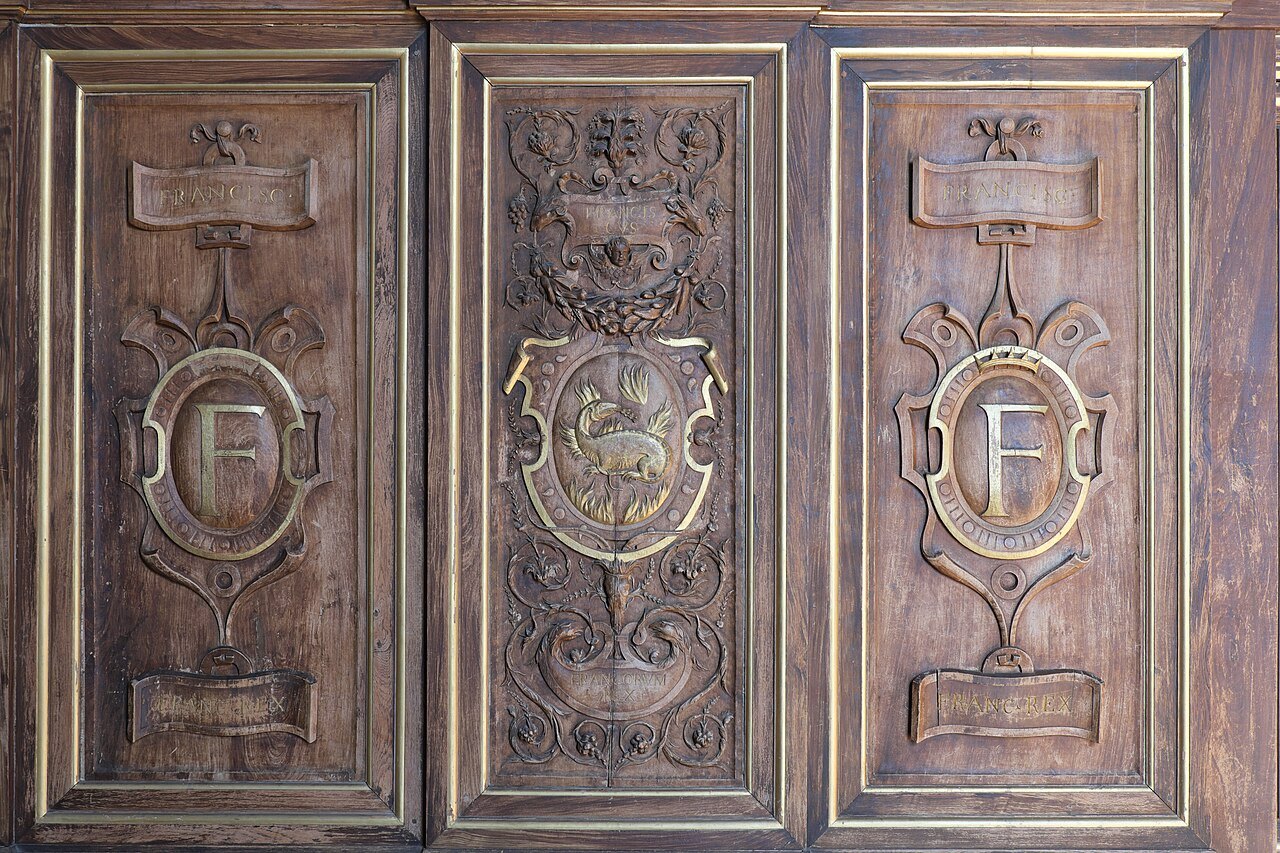
Carved wooden paneling with royal emblems in the Gallery of Francis I at FontainebleauGFreihalter, Wikimedia Commons, CC BY-SA 4.0Train from the Gare de Lyon to Fontainebleau–AvonFontainebleauA royal hunting lodge grown into a palace over eight centuries, in its forest, where Napoleon abdicated in 1814.
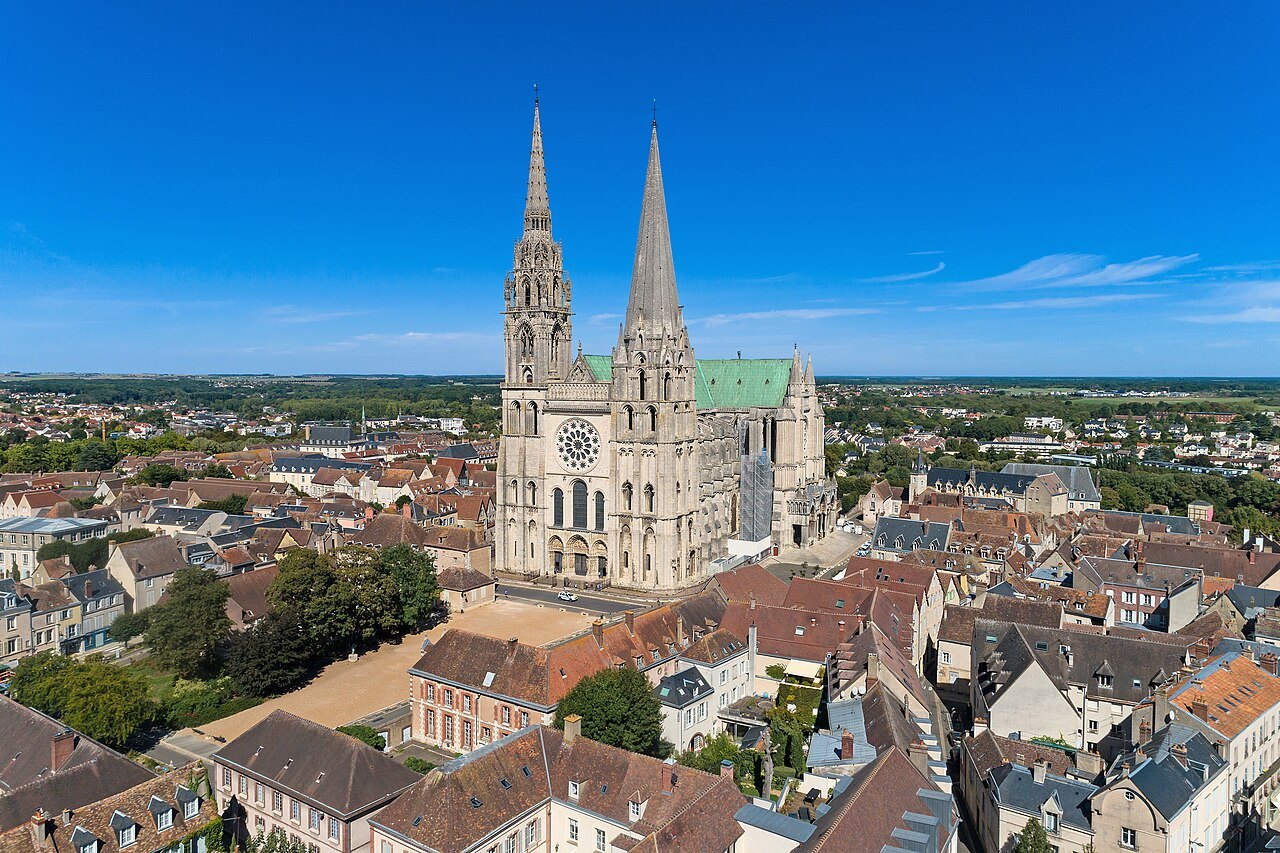
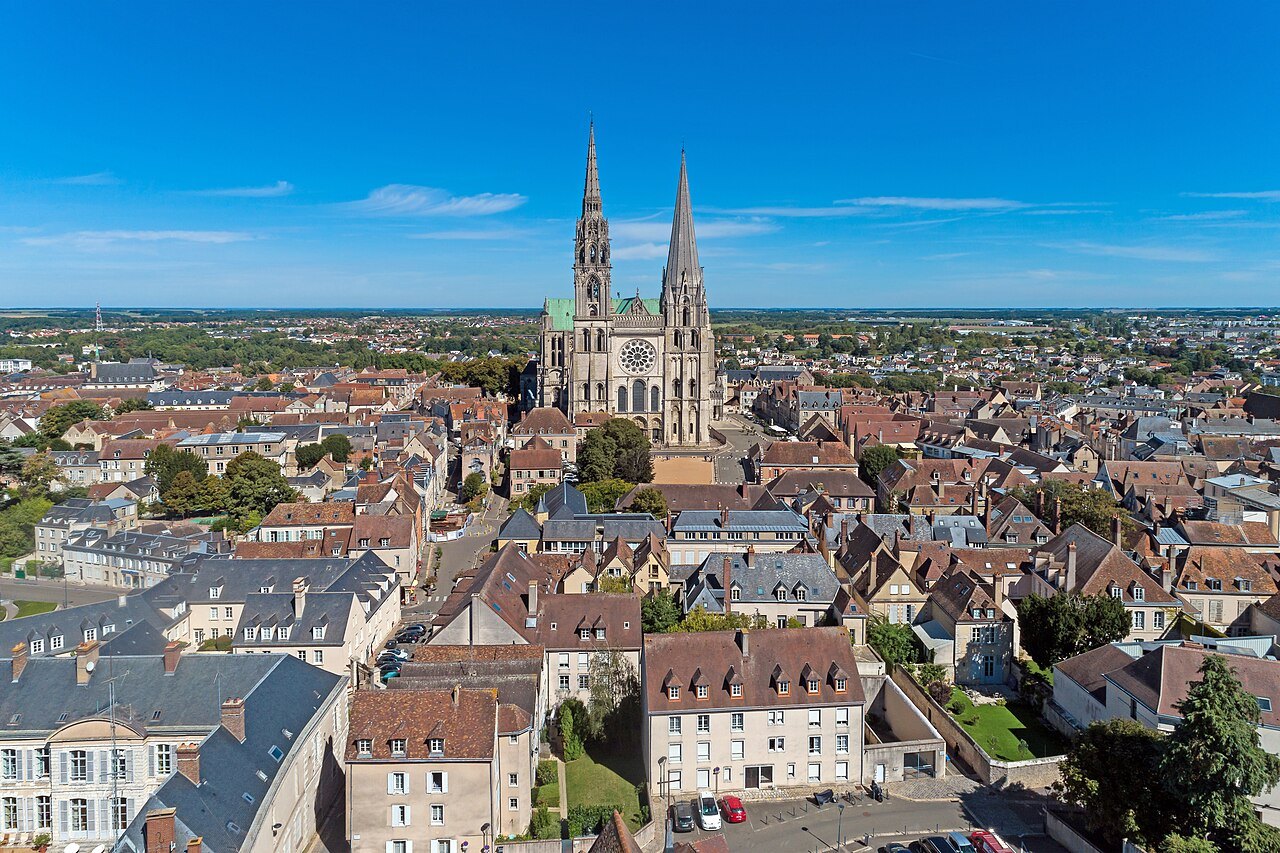
Chartres Cathedral and its two unmatched spires rising above the townLudvig14, Wikimedia Commons, CC BY-SA 4.0Train from Montparnasse to ChartresChartresThe High Gothic cathedral built from 1194 to 1220, with most of its original stained glass and the labyrinth in its floor.
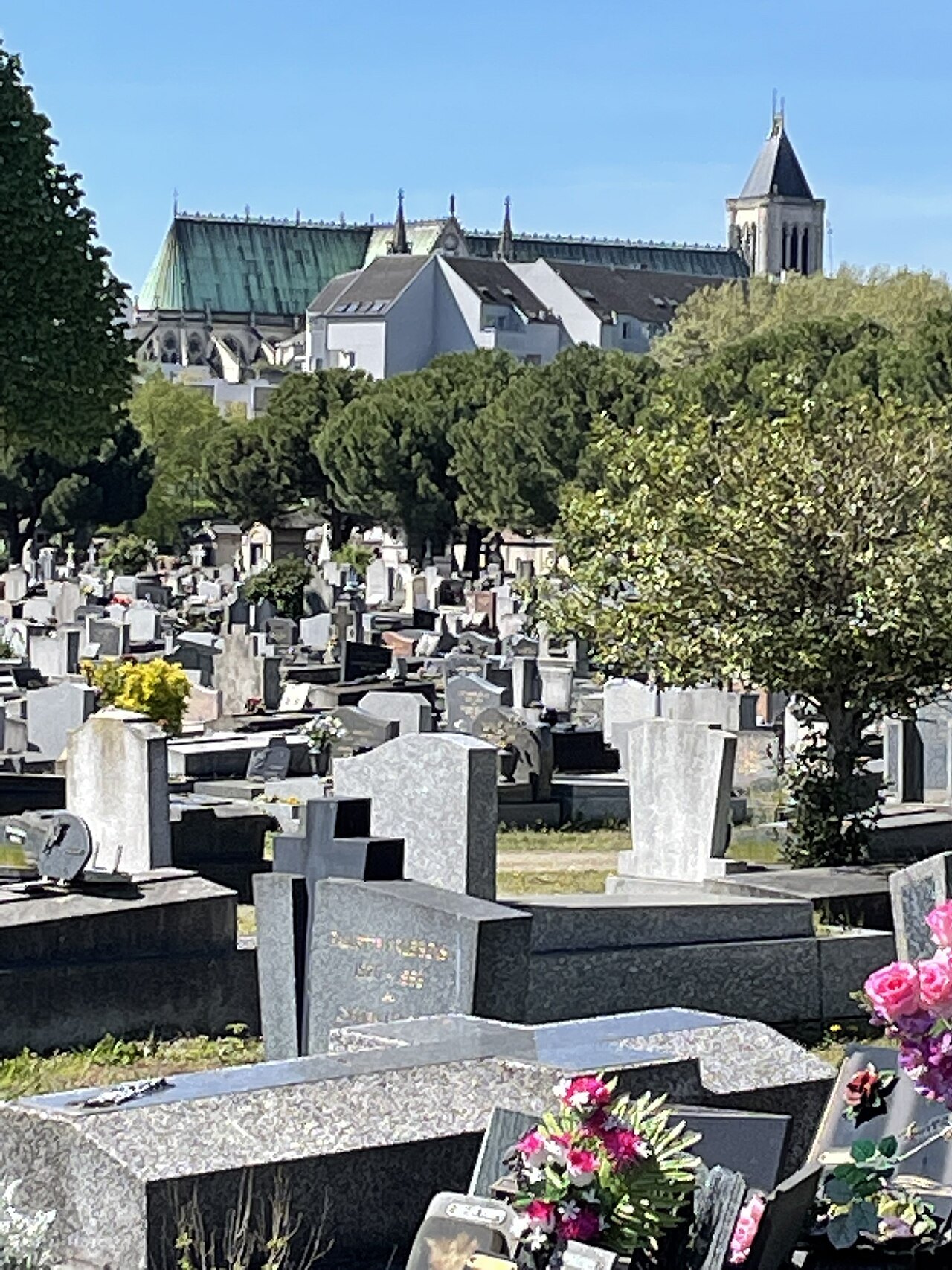
The basilica of Saint-Denis rising behind the town's cemeteryChris93, Wikimedia Commons, CC BY-SA 4.0Métro Line 13 to Basilique de Saint-DenisSaint-DenisThe first Gothic choir, finished in 1144, and the tombs of nearly every king of France from the tenth century on.
2e
In full
Day Trips
Why go beyond the city
The twenty arrondissements hold more than any visitor can see, but some of the greatest sights of the Paris region lie outside them, within easy reach by train. Each of the five on this page makes a full and rewarding day: two royal palaces, a painter's garden, and two great churches, one where Gothic architecture began and one where it reached its height. Their photographs and the train that reaches each one are above; below is what to expect.
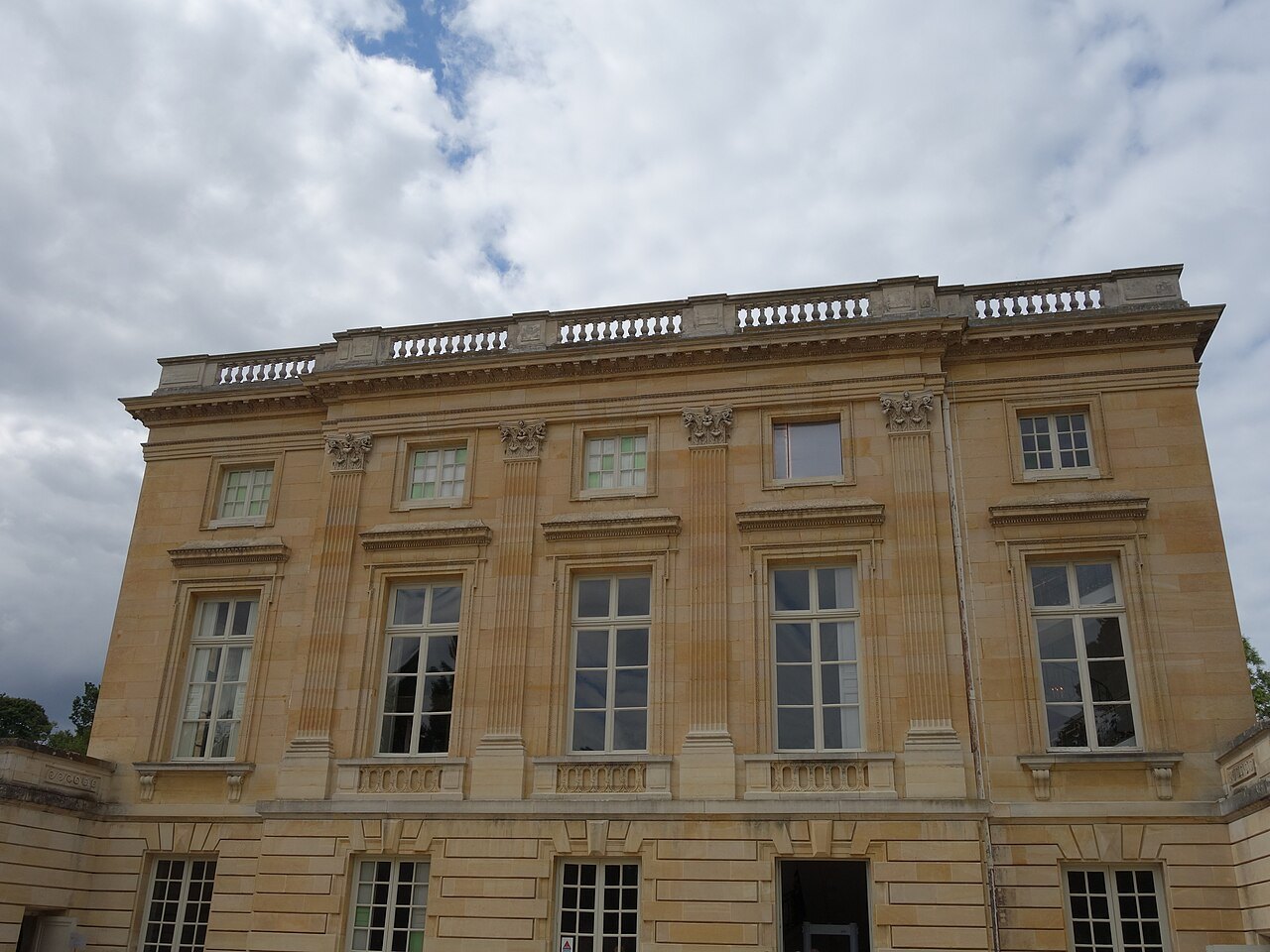
The Petit Trianon, Louis XV's neoclassical house in the park of VersaillesDiscoA340, Wikimedia Commons, CC BY-SA 4.0
All of them are reached from a Paris station or by the Métro, so there is no need for a car. Check the timetable and the return trains before you set out, and see getting around for tickets.
Versailles
The Palace of Versailles, southwest of Paris, was the seat of the French monarchy: the king, the court and the government lived there from 6 May 1682 until 6 October 1789, when the Revolution brought the royal family back to Paris. Conceived by Louis XIV to glorify the monarchy, it is one of the masterpieces of French classical architecture, with roughly 2,300 rooms, and its influence on palaces across Europe was enormous.
It grew from a hunting lodge. Louis XIII had a small château here, and his son, impressed by the gardens André Le Nôtre and the architect Louis Le Vau had made for another minister's château, set them to work on Versailles; Jules Hardouin-Mansart, the architect of the Invalides dome, later added the Hall of Mirrors and the long wings of the palace.
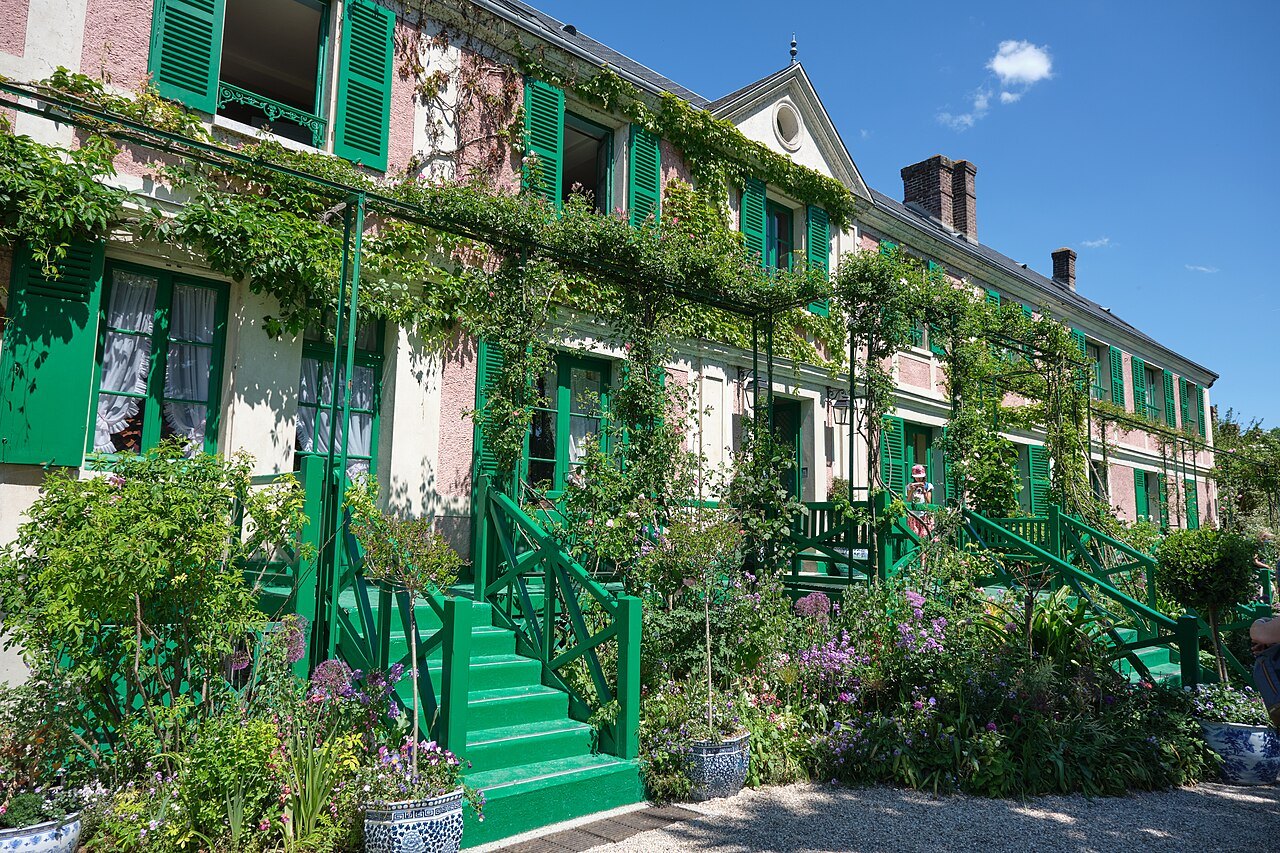
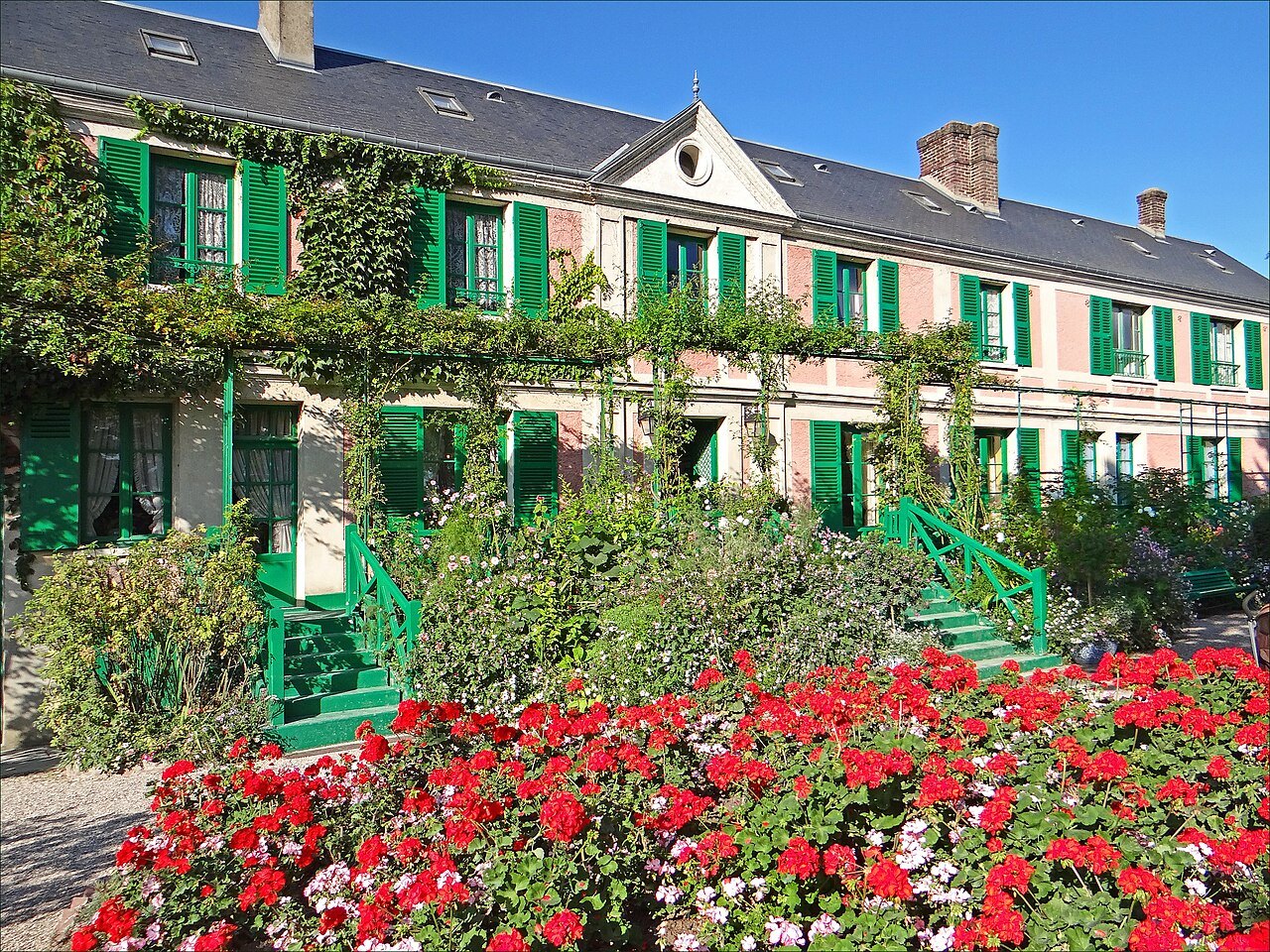
Monet's house at Giverny, its green shutters and steps half hidden by climbing plantsJohan Allard, Wikimedia Commons, CC BY-SA 4.0
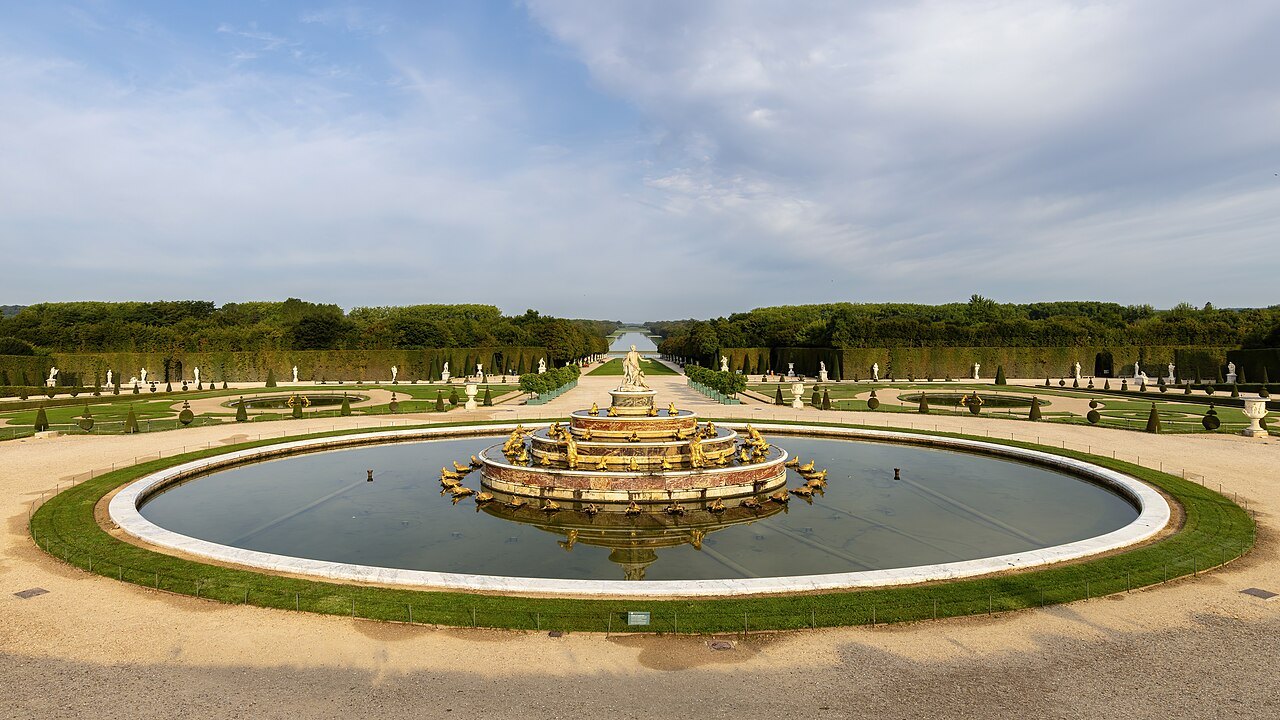
The Hall of Mirrors, built between 1678 and 1684, is its most famous room; the German Empire was proclaimed there, and the Treaty of Versailles signed there in 1919. The park still covers more than two thousand acres, with formal gardens laid out by André Le Nôtre, the Grand Canal, and the estate of the Trianons and the Queen's Hamlet. The RER C runs to the station of Versailles Château Rive Gauche. Only the palace itself needs a booked time slot; see booking ahead. Allow a whole day, and more in fine weather for the gardens.
Giverny
The village of Giverny, about fifty miles west-northwest of Paris in Normandy, stands where the little river Epte meets the Seine. Claude Monet moved there in April 1883, renting a house he later bought, and lived and painted there for 43 years, transforming the gardens and planting thousands of flowers. He painted them over and over: the flower garden, the pond with its water lilies, the Japanese bridge, the weeping willow.
The house and gardens are now run by a foundation and are one of the most visited sites in Normandy. The village also has a museum of Impressionism, and the Hôtel Baudy, once the center of the artists' colony that gathered around Monet, many of them Americans, is now a café and restaurant. Trains run from the Gare Saint-Lazare to the station of Vernon–Giverny, near the village.
Fontainebleau
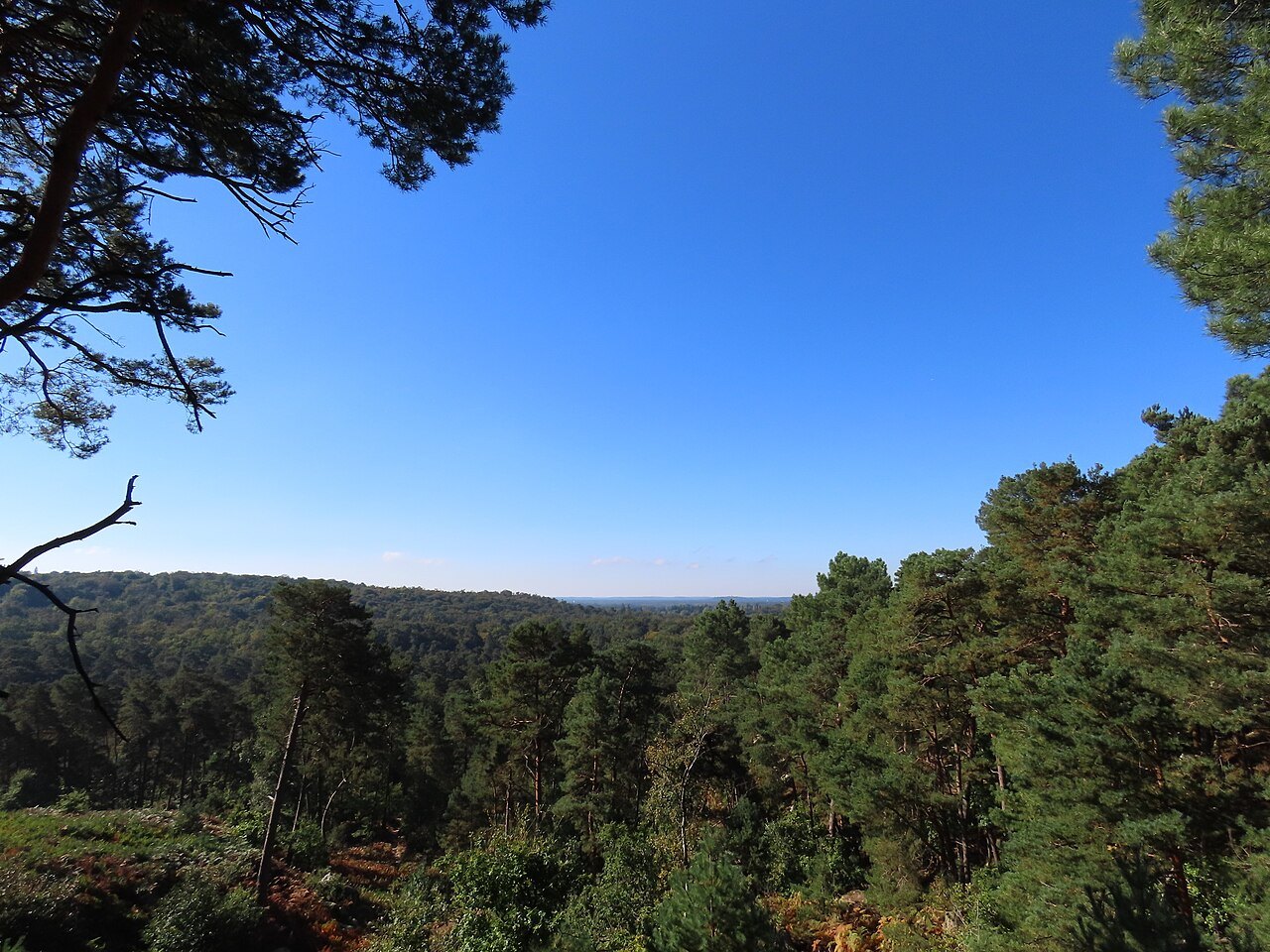
The forest of Fontainebleau seen from the rocks of the Long RocherRémih, Wikimedia Commons, CC BY-SA 4.0
The Palace of Fontainebleau, about 34 miles southeast of Paris, began as a hunting lodge in the great forest, prized by the kings for its game and its springs. Monarchs from Louis VII to Napoleon III spent autumns there, and over the centuries they turned it into one of the largest royal châteaux in France, filled with art and decoration. It became a national museum in 1927 and a World Heritage Site in 1981.
Napoleon spent the last days of his reign at Fontainebleau and abdicated there on 4 April 1814, under pressure from his marshals. The horseshoe-shaped staircase in the main courtyard, the Cour du Cheval Blanc, is the palace's symbol. Trains run from the Gare de Lyon to Fontainebleau–Avon, and the forest around the town is a place for walking as well.
Chartres
Chartres Cathedral, about fifty miles southwest of Paris, was built mostly between 1194 and 1220 on the site of at least five earlier cathedrals, and it is among the best-known and most influential examples of High Gothic architecture. UNESCO, which listed it in 1979, called it the high point of French Gothic art. Most of its original stained glass survives, among it the twelfth-century window known as the Blue Virgin, and the floor of the nave holds a medieval labyrinth.
Its two west spires do not match: one is a plain pyramid of the twelfth century, the other a more ornate Flamboyant spire of the early sixteenth. The cathedral also draws pilgrims to its relic, the Sancta Camisa, said to be the tunic of the Virgin Mary. Trains run from the Gare Montparnasse to Chartres, on the line to Brittany.
Saint-Denis
Chartres from the air, the cathedral and its two spires above the old townLudvig14, Wikimedia Commons, CC BY-SA 4.0
The Basilica of Saint-Denis, in the northern suburb of the same name, is where Gothic architecture began: its choir, completed in 1144, is widely considered the first structure to combine all the elements of the style. It grew from the abbey built over the relics of Saint Denis, a patron saint of France, reinterred there in 636 on the orders of King Dagobert, and became the burial place of the kings of France, holding the tombs of nearly every king from the tenth century to Louis XVIII.
After the monarchy was restored, Louis XVIII had the remains of Louis XVI and Marie Antoinette brought here, and he was himself buried near them in the crypt in 1824. The basilica is the easiest day trip of all: Métro Line 13 runs to the station of Basilique de Saint-Denis, in the town center, so it fits into half a day and pairs well with an afternoon in the north of Paris.
Planning a day out
Pick one destination a day; the five lie in different directions, on lines leaving from different stations, and none of them is worth rushing. Versailles and Fontainebleau are the fullest days, with a palace to see indoors and a park or a forest outside it; Giverny and Chartres are gentler, a garden or a cathedral and a small town to walk in; Saint-Denis fits into half a day. Leave early to arrive with the first visitors, carry water and a picnic for the gardens, and check the last train back before you settle in for a long lunch. Remember that several of these sites close one day a week, like the museums in Paris, and plan around it; see itineraries for where a day out fits in a longer stay.
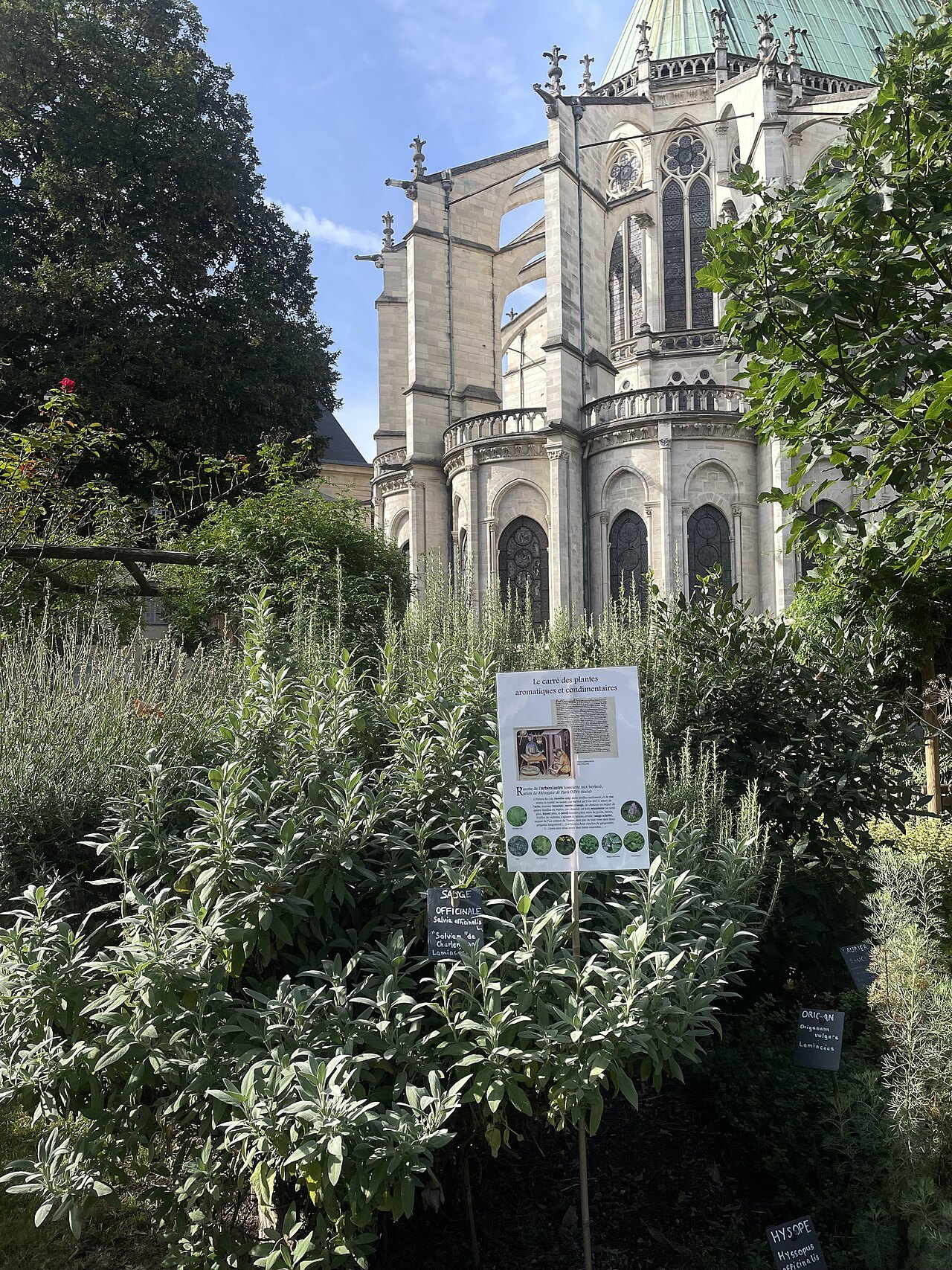
The basilica of Saint-Denis seen from the Pierre-de-Montreuil gardenChris93, Wikimedia Commons, CC BY-SA 4.0
Some places are too far for a day. Monaco, on the Mediterranean beyond Nice, is a journey of its own; see Access Monaco.
3e
Seen on the way
More photographs
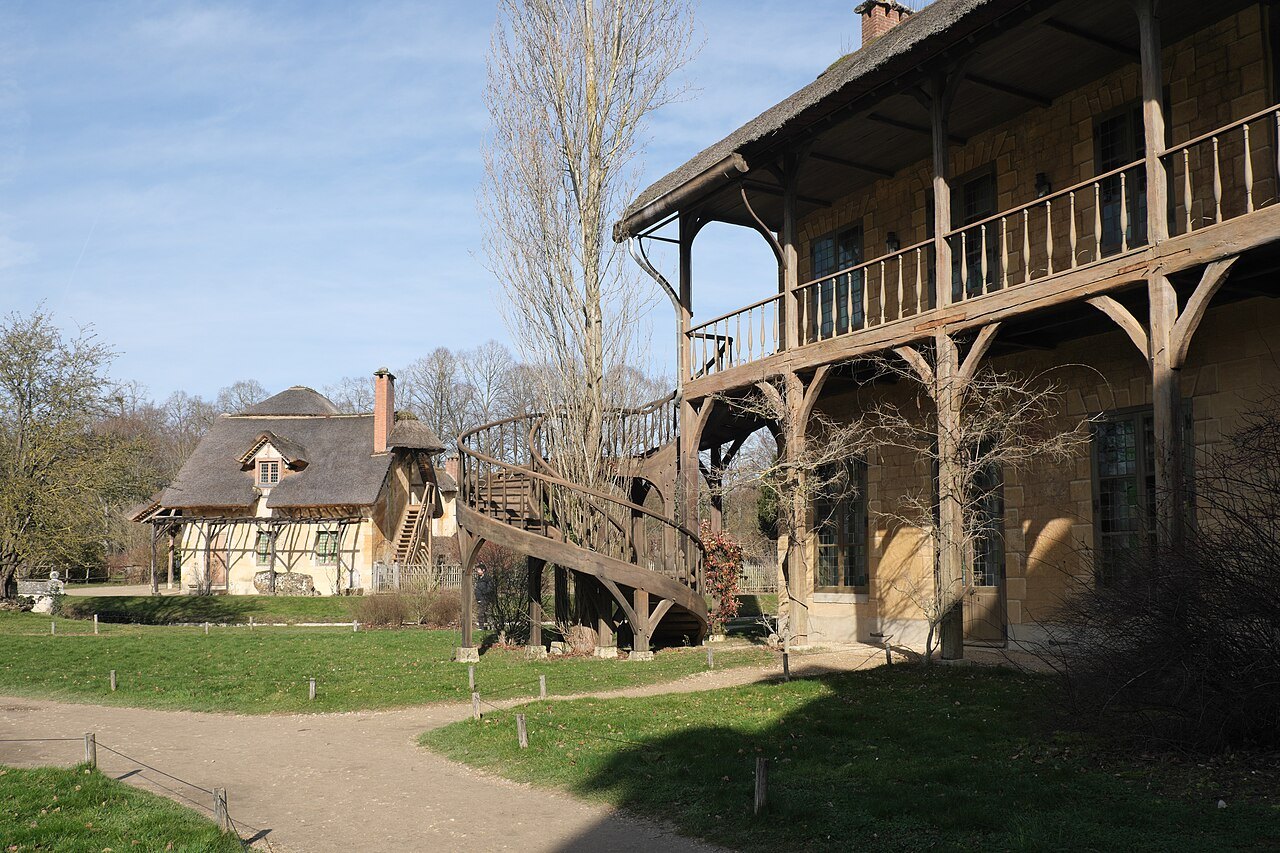
The Queen's House in Marie Antoinette's hamlet at Versailles, its wooden galleries and outside stairGFreihalter, Wikimedia Commons, CC BY-SA 4.0
The pink façade of Monet's house at Giverny above beds of red flowersJean-Pierre Dalbéra from Paris, France, Wikimedia Commons, CC BY 2.0
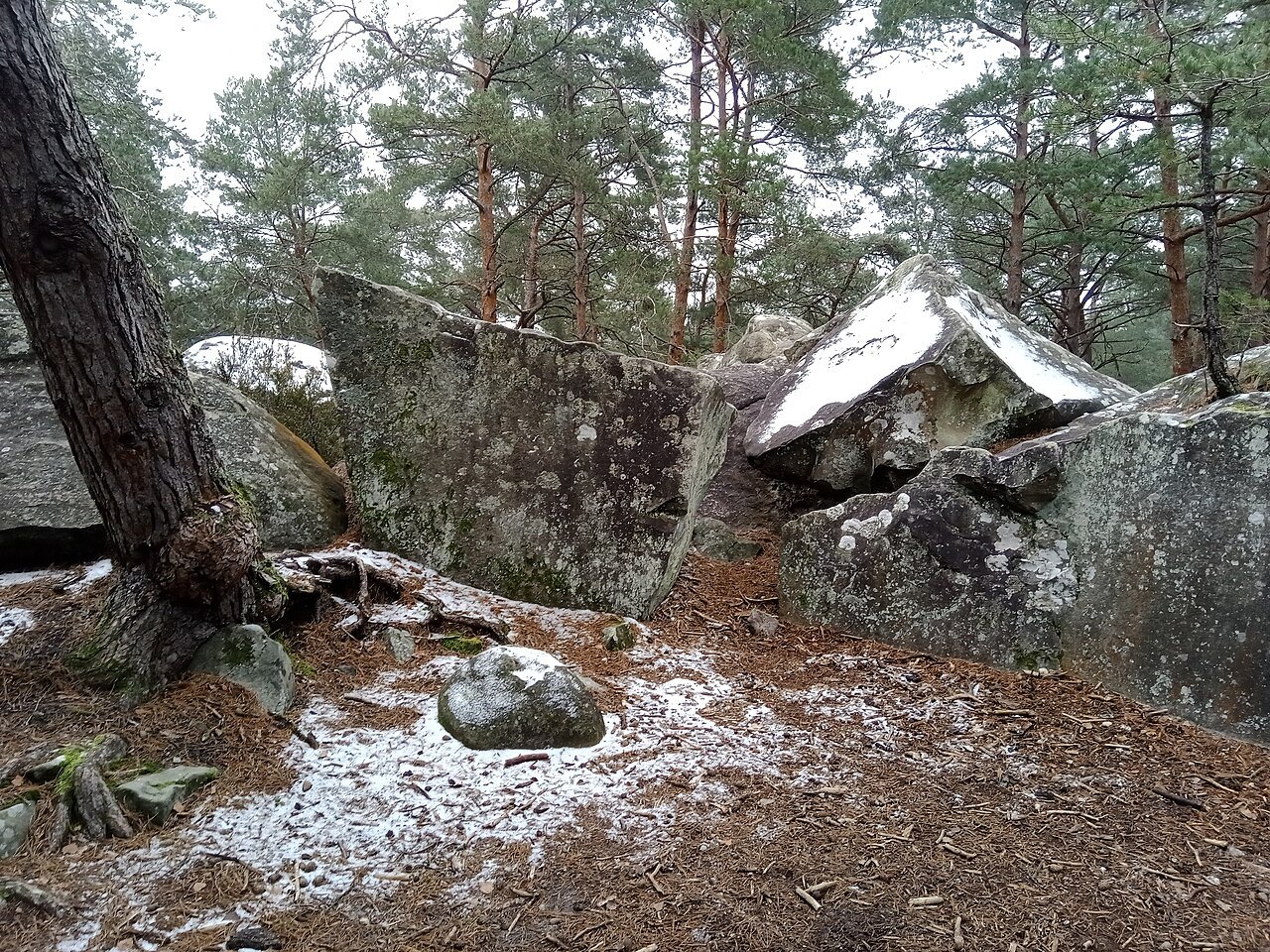
Sandstone boulders among the pines of the forest of Fontainebleau, a light dusting of snow on the groundRémih, Wikimedia Commons, CC BY-SA 4.0