Home · The Sights
All eighteen
The sights, turn by turn
The first turnThe islands and the first four arrondissements
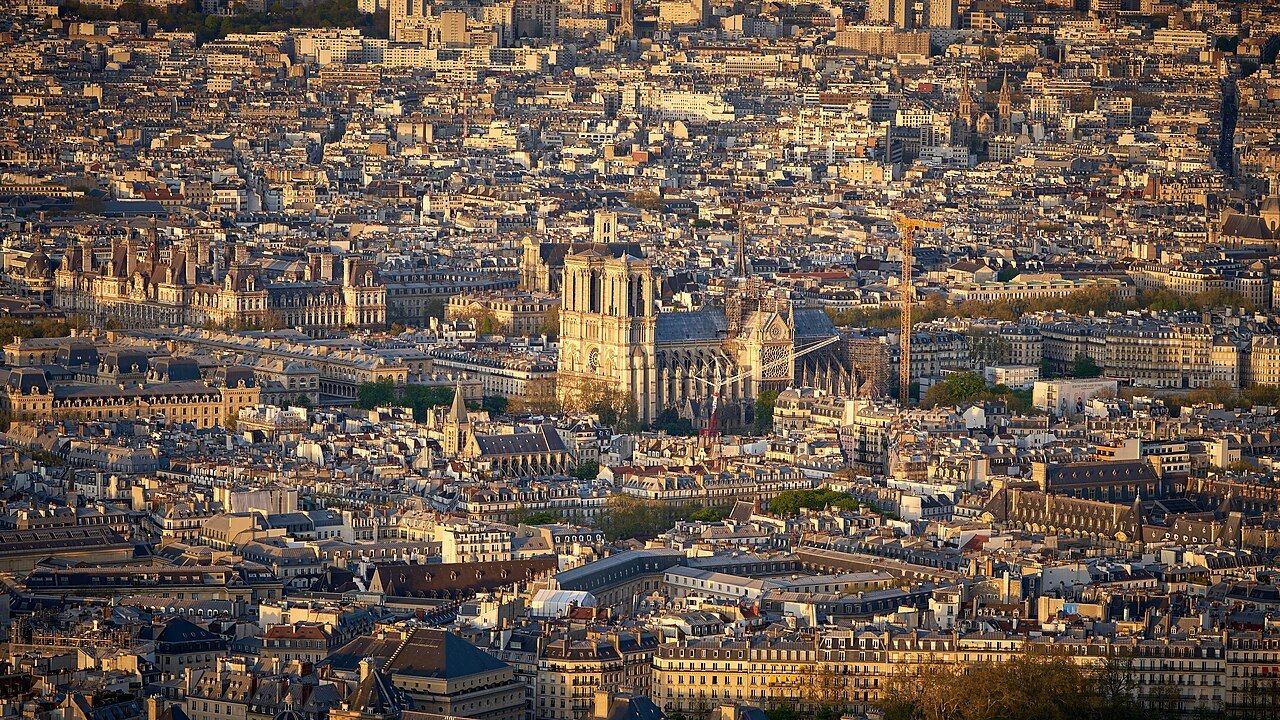
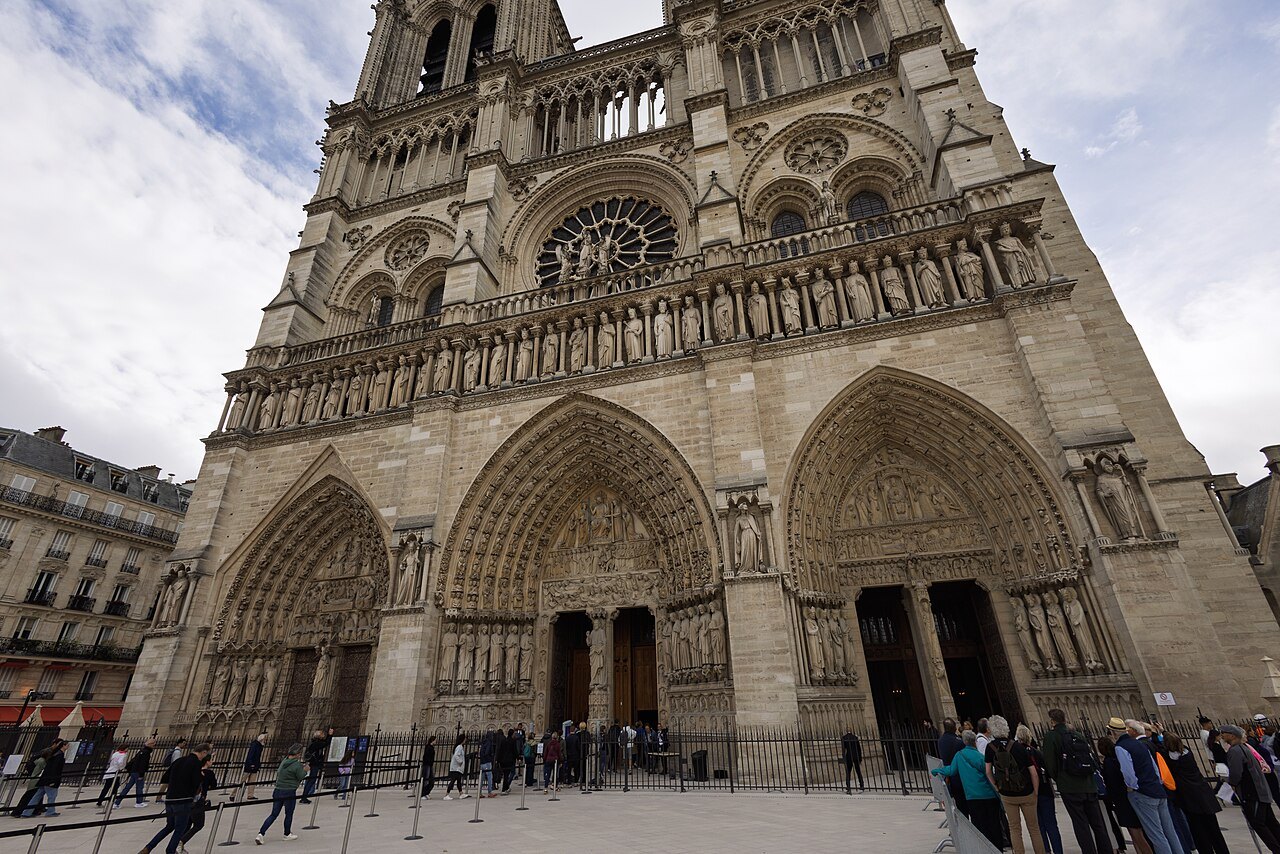 4th · Île de la Cité01Notre-Dame de ParisBegun in 1163 on the Île de la Cité, closed by the fire of April 2019, and reopened in December 2024.
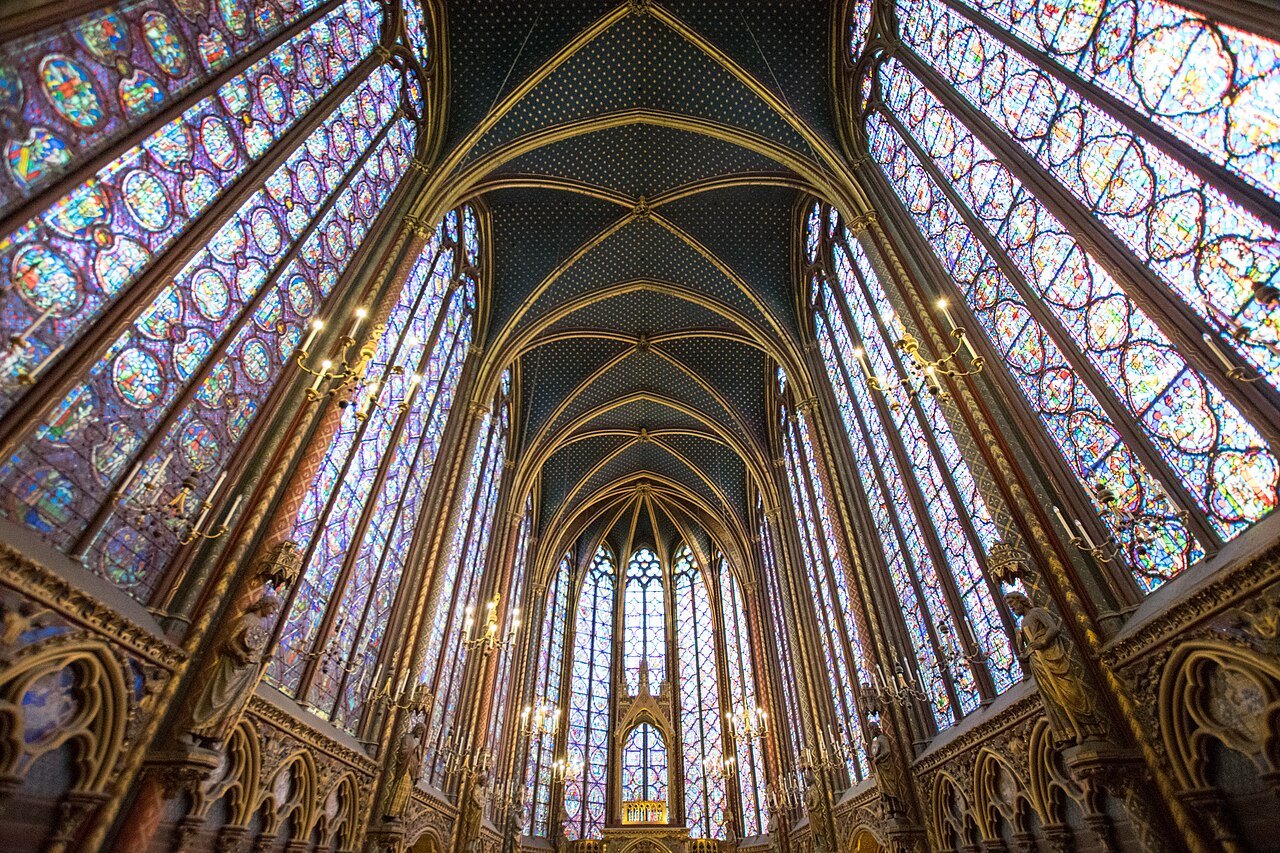 Île de la Cité02The Sainte-Chapelle and the ConciergerieA royal chapel consecrated in 1248, its upper floor walled in fifteen great stained-glass windows.
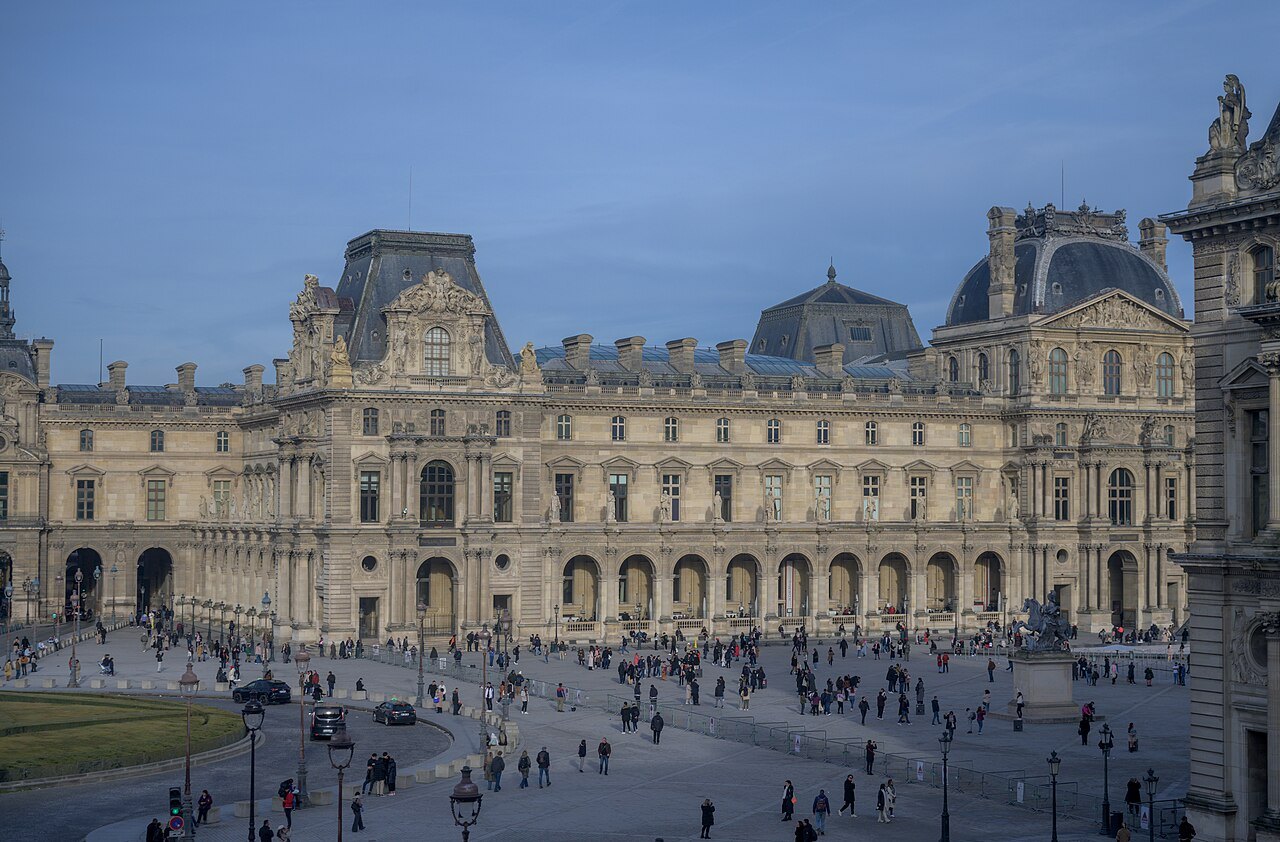 1st03The LouvreA fortress under Philip Augustus, then a royal palace, and since the Revolution the largest museum in the world.
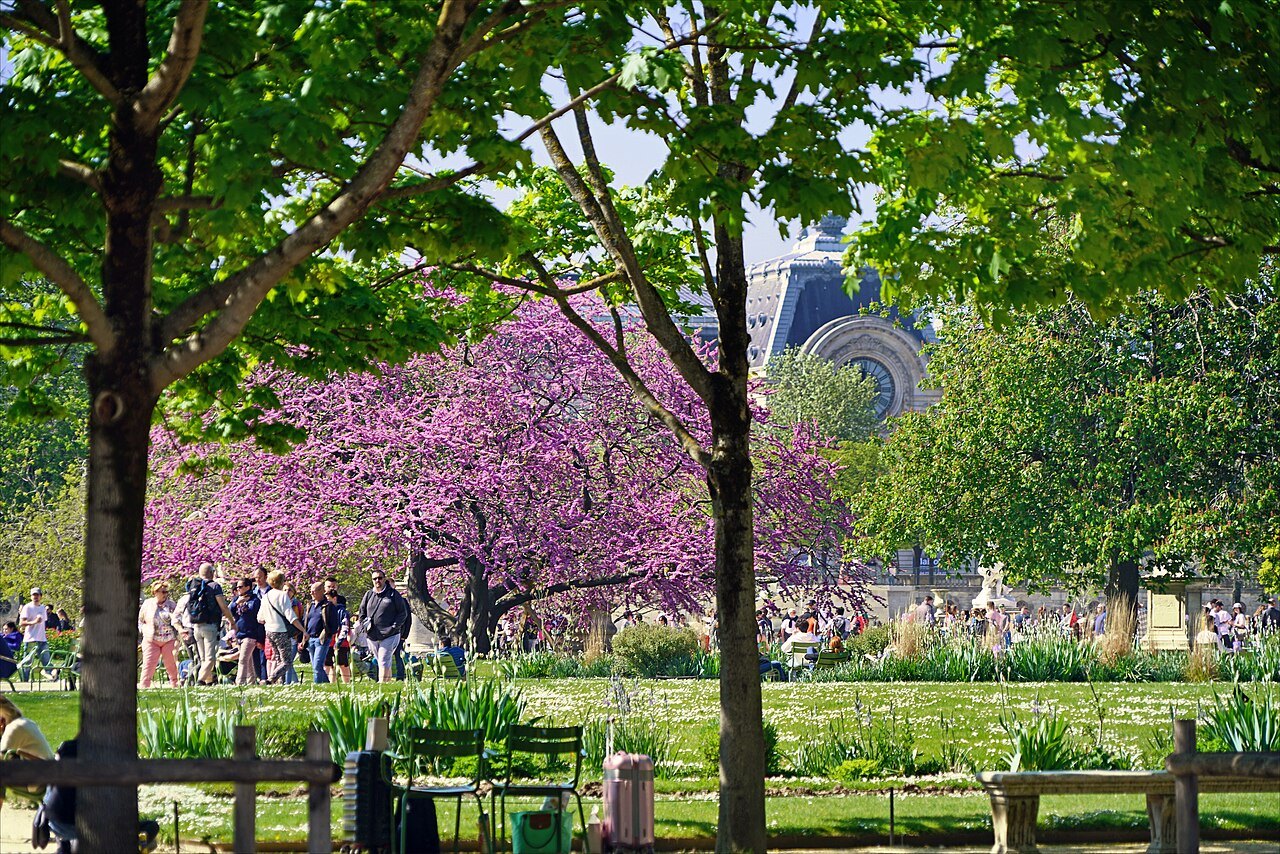 1st · 8th04The Tuileries, the Orangerie and the Place de la ConcordeA palace garden laid out for Catherine de' Medici in 1564, running west from the Louvre to the Place de la Concorde.
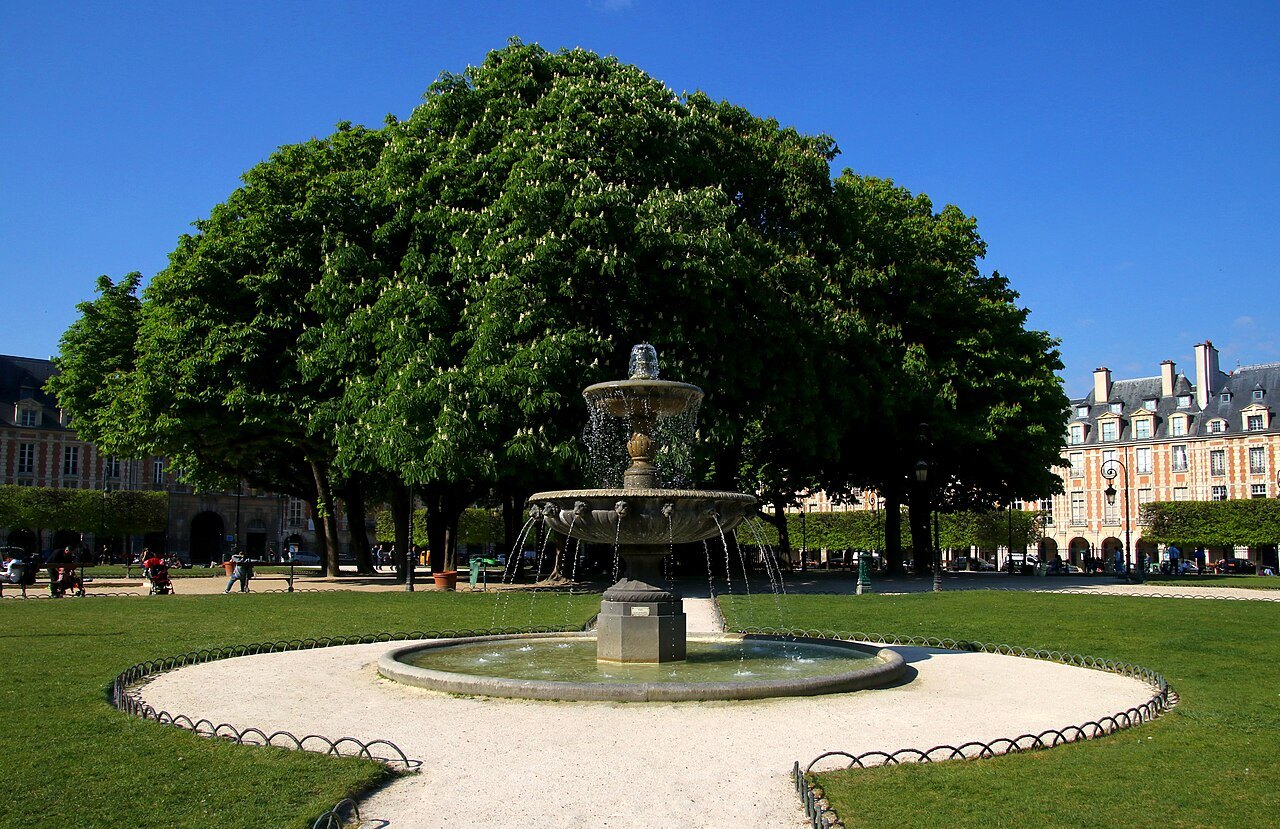 3rd · 4th05The Place des Vosges and the MaraisThe oldest planned square in Paris, built by Henry IV from 1605 to 1612 as the Place Royale.
The Left BankThe fifth, sixth and seventh
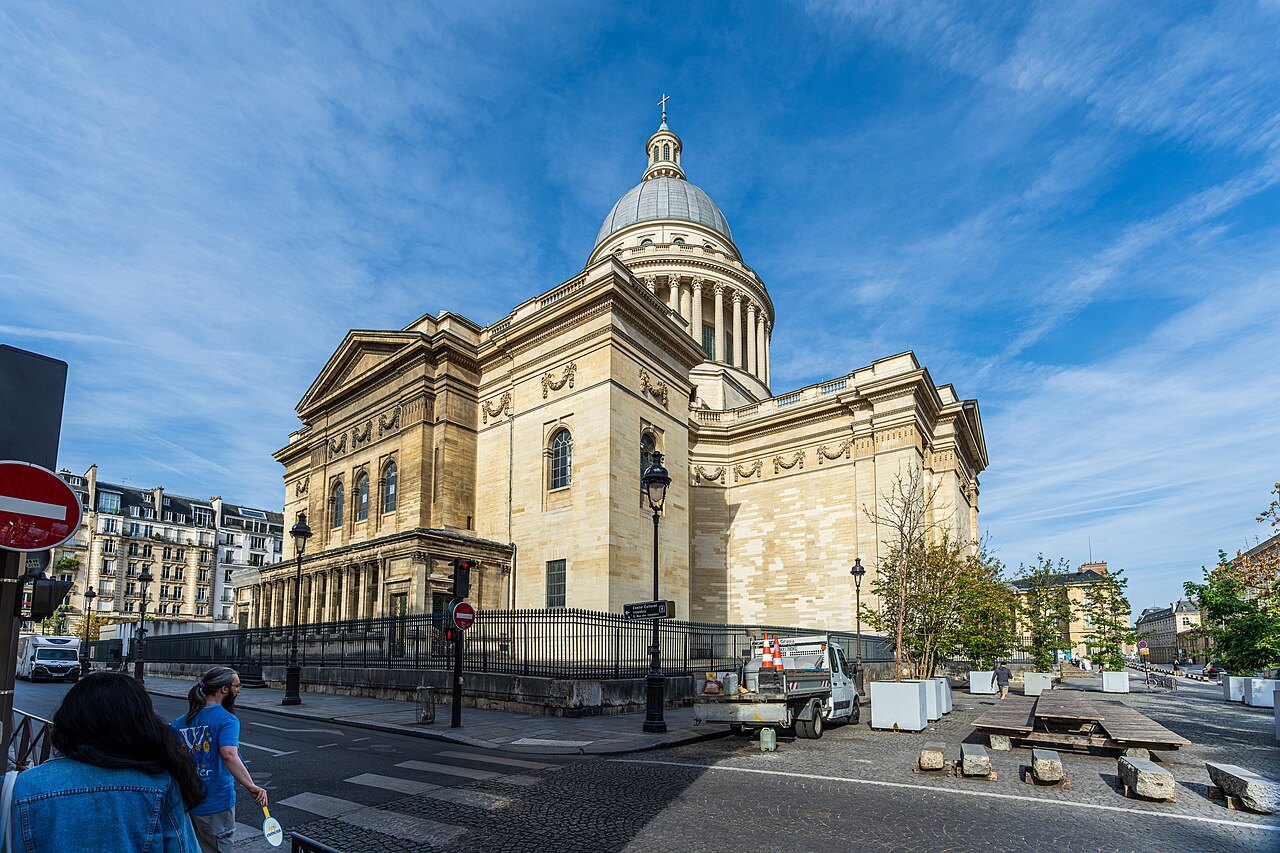 5th06The PanthéonA church for Saint Genevieve, built from 1758 to 1790 and made a resting place for distinguished citizens.
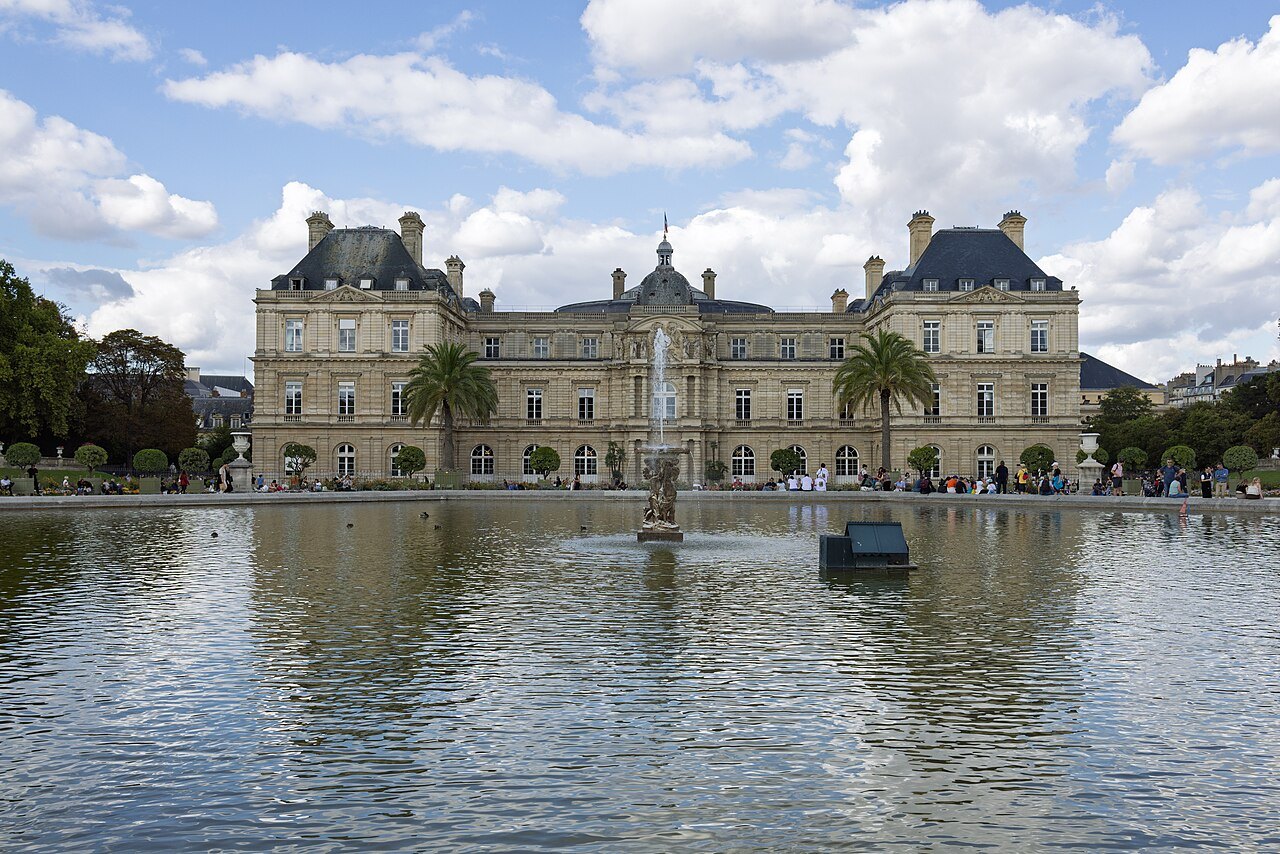 6th07The Luxembourg GardensMarie de' Medici's palace garden of 1612, 56 acres of lawns and promenades around an octagonal pool.
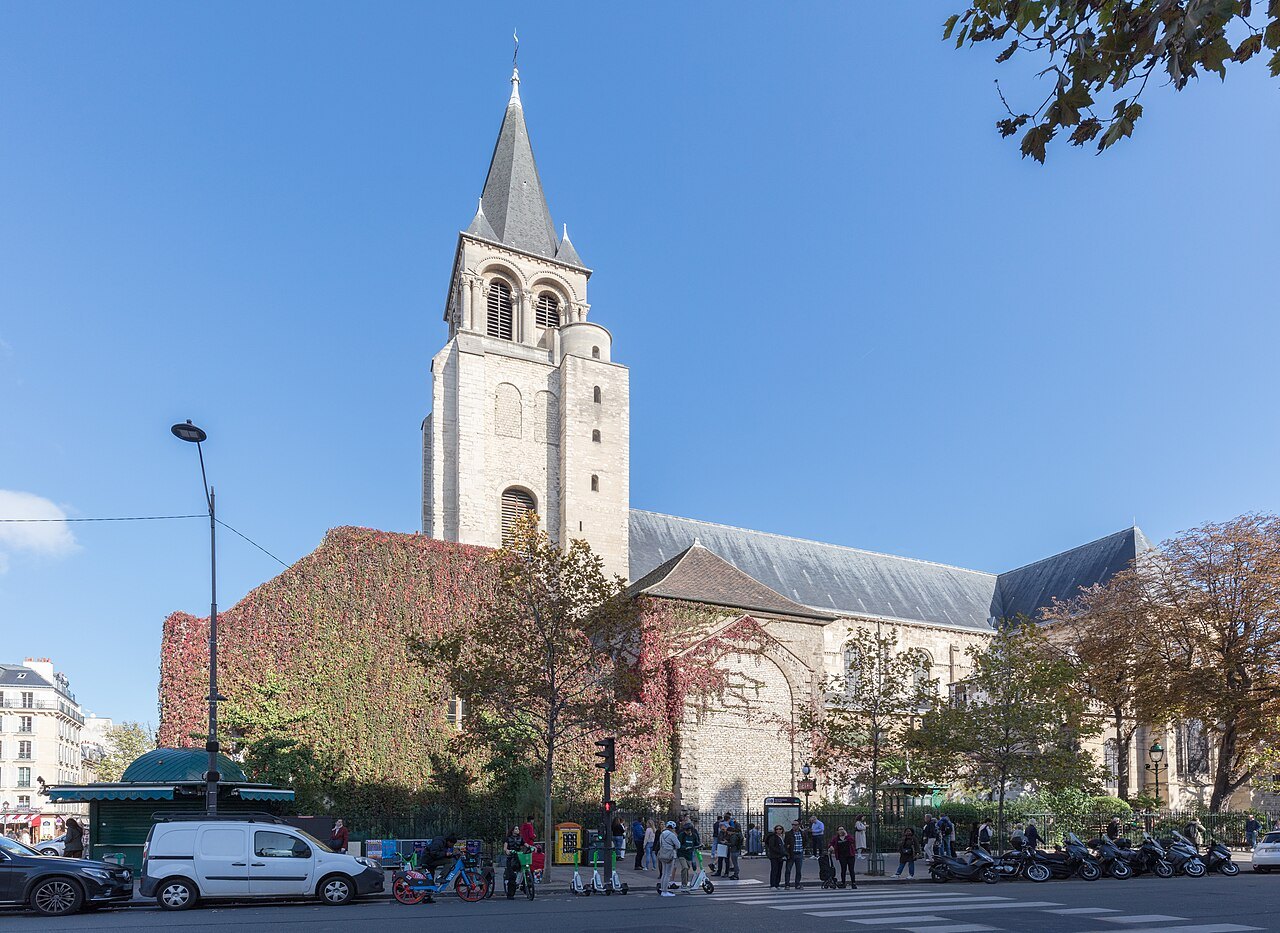 6th08Saint-Germain-des-PrésAn abbey church and a quarter of cafés and bookshops, the center of existentialist Paris in the 1940s and 1950s.
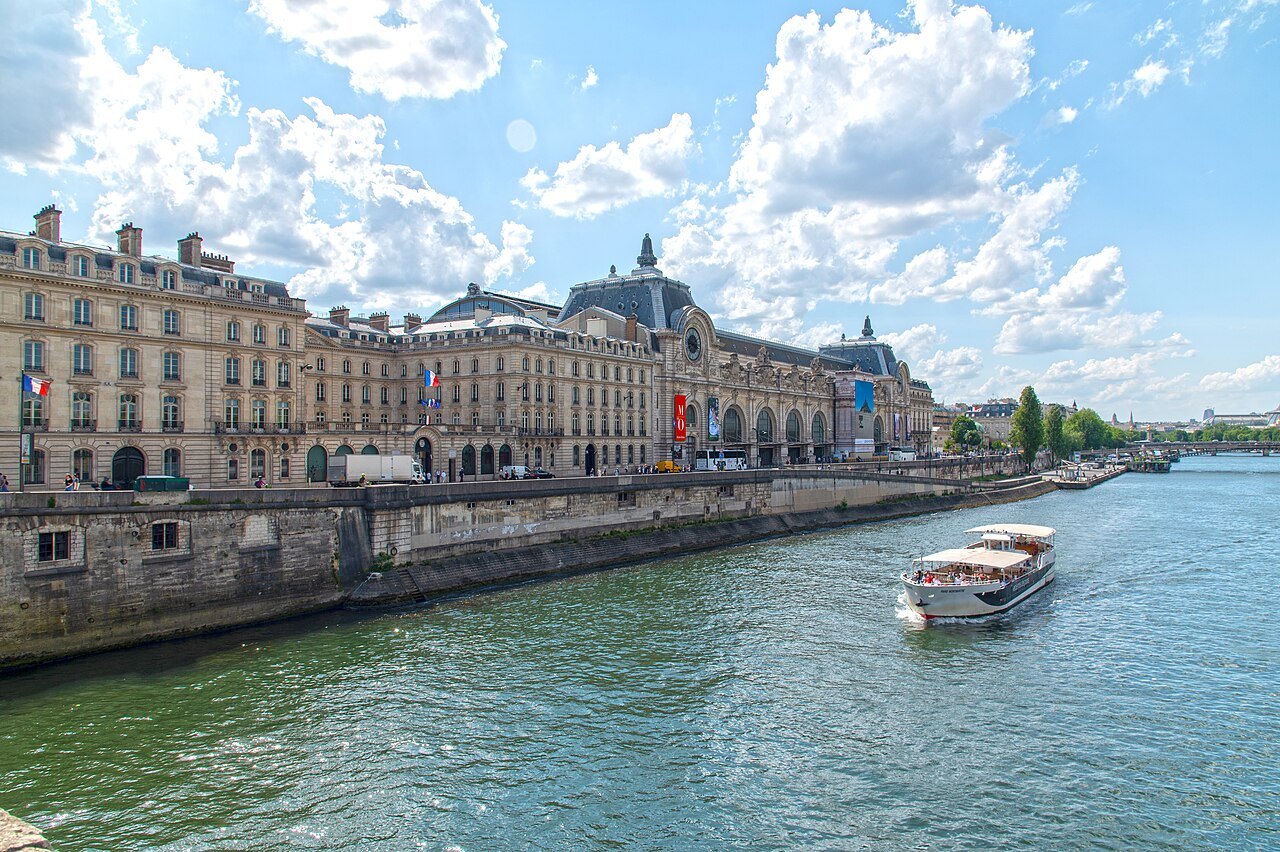 7th09The Musée d'OrsayA Beaux-Arts railway station of 1900 holding the largest collection of Impressionist paintings in the world.
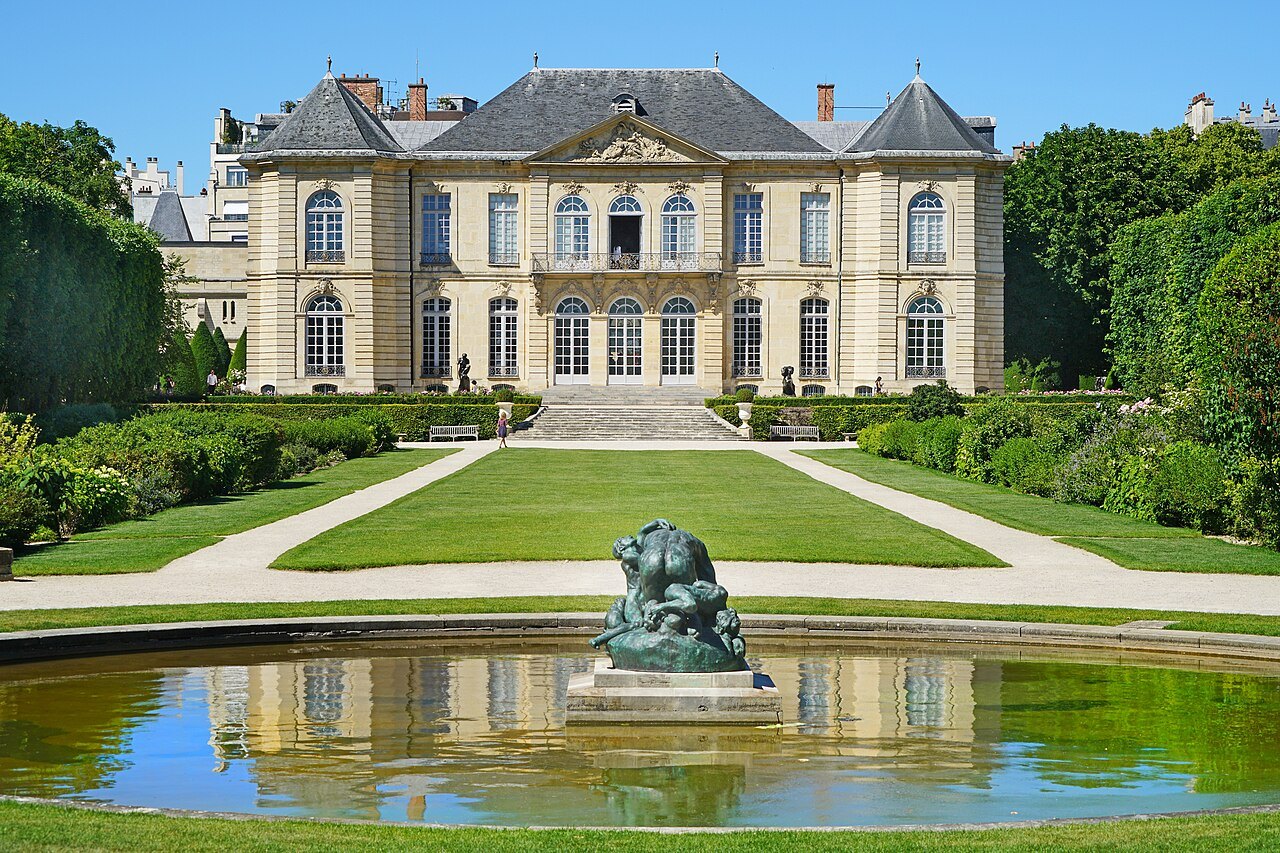 7th10The Musée RodinRodin's workshop from 1908 and a museum of his work since 1919, with The Thinker in its garden.
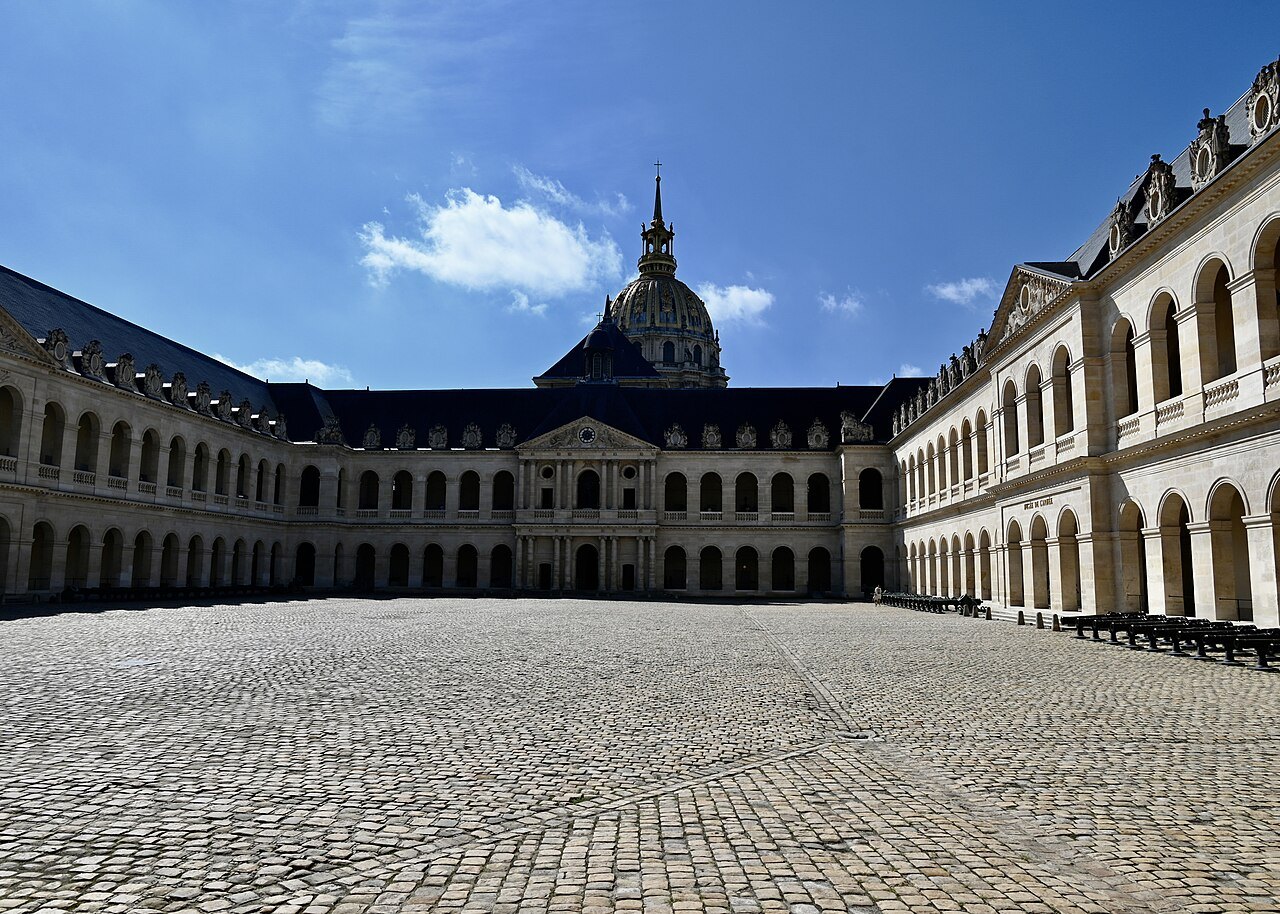 7th11Les InvalidesLouis XIV's home for old soldiers, under the tallest church dome in Paris and above Napoleon's tomb.
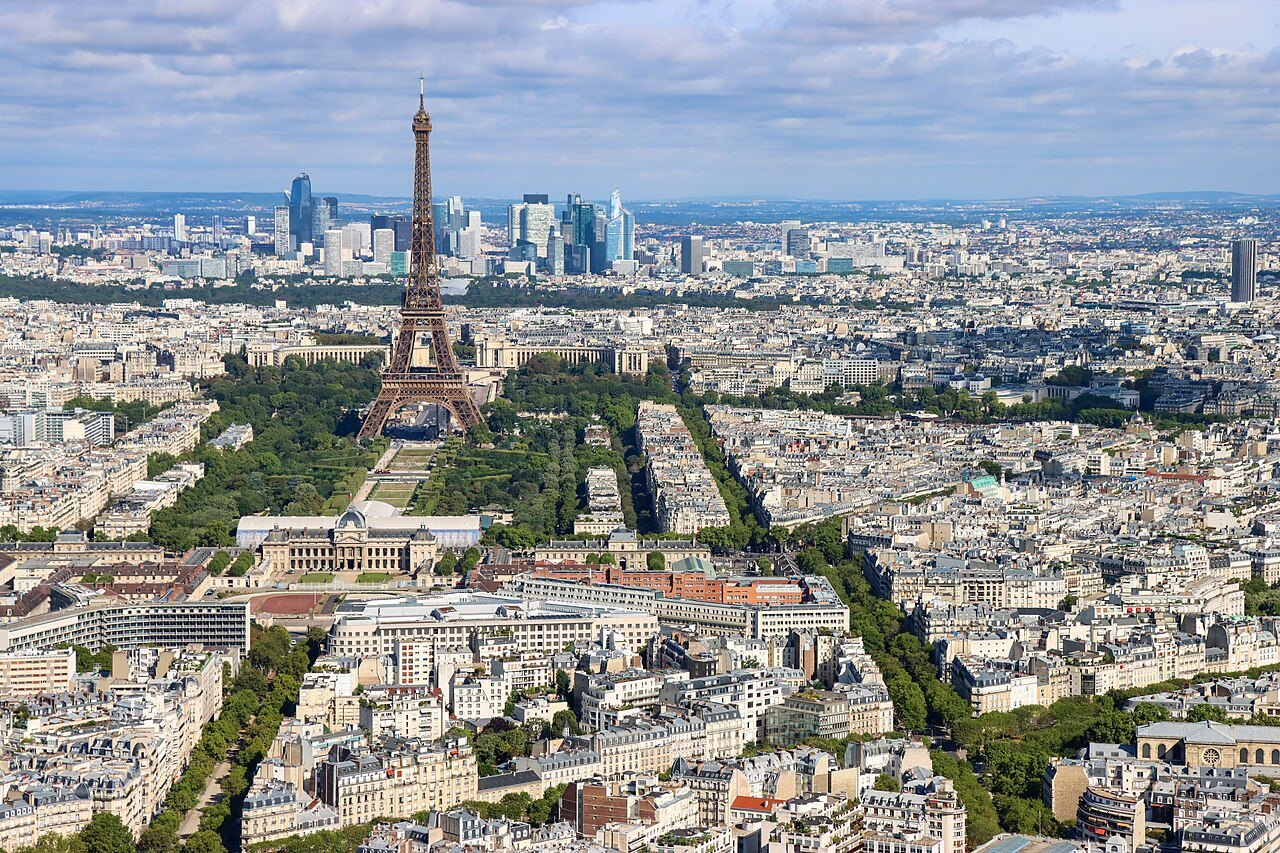
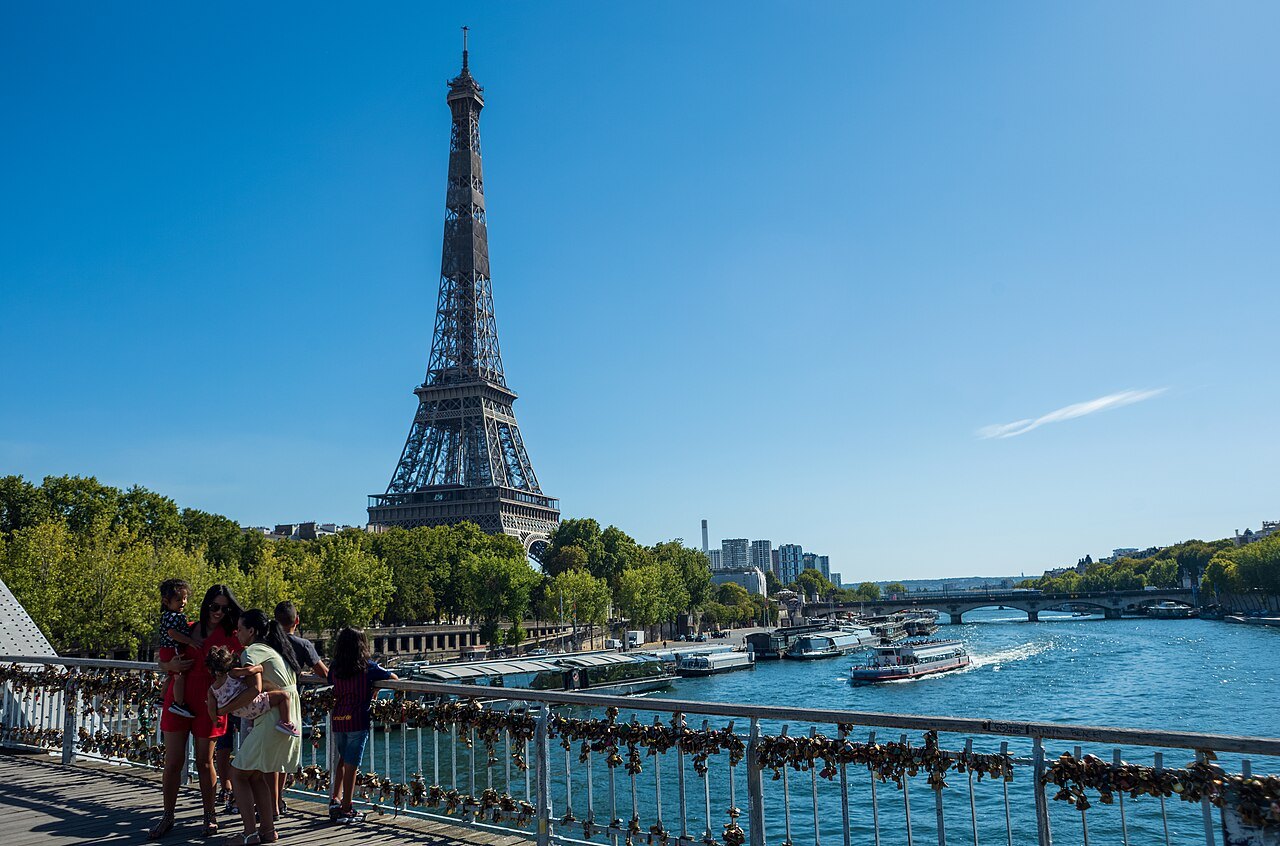 7th12The Eiffel TowerWrought iron, 1,083 feet tall, built from 1887 to 1889 as the centerpiece of a World's Fair.
The Right Bank's arcThe eighth, ninth and tenth
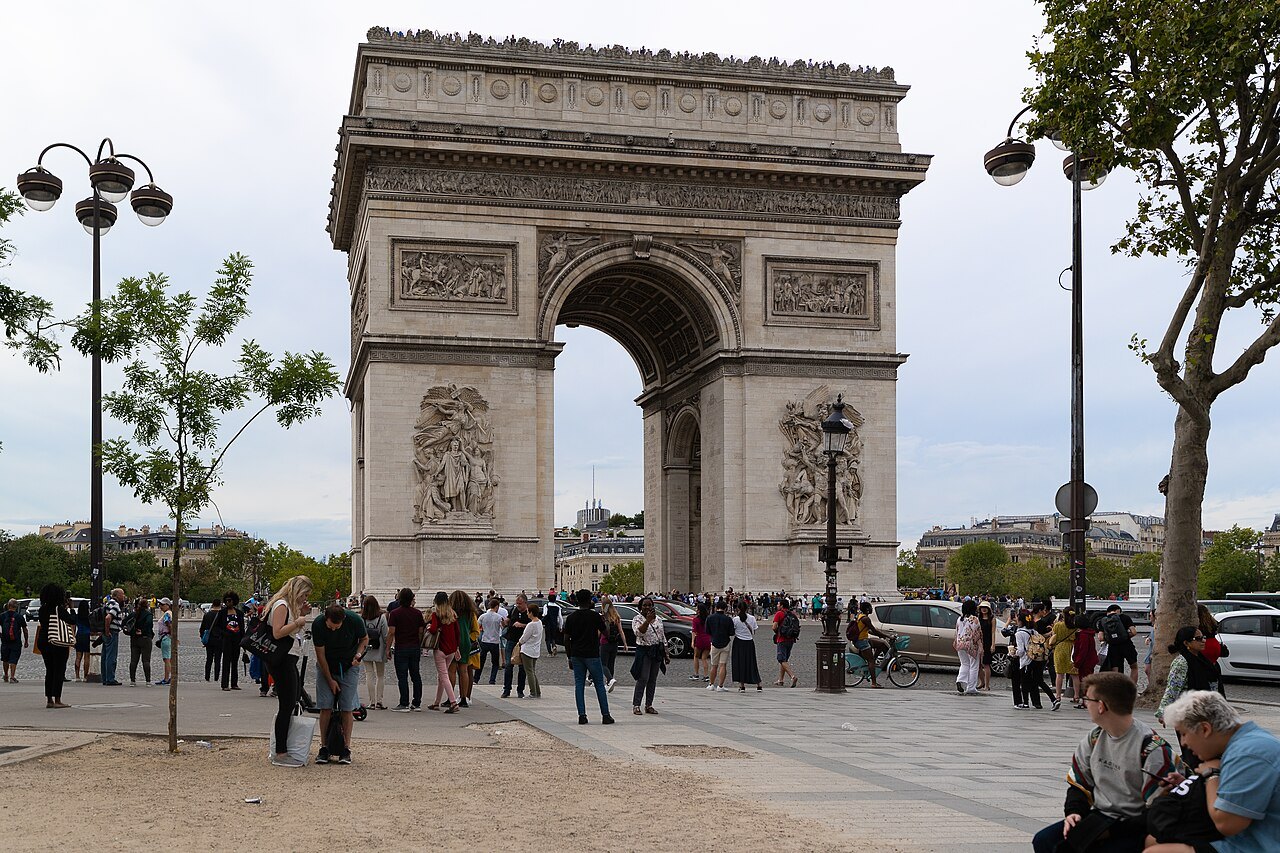 8th · 16th · 17th13The Arc de Triomphe and the Champs-ÉlyséesAn arch designed in 1806 and finished in 1836, where twelve avenues meet at the head of the Champs-Élysées.
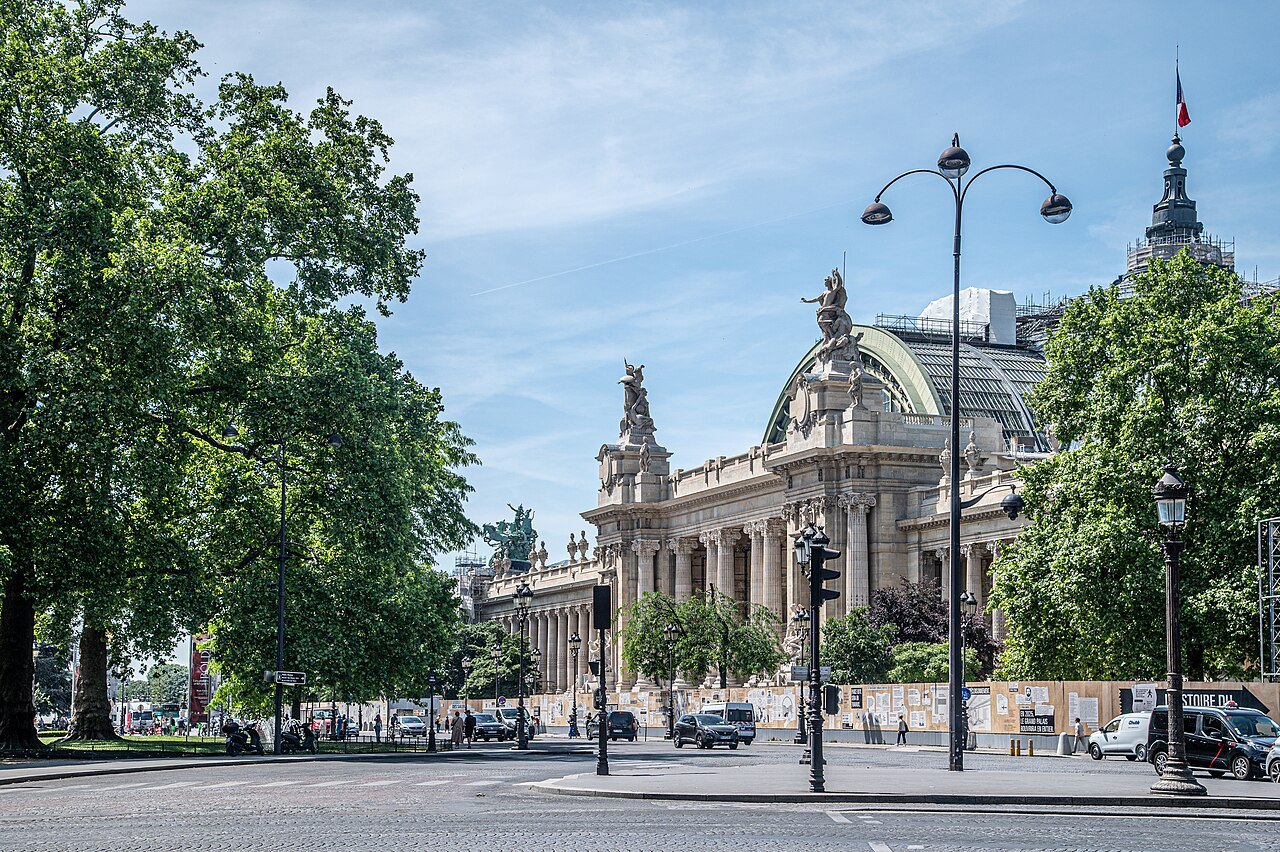 8th14The Grand Palais, the Petit Palais and the Pont Alexandre IIIAn exhibition hall under a glass roof, built with the Petit Palais and a bridge for the exposition of 1900.
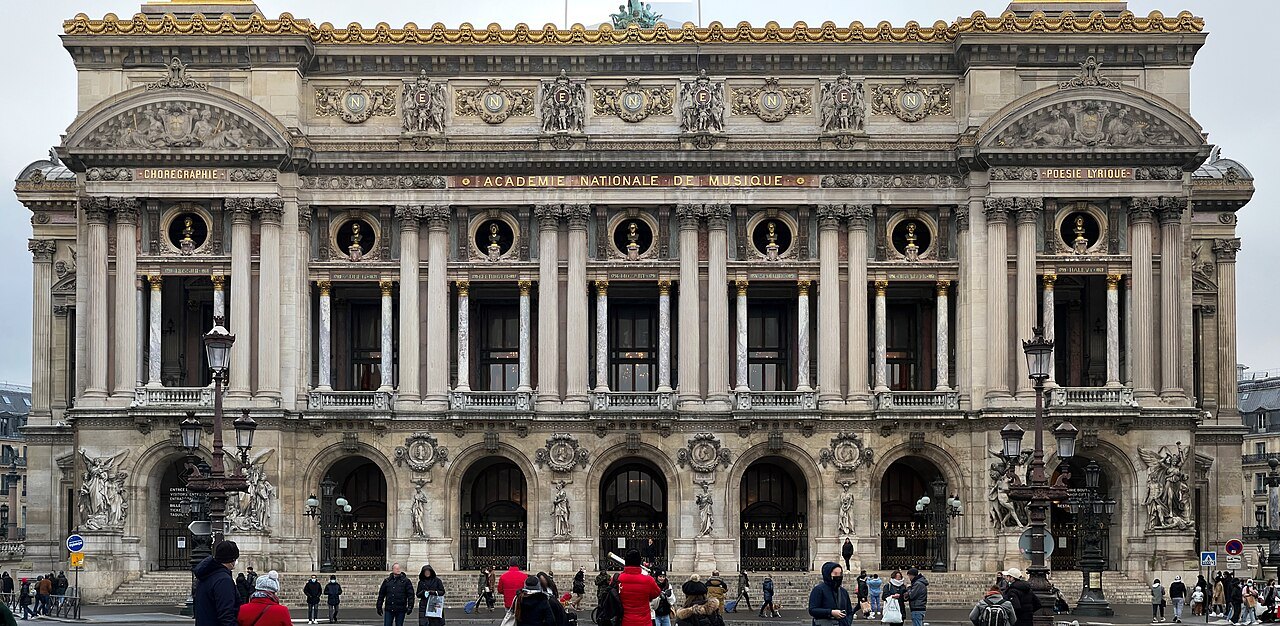 9th15The Palais GarnierNapoleon III's opera house, built from 1861 to 1875, the setting of The Phantom of the Opera.
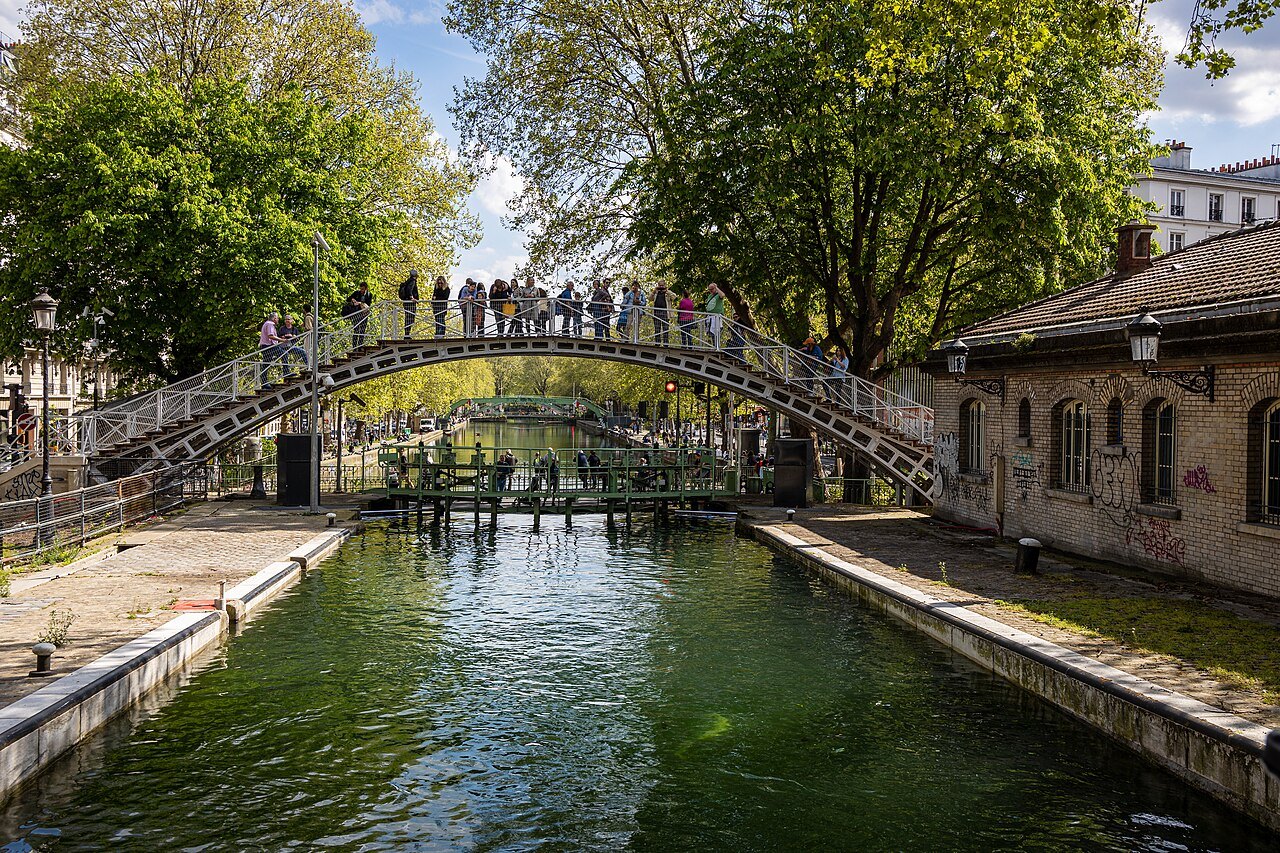 10th · 11th16The Canal Saint-MartinA canal ordered by Napoleon in 1802 and finished in 1825, with its locks and bridges, nearly half of it underground.
The outer turnOut to the eighteenth and the twentieth
In full
The Sights
How the sights are arranged
The sights on this site are grouped by where they stand on the spiral of the arrondissements, the numbered districts that wind clockwise out from the Louvre. The first group lies on the islands and in the first four arrondissements, the oldest part of the city. The second is the Left Bank's fifth, sixth and seventh. The third follows the Right Bank's arc through the eighth, ninth and tenth; the last reaches out to the hills of the eighteenth and twentieth. Each sight's arrondissement is printed with it, so you can see at a glance how far from the center it lies; see the spiral.
Grouped this way, the sights also make walking days: every group can be seen on foot, with the Métro only to begin and end. See itineraries for routes by the length of your stay.
The first turn
Paris began on the Île de la Cité, and the first group begins there, with the cathedral of Notre-Dame, begun in 1163 and reopened in December 2024 after the fire of 2019, and the Sainte-Chapelle, the royal chapel of 1248 walled in stained glass, beside the Conciergerie, the old palace and revolutionary prison.
Across the river on the Right Bank stand the Louvre, a fortress, then a palace, and since the Revolution the largest museum in the world, and the Tuileries, the palace garden that runs west to the Place de la Concorde. To the east, in the Marais, is the Place des Vosges, the oldest planned square in Paris, built by Henry IV.
The Left Bank
The second group crosses the river. On the hill of the Latin Quarter, the Panthéon was built as a church for Saint Genevieve and became the resting place of the nation's great citizens. Below it lie the Luxembourg Gardens, Marie de' Medici's palace garden, and Saint-Germain-des-Prés, with its ancient abbey church and its famous cafés.
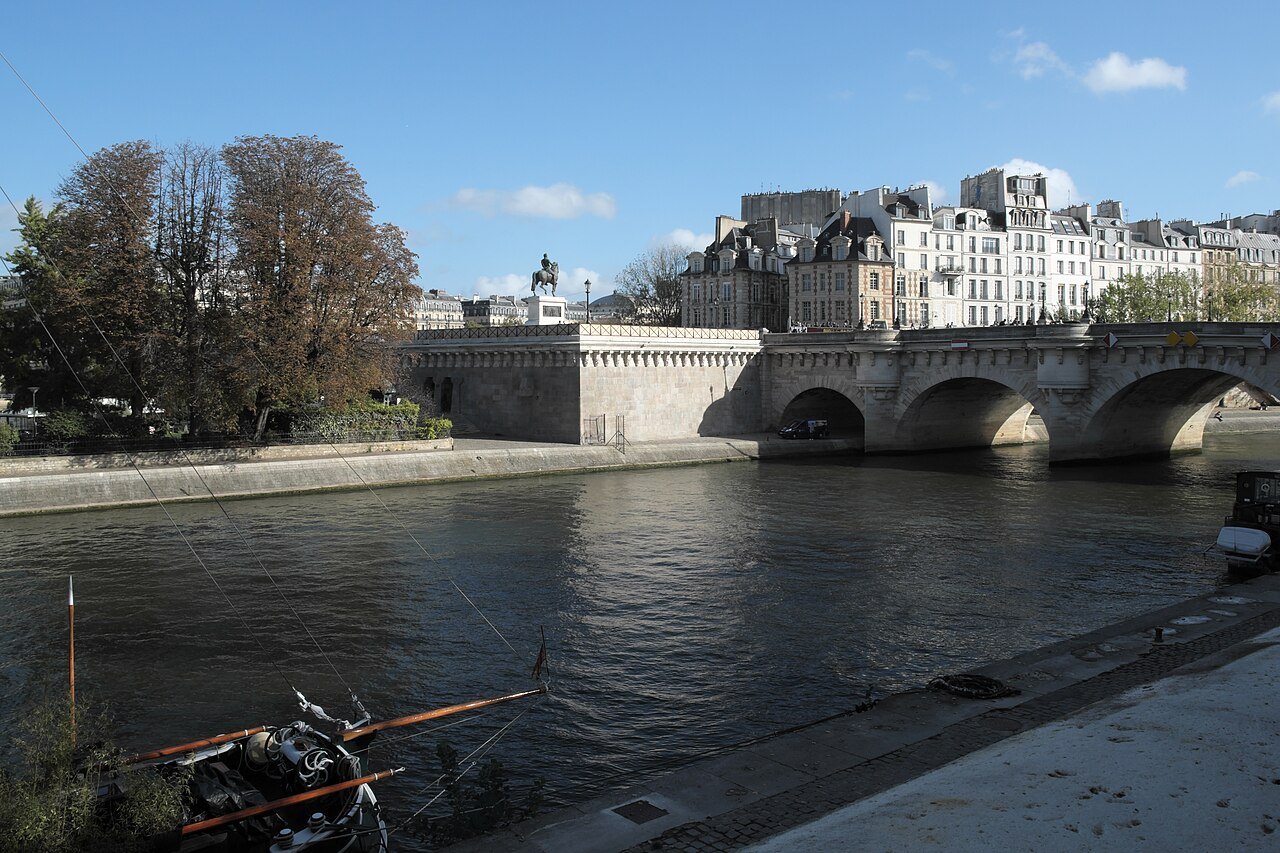
Along the river to the west, the Musée d'Orsay fills a railway station of 1900 with the world's greatest collection of Impressionist painting. Beyond it, the Musée Rodin keeps The Thinker in the garden of the sculptor's mansion, Les Invalides shelters Napoleon's tomb under its golden dome, and the Eiffel Tower rises over the Champ de Mars.
The Right Bank's arc
The third group swings back across the Seine. The Arc de Triomphe, Napoleon's arch of victory, stands where twelve avenues meet at the head of the Champs-Élysées. Down the avenue, the Grand Palais, the Petit Palais and the Pont Alexandre III survive from the exposition of 1900.
To the northeast, the Palais Garnier, Napoleon III's opera house, is the most opulent building of the Second Empire and the setting of The Phantom of the Opera; further east, the Canal Saint-Martin, built to bring drinking water into the city, steps down through its locks toward the Seine.
The outer turn
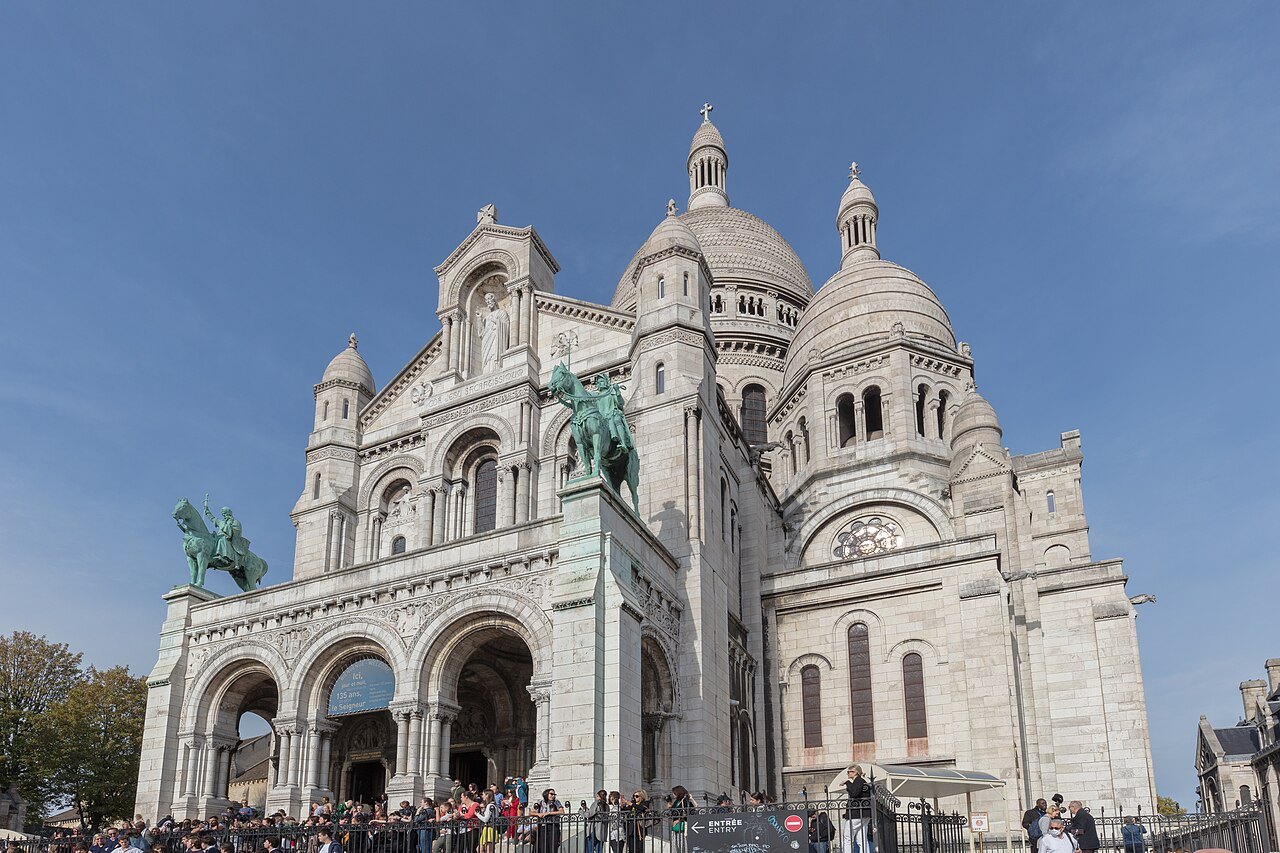
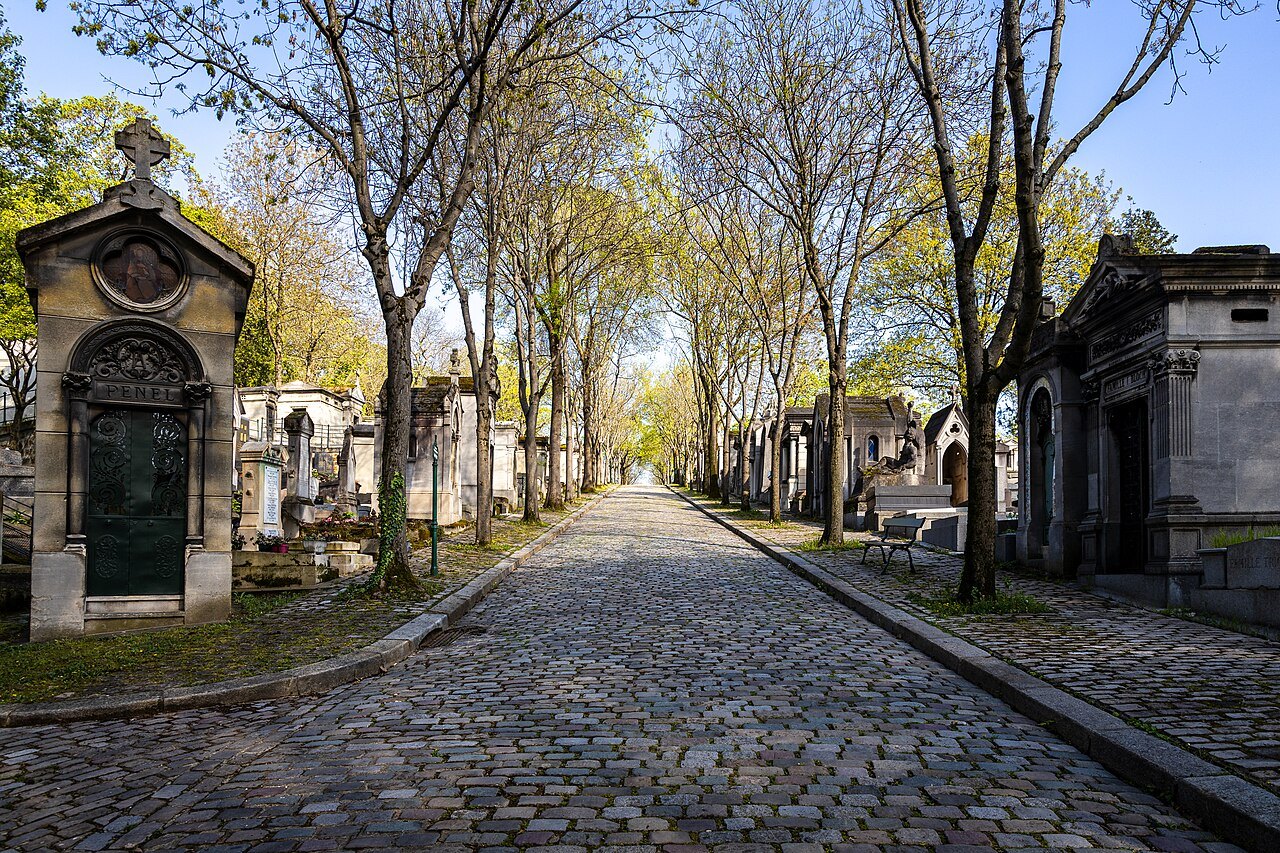
The last group climbs the hills at the city's edge. Sacré-Cœur, the white basilica on the summit of Montmartre, looks out over the whole of Paris, with the old village and its painters' square behind it. On the eastern hill, Père Lachaise, the largest cemetery in the city, is the resting place of Chopin, Oscar Wilde and Jim Morrison among a million others. Both are a Métro ride from the center, and both reward an early start: Montmartre before the crowds reach the steps, and the cemetery in the long light of a summer morning, when its cobbled lanes, chapels and old trees are at their quietest and most beautiful.
If your time is short
Few visitors see all eighteen, so choose by what you love. For painting and sculpture, the Louvre, the Musée d'Orsay and the Musée Rodin make three very different days: the collections of kings and the Revolution, the Impressionists in their railway station, and a sculptor's work in his own garden. For architecture, set Notre-Dame and the Sainte-Chapelle, two masterpieces of Gothic Paris a few steps apart on the same island, against the gilded Second Empire splendor of the Palais Garnier and the iron and glass of the Grand Palais.
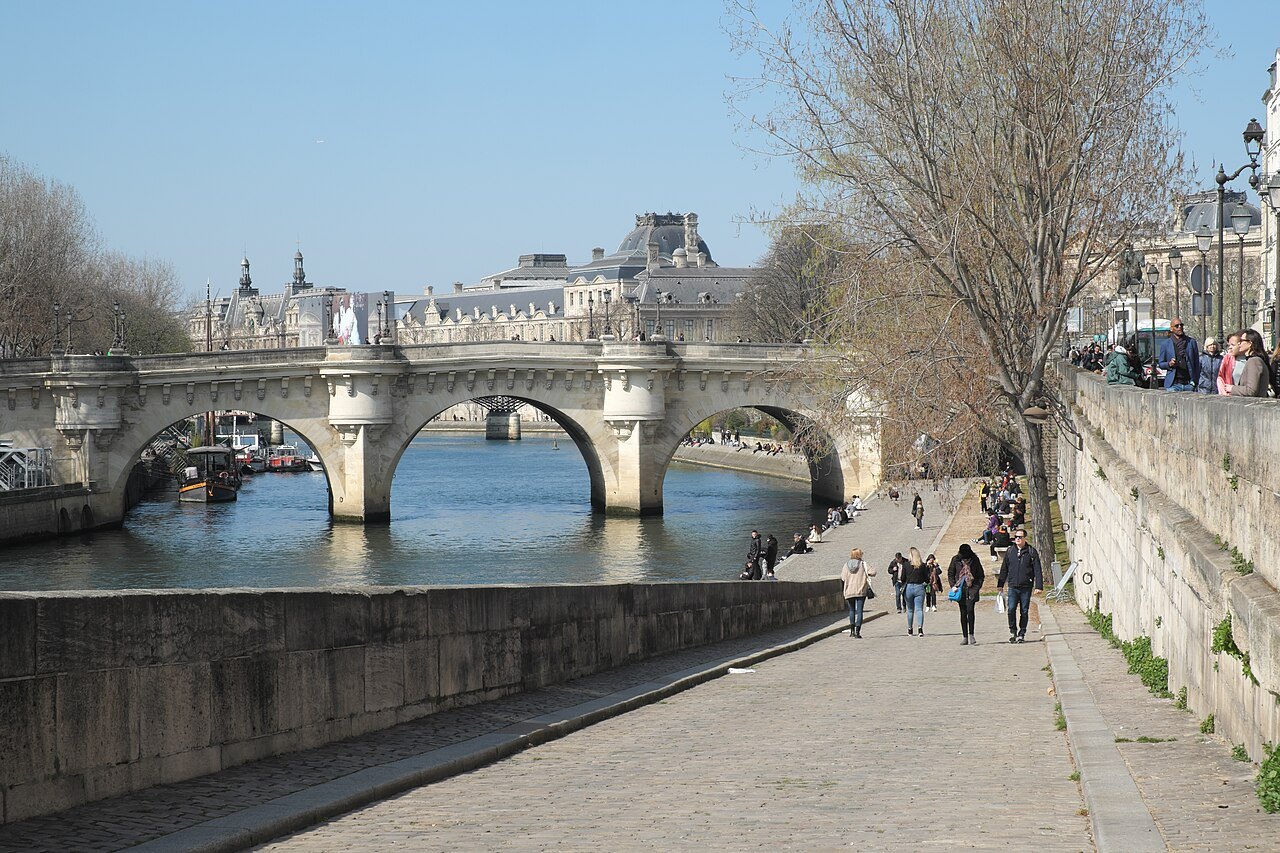
For views over the city, climb one of three: the Eiffel Tower, the roof of the Arc de Triomphe with its twelve avenues, or the dome of Sacré-Cœur on the hill of Montmartre. For quieter hours, the Luxembourg Gardens, the Place des Vosges, the Canal Saint-Martin and the lanes of Père Lachaise are where Parisians themselves go to walk. And for the story of the nation, the Panthéon and the Invalides hold its great citizens and its soldiers.
Several of the best cost nothing at all: the cathedral of Notre-Dame, the basilica of Sacré-Cœur, the gardens, the canal and the cemetery are free to enter, and the Seine's quays are free to walk end to end.
What each page gives you
Every sight page follows the same plan. It opens with why the place matters and how it came to be, then walks you through what you see there, from the façade to the details worth looking for inside. It ends with how to visit, the sights nearby, and a few myths worth setting aside. The pages are written from published sources, which each page lists, and are checked before publication; no page gives a price or an opening time, because those change and the monument's own site is the only reliable source on the day.
Several of the sights must be booked in advance, and a few turn away large bags; see booking ahead before you plan your days.
Beyond the eighteen
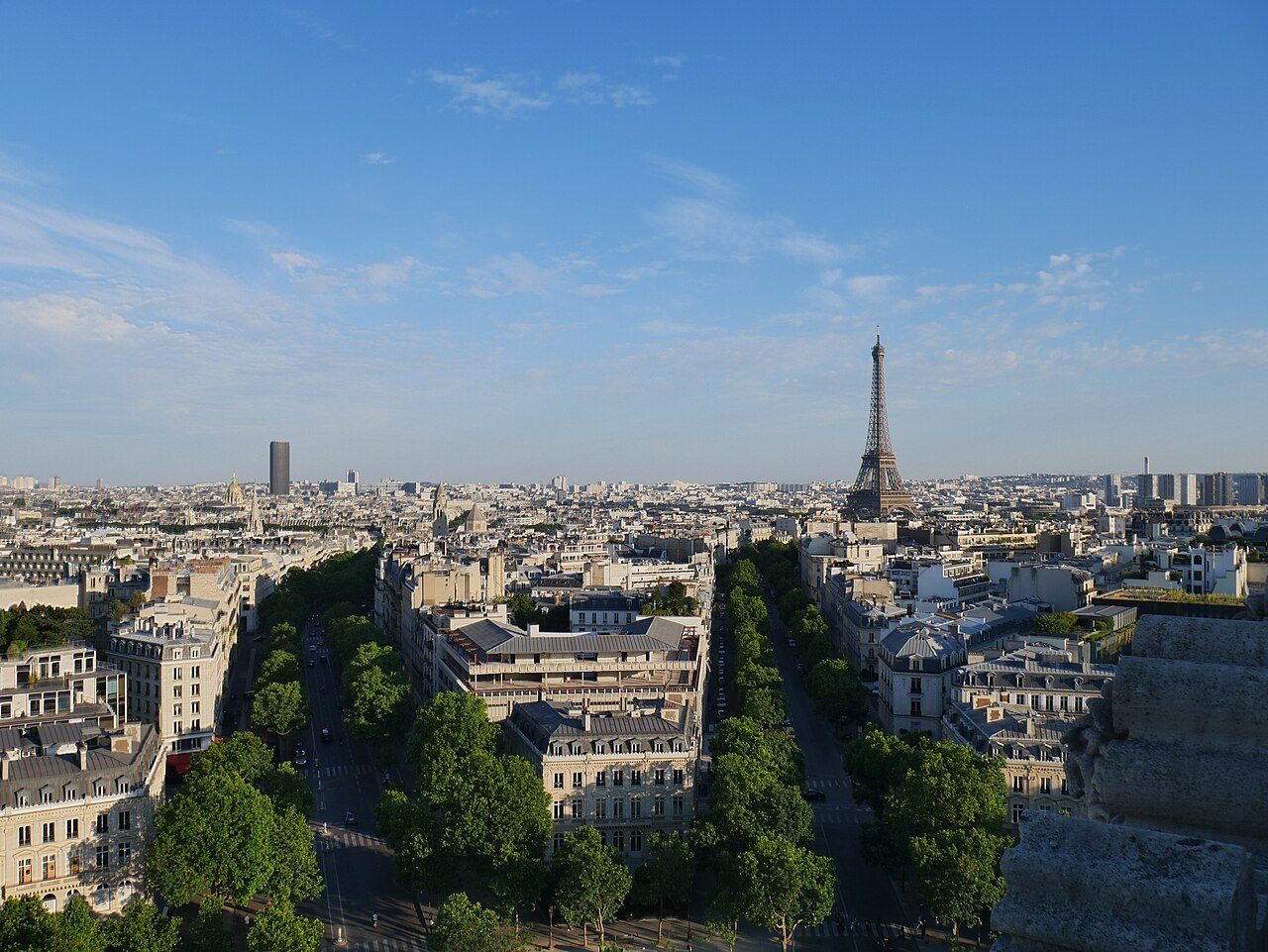
Paris holds far more than eighteen sights, and some of the greatest are outside the city altogether. The palace of Versailles, Monet's garden at Giverny, the château of Fontainebleau, the cathedral of Chartres and the royal basilica of Saint-Denis are each a day's journey by train; see day trips. Inside the city, the river itself is a sight, with its bridges, islands and bookstalls; see the Seine. And every quarter has smaller pleasures of its own, from covered arcades to market streets; see where to stay.