Home · Booking Ahead
Checked with the monuments
What to book, and what not to
| What | Ahead? | What to know |
|---|---|---|
| Palais Garnier visit | Book ahead | Daytime visits are sold online only; nothing is sold at the door. Rehearsals can close the auditorium without notice. |
| The Louvre | Book ahead | A time slot is recommended for everyone, including visitors who enter free. Tickets are sold at the door only when the museum is quiet. |
| The Sainte-Chapelle | Book ahead | Strongly recommended in advance. Security is strict, and at busy times visitors without a time slot may not get in. |
| Versailles | Book ahead | The palace itself requires a time slot; the gardens and the Trianon estate do not. |
| The Eiffel Tower | Optional | Tickets are sold online and at the tower. |
| The Musée d'Orsay | Optional | Tickets are sold online. Buy only from the museum's own ticket site. |
| Arc de Triomphe roof | Optional | Tickets online or at the arch. The terrace is reached by stairs, so check whether the elevator is running. |
| Notre-Dame | Just go | The cathedral admits visitors free of charge. Expect a line at busy times. |
| Sacré-Cœur | Just go | The basilica is free and open every day; the climb to the dome is a separate visit. |
| Gardens, quays and cemeteries | Just go | The Tuileries, the Luxembourg, the Seine's banks, the Canal Saint-Martin and Père Lachaise are all free and open to walk in. |
In full
Booking Ahead
Why booking matters in Paris
Paris is among the most visited cities in the world, and its great museums and monuments manage their crowds with time slots: you choose a day and a time online and arrive within it. For some sights a time slot is now the only way in; for others it simply saves a long wait. The table above sorts the main sights into what to book, what is optional and what never needs a ticket, based on what each monument says on its own website.
Prices, opening days and rules change, so this page gives none of them; check each monument's official site before you go. Many museums close one day a week, and the day differs from one to the next, which is worth knowing before you plan a day around one. See itineraries for how to order a stay around your bookings.
Buy from the official site
Fake ticket sites are a real problem in Paris. The Louvre warns of a rise in mirror sites that imitate its own, and tells visitors never to buy tickets that claim to let them jump the line or tickets from street sellers, who may leave them refused at the door. The Musée d'Orsay gives a similar warning, and the Sainte-Chapelle notes that it cannot help with a ticket bought through another website.
The safe rule is simple: go to the monument's own website, follow its ticketing link, and check the address in your browser before you pay. Authorized resellers exist for some sights, but if a price looks strange or a site promises special access, walk away.
The museums
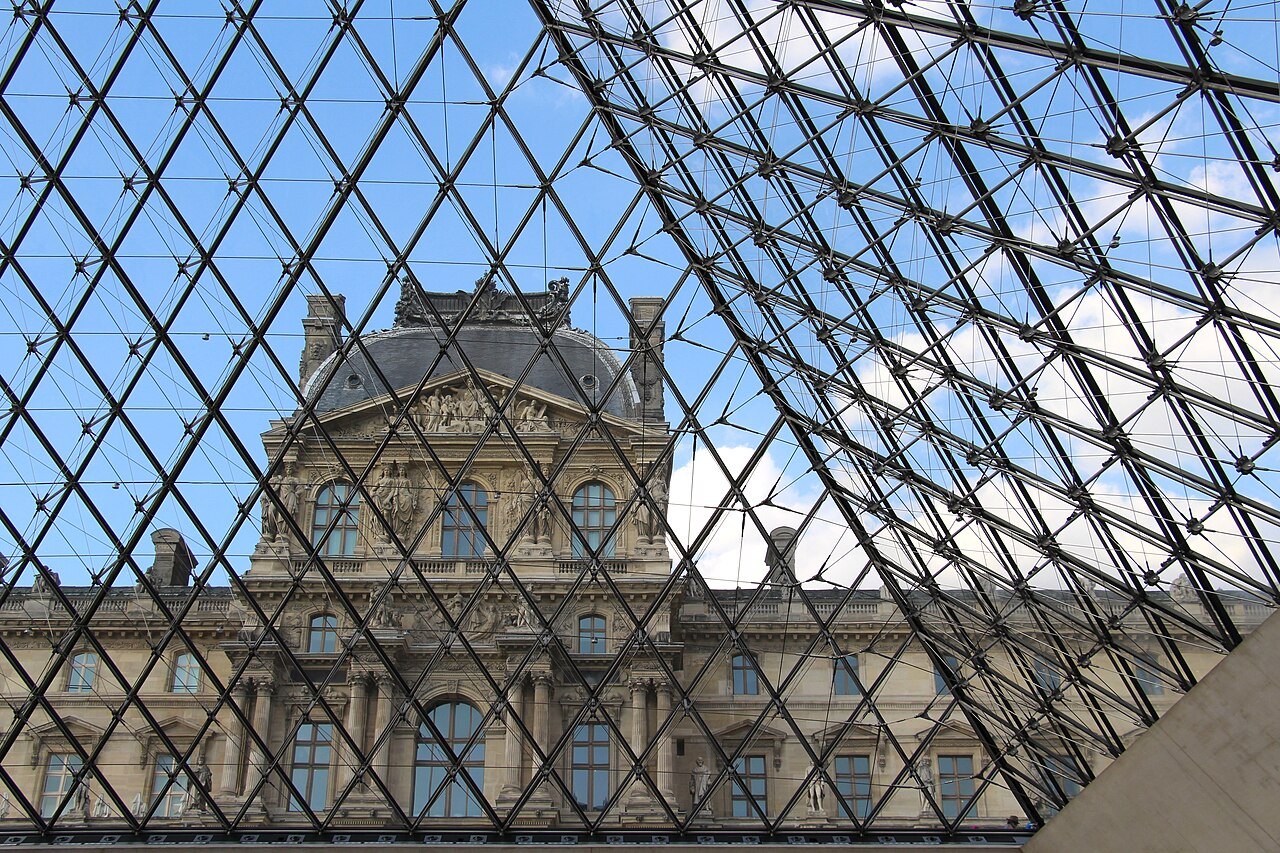
At the Louvre, the museum recommends booking a time slot for every visitor, including the many who enter free, and sells tickets at the door only when attendance is low. Visitors from outside the European Economic Area pay a higher rate than residents. Remember that any exit from the Louvre is final, so plan what you want to see before you go in.
The Musée d'Orsay sells tickets online through its own ticketing site. Smaller museums, such as the Musée Rodin, are usually easier, but booking ahead in peak season does no harm.
Monuments and the Opéra
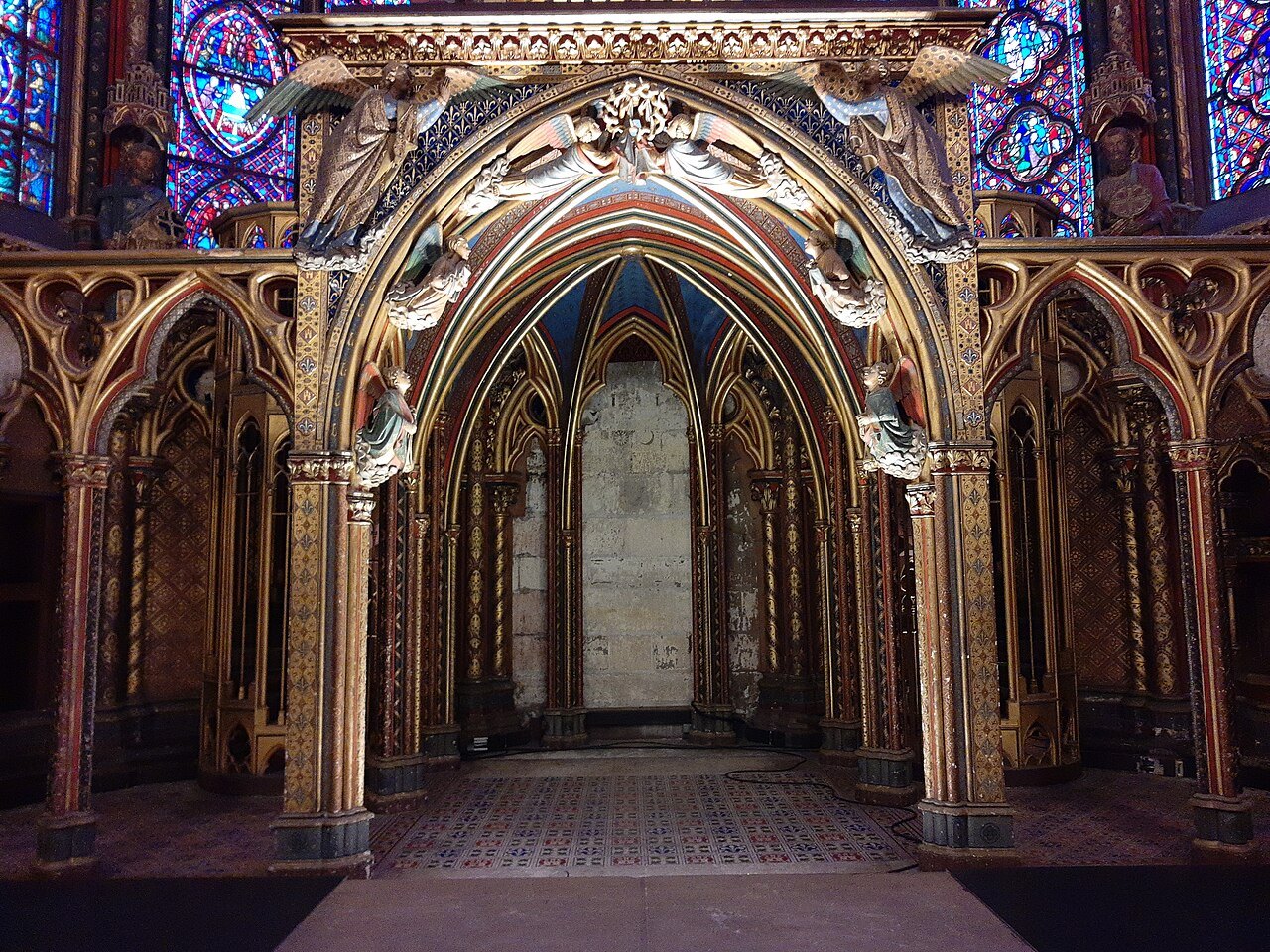
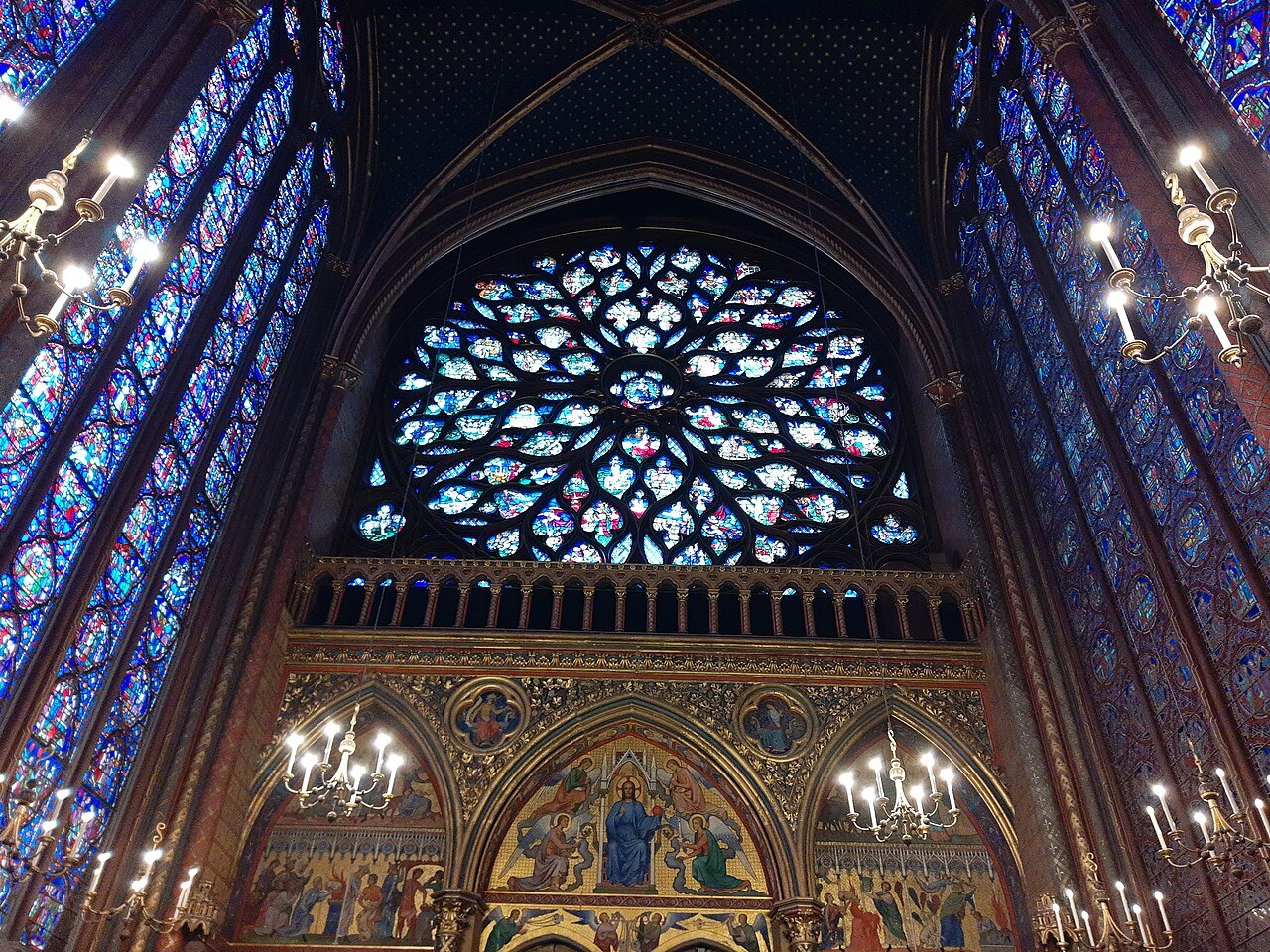
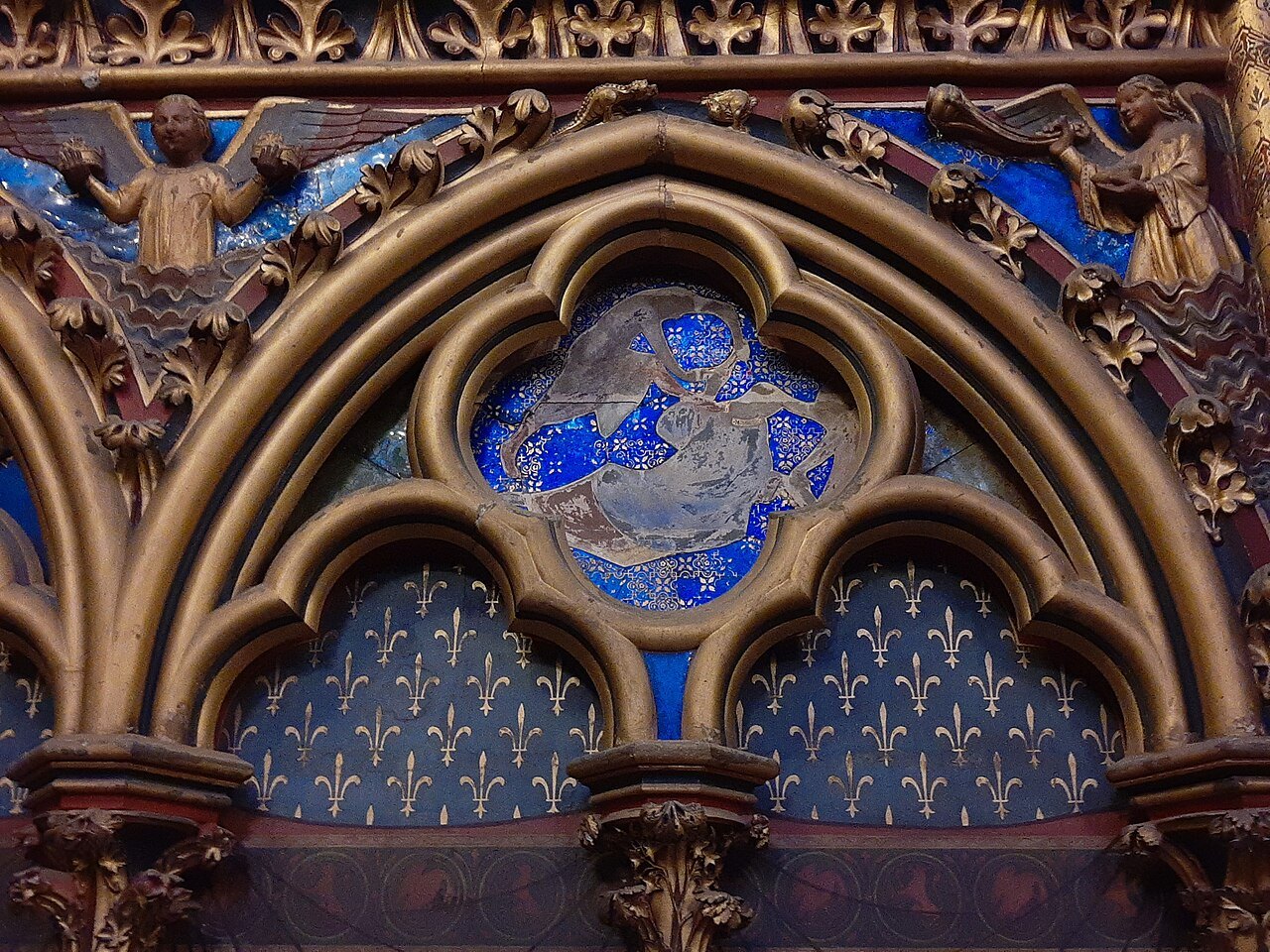
The Sainte-Chapelle stands inside the law courts, and its security checks are strict and slow. Large bags, suitcases, scooters and motorcycle helmets are not allowed, and knives, scissors and glass bottles are confiscated. The chapel strongly recommends paying in advance, since at busy times, such as school holidays and Easter, visitors without a ticket may wait for hours or be turned away.
A daytime visit to the Palais Garnier must be booked online; no visit tickets are sold on site. The auditorium closes for rehearsals often and without warning, so no ticket guarantees you will see it, and suitcases and travel bags are not allowed in the building. Performances, mostly ballet, are sold separately and far in advance.
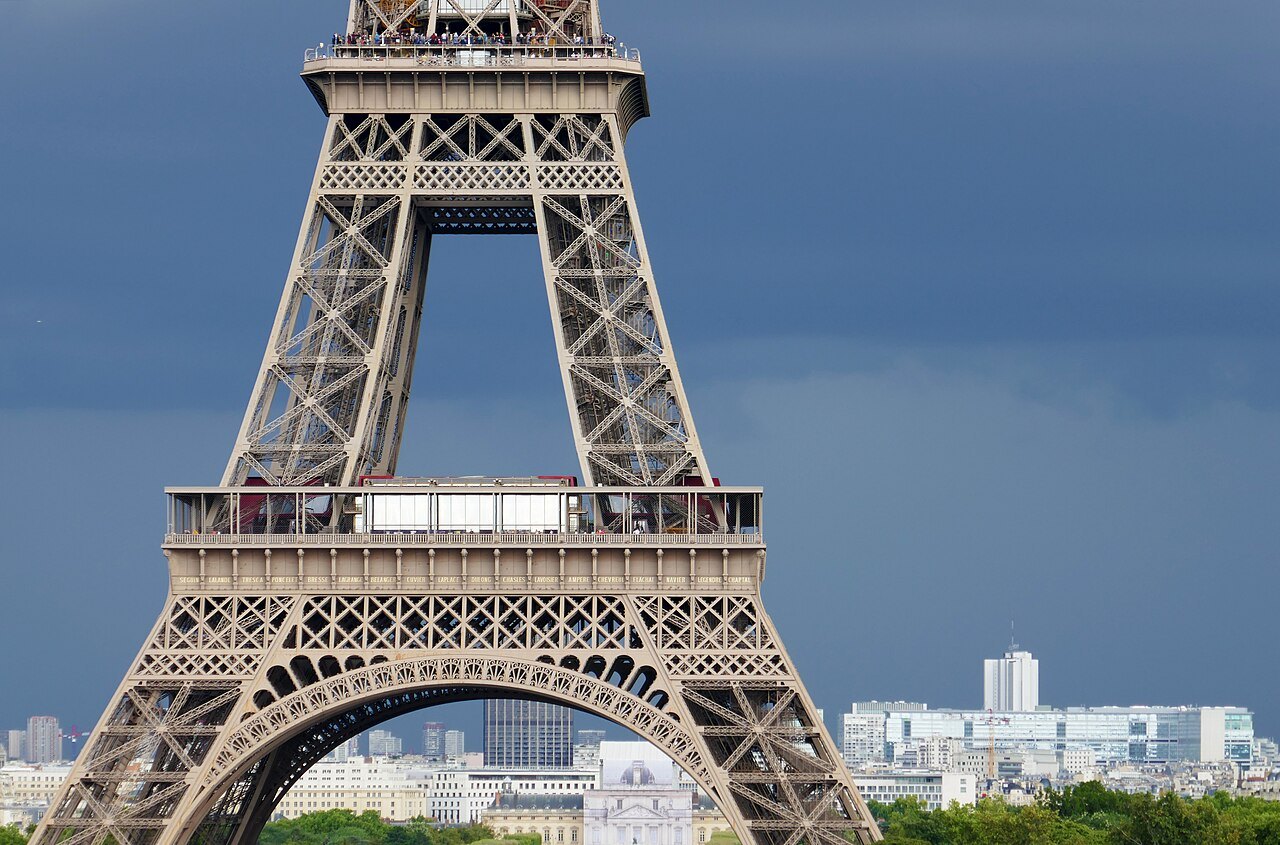
At the Eiffel Tower, tickets are sold both online and at the tower. Note that the summit and the stairs are not suited to visitors with limited mobility. At the Arc de Triomphe, the roof terrace is reached by 284 steps, and the elevator has been out of service for maintenance, so check before you go.
Day trips
At Versailles, only the palace itself requires a time slot; the gardens and the estate of the Trianon can be visited without one. The palace shuts one day a week and on a few public holidays, so check the calendar before you set out. See day trips for how to get there and what else is worth a day out of the city.
Combined tickets and passes
A few tickets cover more than one sight. A Louvre ticket also admits you to the small Musée National Eugène-Delacroix on the same day or the next. The Sainte-Chapelle sells a combined ticket with the Conciergerie next door, the old royal palace and revolutionary prison, and the two make a natural pair on the Île de la Cité.
The national monuments body, which runs the Sainte-Chapelle and the Conciergerie among many others, also sells a yearly pass giving unlimited entry to more than eighty monuments across France. For a short stay it rarely pays, but for a long one, or for a return visit within the year, it is worth pricing against single tickets. Some partners, from river cruise operators to national railway tickets, also give reduced entry at the Sainte-Chapelle, so keep your train ticket after you arrive.
Access for visitors with limited mobility
Access varies widely, so check before you book. The Palais Garnier's visitor route is accessible to wheelchair users, with an elevator to the tour areas, although its library-museum exhibitions are not. At the Eiffel Tower, the second floor is reached by elevator, but the summit and the stairways are not suited to visitors with limited mobility. At the Arc de Triomphe, the terrace depends on an elevator that has been out of service; many monuments give free entry to a visitor with a disability and one companion, and publish their access details on their own sites.
What never needs a ticket
Some of the best things in Paris are free. The cathedral of Notre-Dame admits visitors free of charge, though the line can be long; so is the basilica of Sacré-Cœur, open every day, although the climb to its dome is a separate visit. The great gardens, the Tuileries and the Luxembourg, the quays of the Seine, the Canal Saint-Martin and the cemetery of Père Lachaise cost nothing to walk in, and the streets and squares of the Marais and the Left Bank belong to everyone.
Several museums and monuments are also free on certain days: the Louvre on the evening of the first Friday of most months and on 14 July, and the Sainte-Chapelle on the first Sunday of the winter months. Expect crowds on those days.
Luggage and arrival days
Many monuments do not accept luggage. The Sainte-Chapelle and the Palais Garnier turn away suitcases and large bags, and neither has a cloakroom for them, so if you are sightseeing on the day you arrive or leave, arrange somewhere to leave your bags first. Luggage storage services near the stations and the main sights are the simplest answer.
Seen on the way
More photographs
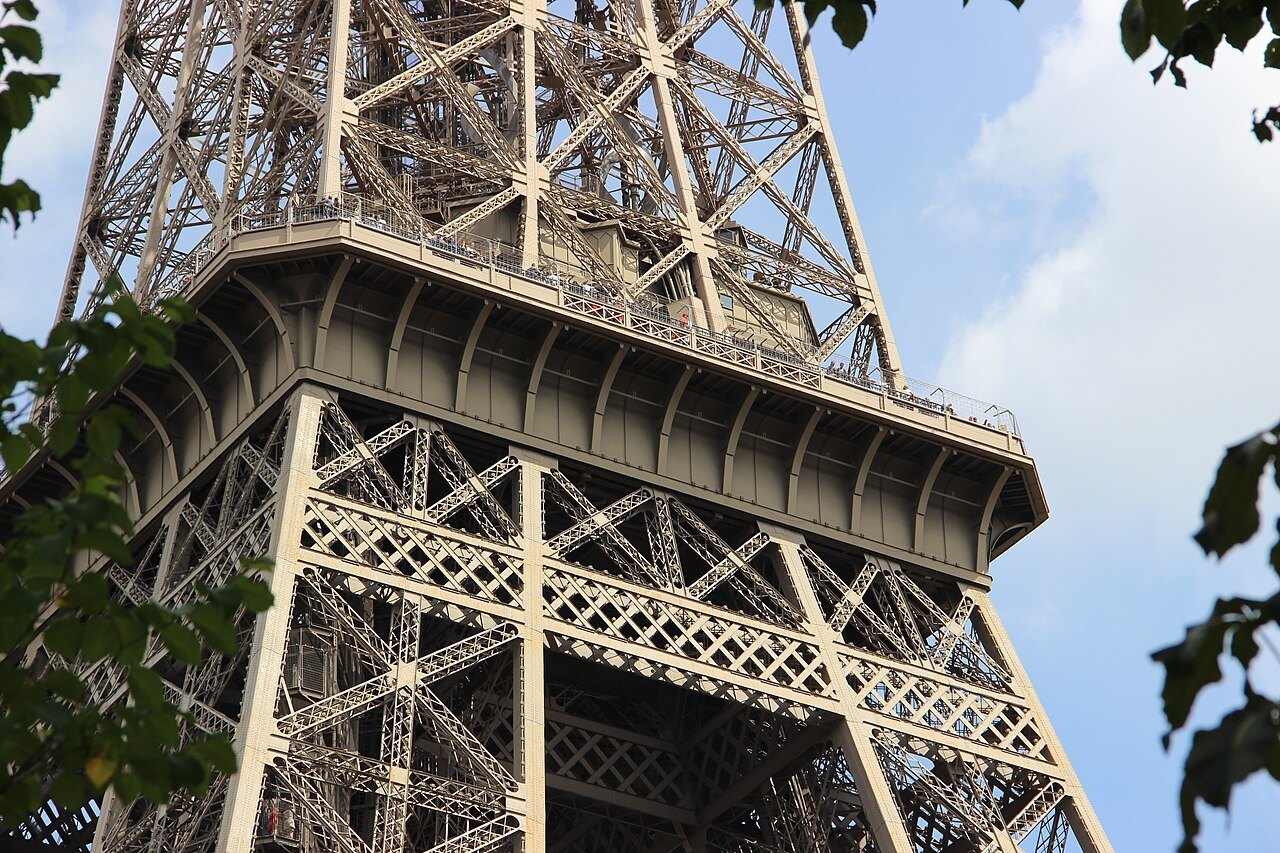
The Eiffel Tower's first floor from below, its lattice legs rising into the skyKetounette, Wikimedia Commons, CC BY-SA 4.0 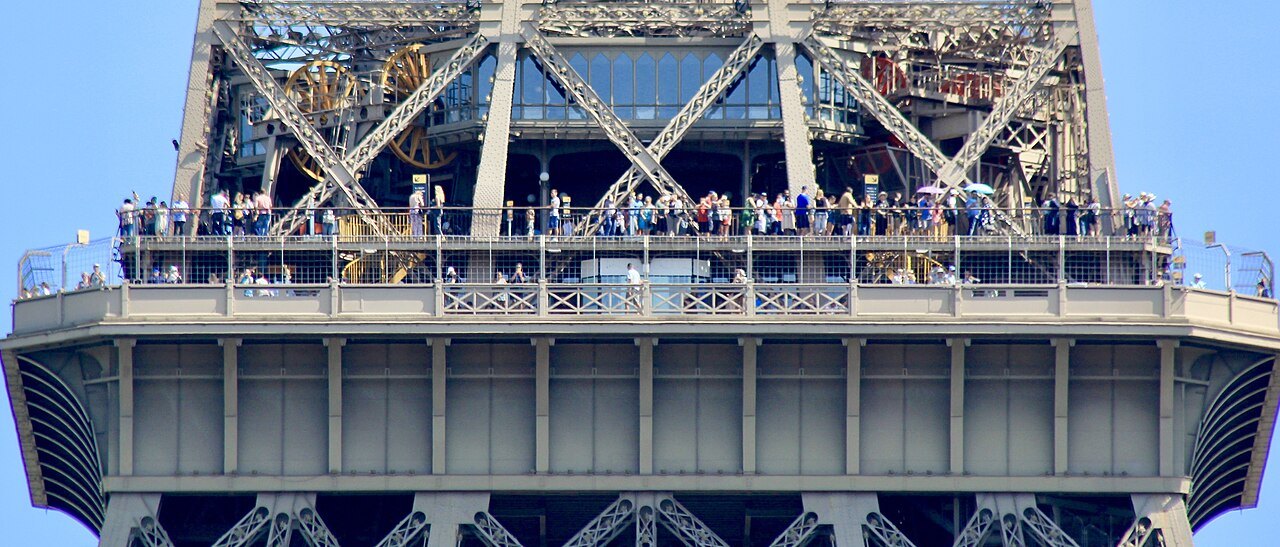
Visitors lining the rail of the Eiffel Tower's second floorKipp Jones from Atlanta, US, Wikimedia Commons, CC BY 2.0 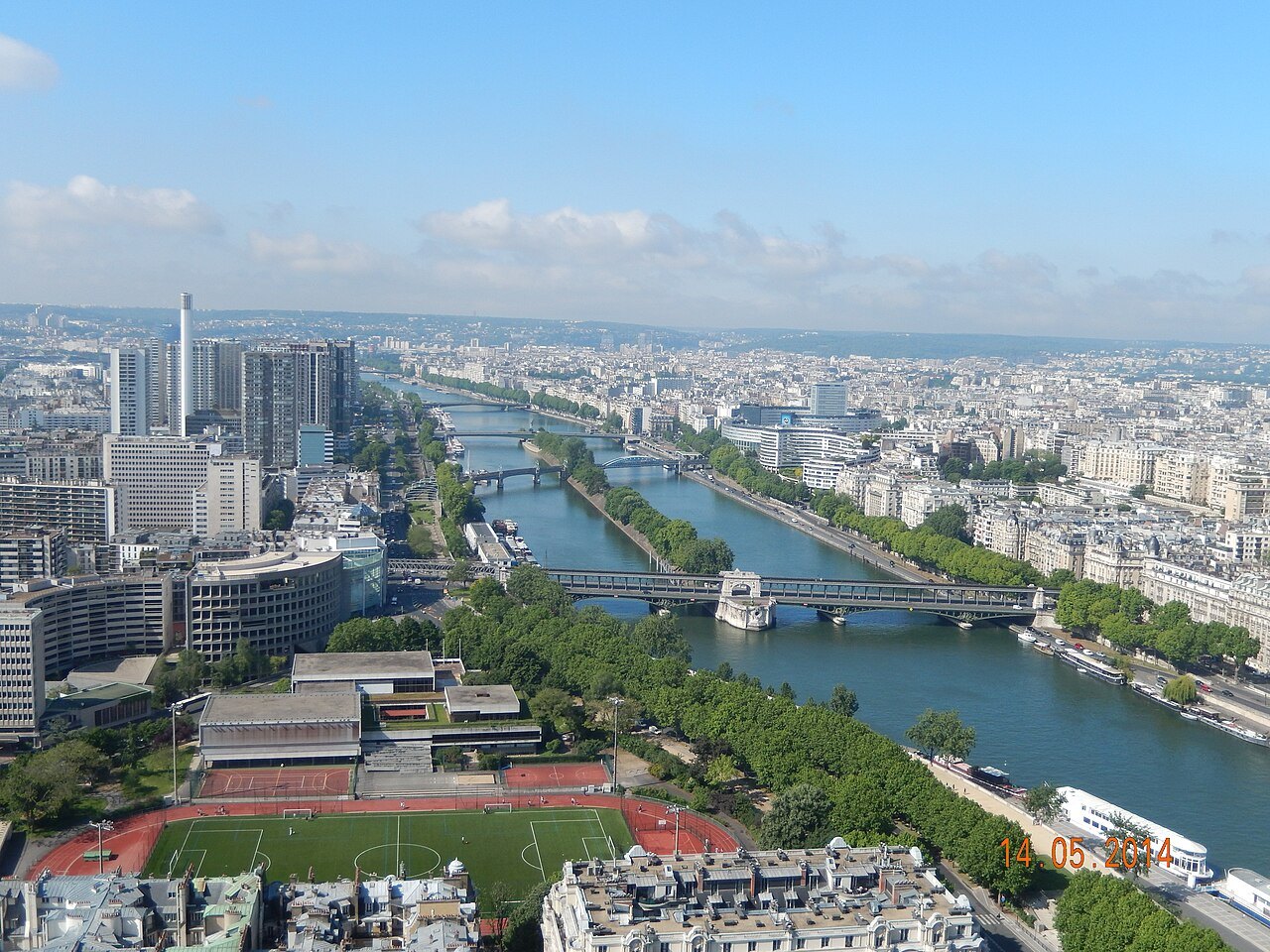
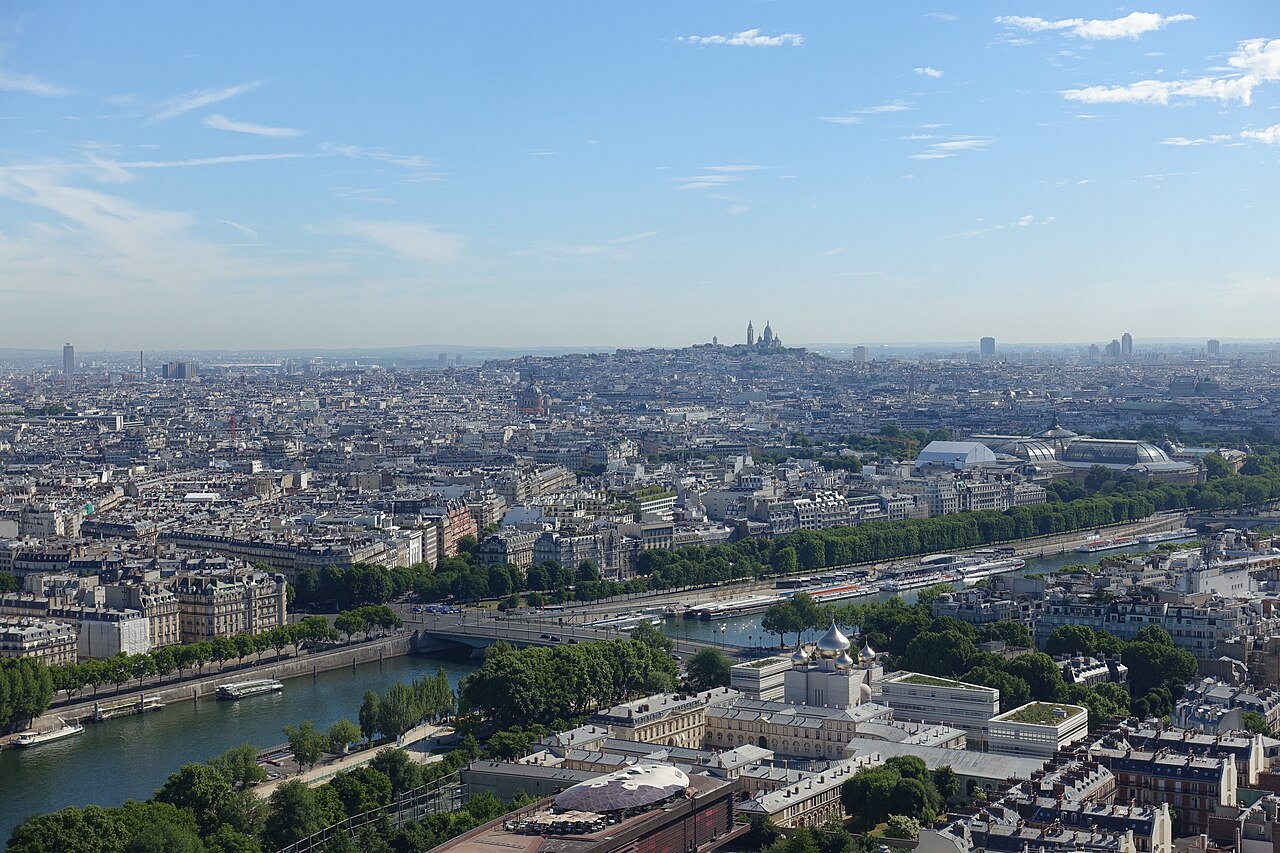
The Seine seen downstream from the Eiffel Tower's second floor, bridges crossing it one after anotherAjayy99, Wikimedia Commons, CC BY-SA 3.0