Home · When to Come
The year
Month by month
the busiest months for visitors
- JanuaryCool and gray, with little sunshine; nights hover just above freezing. The quietest weeks for visitors.
- FebruaryStill cold, with a chance of light snow that rarely settles. Short lines at the great museums.
- MarchThe first mild days, and the last likely snow. Weather changes from day to day; pack layers.
- AprilMild days and cool nights, sudden showers, and the Paris Marathon on a Sunday in the month.
- MayOften the loveliest month: long days, green parks and mild temperatures, and the French Open tennis beginning late in the month.
- JuneLong evenings and the Fête de la Musique on the summer solstice, with free music in every street.
- JulyWarm and busy. The military parade on the Champs-Élysées on 14 July, fireworks, and beaches on the river.
- AugustThe warmest weeks, with a few hot days each year. Paris-Plages carries on along the river.
- SeptemberWarm days, cooler nights, and the city back at work. The Heritage Days, the third weekend, open buildings usually closed.
- OctoberAutumn color in the parks and Nuit Blanche, a night of art across the city, early in the month.
- NovemberShort, damp days and fewer visitors. A good month for museums, concerts and long lunches.
- DecemberCold, with short days, and the start of the months when snow is most likely.
In full
When to Come
The climate in brief
Paris has what geographers call an oceanic climate, shaped by the North Atlantic: mild overall and moderately wet, without great extremes. Summer days are usually warm and pleasant, generally between 59 and 77 °F, with a fair amount of sunshine. Winters are cool and gray; sunshine is scarce, days are cool and nights cold, but generally above freezing. Spring and fall are mild on average but changeable, and unexpectedly warm or cool spells are common in both.
The total rainfall is modest, about 25 inches a year, less than many visitors expect. Because the weather comes in from the Atlantic, conditions can change within a day, and forecasts are the only reliable guide to the week you arrive. Summer and winter are the most settled seasons; spring and fall bring the widest swings, sometimes a week of summer warmth in April or October, sometimes a cold, wet spell in May.
Rain is light and spread evenly across the year, so there is no dry season to aim for and no rainy season to avoid; what the city is known for is sudden, heavy showers that pass as quickly as they come. An umbrella and a layer to put on or take off will serve you in any month. See the month-by-month notes above, and itineraries for how to shape the days once you know when you are coming.
Summer
June, July and August are the warmest months and the busiest for visitors, with long evenings of daylight. Each year there are a few days above 90 °F, and occasionally longer heat waves: in 2003, temperatures stayed above 86 °F for weeks, reached 104 °F on some days and barely cooled at night. For a summer stay, it is worth asking whether your room has air conditioning.
Summer is also the season of the city's great public events. The Fête de la Musique, first held in Paris in 1982, fills the streets with free music on the summer solstice in June. On the morning of 14 July, Bastille Day, the military parade marches down the Champs-Élysées from the Arc de Triomphe to the Place de la Concorde, as it has almost every year since 1880. In July and August, Paris-Plages turns stretches of the riverside into beaches; see the Seine.
The parade itself is worth seeing once: mounted and marching columns come down the avenue, and overhead the Patrouille de France, the air force's display team, leads a flypast of military aircraft and helicopters. The Fête de la Musique, meanwhile, has spread far beyond Paris; it is now celebrated on the same day in more than seven hundred cities in 120 countries, but its home remains the streets, squares and courtyards of the city where it began.
Spring and fall
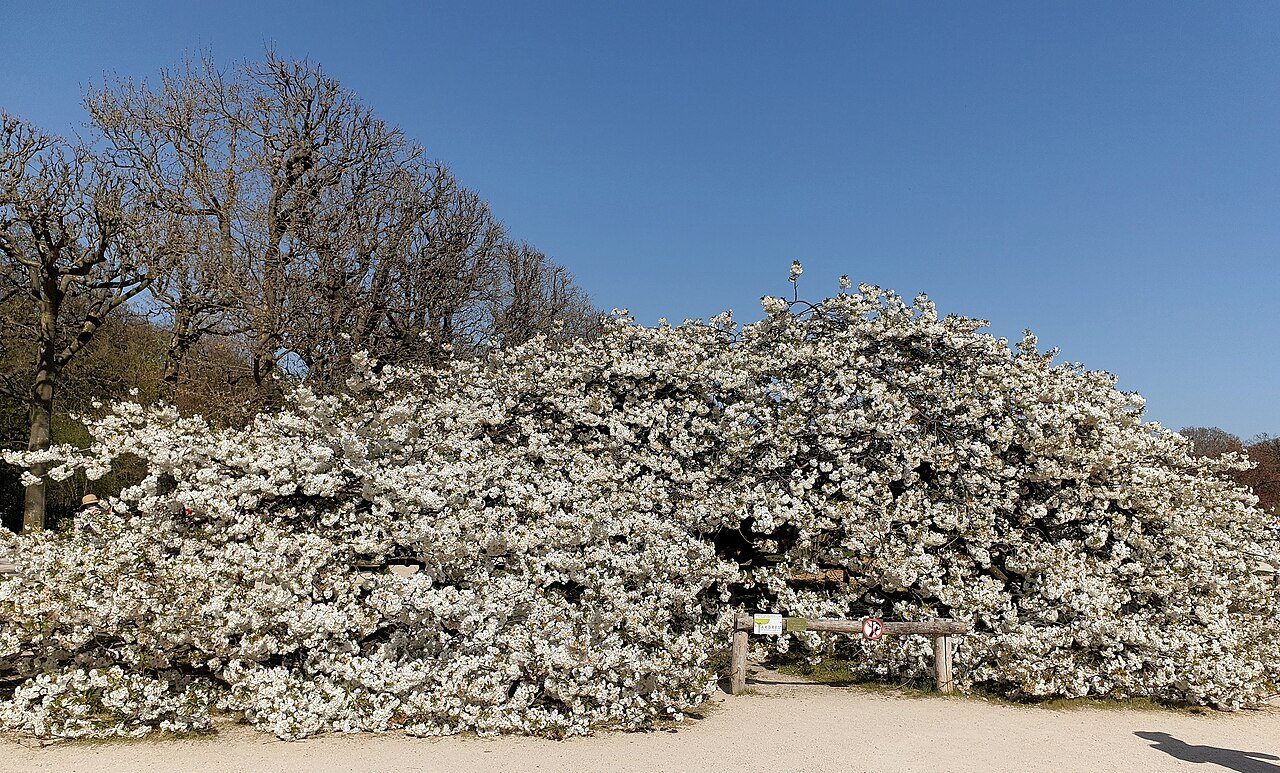
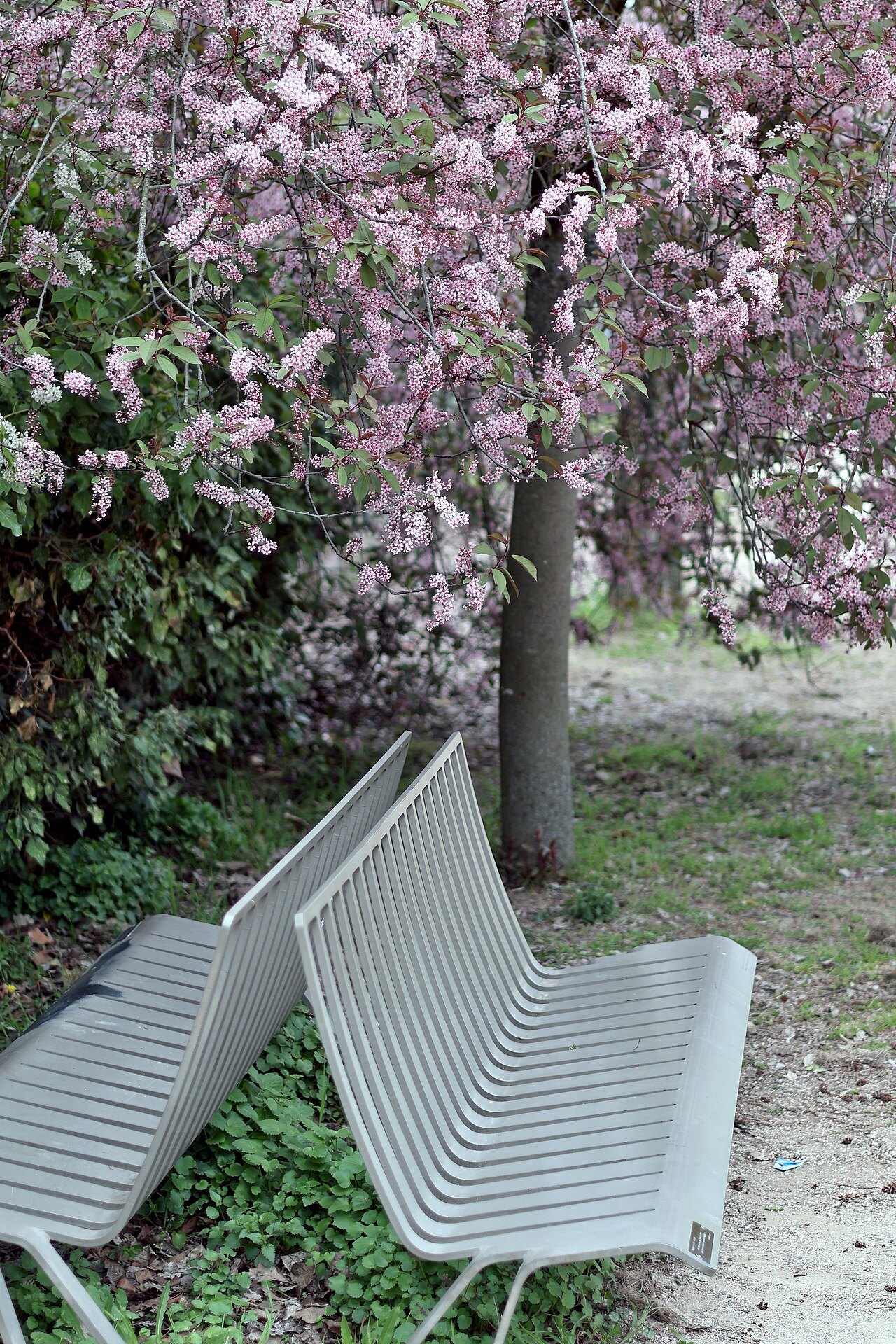
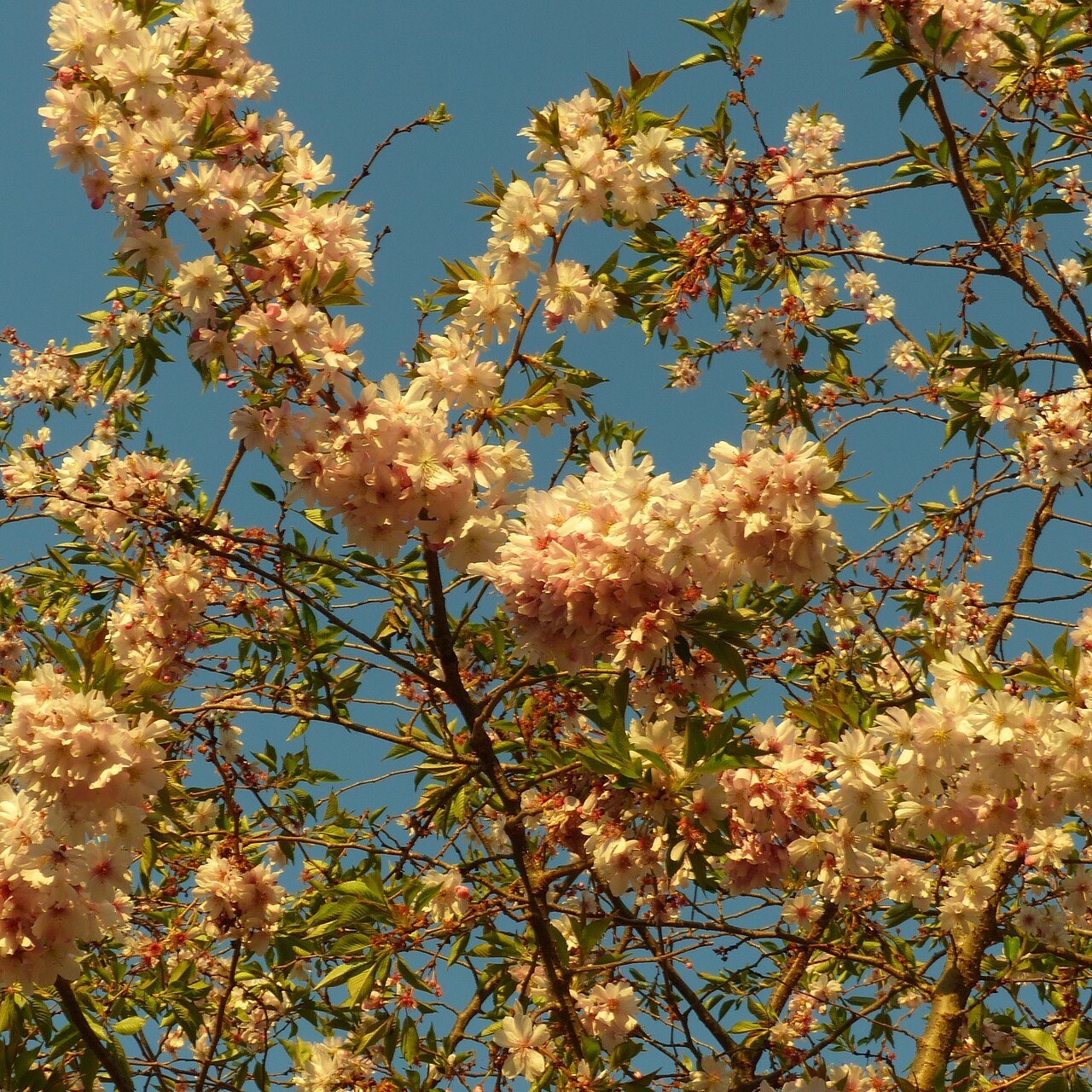
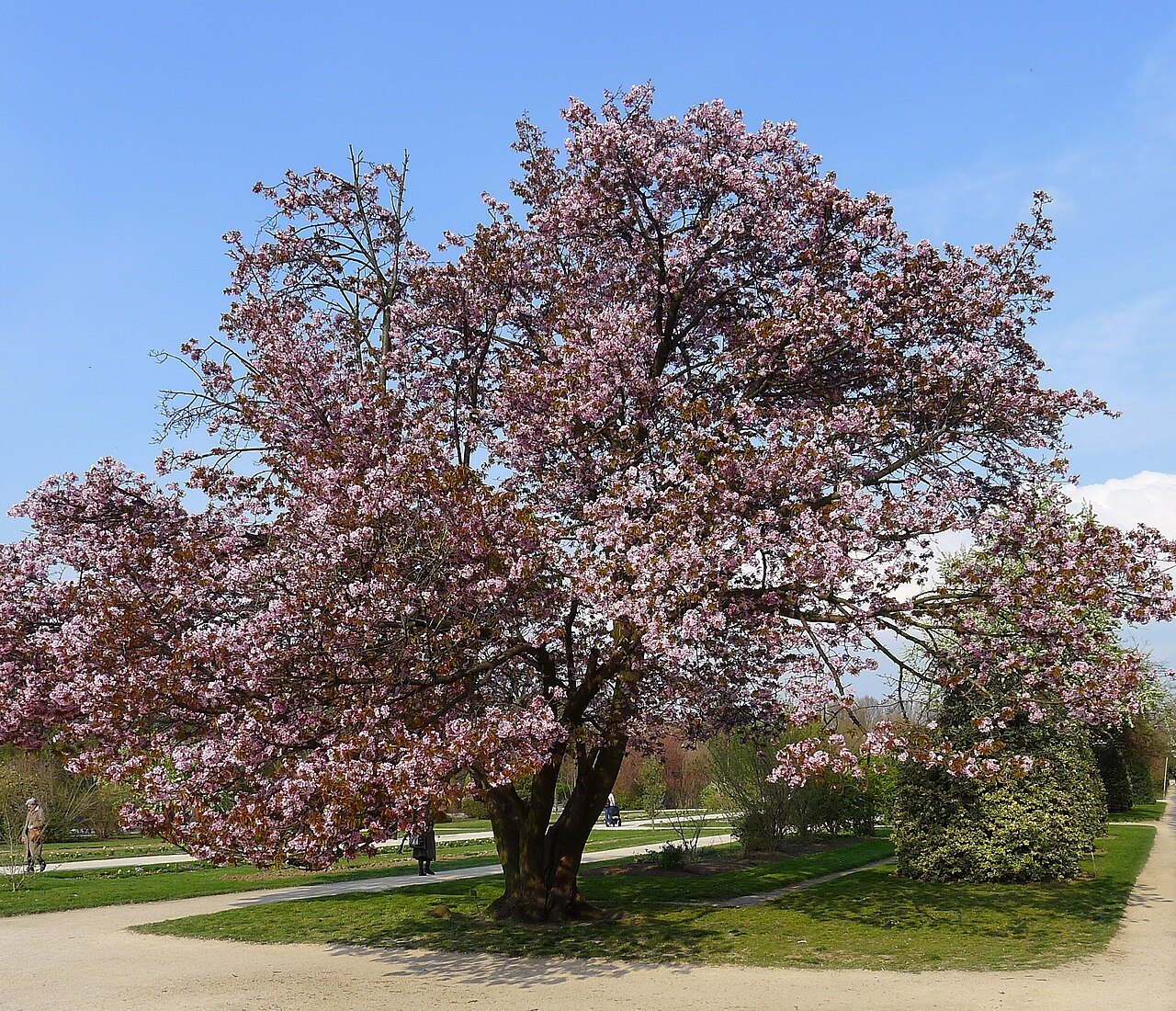
For many visitors, the best times are late spring and early fall. In April and May, the parks turn green and the café terraces fill; in September and October, the city returns to work after the summer, the weather is often still warm, and the light is soft. Both seasons can be unsettled, with warm days followed by cool, wet ones, so it pays to be flexible.
Two events are worth planning around. On the European Heritage Days, the Journées du Patrimoine, held on the third weekend of September since they began in France in 1984, many buildings normally closed to the public, from ministries to private town houses, open their doors. And in early October, Nuit Blanche, first held in Paris in 2002, keeps museums, galleries and art installations open through the night across the city.
Fall also brings the new season in the theaters, concert halls and opera houses, and the city's parks and gardens, from the Luxembourg to the Tuileries, turn gold and bronze under the chestnut and plane trees. See the sights for the gardens.
Winter
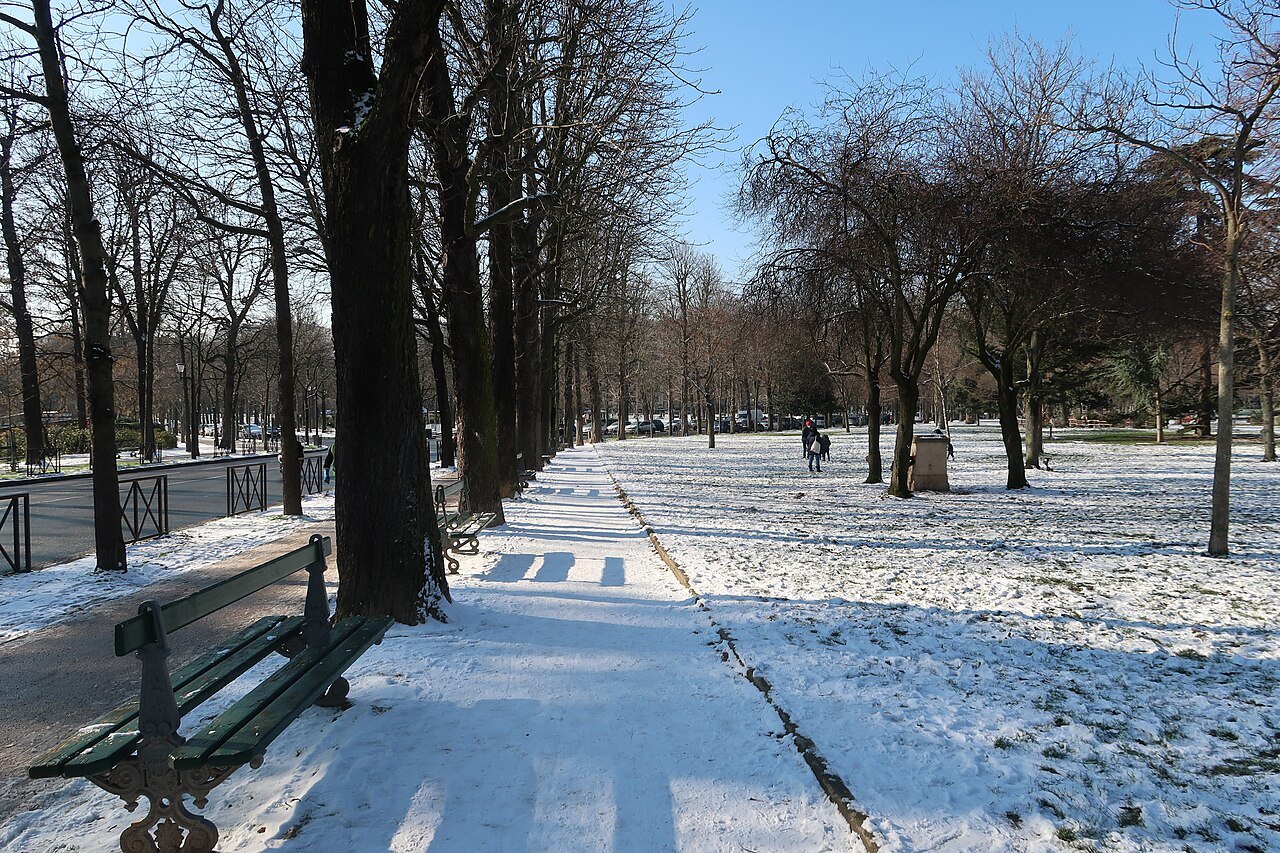
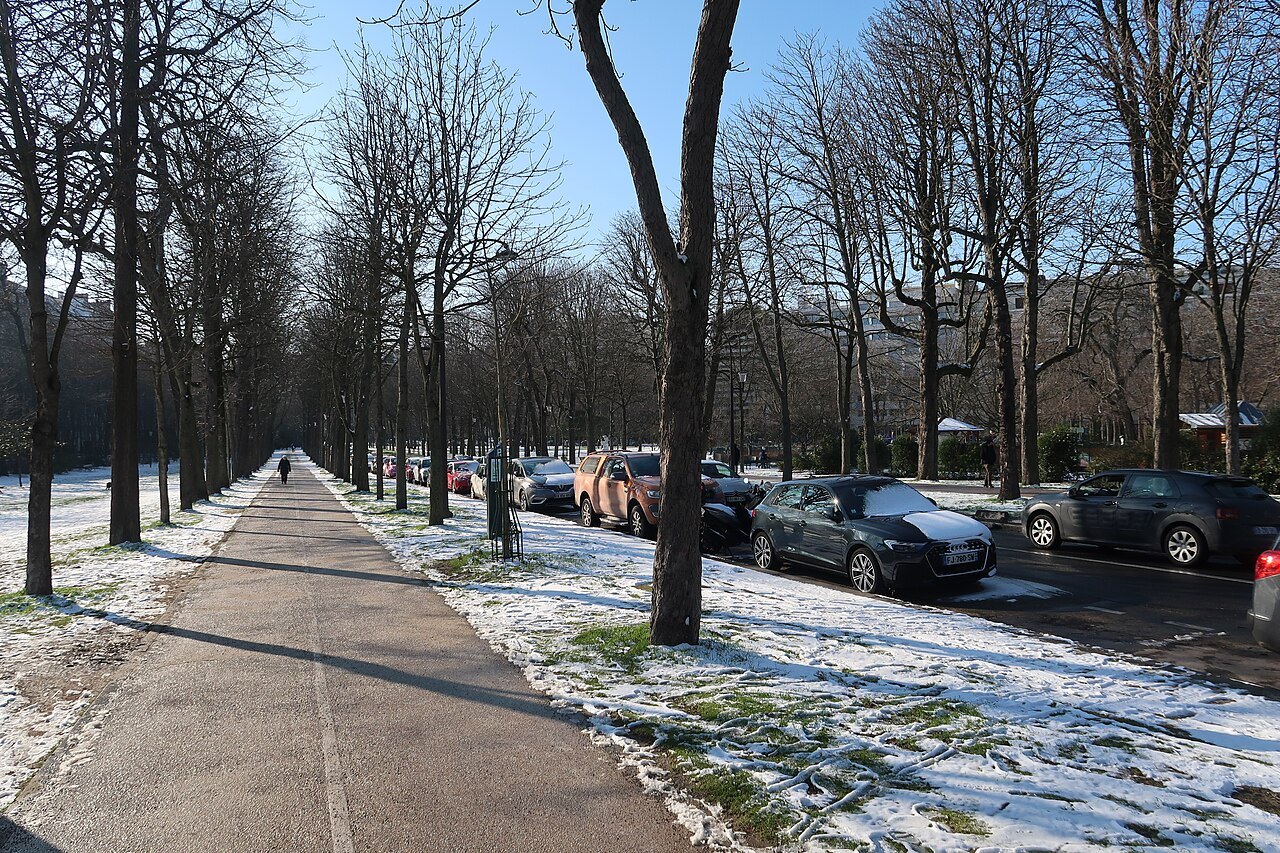
Winter in Paris is cool, damp and gray rather than harsh. Light night frosts are common, but the temperature rarely drops much below freezing, and not every year. Snow falls most years, most likely between December and March, but it rarely stays on the ground, melted by the warmth of the city.
In exchange, winter is the quietest season for visitors. The lines at the great museums are shorter, and the city's covered arcades, cafés and churches make good refuges on a cold afternoon. The days are short, so plan your outdoor sightseeing for the middle of the day.
Sport and the city's calendar
Some of the year's biggest events are sporting ones. The Paris Marathon, run since 1976 and among the largest in the world, is held on a Sunday in April with some fifty thousand runners: it starts on the Champs-Élysées, runs out to the Bois de Vincennes and back along the Seine, and finishes on the Avenue Foch. Roads along the route close for the morning, so check it if you are in the city that weekend.
The French Open, the tennis tournament known as Roland-Garros, begins in late May and runs for two weeks at the stadium of that name in the 16th arrondissement, beside the Bois de Boulogne. It is the second of the four Grand Slam tournaments each year, and the city fills with visitors for it.
From 1975 to 2023 the Tour de France finished every July on the Champs-Élysées. Paris Fashion Week takes place twice a year, with spring and fall collections, in venues across the city; in those weeks, and during the big trade fairs, hotels fill early.
Crowds and calendars
Paris is one of the most visited cities in the world, and the great sights are busy in every season; the difference between high and low season is one of degree. Crowds are heaviest from spring through the end of summer, at the school holidays and around Easter. If you travel then, book the things that sell out well ahead; see booking ahead.
Many museums close one day a week, and the day differs from museum to museum, so check before you plan a day around one. It is worth checking the city's calendar before fixing your dates. For how to arrive, see getting here.
Seen on the way
More photographs
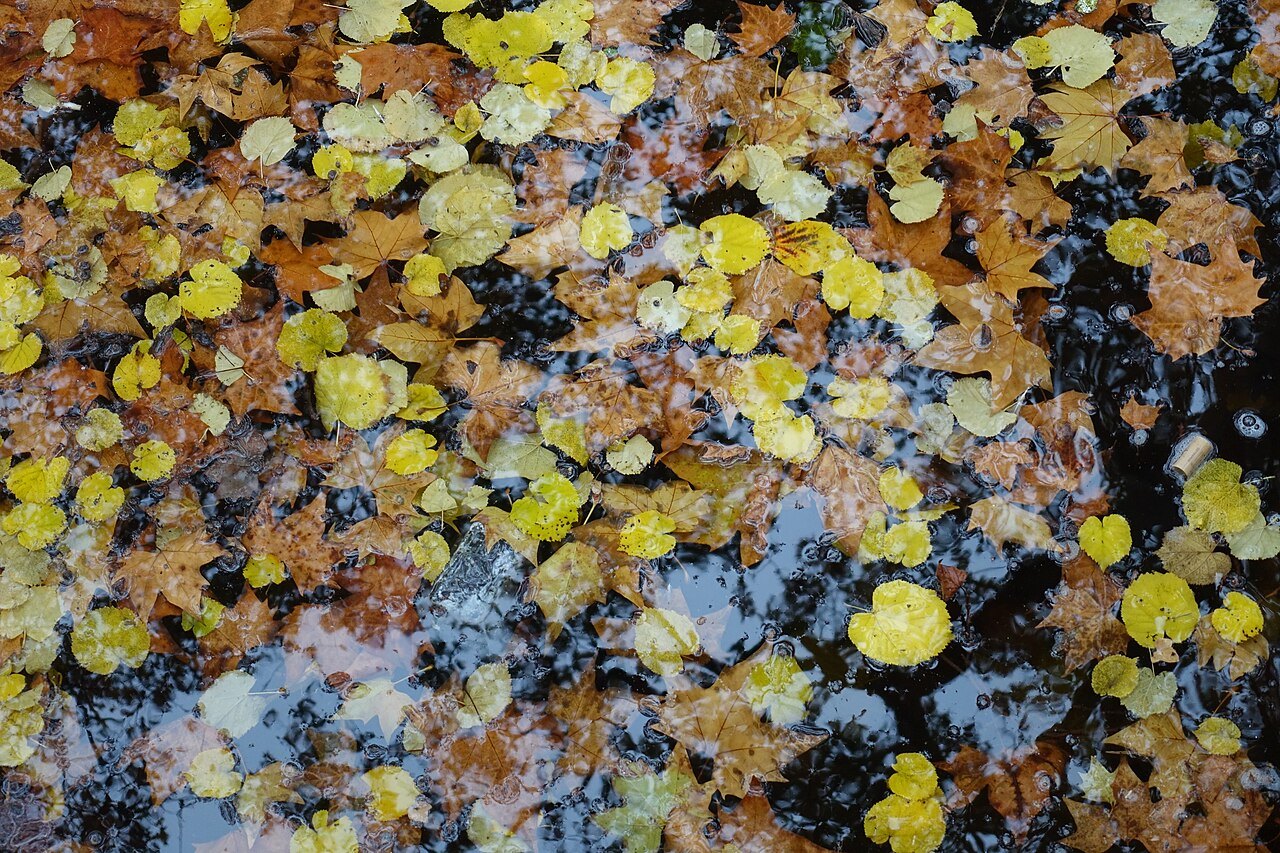
Yellow and brown autumn leaves floating on the pool of the Medici FountainGuilhem Vellut from Paris, France, Wikimedia Commons, CC BY 2.0