Orientation
Twenty districts, one river, two islands
A city on a river, wound in a spiral
Paris is the capital and largest city of France: about two million people on some 41 square miles, most of it an oval inside the ring road called the Boulevard Périphérique, with the woods of Boulogne and Vincennes on either side. The Seine runs through it from east to west, around the Île de la Cité and the Île Saint-Louis, and the river has a page of its own. Since 1860 the city has been divided into twenty arrondissements, numbered in a clockwise spiral that starts beside the Louvre — which is why the spiral is the first thing to learn. Two airports and six main railway stations bring you in (getting here); once inside you get around on foot and by the Métro. Each arrondissement has a character of its own, which is most of where to stay.
The Parisii, Lutetia and Haussmann
A Gallic people, the Parisii, lived here from around the middle of the third century BC, and a north–south trade route crossed the river on the Île de la Cité. Julius Caesar took the region in 52 BC and the Roman town of Lutetia grew on the Left Bank. Clovis made the city his capital in 508; the cathedral of Notre-Dame was begun in 1163; Henry IV built the Pont Neuf and the Place Royale. Between 1853 and 1870 the prefect Georges-Eugène Haussmann cut the wide boulevards that shape most of what you see today. Begin with the sights; the palaces and gardens beyond the ring road are day trips.
The weather, the table and the tickets
The climate is oceanic, with cool winters, warm summers and light rain spread through the year (when to come). The tower's summit, the great museums and the Opéra are the things to book (booking ahead). The city eats from the bakery, the café and the covered market (eating and drinking), and there is an itinerary for every length of stay.
- Notre-Dame de Paris
- The Sainte-Chapelle and the Conciergerie
- The Louvre
- The Tuileries, the Orangerie and the Place de la Concorde
- The Place des Vosges and the Marais
- The Panthéon
- The Luxembourg Gardens
- Saint-Germain-des-Prés
- The Musée d'Orsay
- The Musée Rodin
- Les Invalides
- The Eiffel Tower
- The Arc de Triomphe and the Champs-Élysées
- The Grand Palais, the Petit Palais and the Pont Alexandre III
- The Palais Garnier
- The Canal Saint-Martin
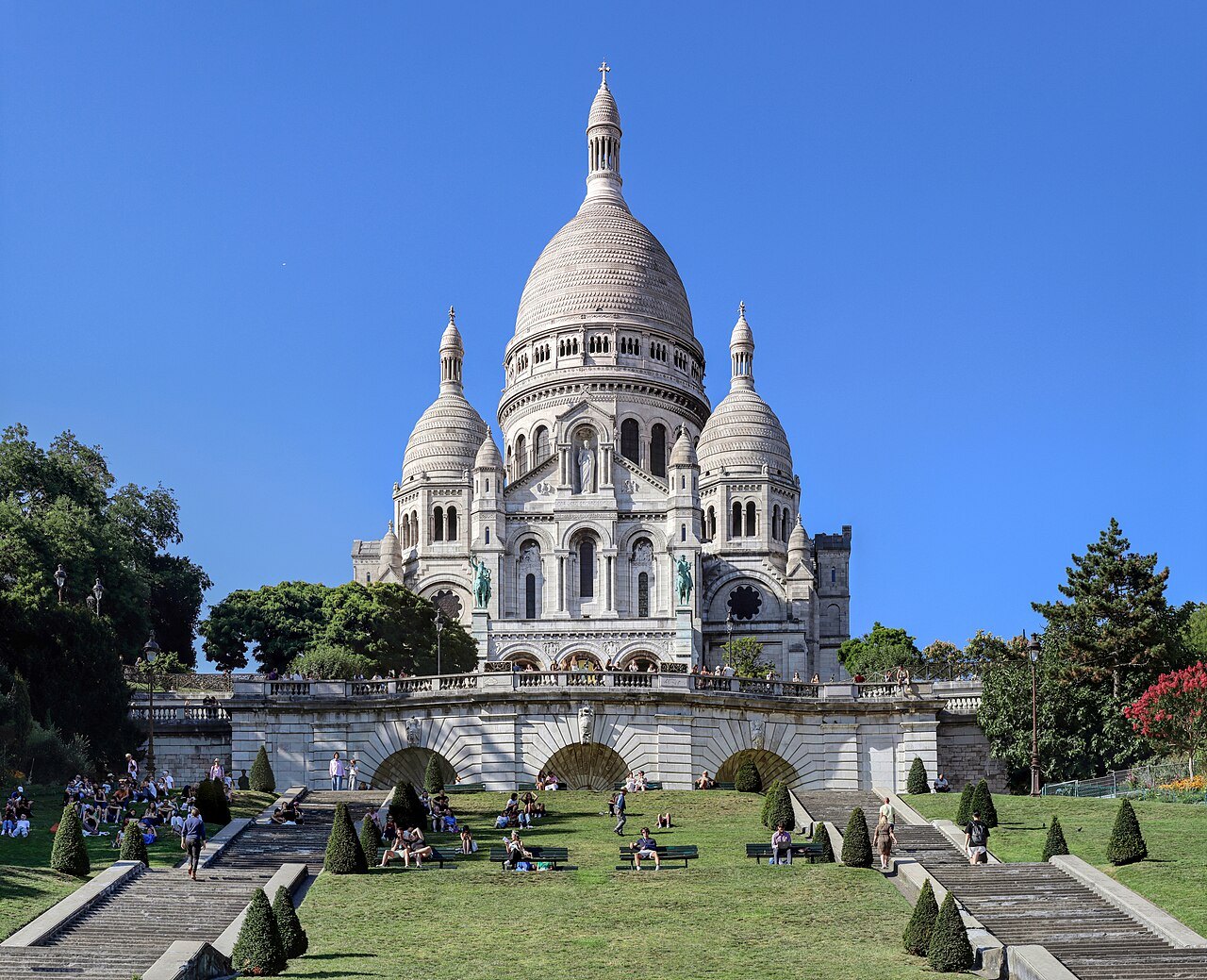
- Sacré-Cœur and Montmartre
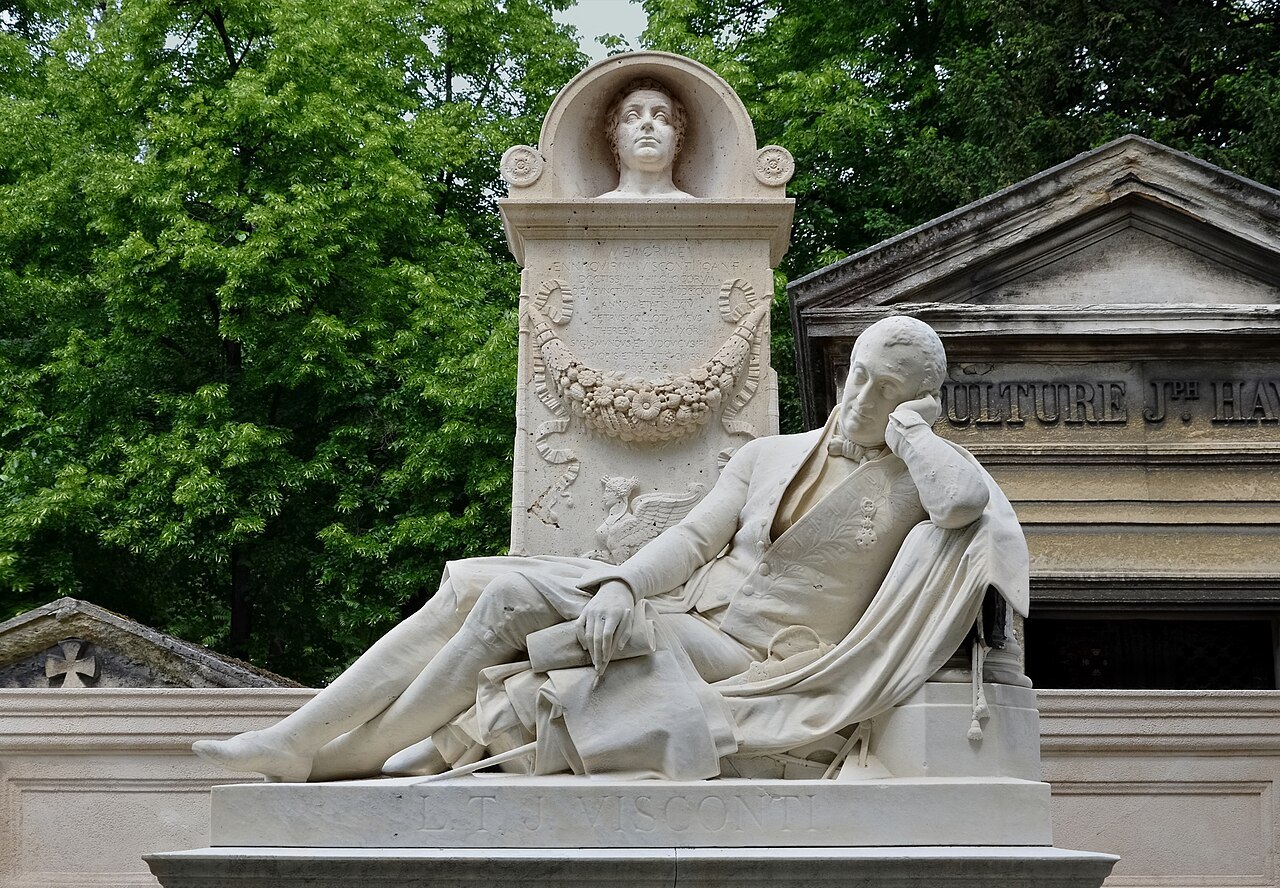
- Père Lachaise Cemetery
Along the river
A walk through the city
Downstream along the Seine, from the island where Paris began to the square where the Champs-Élysées begins: six stops, two islands, one palace and a garden.
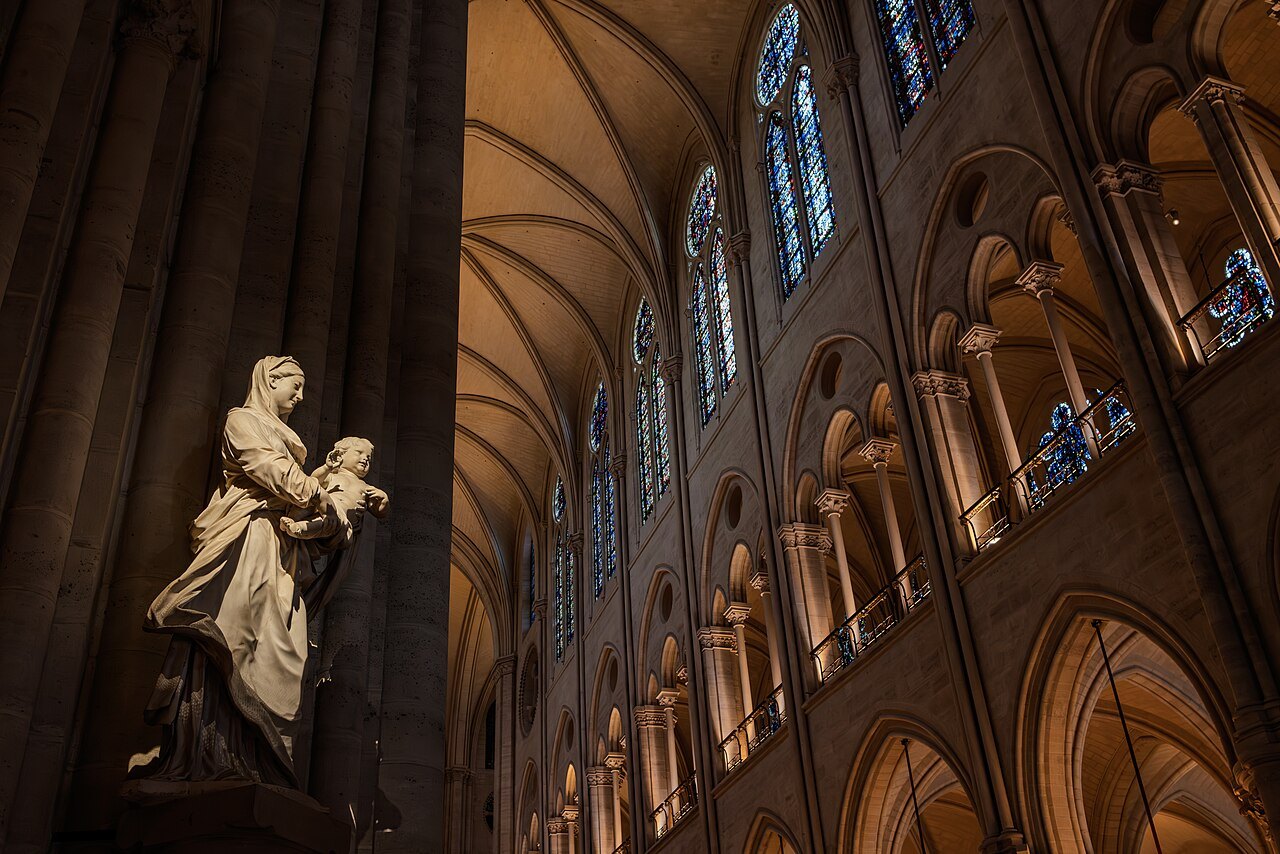
Inside Notre-Dame: a statue of the Virgin and Child against a pillar, the nave's arcades and high windows behindThe wub, Wikimedia Commons, CC BY-SA 4.0 The cathedral on the island
Start on the Île de la Cité, where a trade route crossed the river before there was a city. Notre-Dame was begun here in 1163; a fire closed it in April 2019, and after five years of rebuilding it reopened in December 2024.
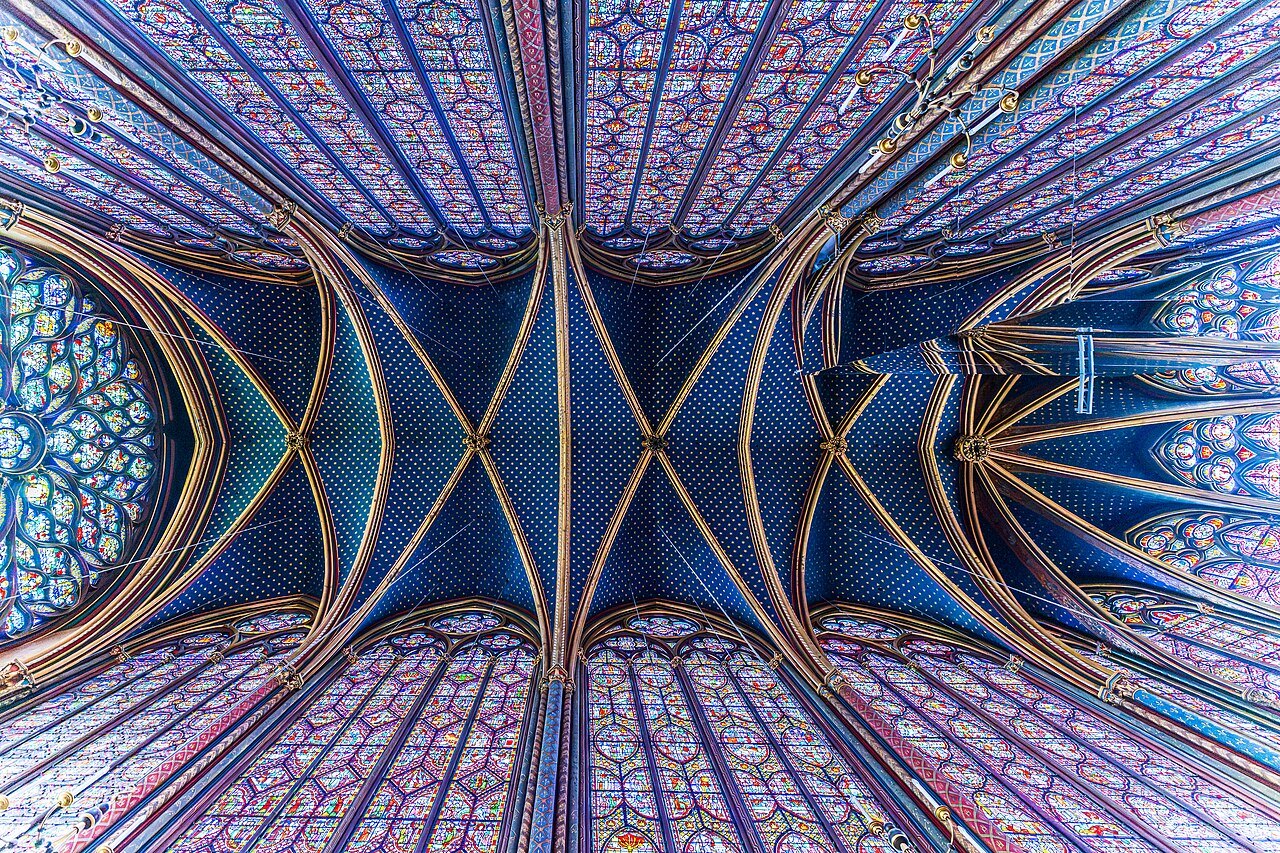
The upper chapel, walled in stained glassMatthias_Süßen, Wikimedia Commons, CC BY-SA 4.0 The royal chapel in the courthouse
A few minutes west, inside the walls of the old royal palace, the Sainte-Chapelle was consecrated in 1248 to hold the relics of the Passion collected by Louis IX. Its upper chapel is walled almost entirely in stained glass, fifteen great windows of the mid-thirteenth century.
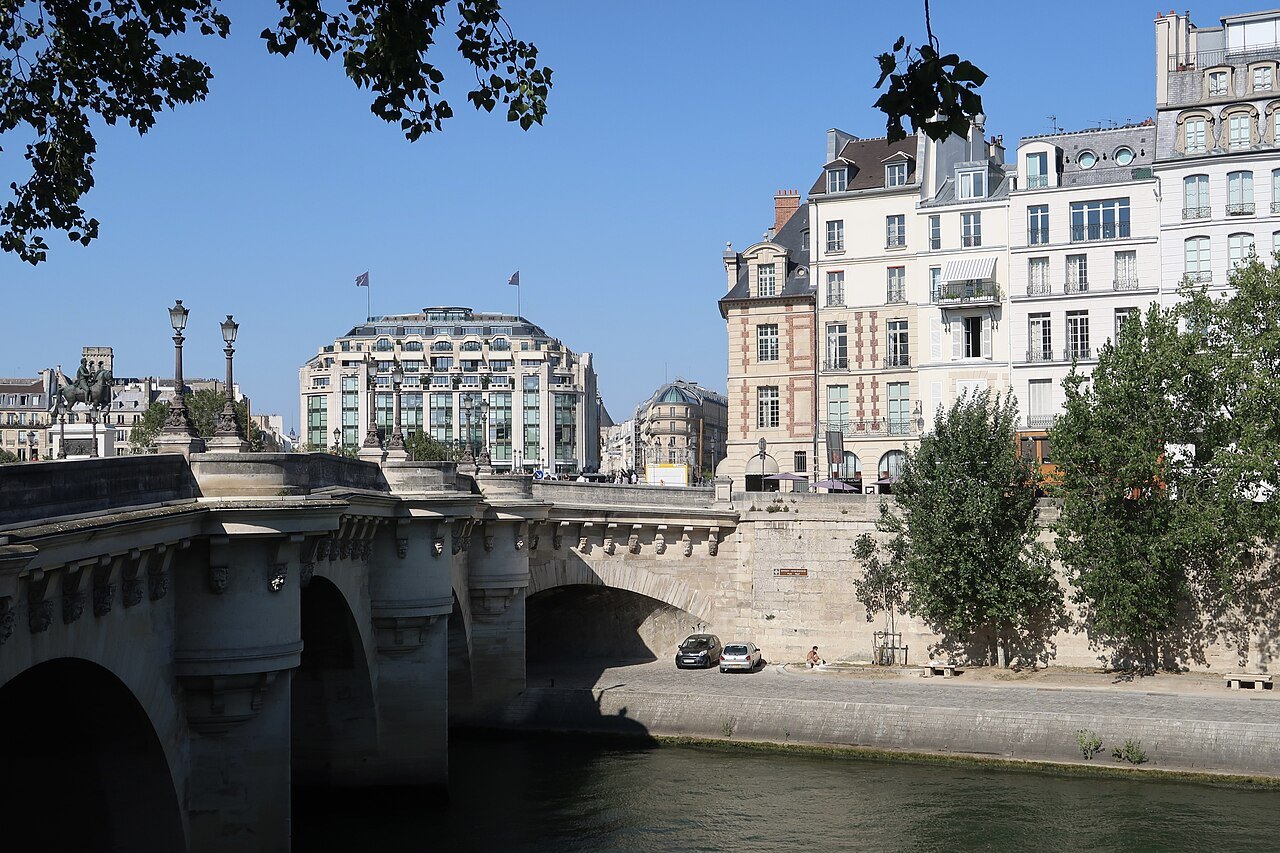
The Pont Neuf from the Quai des Orfèvres, La Samaritaine beyondPolymagou, Wikimedia Commons, CC BY-SA 4.0 The oldest bridge, called the new one
At the island's western tip the Pont Neuf crosses both arms of the river. Its name means the new bridge, yet it is the oldest standing bridge across the Seine in Paris, begun in 1578 and completed under Henry IV. The river has thirty-seven bridges inside the city (the Seine).
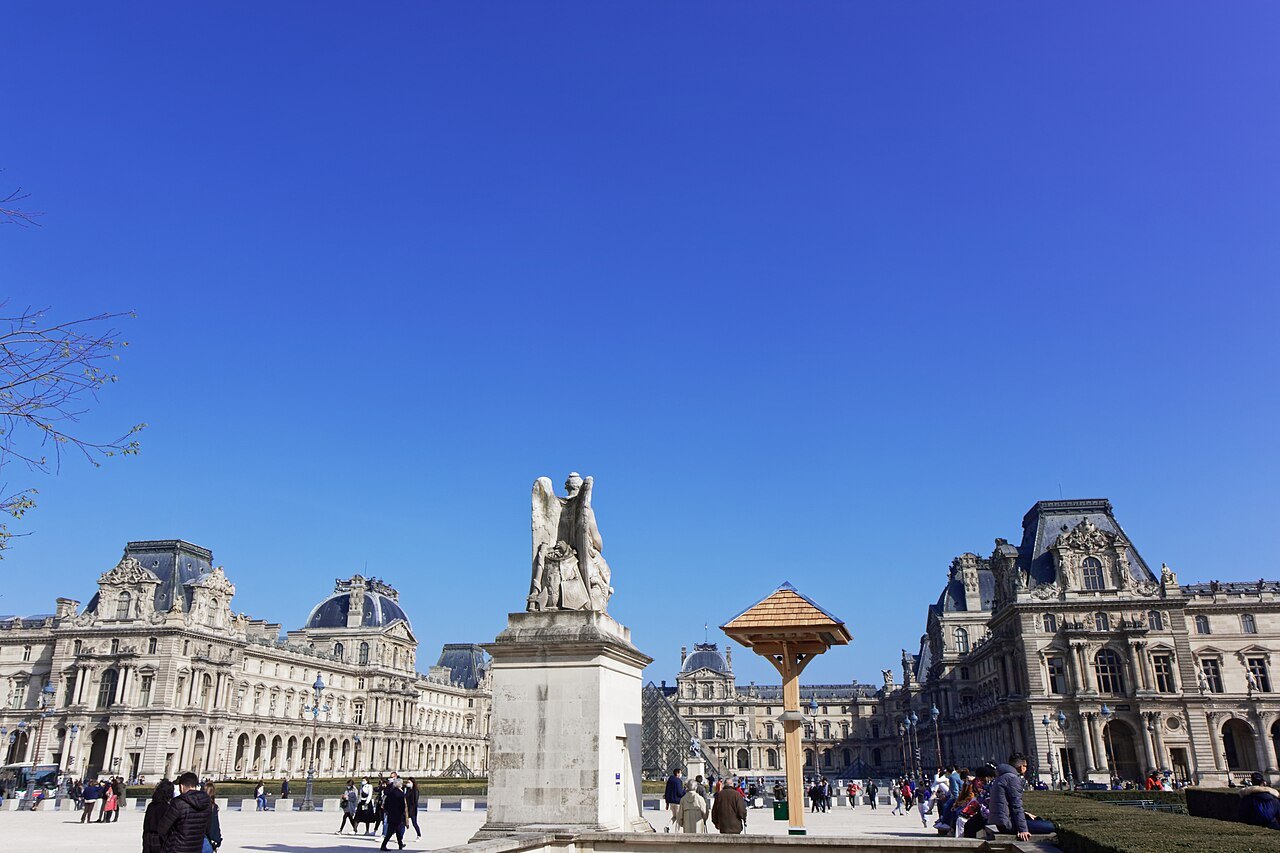
The Louvre's pavilions around the Place du Carrousel, with a statue on its plinth and a small birdhouse sculpture on a poleThesupermat, Wikimedia Commons, CC BY-SA 4.0 The palace on the Right Bank
Cross to the Right Bank and the Louvre: a fortress under Philip Augustus, a royal residence from 1546, a museum since the Revolution. The glass pyramid in its main courtyard was finished in 1989.
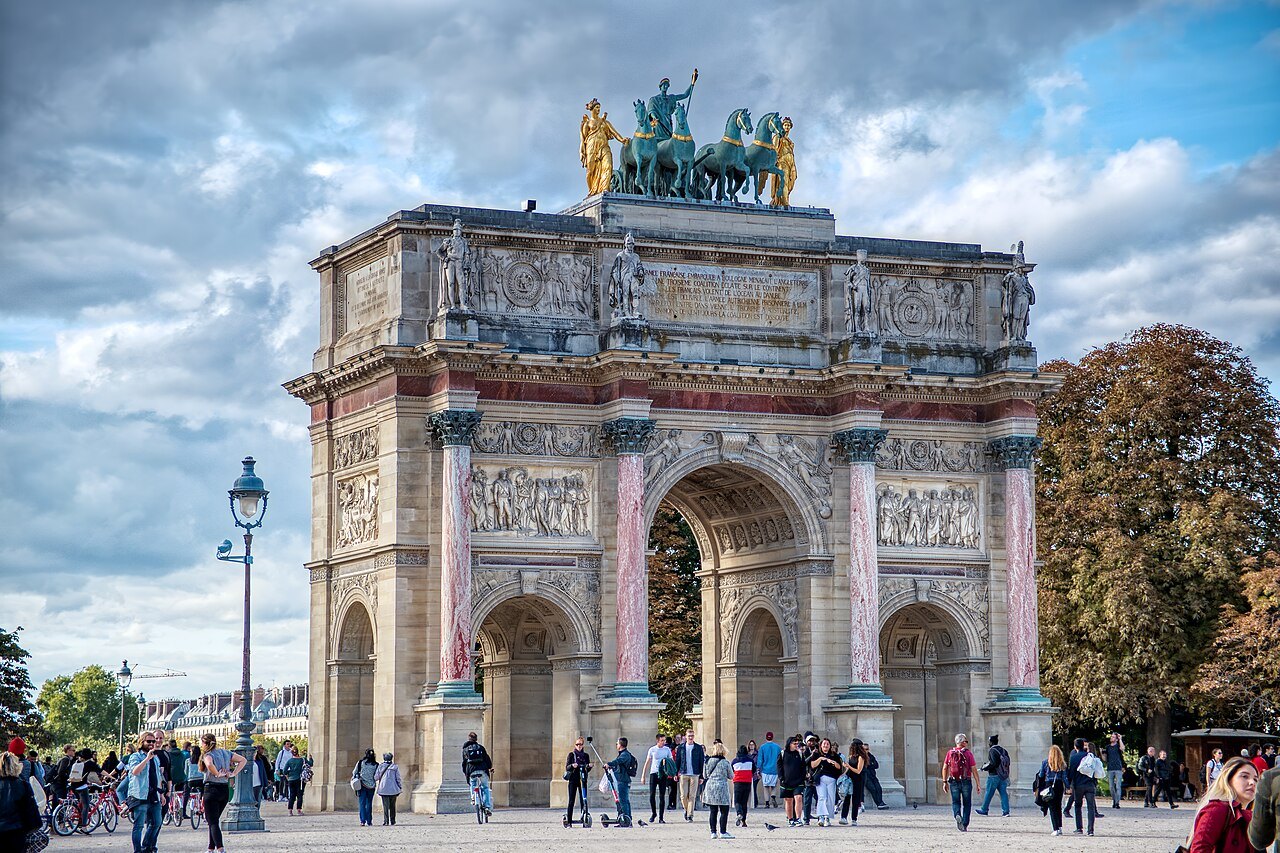
The Arc de Triomphe du Carrousel from the Louvre side, its bronze chariot on top, with visitors crossing the squareDanyel SALVADOR, Wikimedia Commons, CC BY-SA 4.0 The queen's garden
West of the palace lies the Tuileries Garden, created for Catherine de' Medici in 1564 and opened to the public in 1667: 63 acres between the palace and the Place de la Concorde.
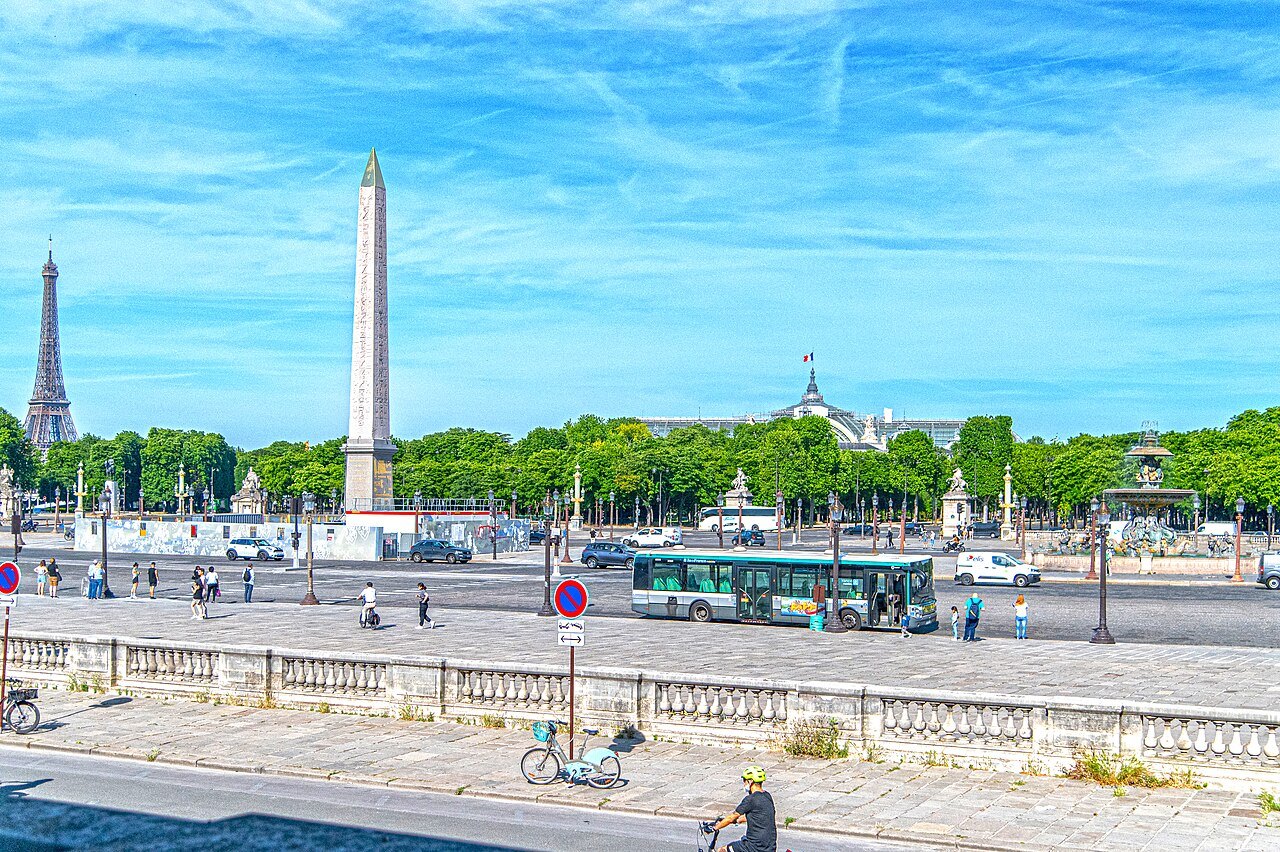
The Place de la Concorde and the obelisk of Luxor, the Eiffel Tower on the leftMichael Gaylard from Horsham, UK, Wikimedia Commons, CC BY 2.0 The square at the foot of the avenue
Finish at the Place de la Concorde, the largest square in the city, with the Egyptian obelisk of Luxor at its center. From here the Champs-Élysées runs west to the Arc de Triomphe.
Before you go
Three things to know first
- ArrivingTwo airports, six stations.
Charles de Gaulle lies about fourteen miles northeast of the center and Orly to the south. By train you arrive at one of six main-line stations around the center.
Getting here → - The streetsTwenty districts, one spiral.
The arrondissements are numbered clockwise from the Louvre, and the last two digits of a postcode tell you which one you are in. The Métro has sixteen lines and more than three hundred stations.
Getting around → - The calendarA mild city, rarely extreme.
Summers are warm and winters cool, with nights generally above freezing; snow is most likely between December and March but seldom lasts. Rain falls lightly throughout the year, sometimes in sudden heavy showers.
When to come →
France · Île-de-FranceAbout two million peopleFrenchEuroThe Parisii, 3rd century BCTwenty arrondissements since 1860
Eleven parts and a journal
The parts of this guide
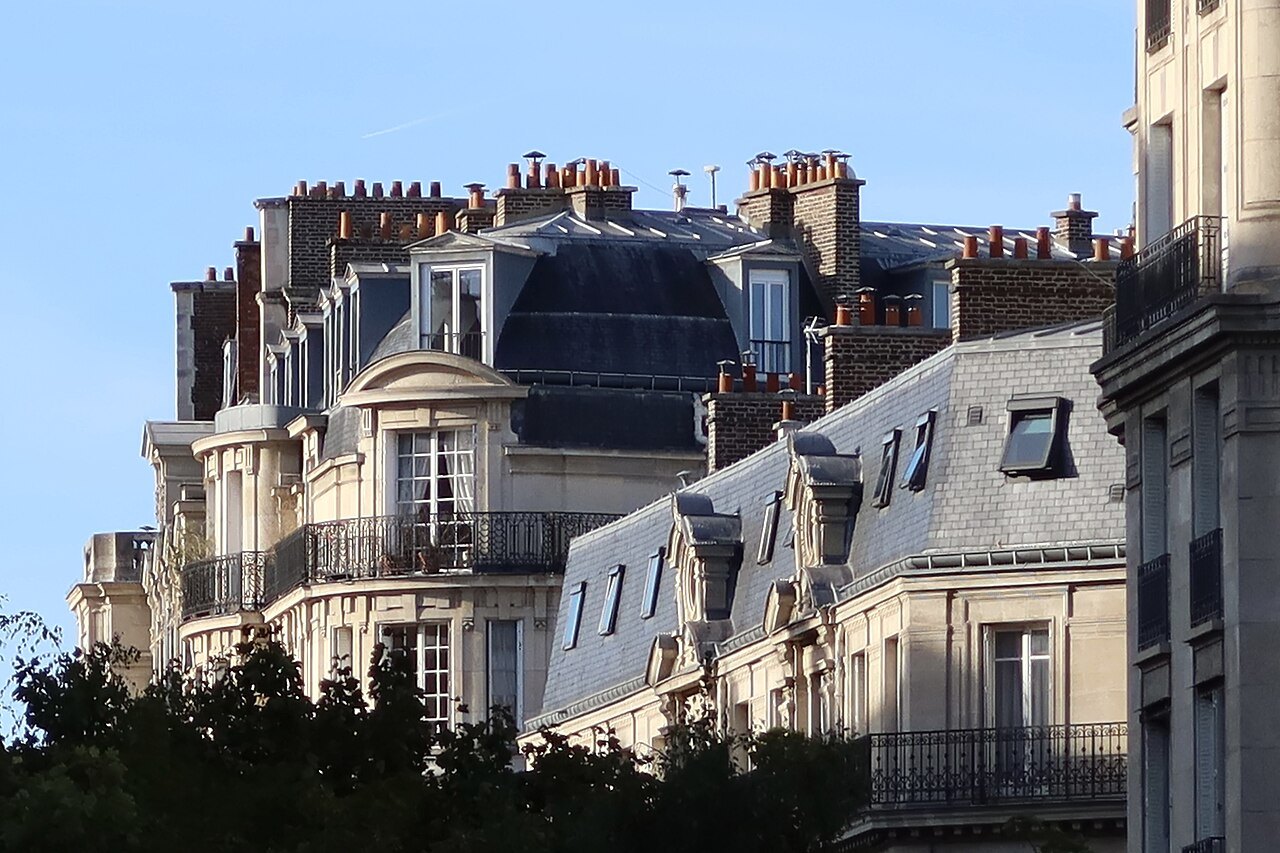 Eighteen places, one page eachThe SightsFrom the islands to the eastern hills: what each one is, what you see there, and which arrondissement it stands in.
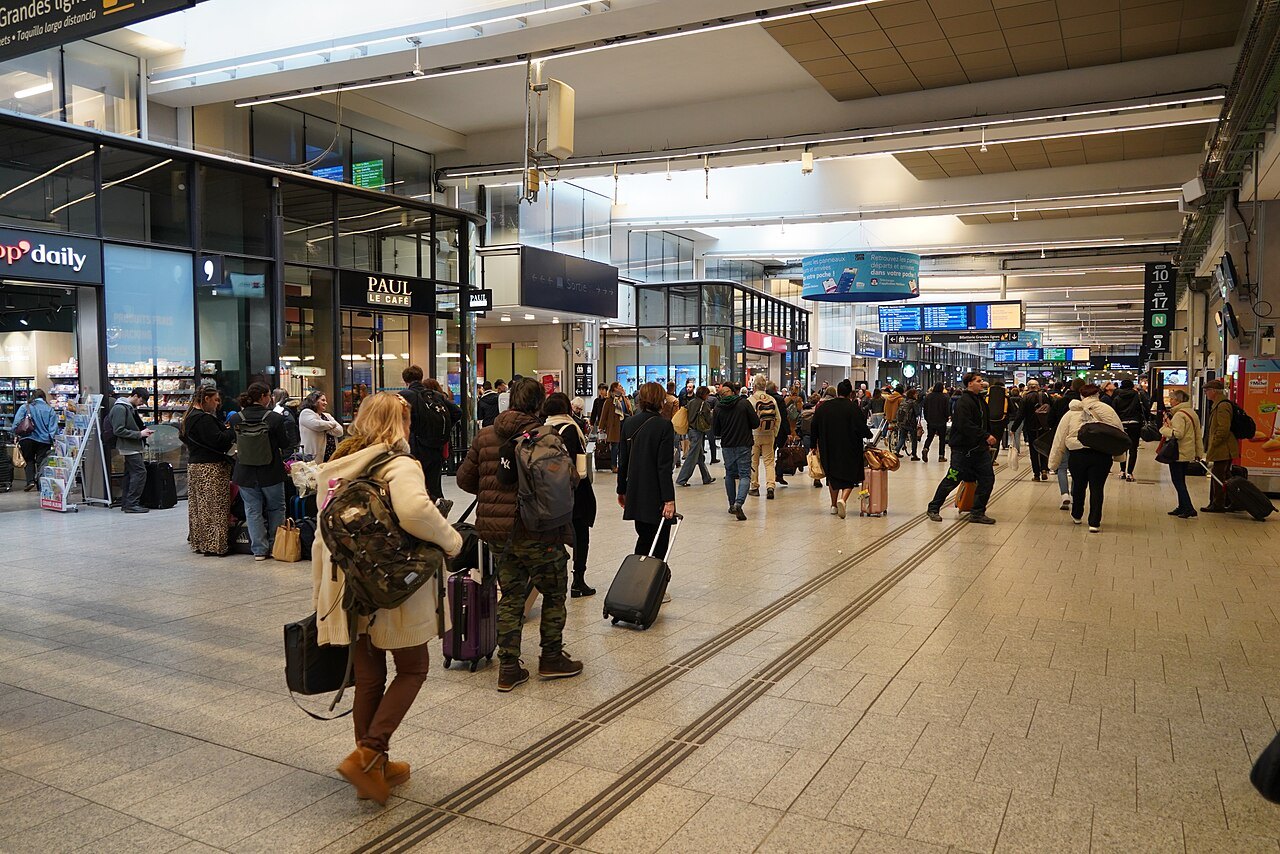 Two airports and six great stationsGetting HereCharles de Gaulle to the northeast, Orly to the south, and six main-line stations — which to use, and how each reaches the center.
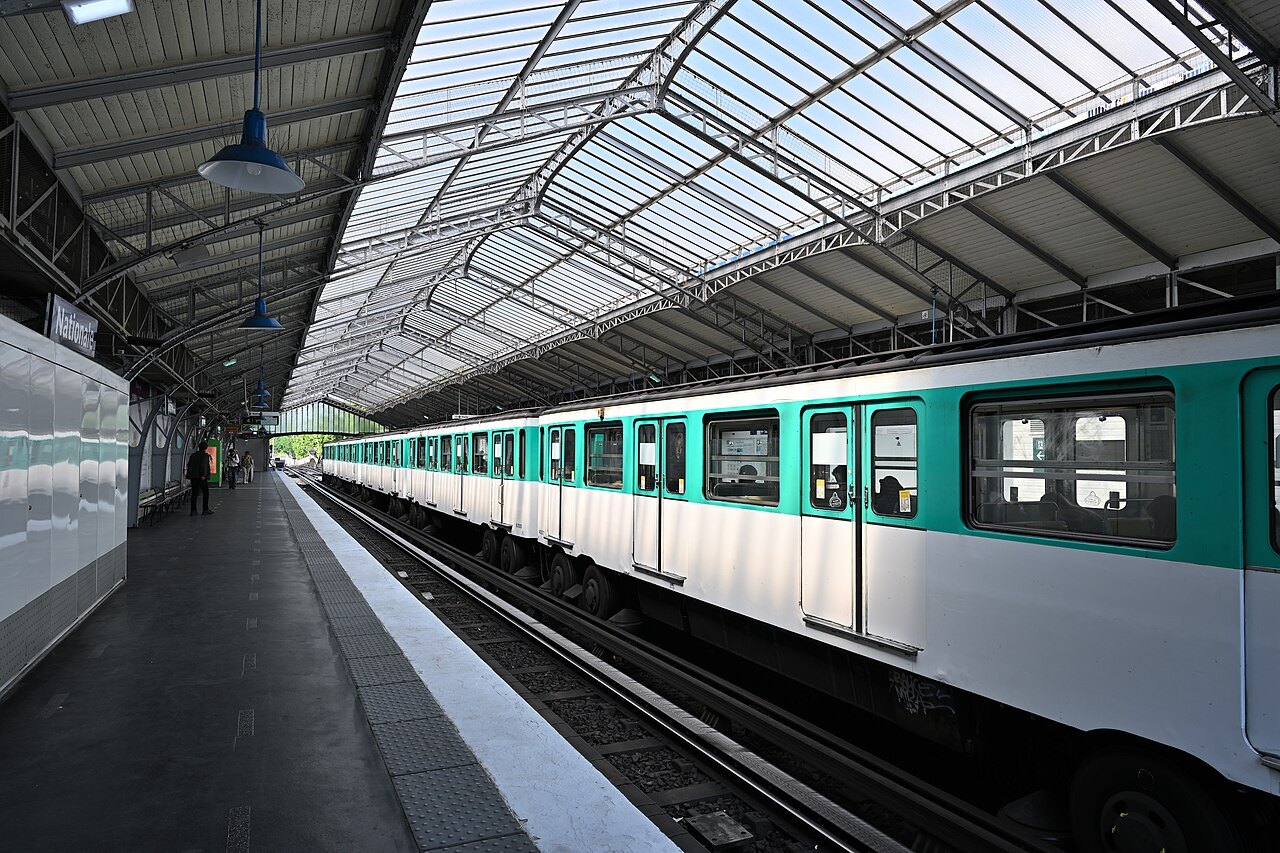 The Métro, the RER, the buses and your feetGetting AroundSixteen Métro lines and more than three hundred stations, the regional RER, buses, bicycles, the boats on the river, and walking, which is how most of the center is seen.
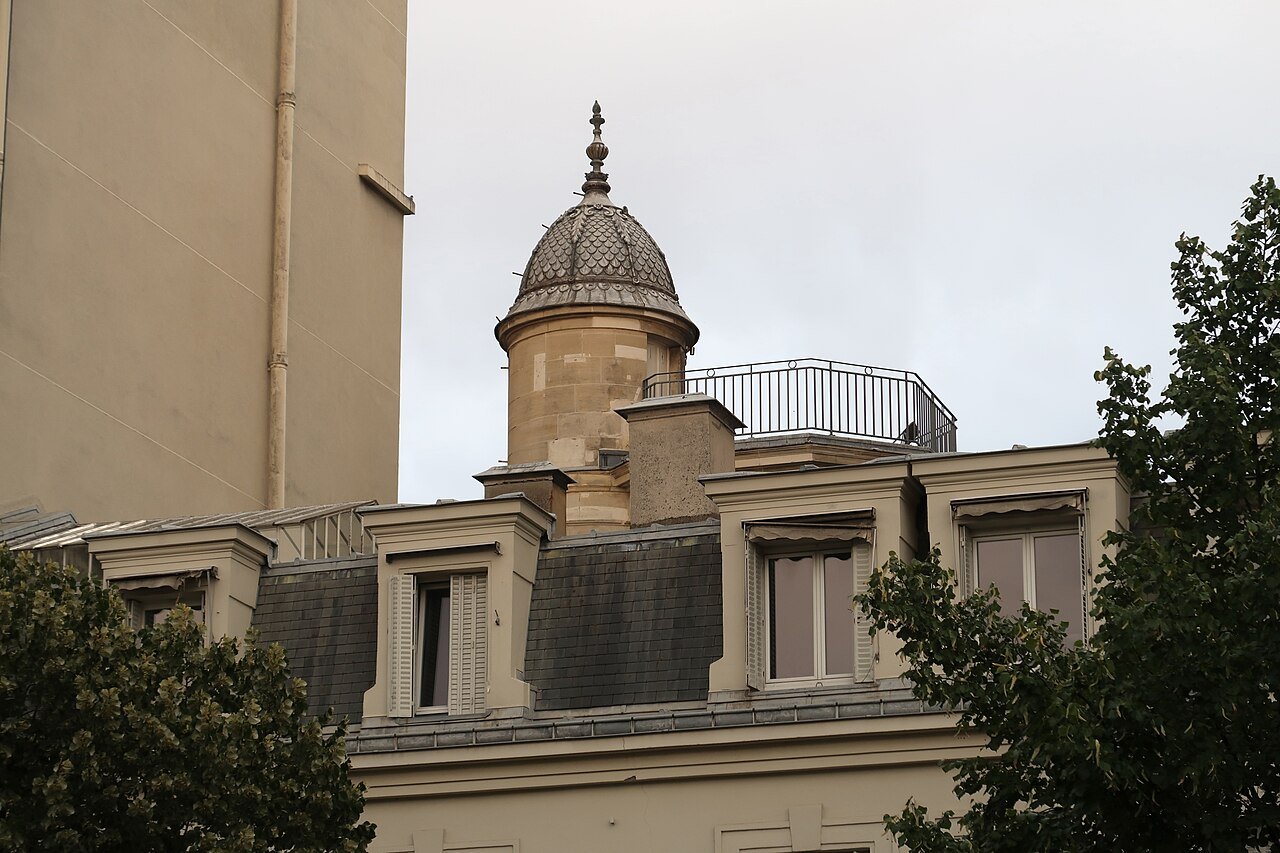 How to read an addressThe SpiralTwenty numbered districts wound clockwise from the Louvre, the postcode that tells you which one, and what changes from the first to the twentieth.
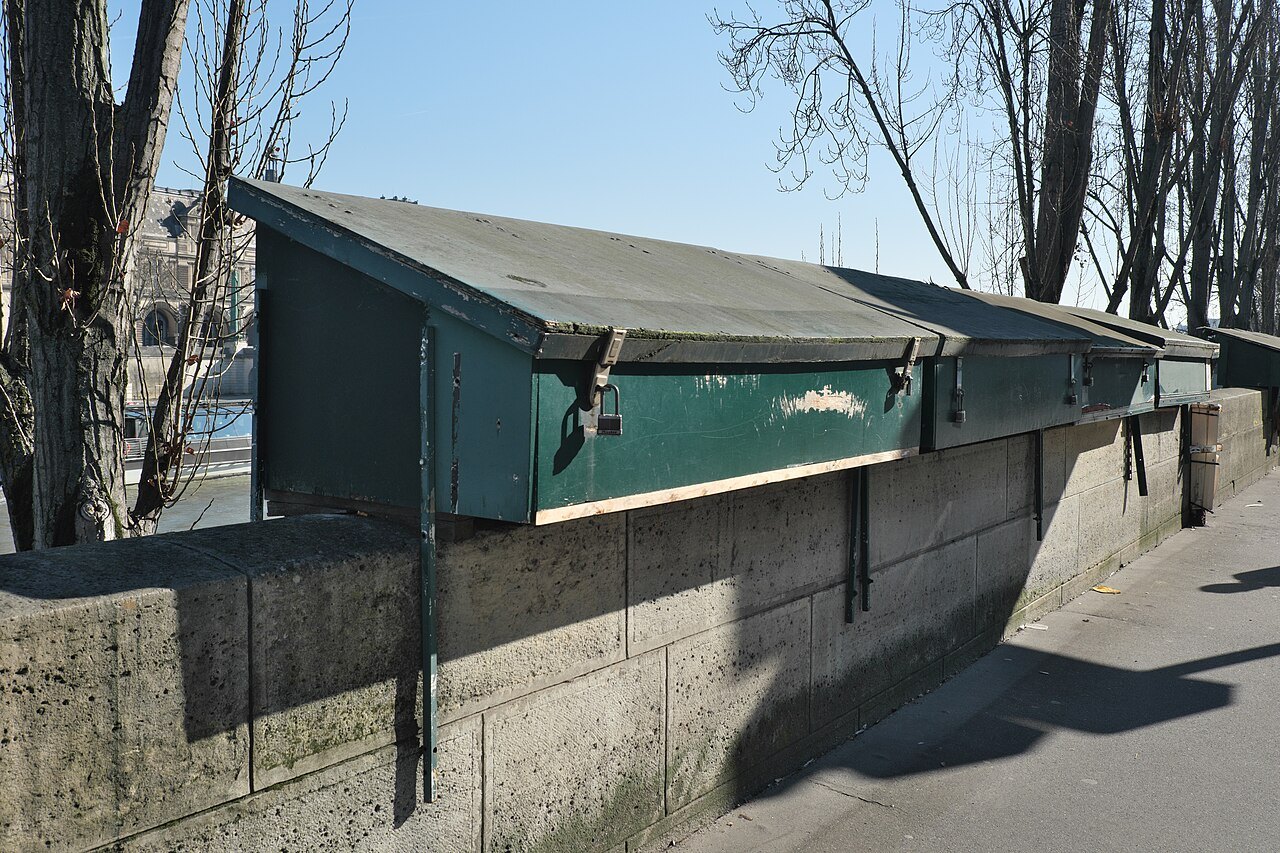 Thirty-seven bridges and two islandsThe SeineThe river that made the city: the banks listed as a World Heritage Site, the islands, the quays, the bookstalls and the bridges from the Pont Neuf to the Pont Alexandre III.
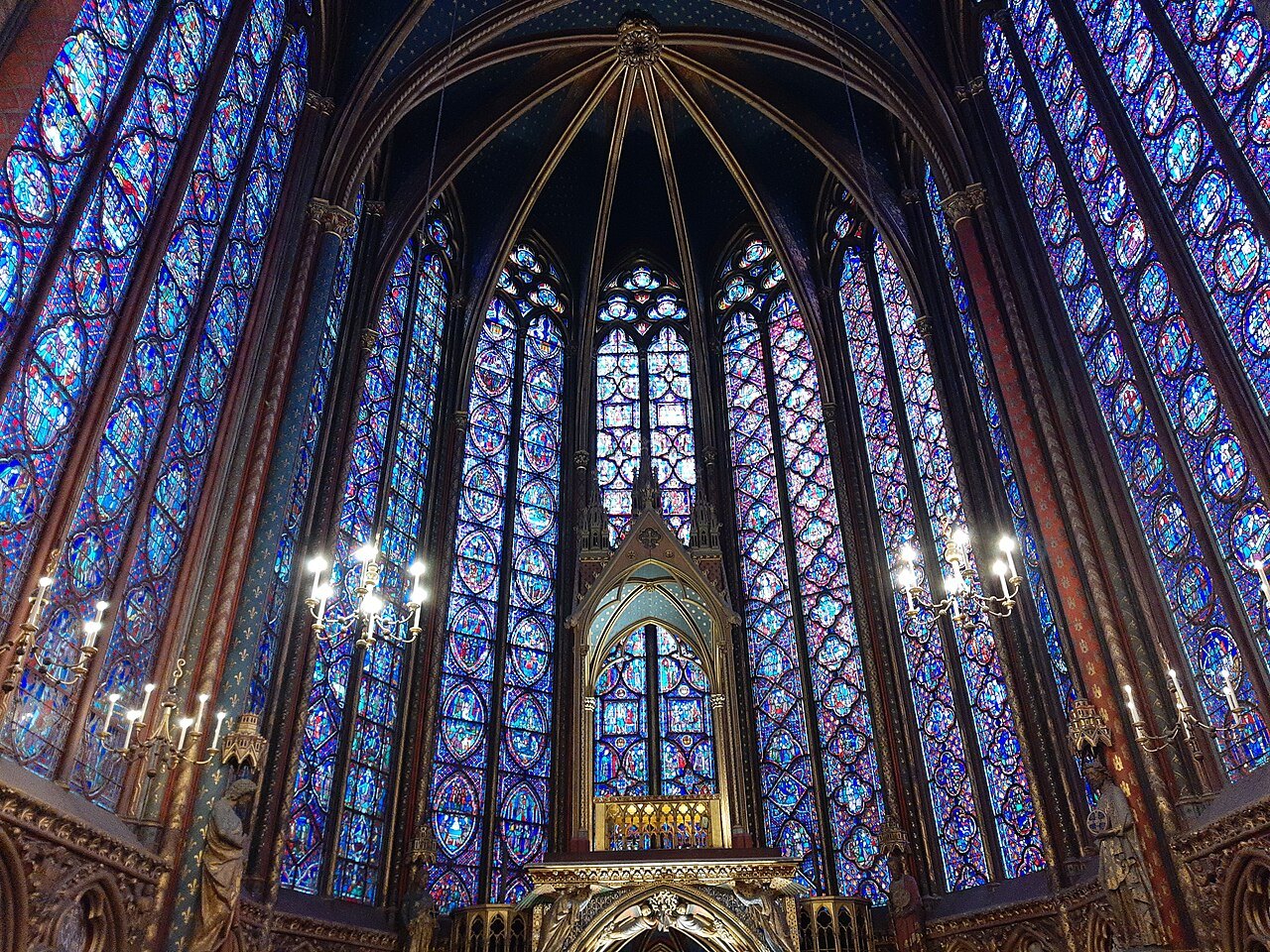 The summit, the museums and the curtainBooking AheadWhat sells out: the tower's summit, timed entry at the great museums, the Opéra and the Sainte-Chapelle — and what never needs a ticket.
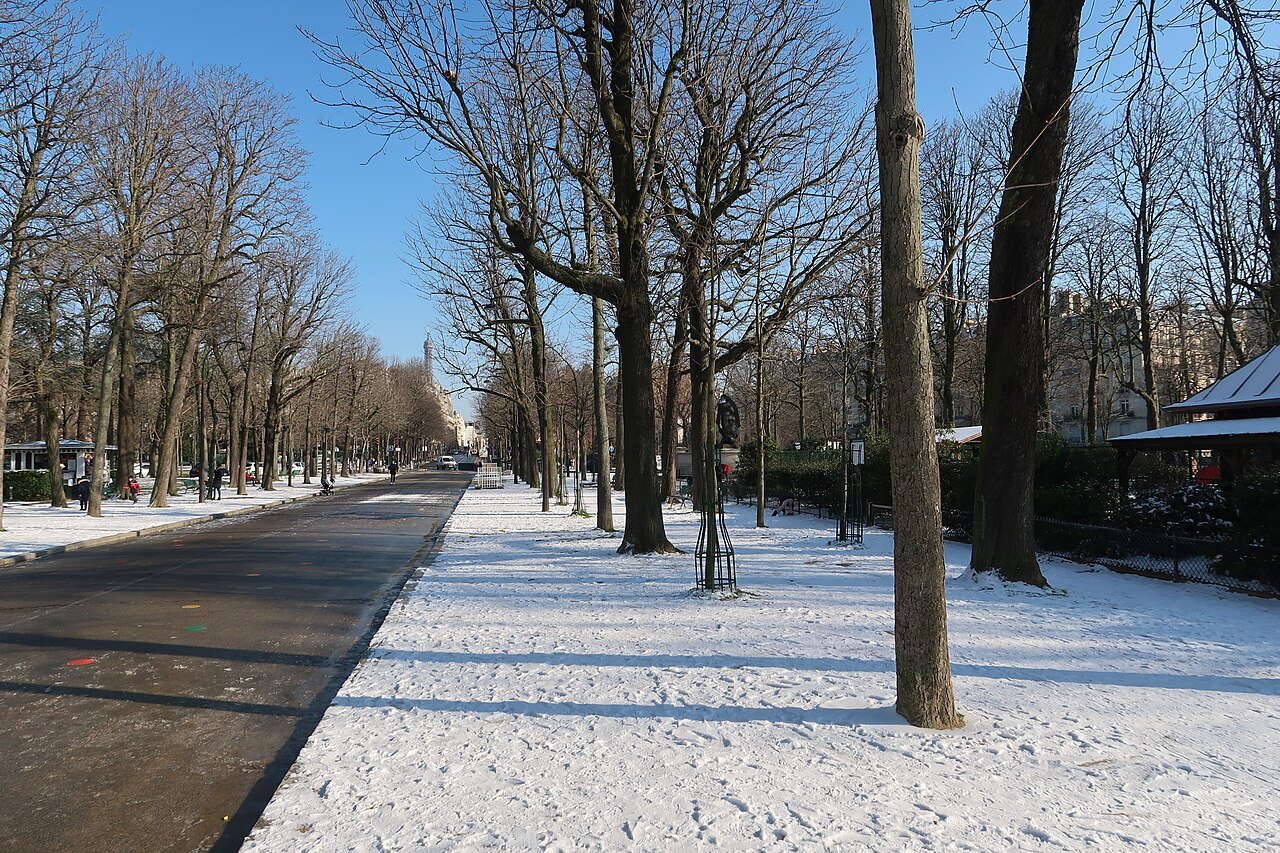 Warm summers, cool winters, changeable seasons betweenWhen to ComeAn oceanic climate: summers warm with rare heat waves, winters cool and gray, spring and fall mild but unsettled, and rain spread across the whole year.
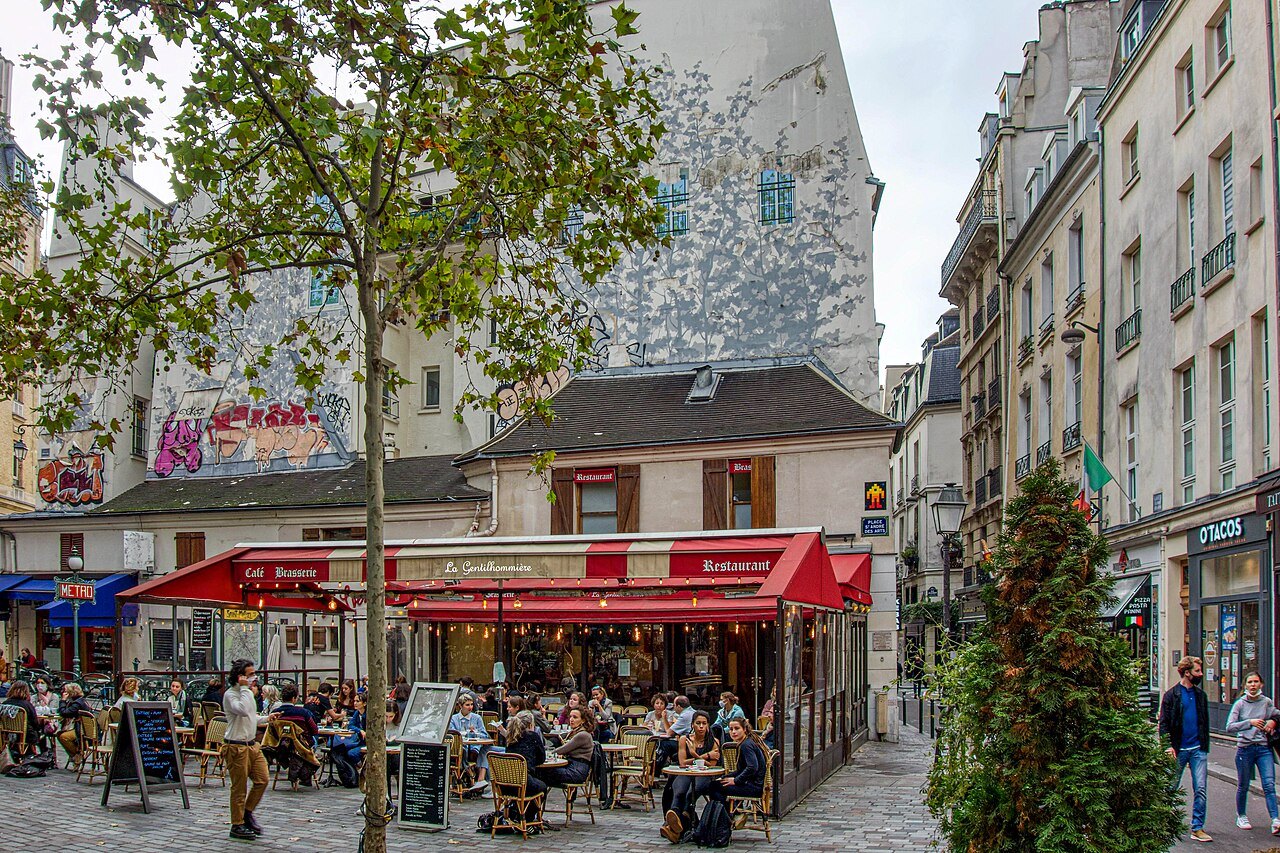 What the city put on the tableEating & DrinkingThe baguette and the croissant, the café and the brasserie, the covered markets and the bouillon — where each comes from and how Paris eats them.
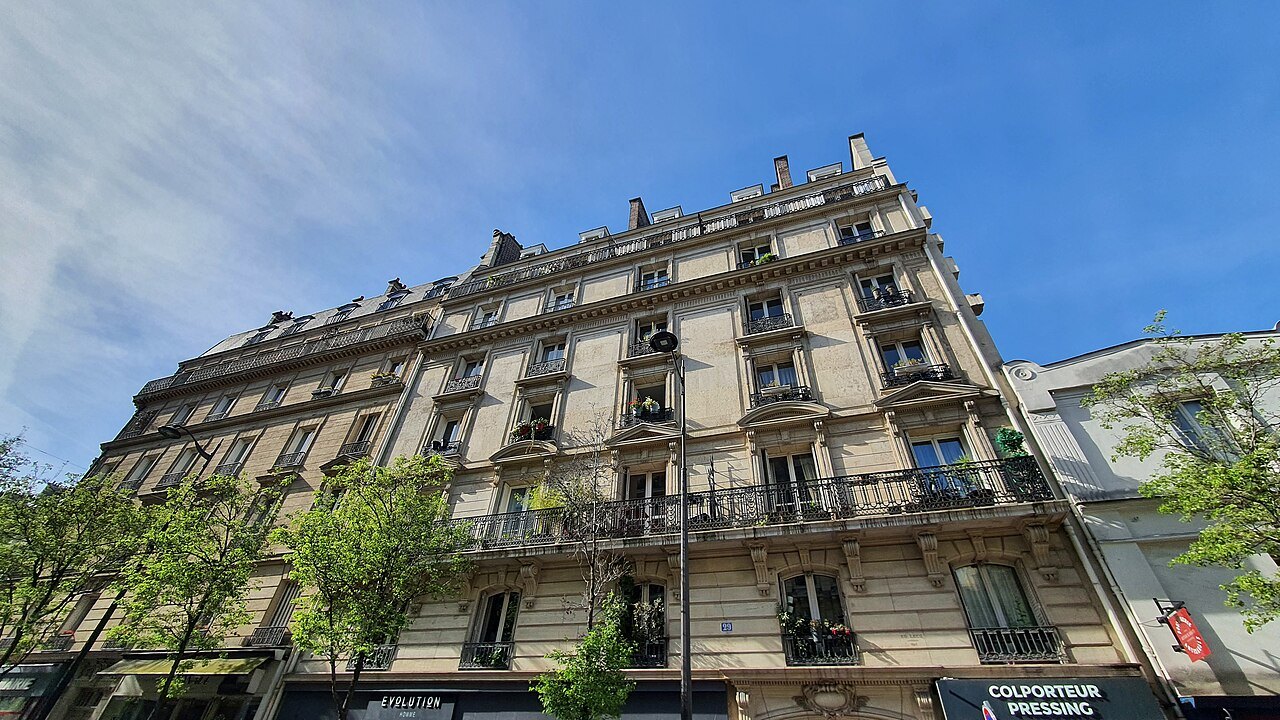 A city of quartersWhere to StayThe Marais, Saint-Germain, the Latin Quarter, the Opéra, Montmartre and the canal — each for a night or a week, drawn on the spiral.
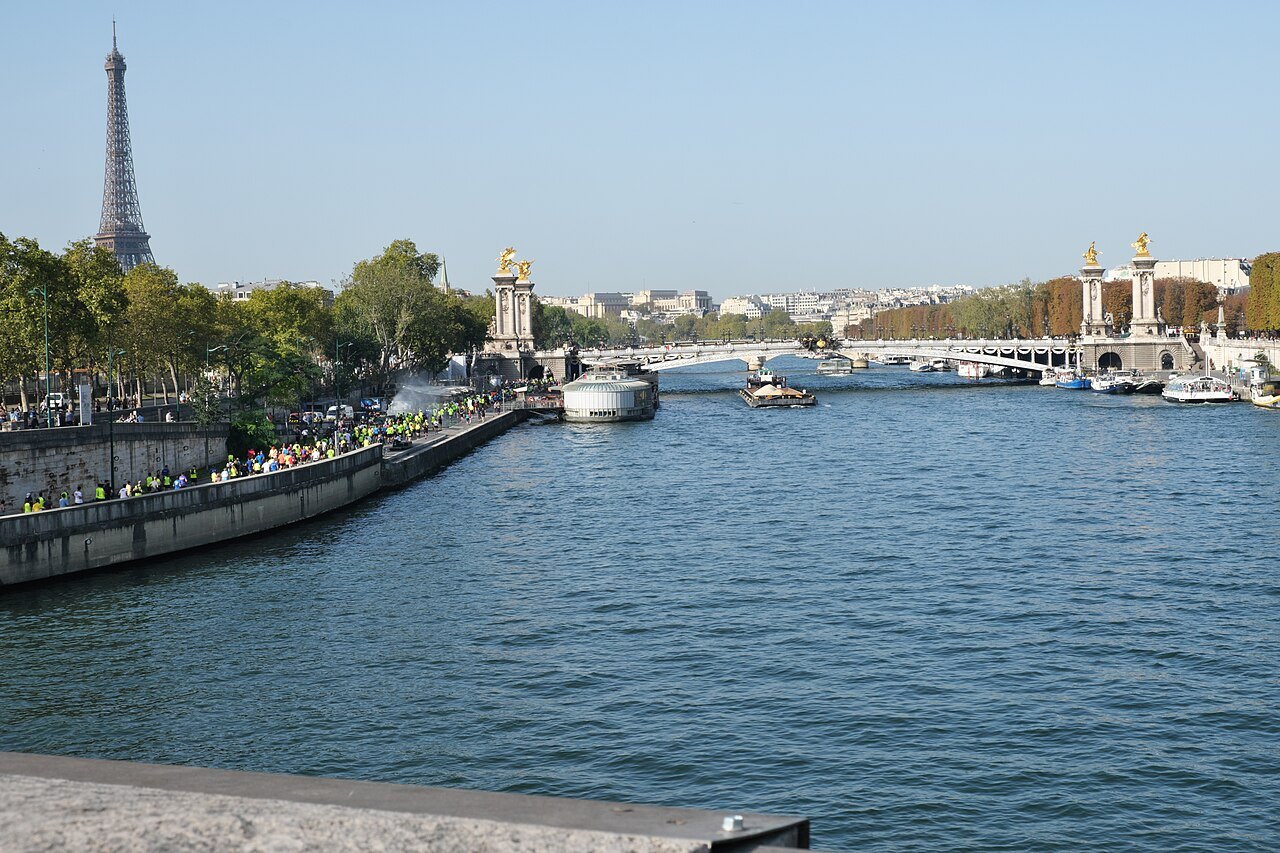 One day, three, fiveItinerariesRoutes by the length of your stay, built around the museums' closing days, the river, and the walk between them.
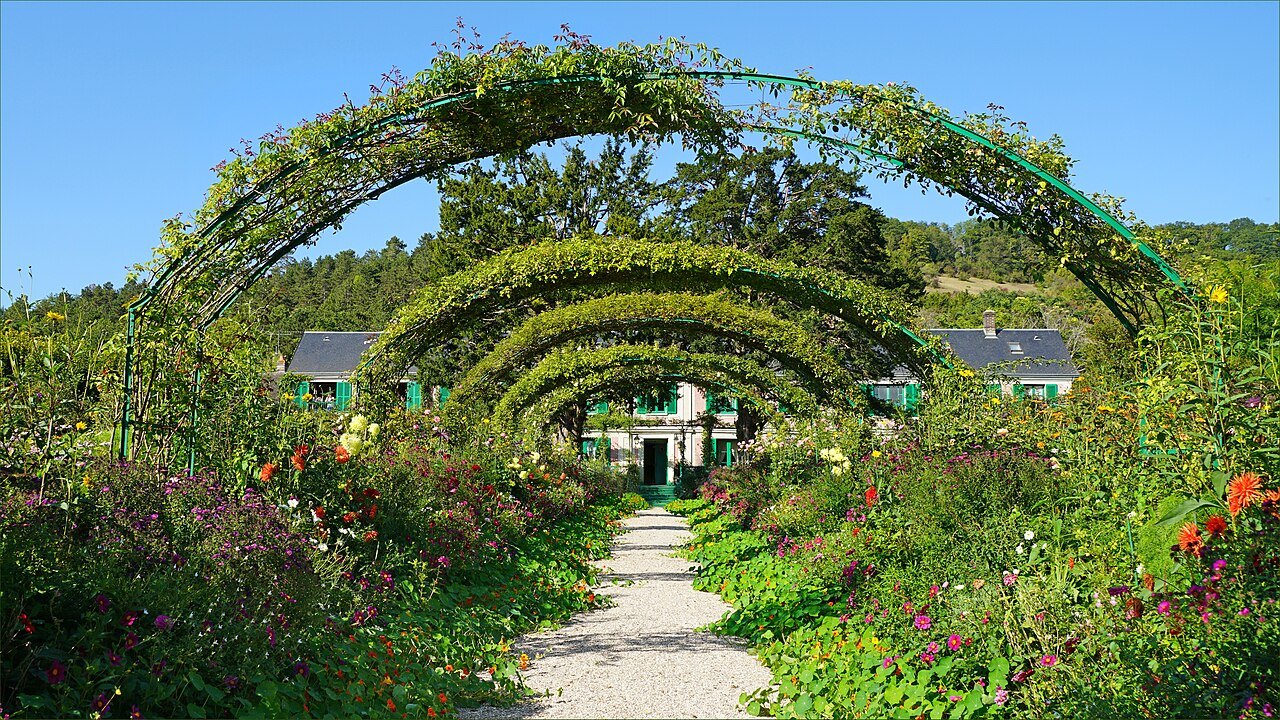 Beyond the ring roadDay TripsVersailles, Giverny, Fontainebleau, Chartres and the basilica of Saint-Denis — each a day outside the twenty arrondissements.
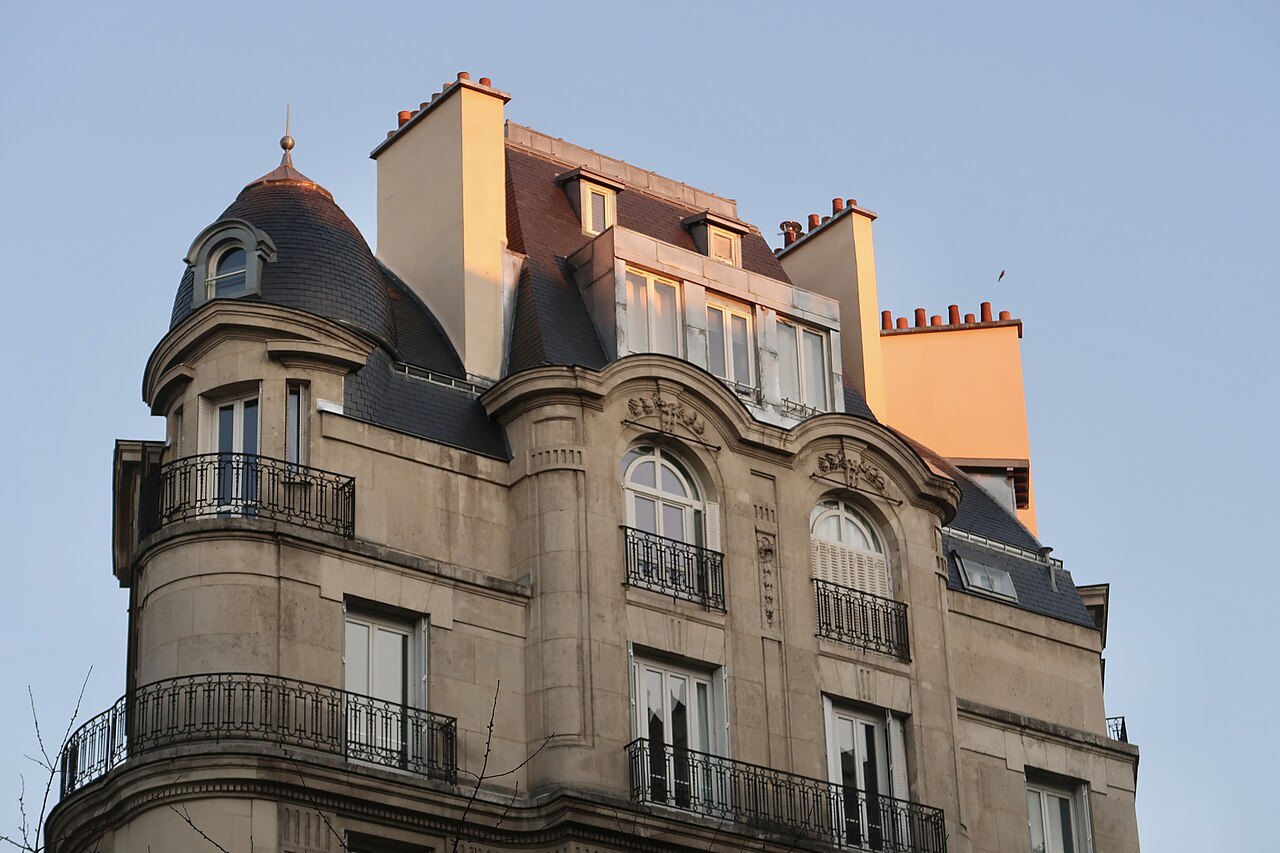 Questions answered at lengthThe JournalVisitor questions about Paris, answered in full, with new pieces as they are written.
In the order of the spiral
All eighteen sights
In the order of the spiral: the islands first, then the Left Bank, the Right Bank's arc, and the outer turn.
1–4The first turnThe islands and the first four arrondissements
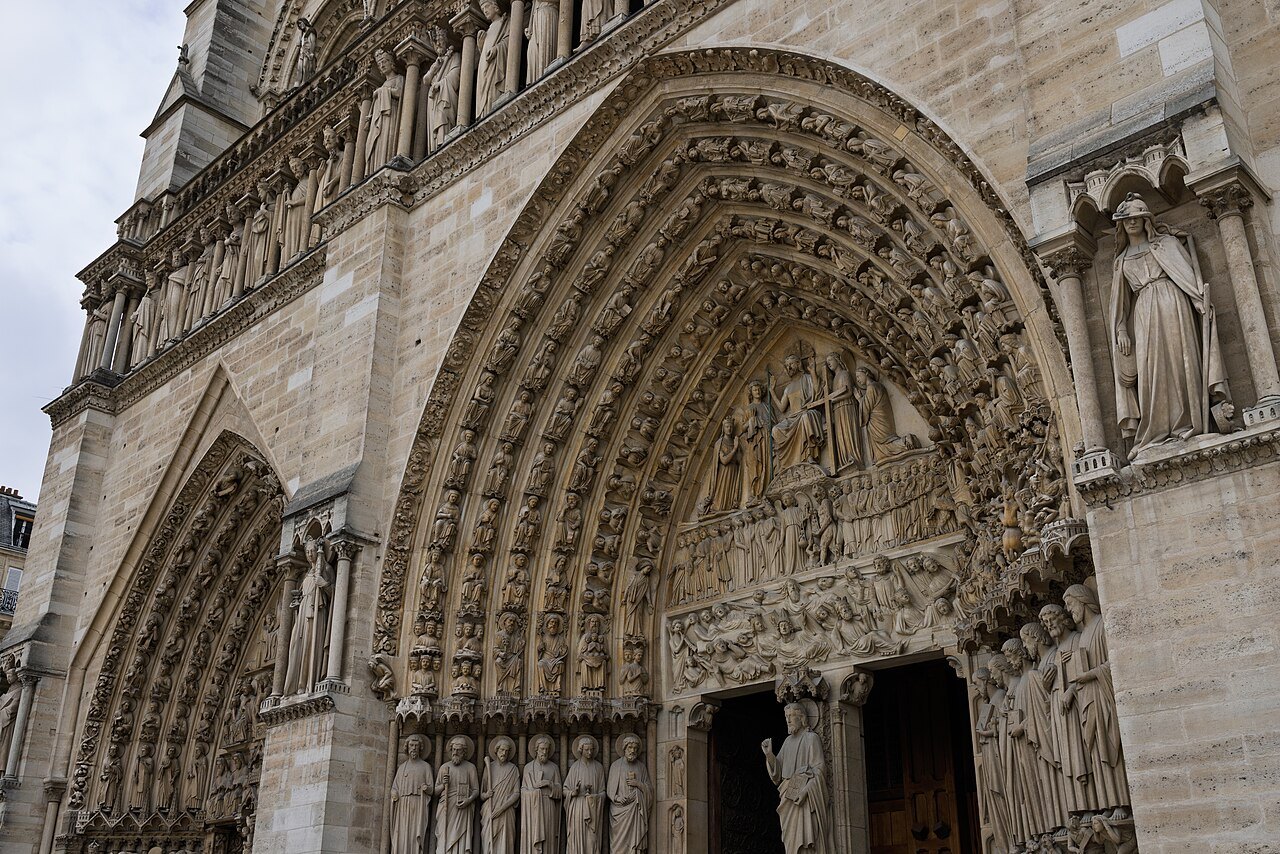 4th · Île de la Cité01Notre-Dame de ParisBegun in 1163 on the Île de la Cité, closed by the fire of April 2019, and reopened in December 2024.
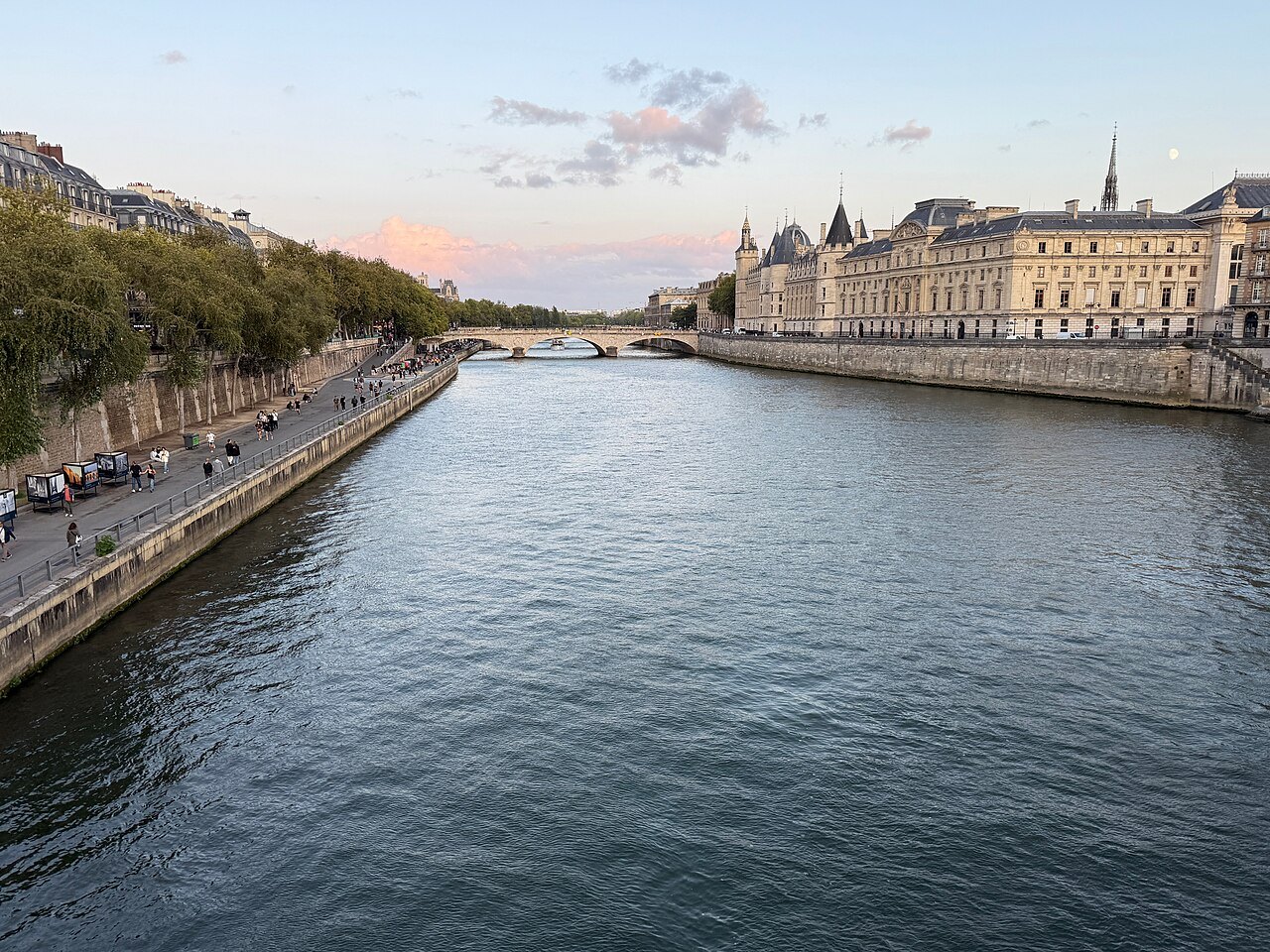 Île de la Cité02The Sainte-Chapelle and the ConciergerieA royal chapel consecrated in 1248, its upper floor walled in fifteen great stained-glass windows.
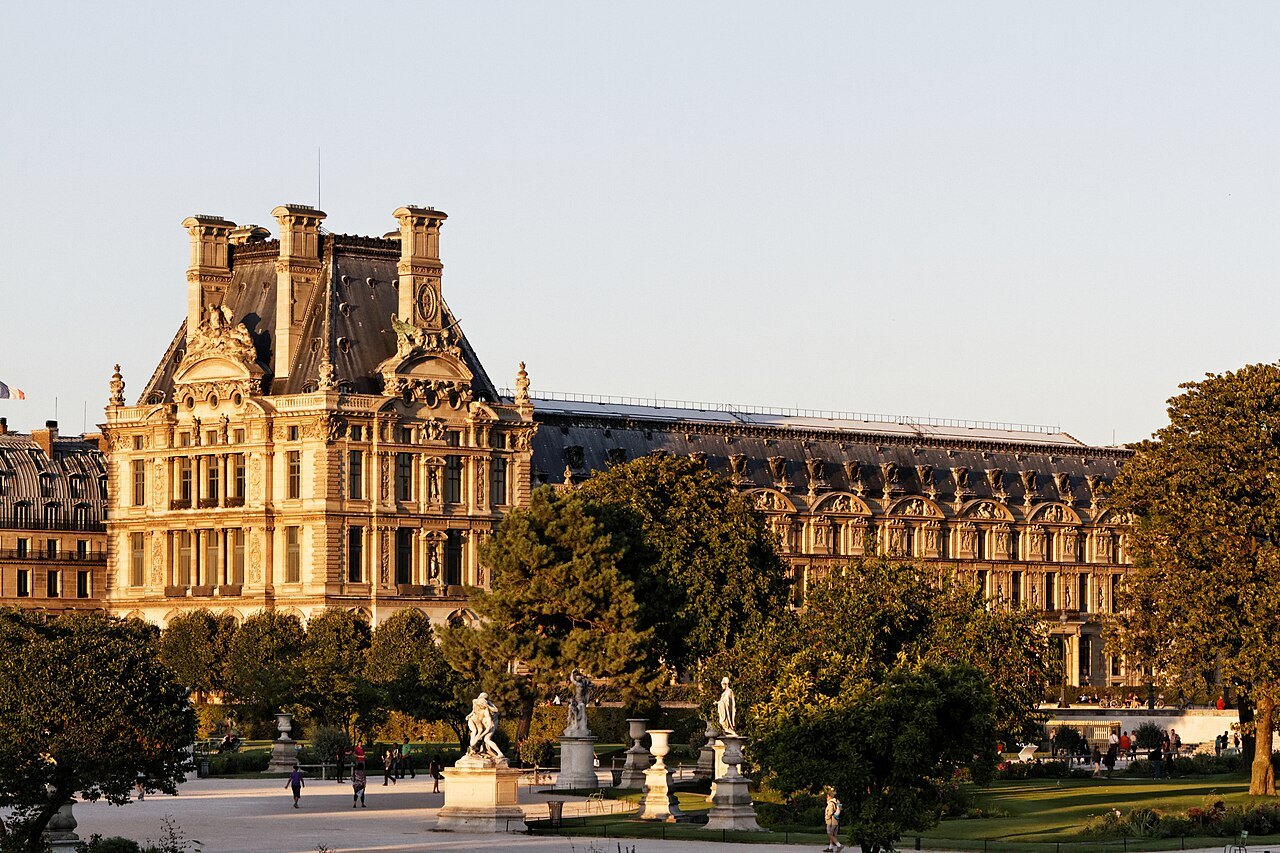 1st03The LouvreA fortress under Philip Augustus, then a royal palace, and since the Revolution the largest museum in the world.
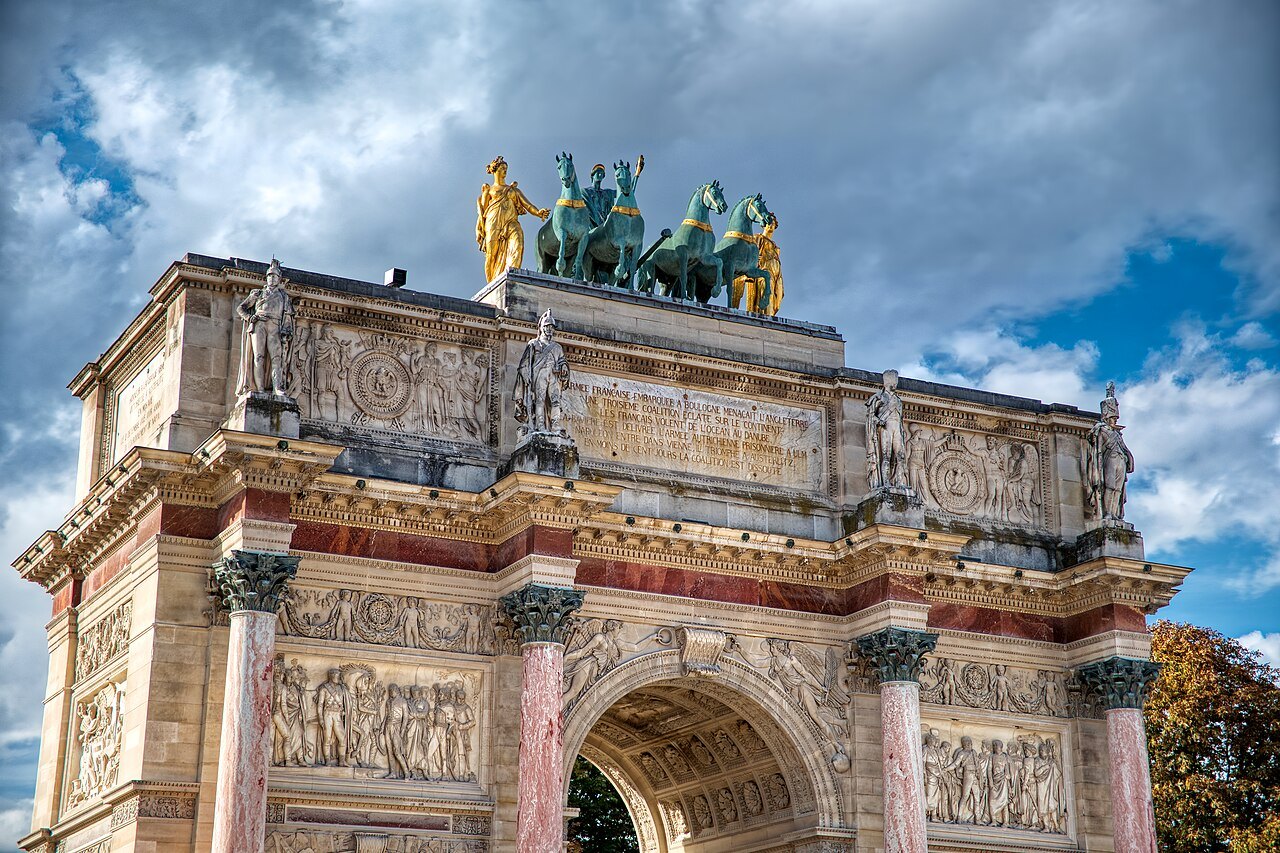 1st · 8th04The Tuileries, the Orangerie and the Place de la ConcordeA palace garden laid out for Catherine de' Medici in 1564, running west from the Louvre to the Place de la Concorde.
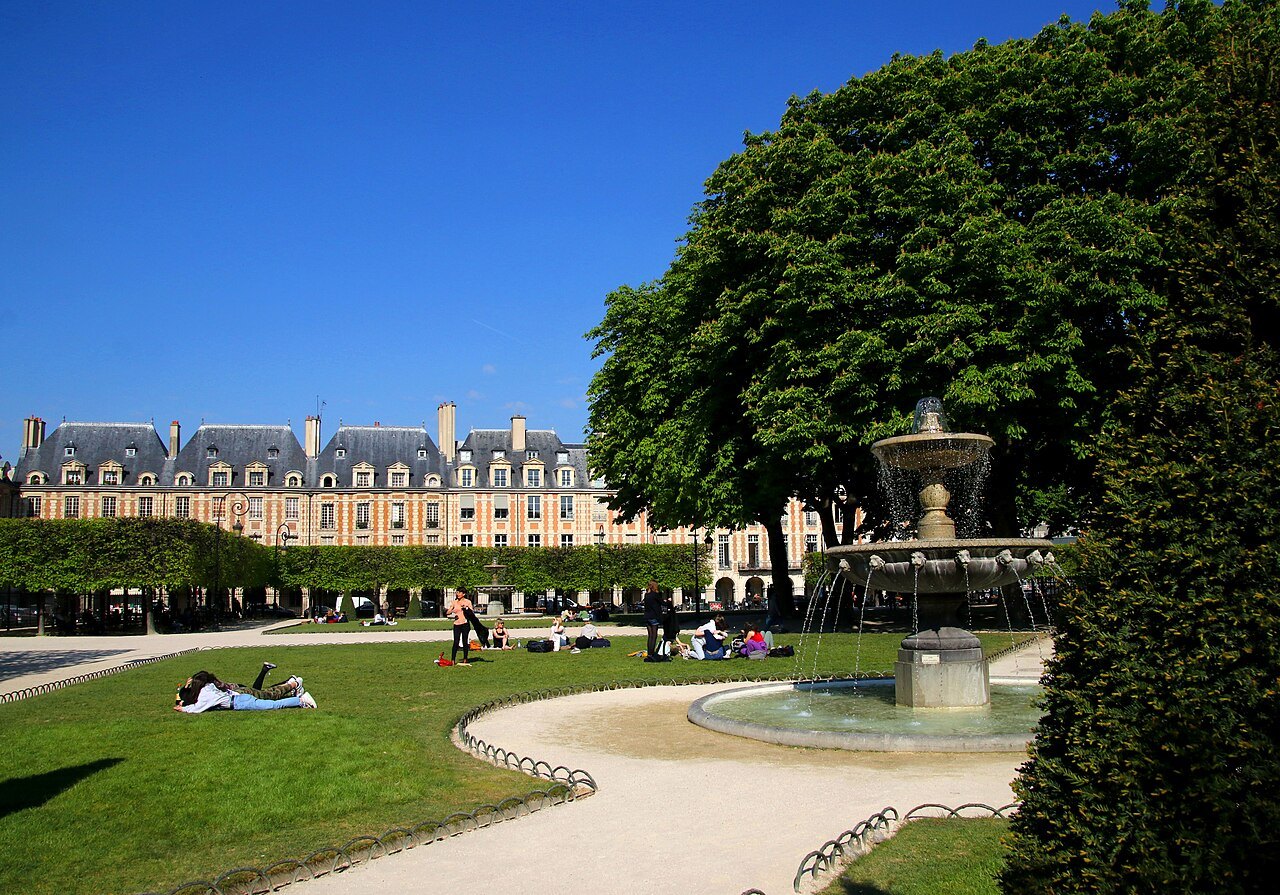 3rd · 4th05The Place des Vosges and the MaraisThe oldest planned square in Paris, built by Henry IV from 1605 to 1612 as the Place Royale.
5–7The Left BankThe fifth, sixth and seventh
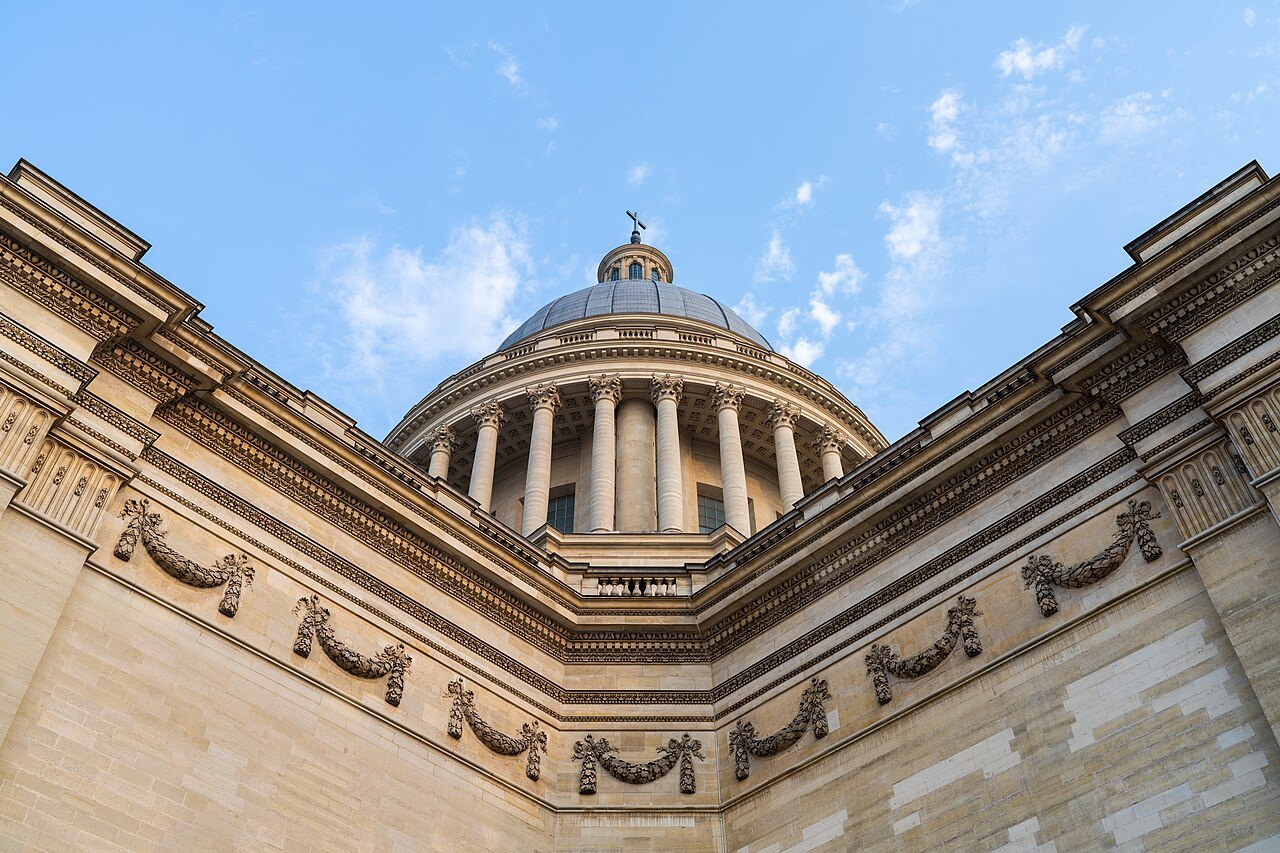 5th06The PanthéonA church for Saint Genevieve, built from 1758 to 1790 and made a resting place for distinguished citizens.
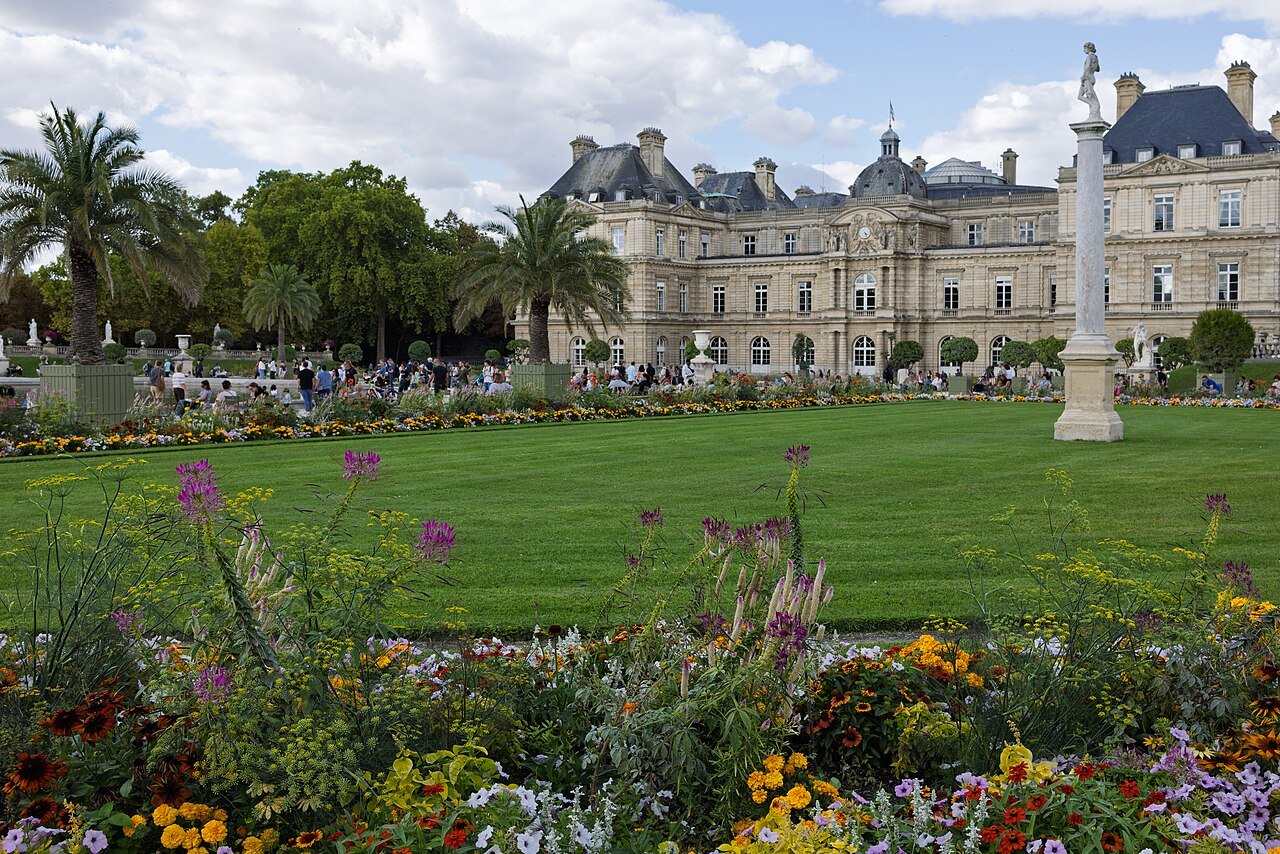 6th07The Luxembourg GardensMarie de' Medici's palace garden of 1612, 56 acres of lawns and promenades around an octagonal pool.
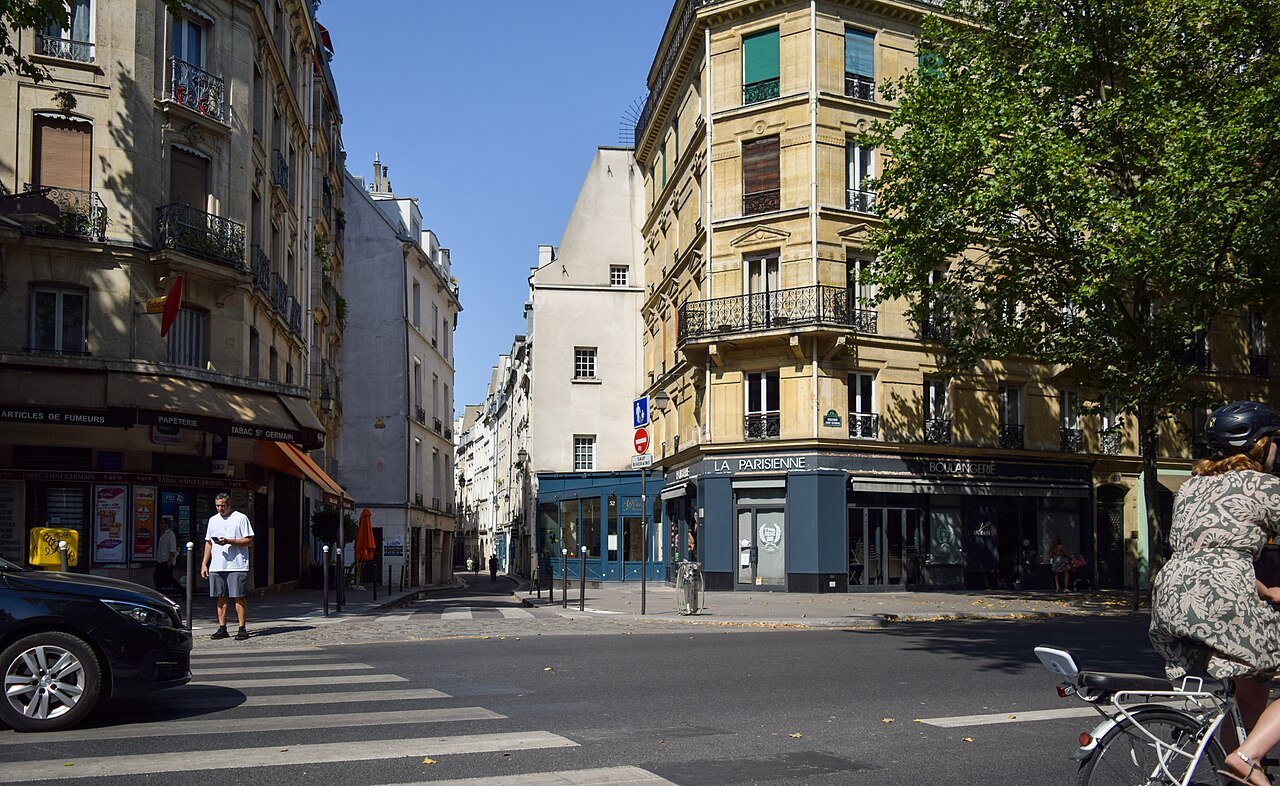 6th08Saint-Germain-des-PrésAn abbey church and a quarter of cafés and bookshops, the center of existentialist Paris in the 1940s and 1950s.
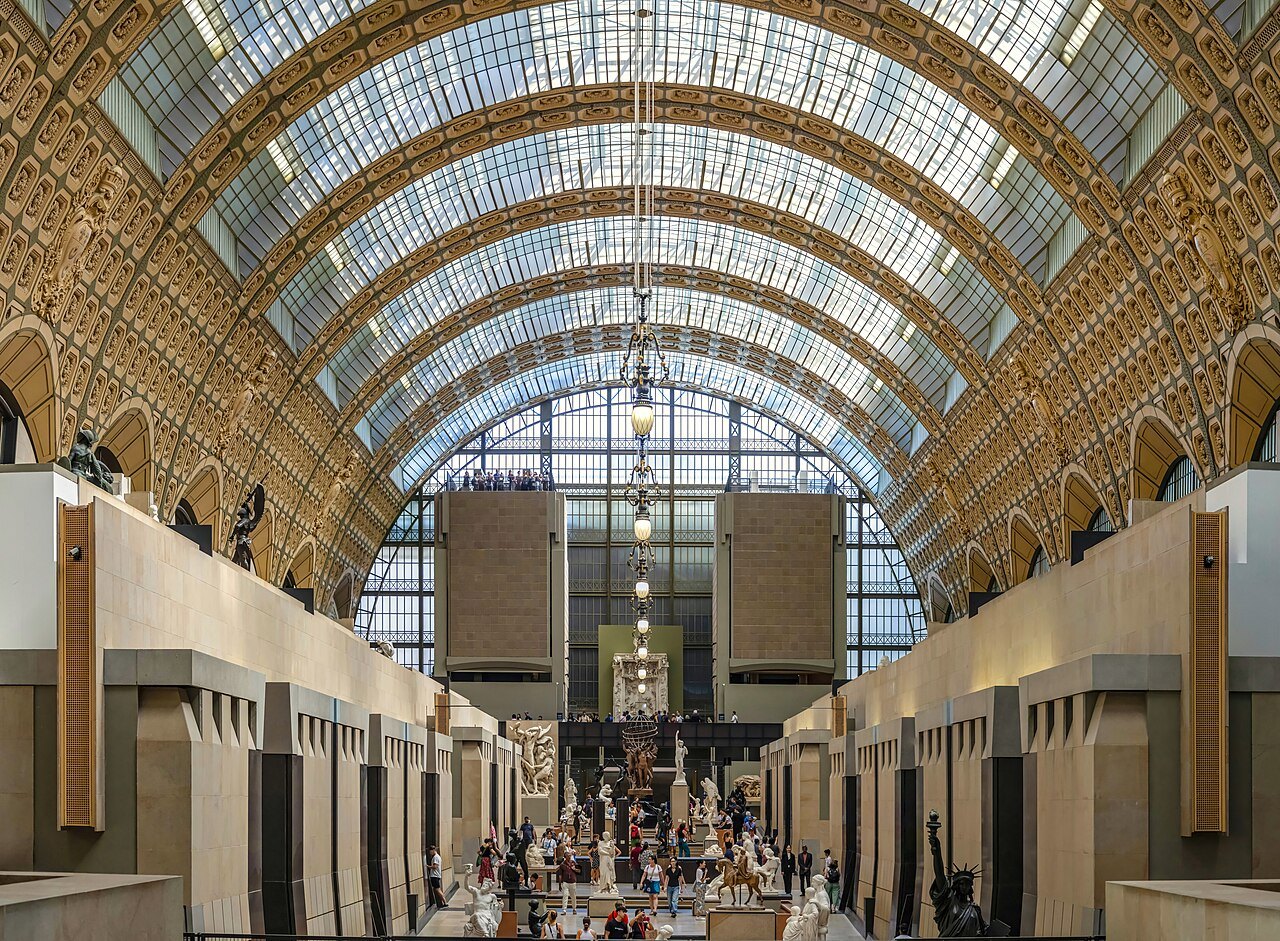 7th09The Musée d'OrsayA Beaux-Arts railway station of 1900 holding the largest collection of Impressionist paintings in the world.
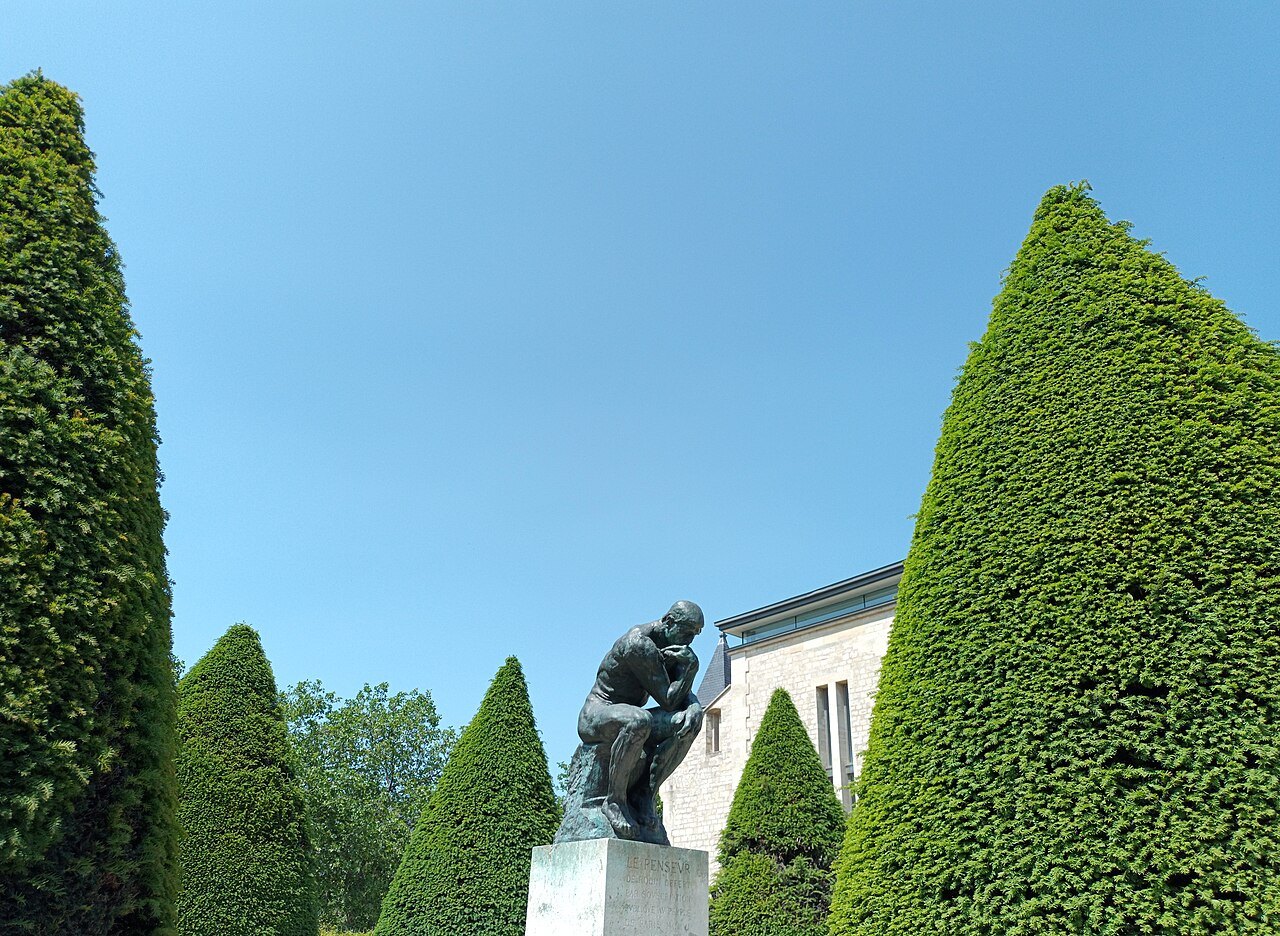 7th10The Musée RodinRodin's workshop from 1908 and a museum of his work since 1919, with The Thinker in its garden.
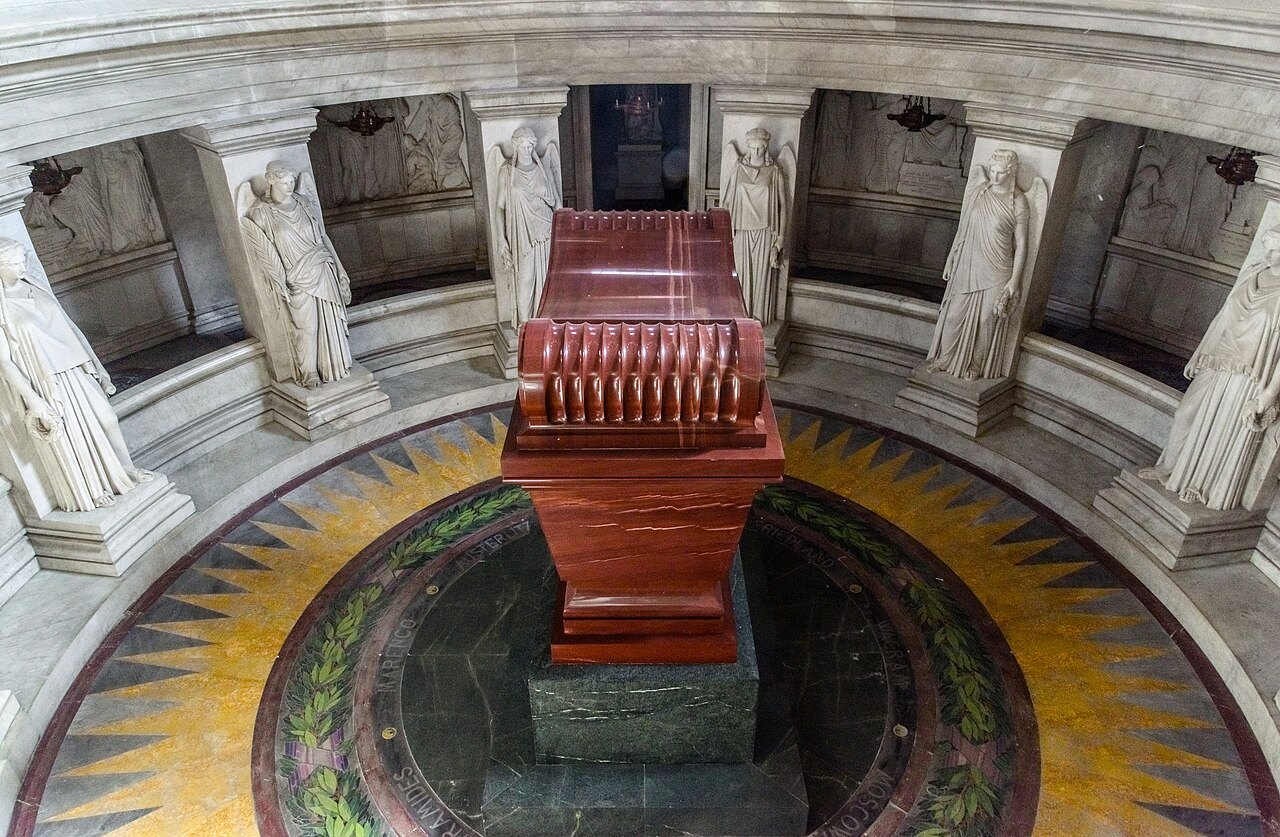 7th11Les InvalidesLouis XIV's home for old soldiers, under the tallest church dome in Paris and above Napoleon's tomb.
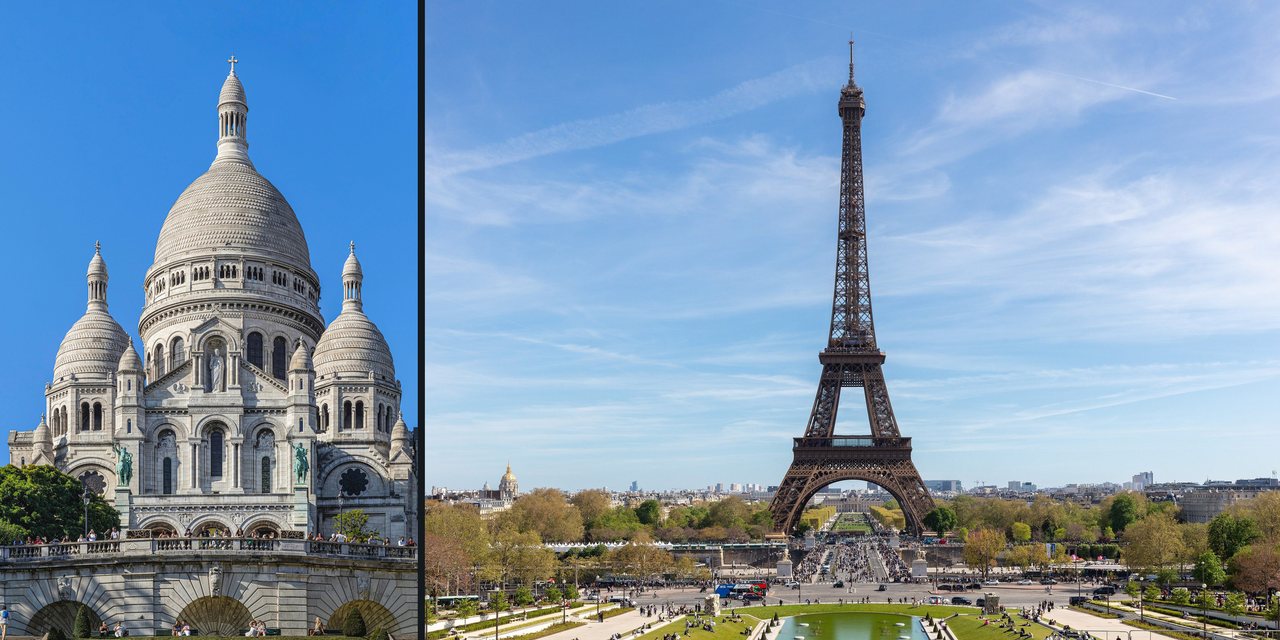
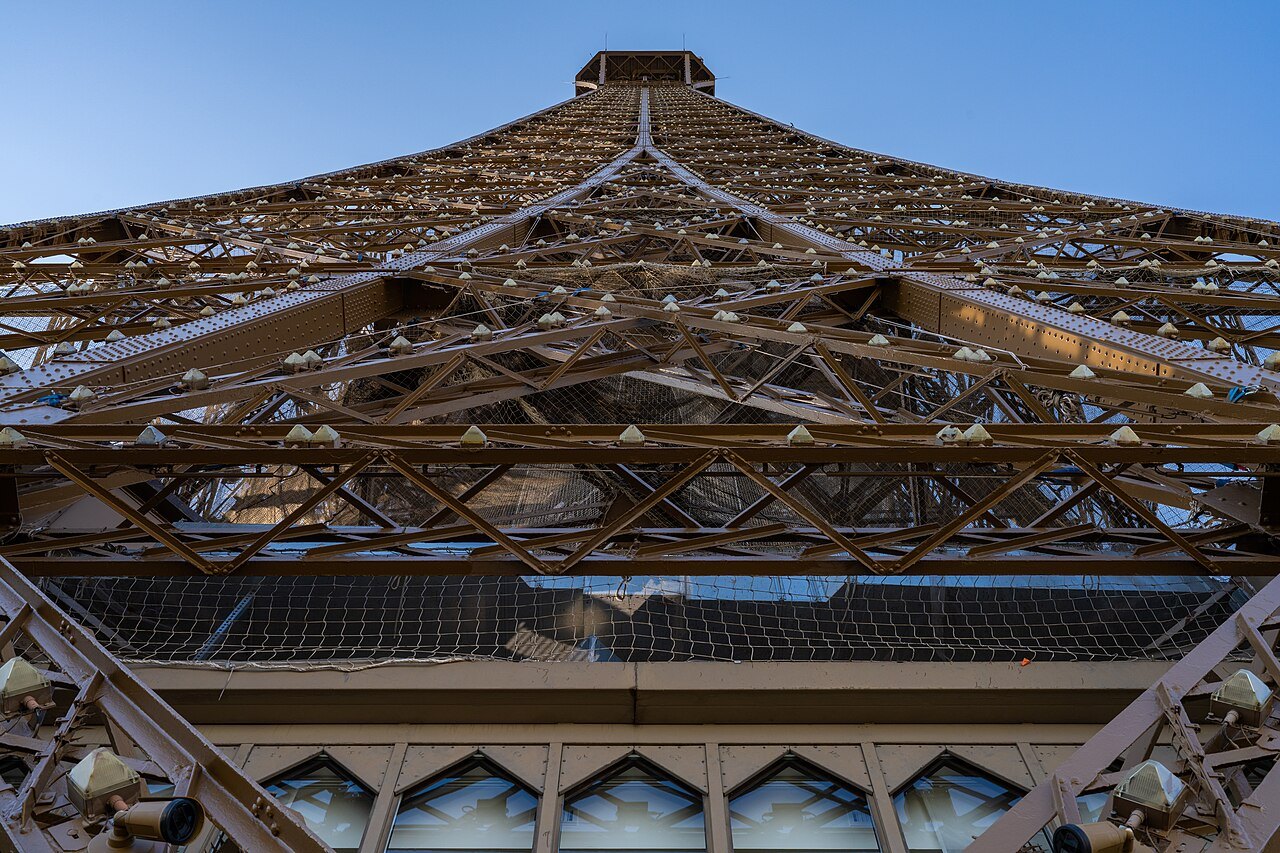 7th12The Eiffel TowerWrought iron, 1,083 feet tall, built from 1887 to 1889 as the centerpiece of a World's Fair.
8–10The Right Bank's arcThe eighth, ninth and tenth
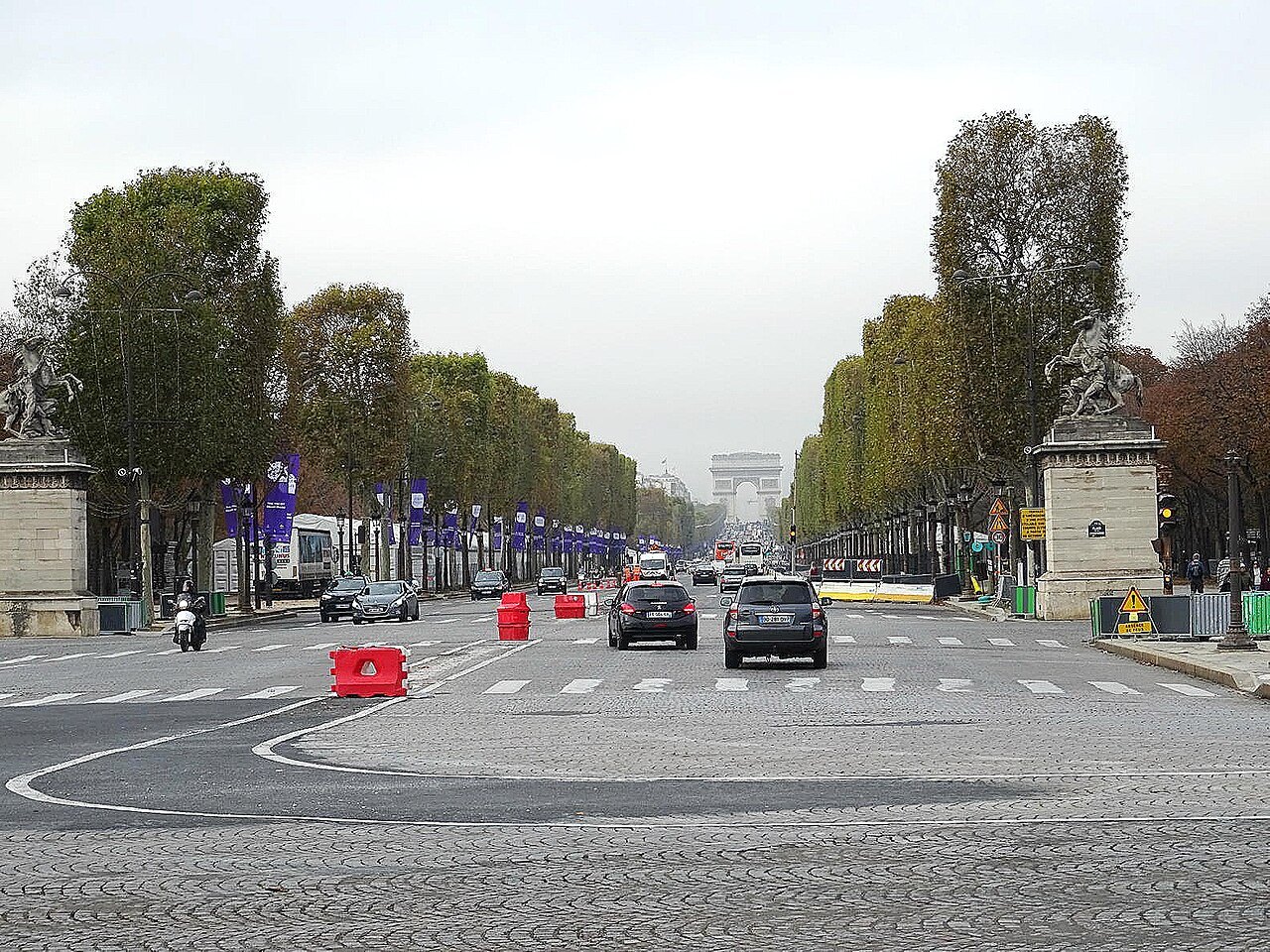 8th · 16th · 17th13The Arc de Triomphe and the Champs-ÉlyséesAn arch designed in 1806 and finished in 1836, where twelve avenues meet at the head of the Champs-Élysées.
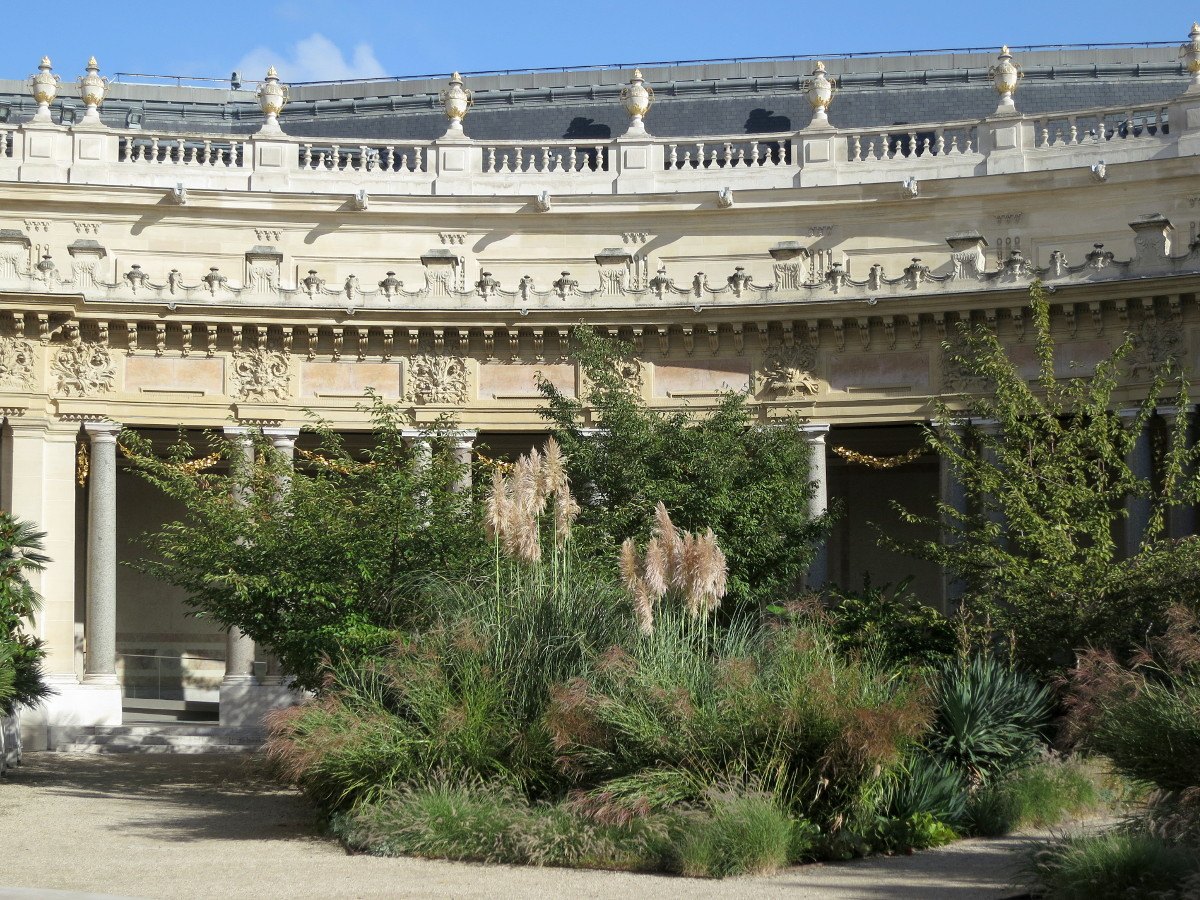 8th14The Grand Palais, the Petit Palais and the Pont Alexandre IIIAn exhibition hall under a glass roof, built with the Petit Palais and a bridge for the exposition of 1900.
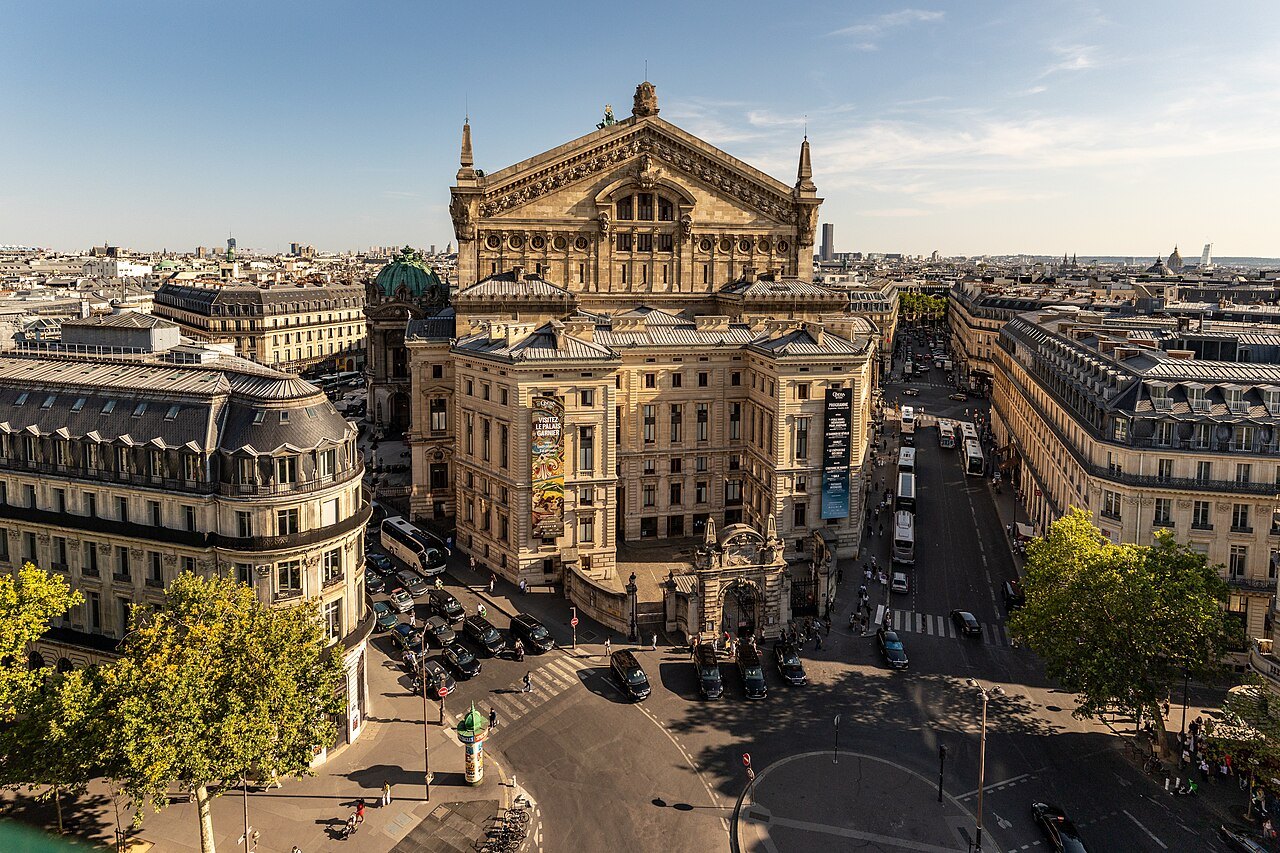 9th15The Palais GarnierNapoleon III's opera house, built from 1861 to 1875, the setting of The Phantom of the Opera.
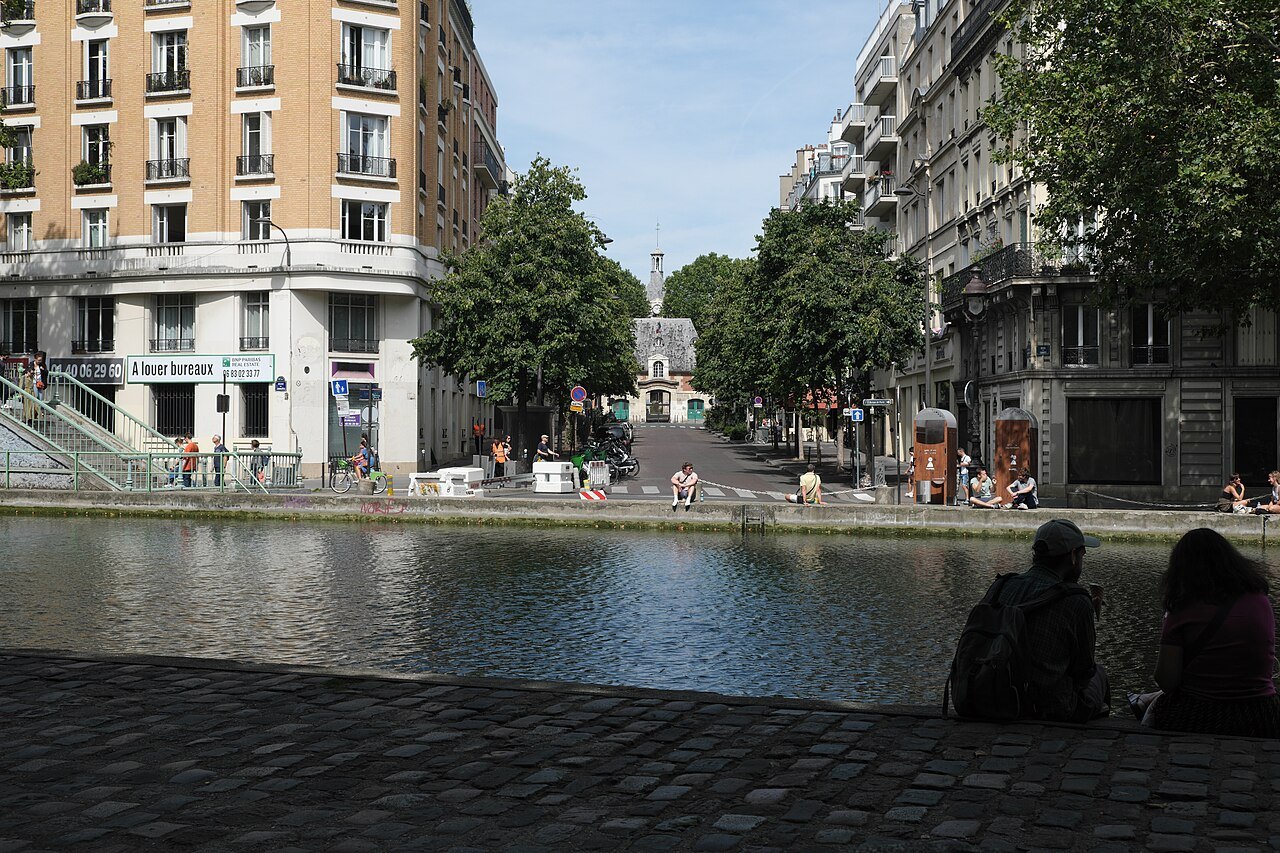 10th · 11th16The Canal Saint-MartinA canal ordered by Napoleon in 1802 and finished in 1825, with its locks and bridges, nearly half of it underground.