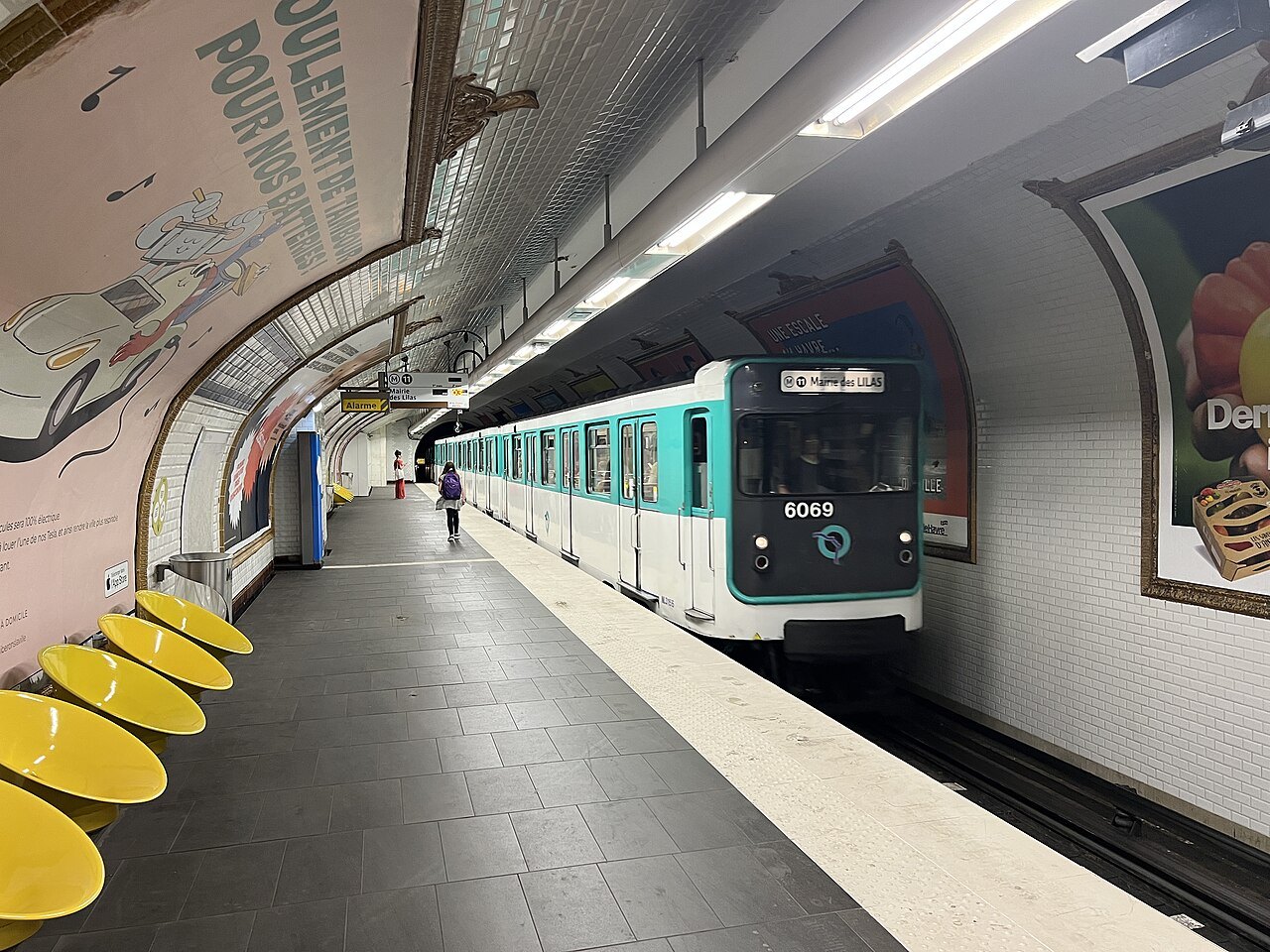
LINES BY NUMBER, DIRECTIONS BY THE LAST STOP
How does the Paris Métro work for visitors?
Sixteen lines, 321 stations and one simple rule: follow the line's number and the name of the station at the end of it. How to read the signs, change lines, pay, and where the Métro is hard going with luggage or a wheelchair.
The answer in full
Read on
A system built for the city
The Paris Métro was planned from the start as a single network for the city proper. The city adopted the engineer Fulgence Bienvenüe's plan in 1896, construction began in 1898, and the first line, from the Porte Maillot to the Porte de Vincennes, opened on 19 July 1900, during the Universal Exposition. It has grown to sixteen lines and 321 stations, most of them underground, packed so densely inside the city that you are rarely more than a few minutes' walk from one.
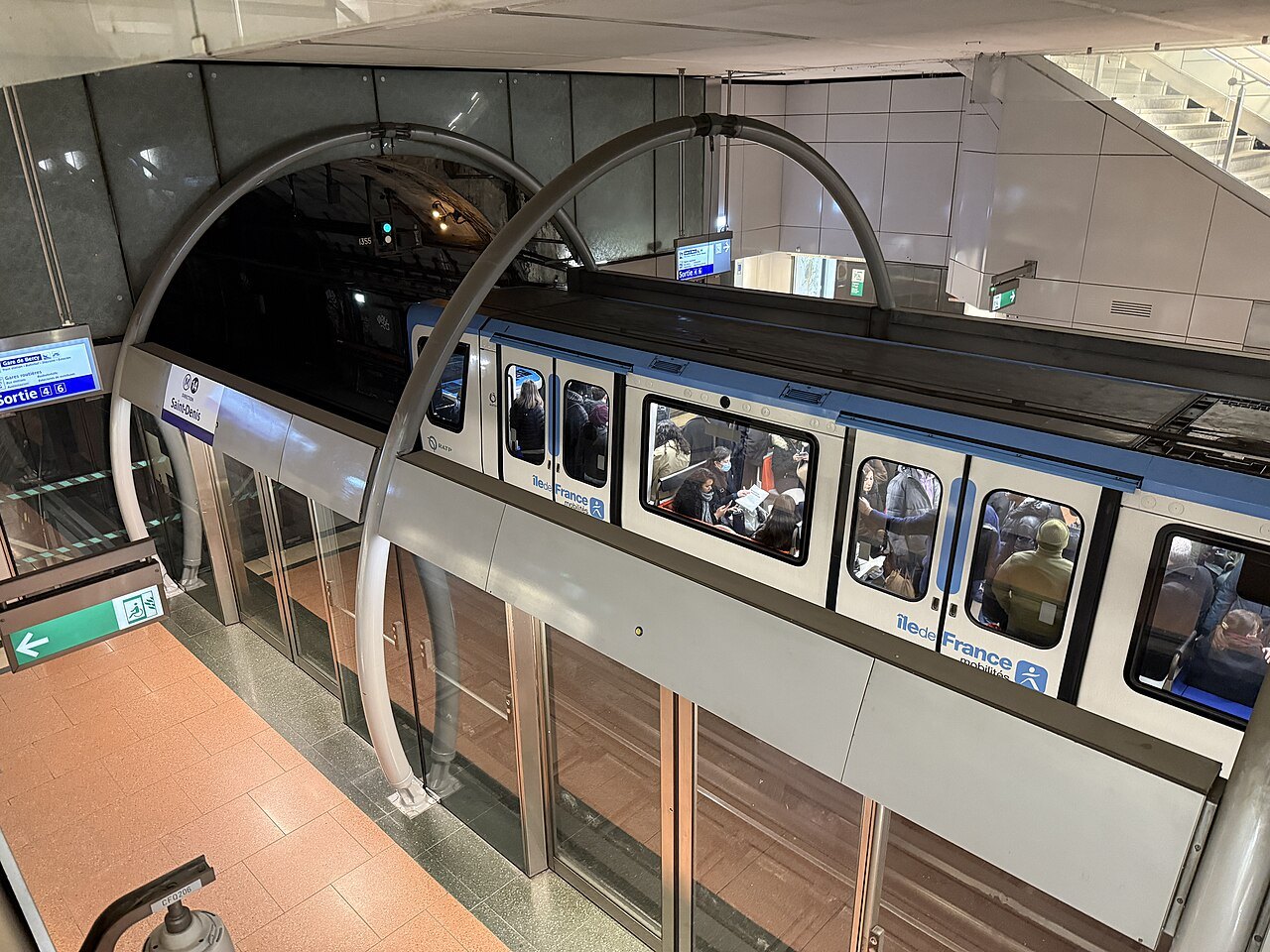
The city guarded its independence jealously. The national railways wanted the new lines to join their own network, and Paris wanted a local system that would stay inside the city. Parisians won: the tunnels and trains were designed too narrow for main-line trains, and Métro trains were made to run on the right, while the suburban railways ran on the left. For decades the lines stopped at the city gates, which is why so many terminus names begin with Porte, the gate.
It is also the second busiest system in Europe, carrying more than four million passengers on an average day. For a visitor, that means frequent trains and crowded ones at rush hour; it also means that the Métro, rather than a taxi, is how Paris itself gets around. See getting around for the RER, buses, bicycles and boats.
Lines, numbers and directions
Each line is known by a number, from 1 to 14, with two short branches called 3bis and 7bis, which were once parts of Lines 3 and 7. On maps and signs each line also has its own color. Every train runs from one end of its line to the other, stopping at every station along the way; there are no express trains on the Métro.
The one rule to learn is that a direction is named after the last station on the line. To go east on Line 1 from the Louvre, you follow signs for Line 1 in the direction of its eastern terminus; to go west, you follow the name of the western one. Find your line on the map, trace it to the end in the direction you want to travel, and follow that name through the corridors to the right platform.
Changing lines
Sixty-one stations let you change between lines. In the corridors, signs show the number and terminus of each line; follow the one you need. At the great interchanges, such as Châtelet, Montparnasse or République, the walk between platforms can be long, with stairs and moving walkways, and it is sometimes quicker to change at a smaller station further along.
The RER, the regional express lines lettered A to E, share some of these stations. Inside the city it stops far less often than the Métro and crosses the center quickly; beyond the city it runs to the airports and to Versailles. Your ticket works on both inside the city, but check that it is valid if you travel further out.
Tickets and gates
Tickets are sold on phones, at machines and at staffed counters, as single tickets or as passes. They can be loaded onto a contactless card, the Navigo, or onto a phone, which is validated by holding it over the reader at the gate. Keep your ticket or card until you have left the station, since inspectors check on the trains and at the exits.
Fares and the choice of passes change, so this site does not give them; the transport authority's own site and app list the current options.
When the trains run
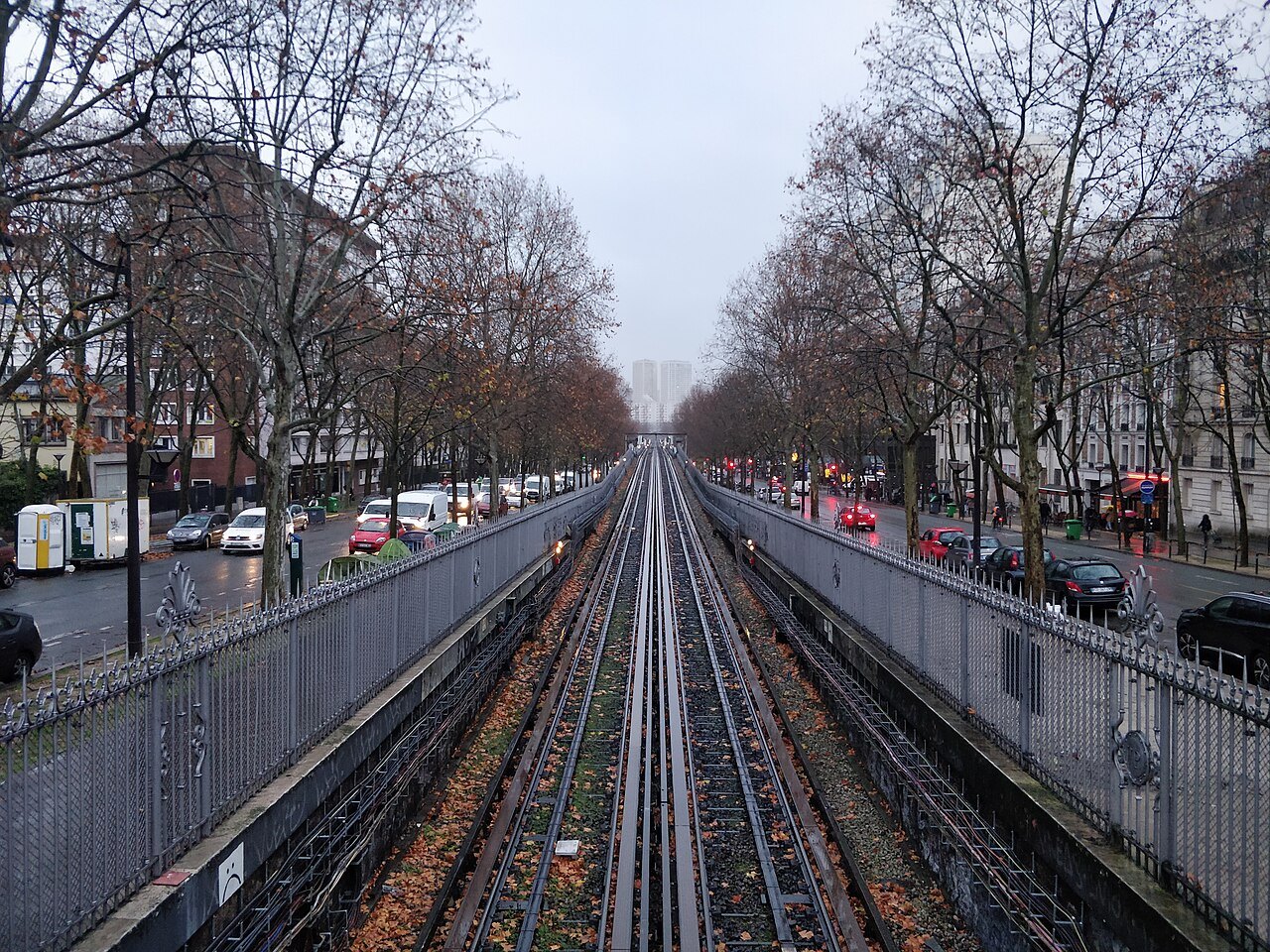
The Métro runs from early in the morning until late at night, and an hour later on Friday and Saturday nights and before public holidays. The last train is nicknamed the balai, the broom, because it sweeps up the remaining passengers. On a few special nights, such as New Year's Eve, the Fête de la Musique and Nuit Blanche, some stations on the main lines stay open all night. After the last trains, the Noctilien night buses take over.
What to look at
The Métro is also one of the sights of Paris. The original entrances, designed in the Art Nouveau style by Hector Guimard for the opening in 1900, caused surprise and controversy at the time and are now symbols of the city: cast-iron railings shaped like plant stems, with a sign reading Métropolitain held up between two orange globes. Eighty-three survive, and two keep their original glass canopies, at Porte Dauphine and at Abbesses, in Montmartre.
Below ground, the standard vaulted station is lined in small white tiles, chosen because early electric light was weak, with the station's name in white on blue. Stations built by the old Nord-Sud company, on most of Line 12 and parts of Line 13, have more elaborate decoration, and later renovations brought waves of colored tiles and metal casings.
Luggage, stairs and wheelchairs
The Métro is hard going with heavy luggage, and harder still in a wheelchair. Most of its stations were built long before anyone thought about access, and fewer than one in ten is accessible without stairs. The operator estimates that adapting the whole network would cost billions and considers some stations impossible to adapt at all, so this will not change soon. The great exception is Line 14, opened in 1998 and run without drivers: all its stations are fully accessible, with elevators, and so are the new stations on recent extensions. Line 14 also crosses the center from the Gare Saint-Lazare through Châtelet to the Gare de Lyon, and on to Orly Airport.
If stairs are difficult, the buses and trams, which are fully accessible, are often the better choice, and many RER stations have elevators. With suitcases, plan a route with a single change, or none.
Staying comfortable
Rush hours are the busiest times, when the trains fill with commuters; if you can, travel outside them. Keep bags closed and in front of you in crowded trains, as you would on any big-city subway. For where to stay near the lines you will use most, see where to stay.
Read next
More from the journal
- Getting HereHow do you get from Charles de Gaulle Airport to central Paris?Most visitors take the RER B, which runs from the airport's two stations to the Gare du Nord, Châtelet and the Left Bank. How the terminals connect, which train to board, how to handle luggage on a commuter line, and when a taxi makes more sense.Read the piece →
- The SpiralWhy are the arrondissements of Paris numbered in a spiral?Because in 1859 the wealthy residents of Passy refused to live in a new 13th arrondissement, and their mayor suggested a spiral instead. The story of the numbers, from the Revolution's twelve districts to the twenty of today, and how to use them.Read the piece →
- The Musée d'OrsayHow did a railway station become the Musée d'Orsay?How a Belle Époque railway terminus on the Seine became the world's great home of Impressionist painting.Read the piece →