Home · Where to Stay
Where to stay
Seven quarters
- The MaraisFirst visits · walkers · galleriesThe 3rd and 4th: aristocratic mansions, the Place des Vosges, museums, galleries and the Rue des Rosiers.
- The Latin QuarterBudget · students · the Left BankThe 5th around the Sorbonne: old streets, bookshops and the Panthéon, a walk from Notre-Dame.
- Saint-Germain-des-PrésCafés · shopping · couplesThe 6th: the famous cafés, bookshops and publishers, galleries and the Luxembourg Gardens.
- The 7thQuiet · families · the towerWealthy and calm: the Eiffel Tower, the Invalides, the Musée d'Orsay and the ministries of the Faubourg Saint-Germain.
- Opéra and the Grands BoulevardsShopping · transit · businessThe 9th and 2nd: the Palais Garnier, the department stores, covered arcades and many Métro lines.
- MontmartreViews · atmosphere · valueThe 18th on its hill: Sacré-Cœur, village streets and steps, and Pigalle's nightlife below.
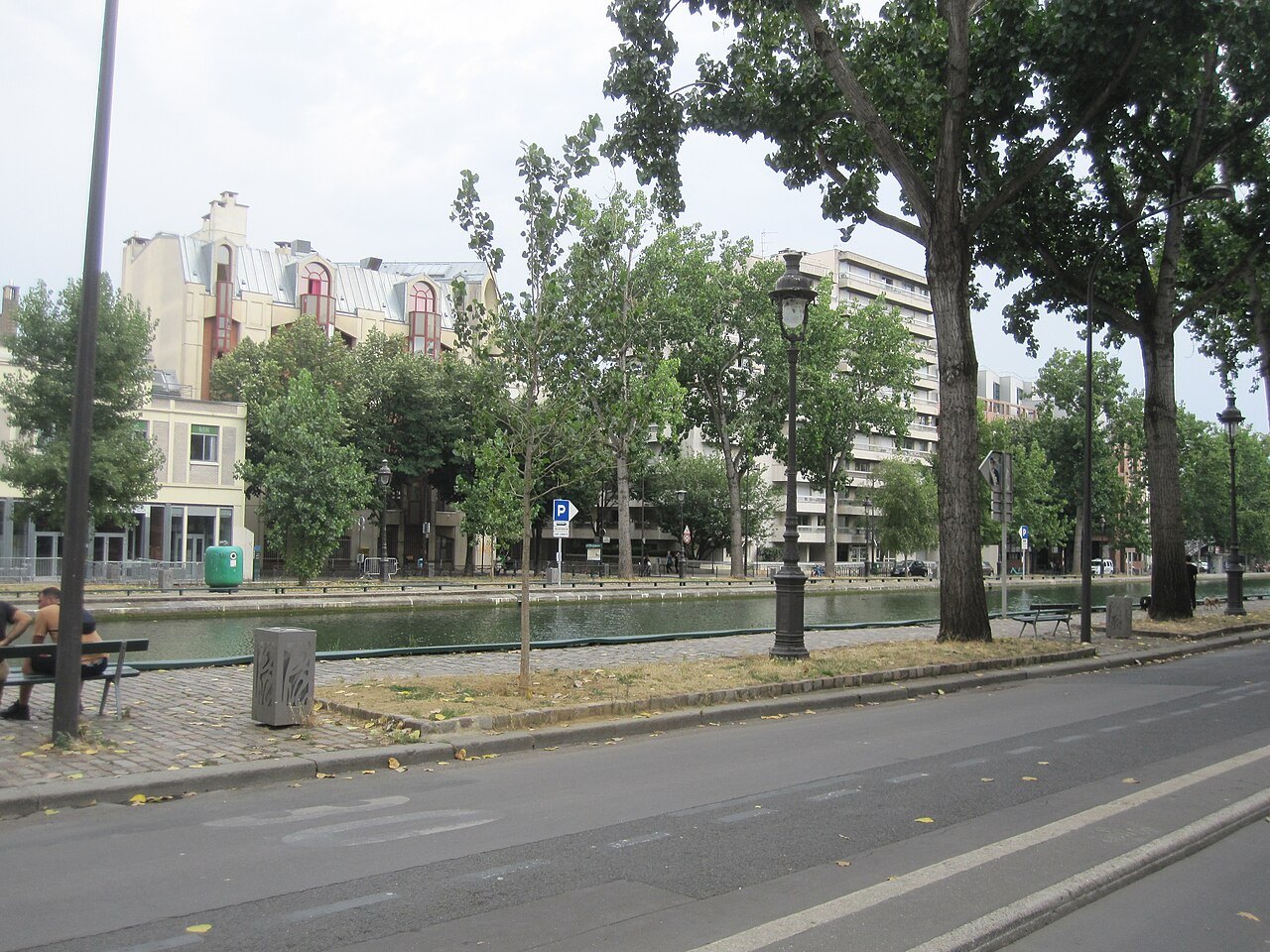
- The canal and the eastLocal life · trains · valueThe 10th and 11th: the Canal Saint-Martin, the Gare du Nord and the Gare de l'Est, and busy streets of bars and restaurants.
In full
Where to Stay
How to choose
Paris is compact and the Métro is dense, so almost anywhere inside the ring road puts you within reach of the great sights. What changes from one quarter to the next is the character: the look of the streets, the noise at night, how far you walk to the river. The first seven arrondissements hold most of the famous sights; the 9th, 10th and 11th are central and very well connected, with more ordinary city life; the outer districts are more residential.
The spiral helps. A low arrondissement number means you are close to the center, and the postcode on a hotel's address tells you exactly where it is; see the spiral. For how to get from your hotel to everything else, see getting around.
The Marais
The Marais, whose name means the marsh, spreads across the 3rd and 4th arrondissements on the Right Bank. In the seventeenth century it was the aristocratic quarter of Paris, and the nobility built grand town houses there, the hôtels particuliers, among them the Hôtel de Sully, the Hôtel Carnavalet and the Hôtel de Soubise. It went out of fashion before the Revolution and fell into long decay, and it has since been transformed into one of the most fashionable districts of the city, known for its galleries, restaurants and museums.
At its heart is the Place des Vosges. Around the Rue des Rosiers, the quarter called the Pletzl has been a center of Jewish Paris since the nineteenth century, with bookshops, bakeries and kosher restaurants. For a first visit, the Marais is hard to beat: it is central, walkable, full of life, and a short walk from the islands and the Louvre.
The mansions are the quarter's museums. The Hôtel Carnavalet houses the Musée Carnavalet, the museum of the history of Paris, and the streets between the Rue de Rivoli and the Rue de Bretagne, where the Marché des Enfants Rouges is the oldest covered market in the city, reward slow walking in every direction.
The Latin Quarter and Saint-Germain
The Latin Quarter, in the 5th and 6th arrondissements on the Left Bank, grew up around the Sorbonne and takes its name from the Latin spoken by its students in the Middle Ages. It is still the city's university quarter, with its great libraries and schools, and its narrow streets are full of bookshops, cafés and small hotels. The Panthéon crowns its hill.
Next to it, Saint-Germain-des-Prés, in the 6th, grew around its ancient abbey church. Its cafés, Les Deux Magots, the Café de Flore, Le Procope and the Brasserie Lipp, its bookshops and its publishing houses made it the center of existentialist Paris in the 1940s and 1950s. Today it is one of the most elegant quarters of the city, with galleries and fashionable shops, and the Luxembourg Gardens on its southern edge; see Saint-Germain-des-Prés.
The 7th
The 7th arrondissement, named Palais-Bourbon after the seat of the National Assembly, is one of the wealthiest districts in France. It holds the Eiffel Tower, the Invalides, the Musée d'Orsay and the Musée Rodin, the old aristocratic Faubourg Saint-Germain with its ministries and embassies, and long, calm residential streets. It suits travelers who want calm streets and the tower on the doorstep more than a lively night out.
Opéra and the Grands Boulevards
Around the Palais Garnier, the 9th arrondissement, named Opéra, and the neighboring 2nd form one of the city's business districts. The great department stores, the Galeries Lafayette and Printemps, stand on the Boulevard Haussmann, and the 2nd holds most of the city's surviving nineteenth-century covered arcades, the glass-roofed passages. Many Métro and RER lines meet here, which makes it a practical base, especially for travelers arriving by train at the Gare Saint-Lazare or the Gare du Nord.
The arcades are one of the delights of the quarter. At the start of the nineteenth century most Paris streets were dark and muddy and had no sidewalks, and entrepreneurs built glass-roofed passages lined with shops, lit and paved and dry, on the model of the Passage des Panoramas; by the middle of the century there were about two dozen. Walking from one to the next is a good way to spend a rainy afternoon.
Montmartre
Montmartre, in the 18th, is the hill of Sacré-Cœur, once a village of vineyards and windmills outside the city and later the home of painters. Its upper streets, stairways and small squares still have a village air and wide views over the city; downhill to the southwest lies Pigalle, a nightlife district, with the Moulin Rouge on the Boulevard de Clichy. Staying here means a Métro ride to the river, and a climb home at the end of the day.
The canal and the east
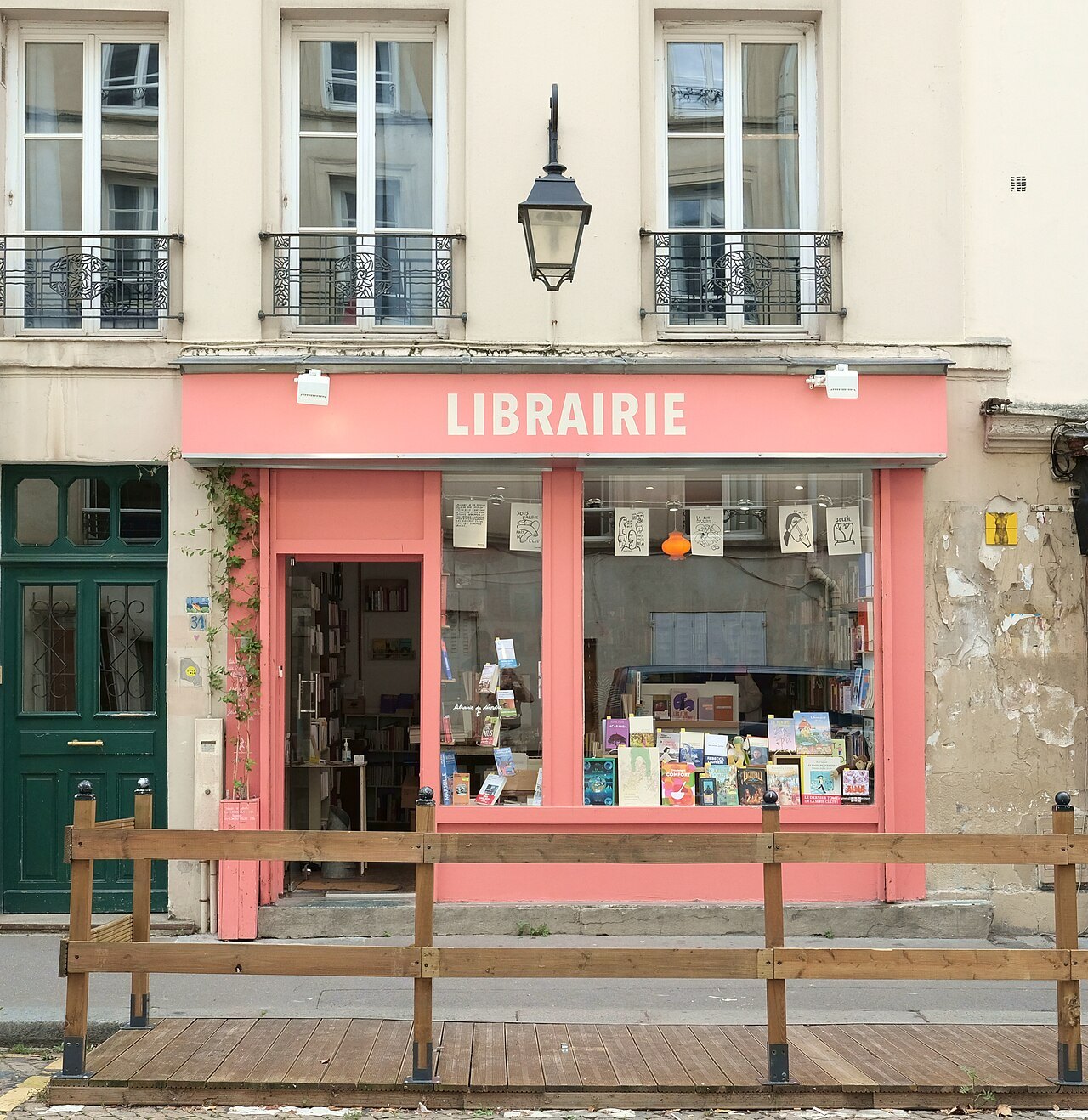
The 10th arrondissement holds the Gare du Nord and the Gare de l'Est and much of the Canal Saint-Martin, and the 11th, between the Place de la République, the Bastille and the Place de la Nation, is one of the most densely populated districts in Europe, with more Métro stations than any other. Together they are the Paris of everyday life: markets, bars and restaurants, fewer monuments and more locals. They suit repeat visitors, travelers arriving by train from the north, and anyone who wants to see how the city lives.
The 11th reaches from the Place de la République along the broad, tree-lined Boulevard Richard-Lenoir, with its large open-air markets, to the Bastille, where the Rue du Faubourg Saint-Antoine and the streets around the square are full of cafés, restaurants and nightlife.
Further out
Beyond these seven quarters, other districts suit particular trips. The 14th holds most of Montparnasse, long a home of artists, with its great railway station for the west of France; the 15th, the most populous arrondissement, is a large, residential district on the Left Bank; and the 16th, the westernmost, is known for its wealth, its nineteenth-century buildings and its views of the Eiffel Tower from the Trocadéro, with the Bois de Boulogne beside it. They are quieter at night and a longer ride from the center, but well served by the Métro.
Before you book
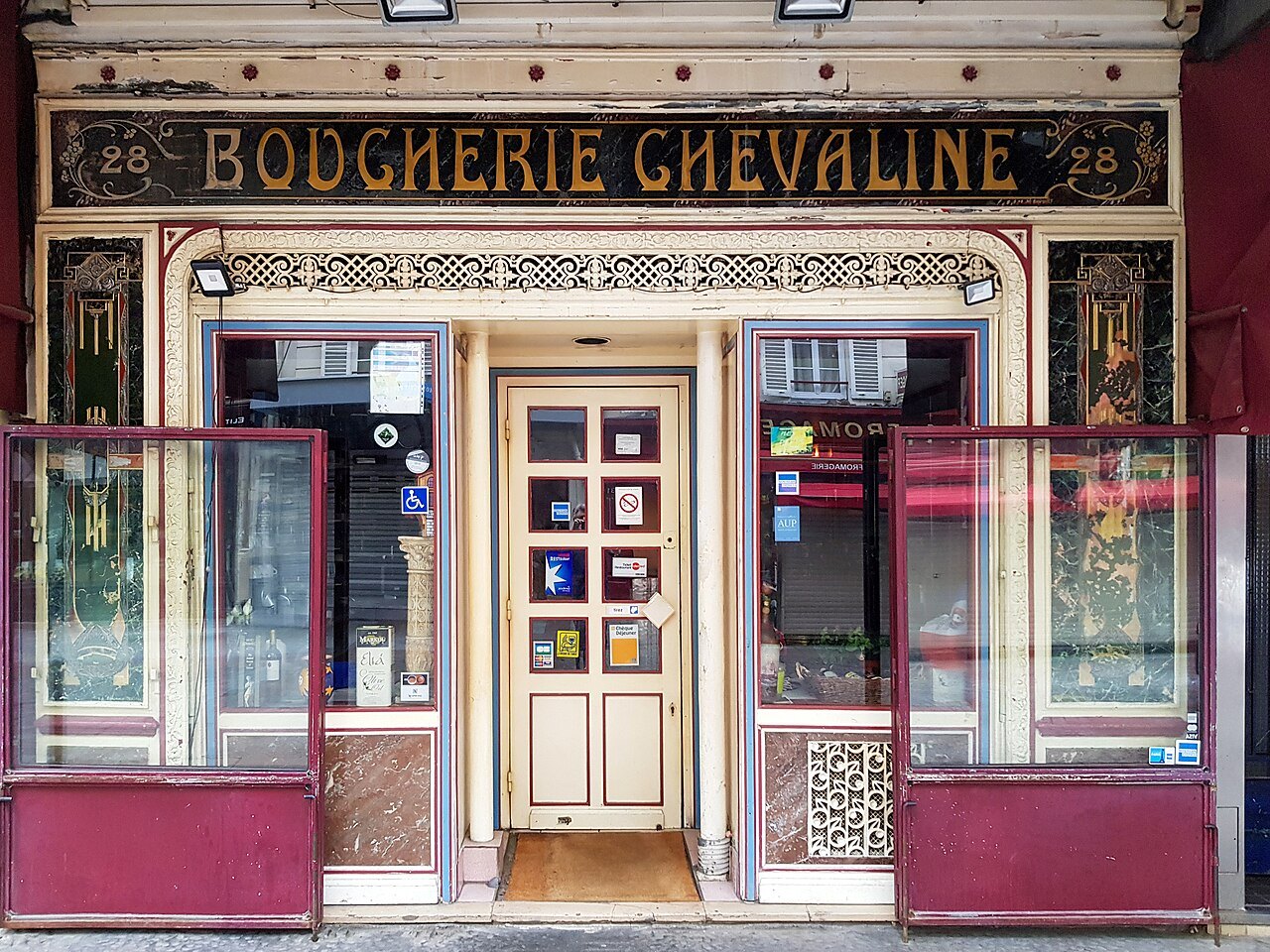
Check the arrondissement in the address before you book, and how far the nearest Métro station is. For a late arrival or an early departure, arrange where to leave your luggage, since several monuments turn away suitcases; see booking ahead.
Seen on the way
More photographs
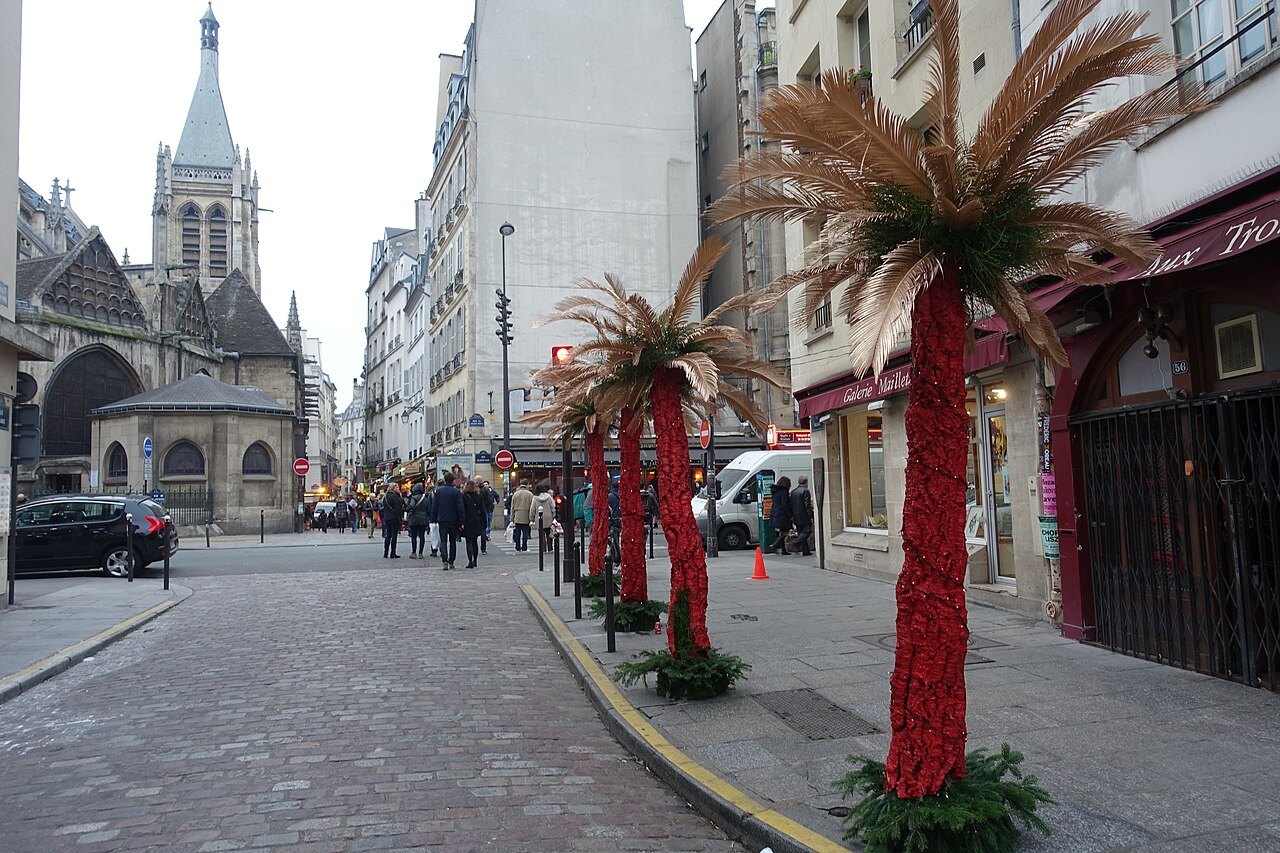
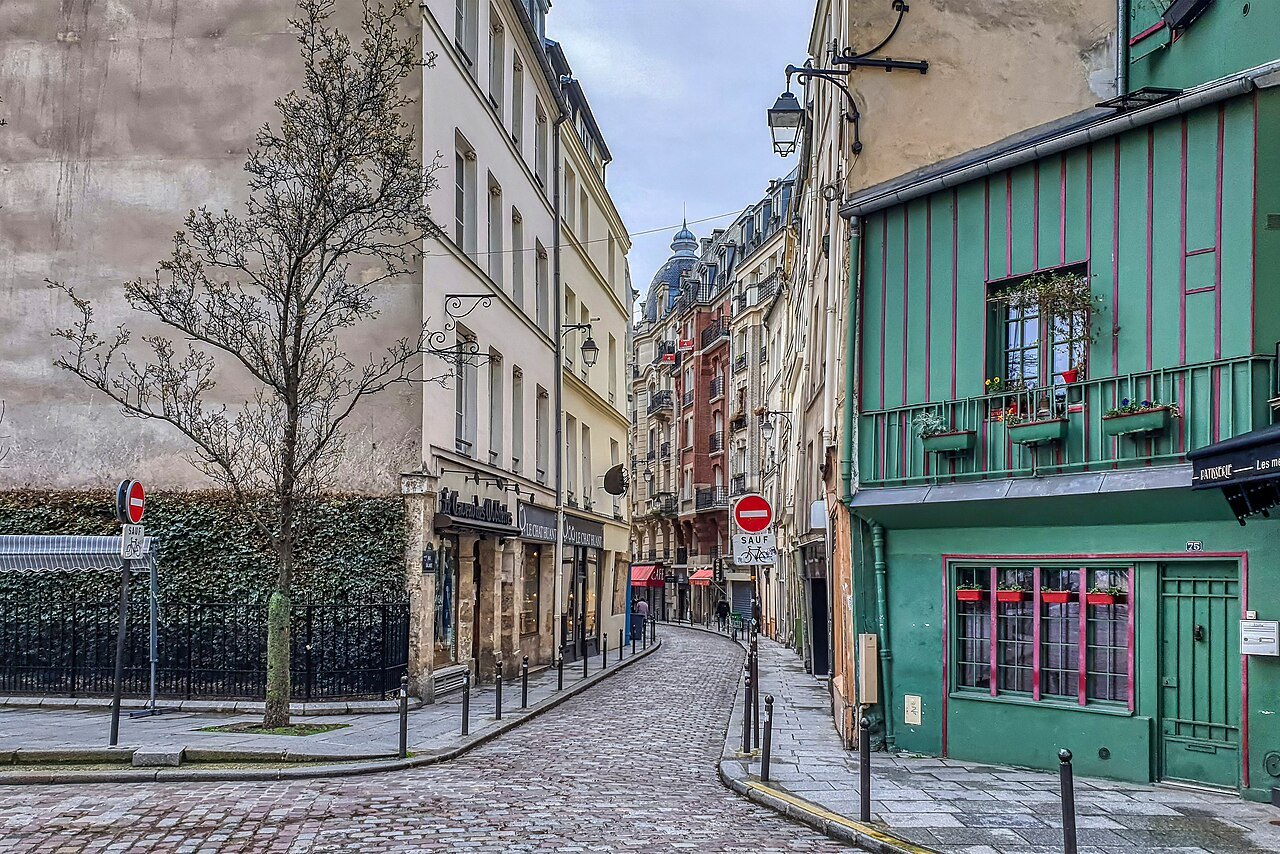
The Rue Galande in the Latin Quarter, dressed with red decorations, a church tower beyondGuilhem Vellut from Paris, France, Wikimedia Commons, CC BY 2.0 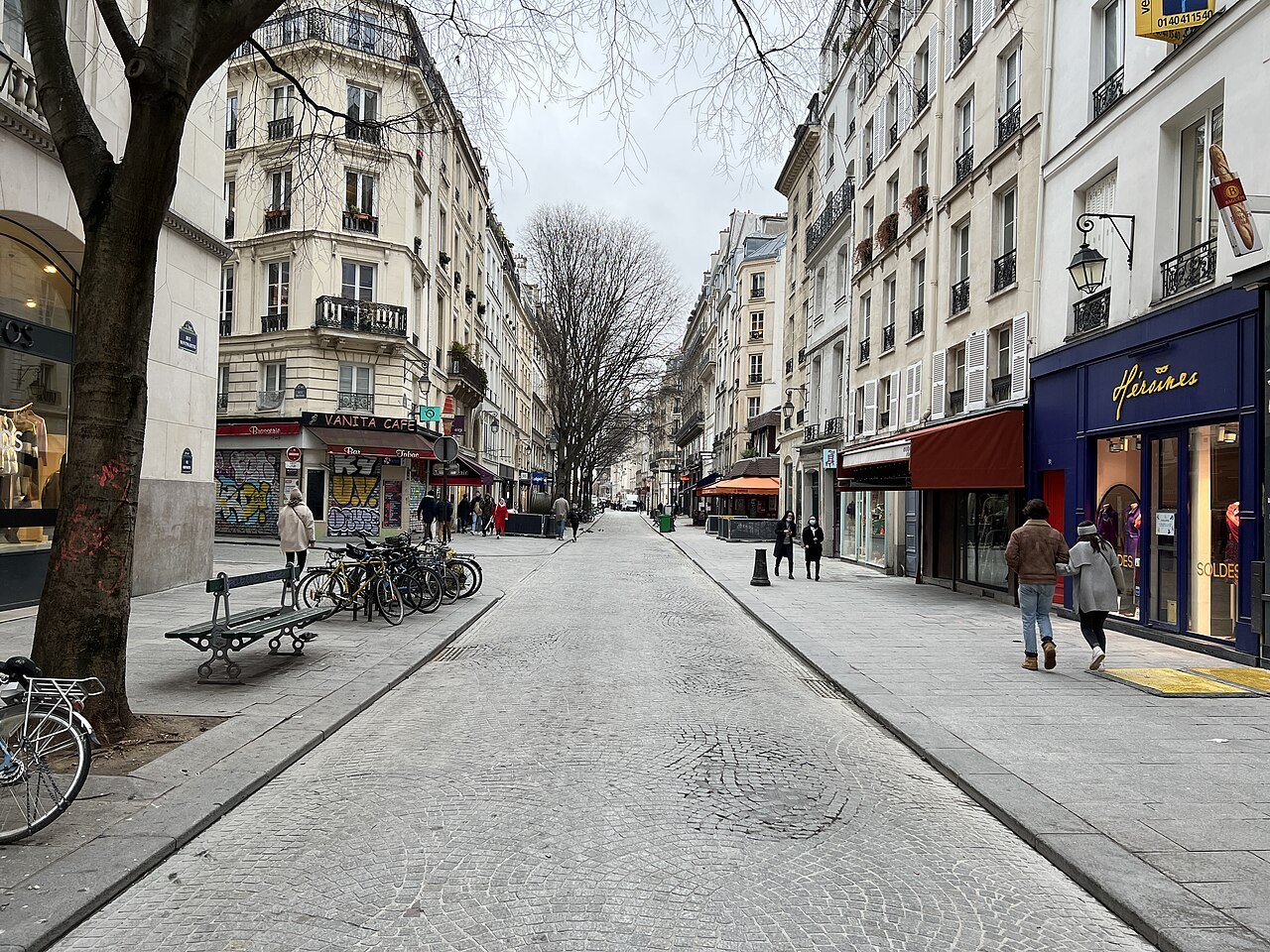
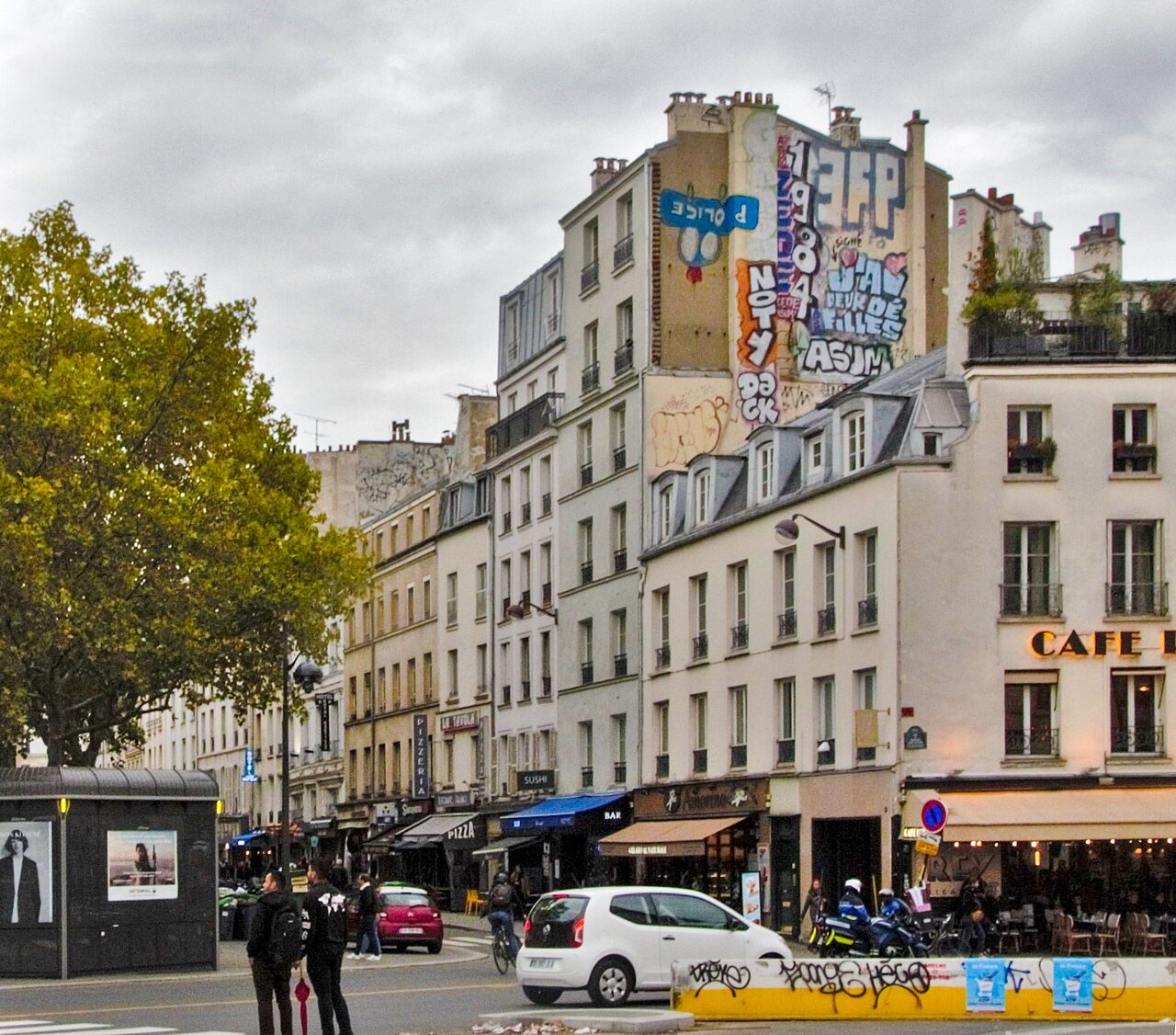
The Rue Montmartre in the 2nd arrondissement, shopfronts along a quiet morning streetChabe01, Wikimedia Commons, CC BY-SA 4.0 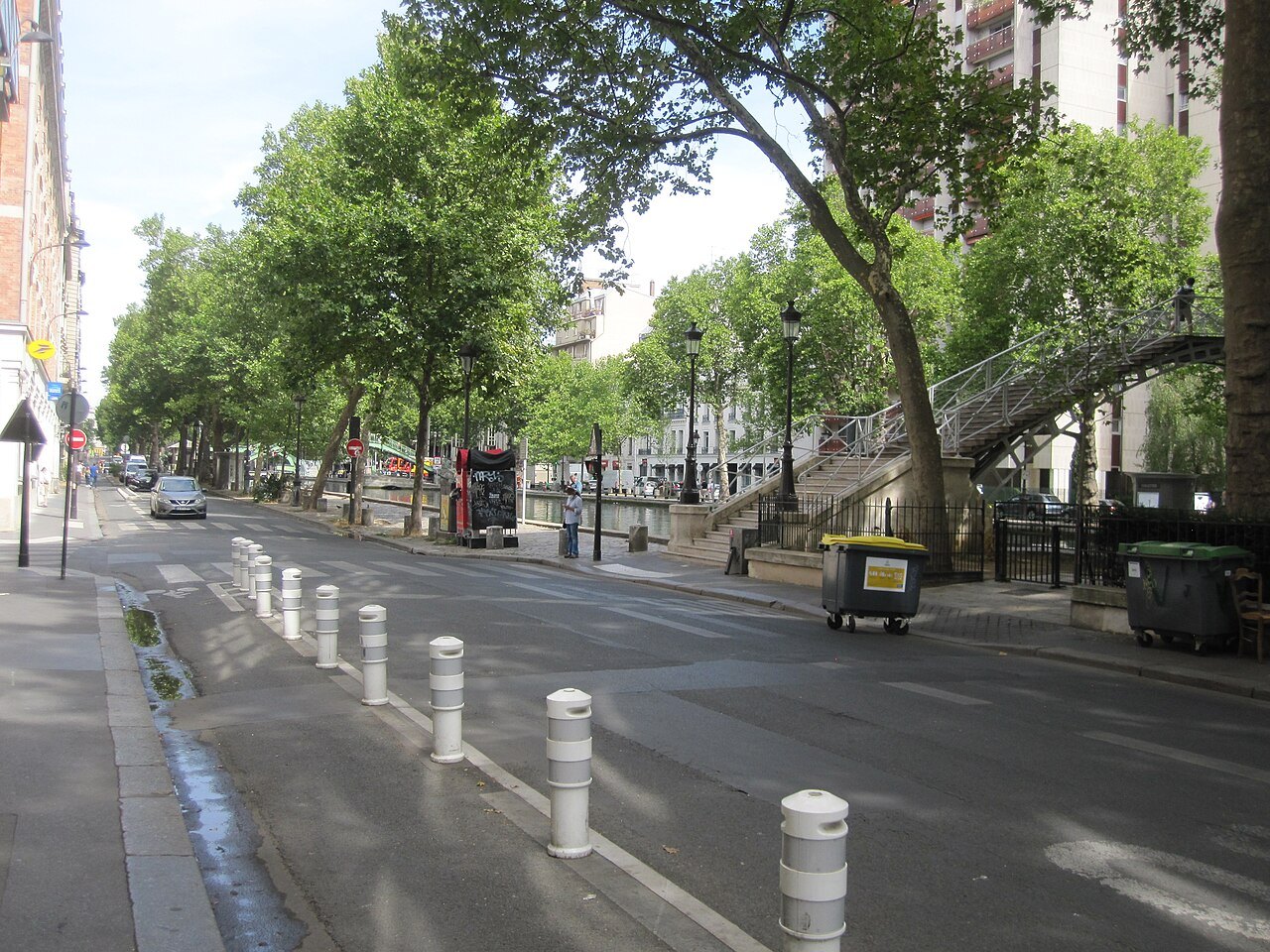
The quay beside the Canal Saint-Martin, an iron footbridge crossing overDiscoA340, Wikimedia Commons, CC BY-SA 4.0