GARGOYLES, CHIMERAS AND THEIR MAKERS
Who carved the gargoyles and chimeras of Notre-Dame?
Why the horned creatures on Notre-Dame's towers are not medieval, and what a true gargoyle actually does.
The answer in full
Read on
Two Centuries, Two Kinds of Creature
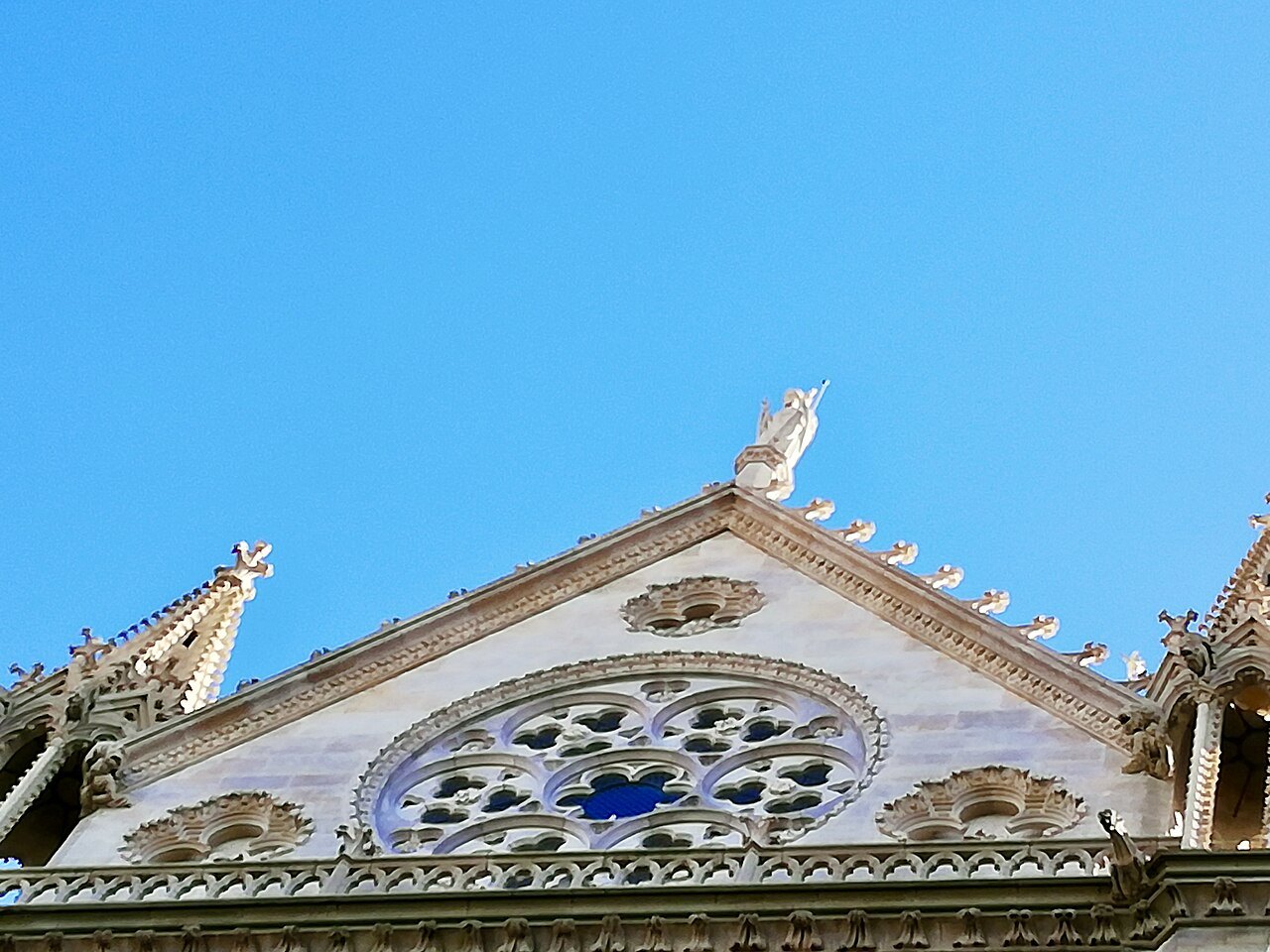
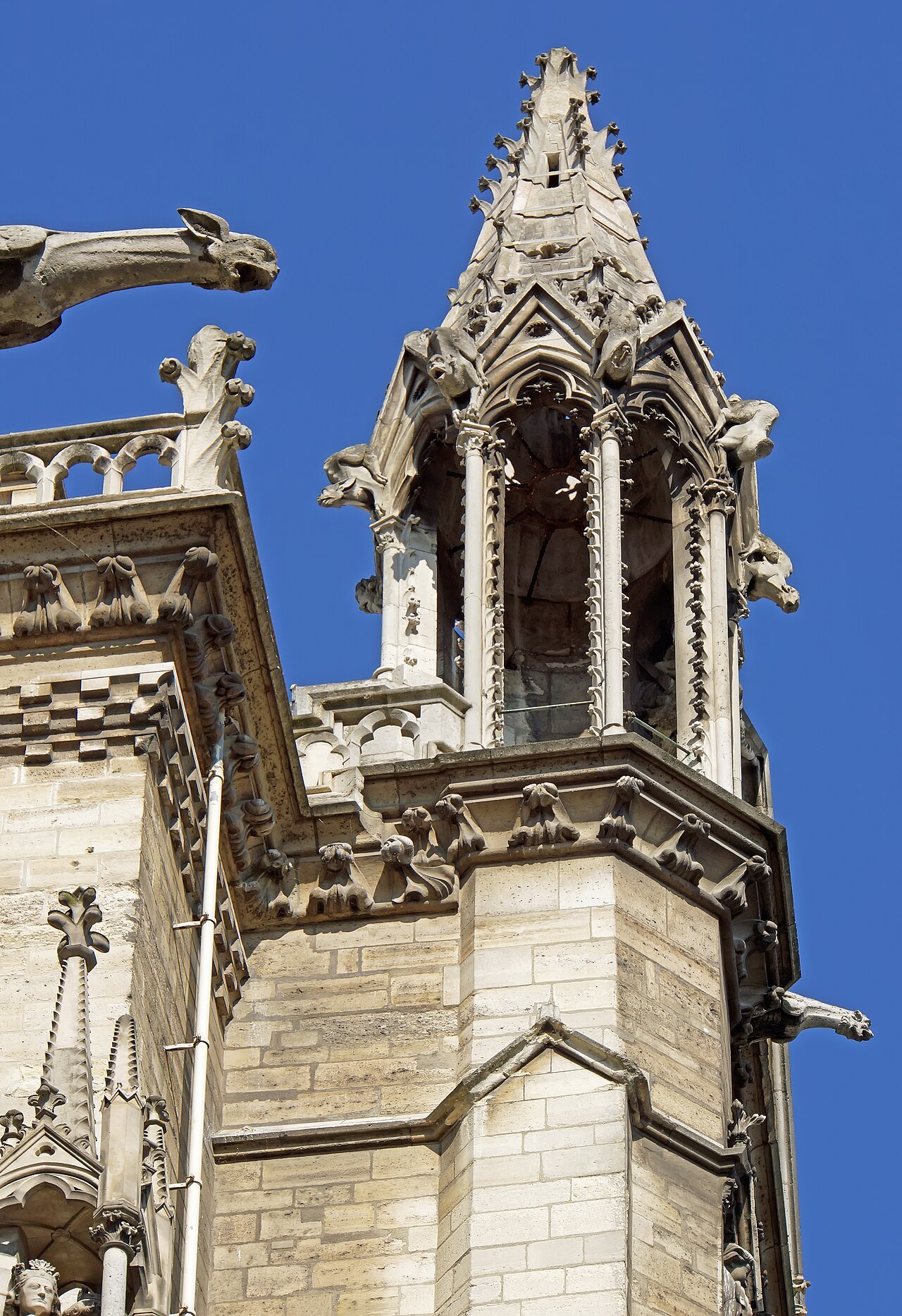
On the towers of Notre-Dame, visitors look up and call almost every carved figure a gargoyle. Strictly speaking, a gargoyle is something plainer: a stone water spout, added to the roofline about 1240, whose only job was to carry rainwater clear of the walls in thin streams rather than let it fall as a torrent onto the crowds gathered on the parvis below.
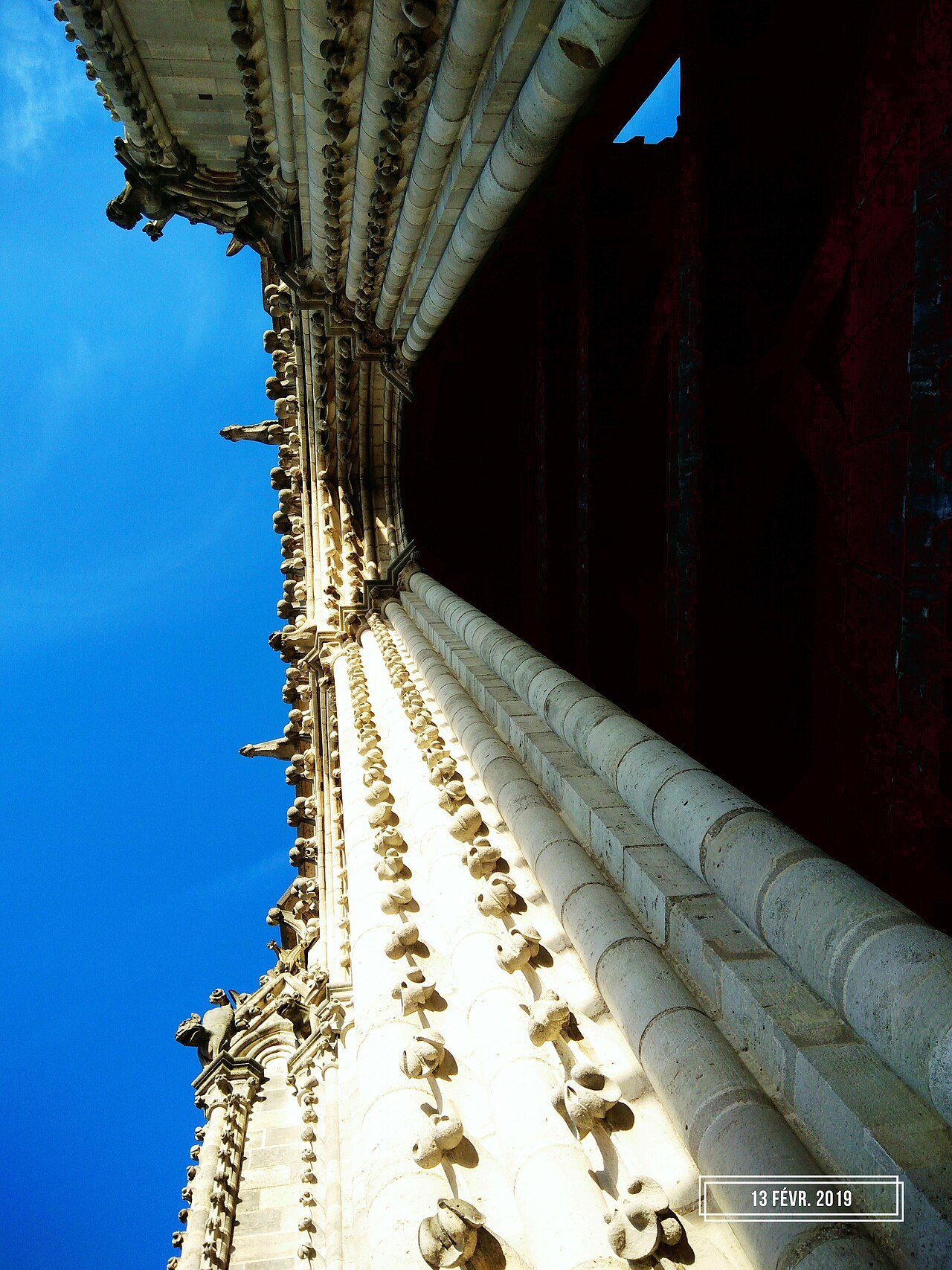
The bat-winged creatures that lean over the tower gallery and seem to survey the city, the figures every postcard shows, are called chimeras, and they are far newer than they look. They were carved during the nineteenth-century restoration led by Jean-Baptiste Lassus and Eugène Viollet-le-Duc, begun in 1844 and lasting twenty years, when the two architects added a good deal of invention of their own in the spirit of Gothic sculpture.
The record names the architects who directed that restoration, not the individual stonecutters who carved the chimeras; a project of that size used a workshop of carvers rather than one hand. Anyone curious about a particular figure should ask at the cathedral's own visitor information or check its official website, which documents the nineteenth-century campaign in more detail than any guidebook can.
Why It Matters
Notre-Dame stands at the eastern end of the Île de la Cité, the island in the Seine where a river crossing existed before there was a city here. It is the cathedral of the Catholic archdiocese of Paris, dedicated to the Virgin Mary, and one of the first great buildings to use the rib vault and the flying buttress, with rose windows and sculpture far more abundant and naturalistic than the Romanesque churches that came before it.
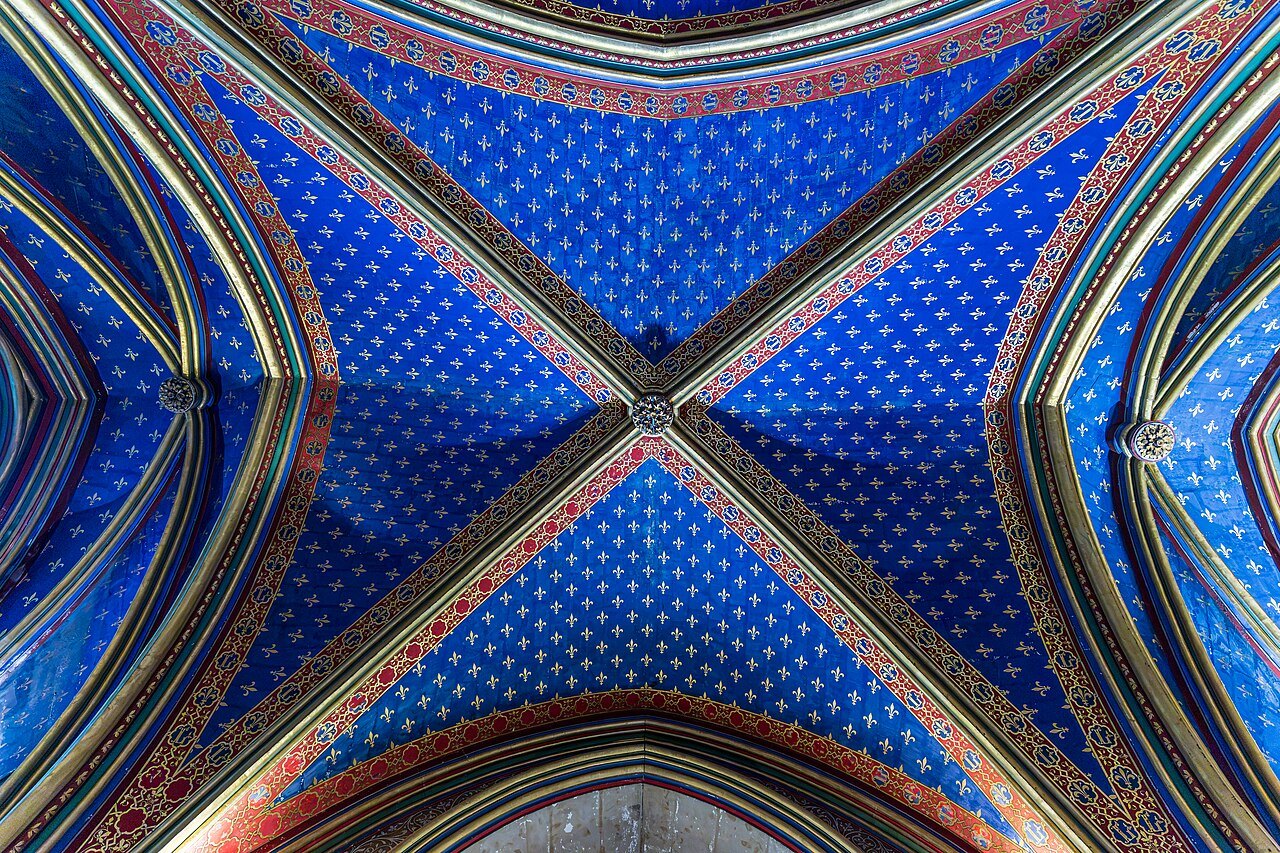
It is also a building with an unusual recent history. On 15 April 2019 a fire in the roof destroyed the spire and the medieval oak framework above the stone vaults. After more than five years of work, the cathedral reopened on 7 December 2024, the stone cleaned inside and out.
What stands today is the same stone church, cleaned inside and out, under a roof and spire rebuilt in the same materials and to the same design as before the fire. The carved decoration on the towers, gargoyles and chimeras alike, is part of what draws visitors to look up from the square.
Eight Centuries of Building
Bishop Maurice de Sully began the cathedral in 1163, with the cornerstone laid in the presence of King Louis VII and Pope Alexander III. The choir came first, its high altar consecrated in 1182; the nave followed, with its flying buttresses in place by about 1200.
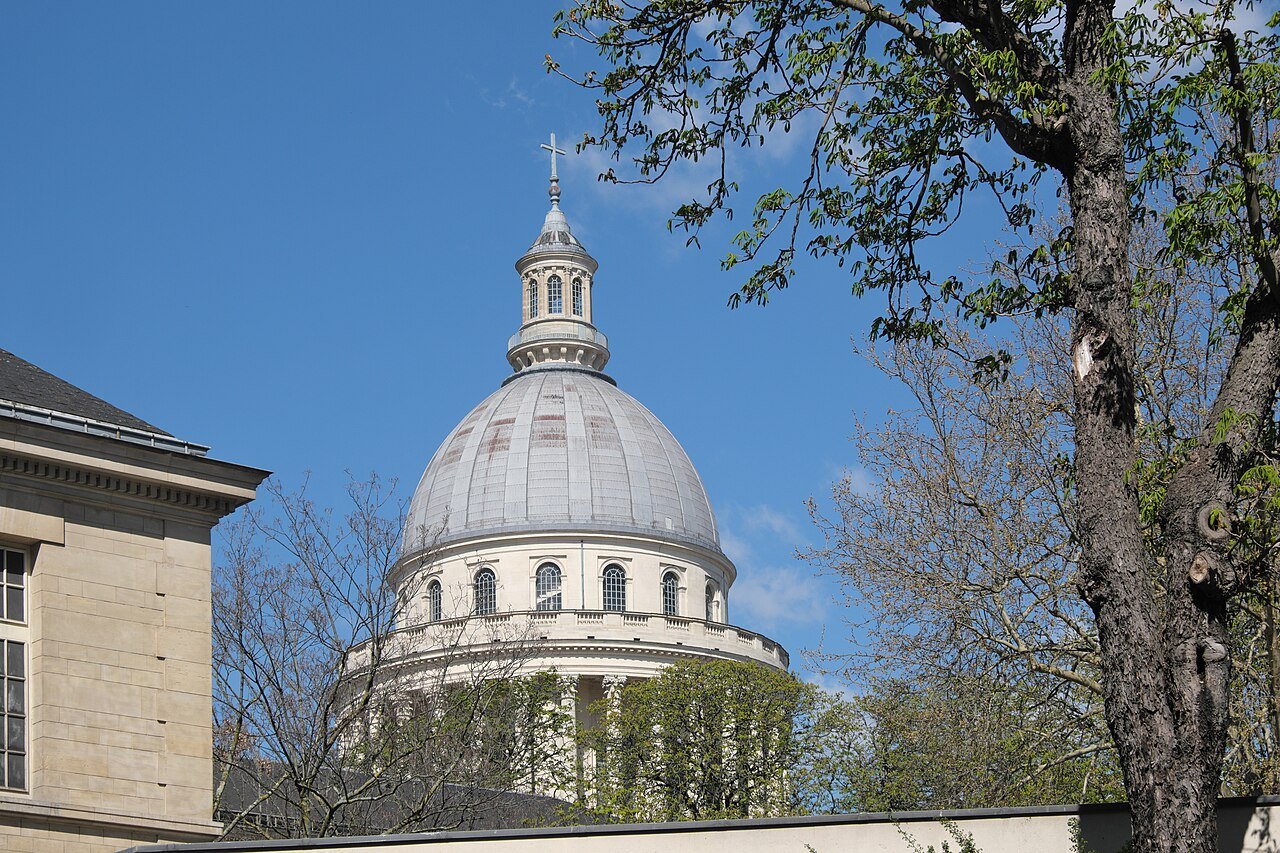
The towers were raised last: the south tower between about 1220 and 1240, the north tower between 1235 and 1250. Look carefully from the square and the north tower is slightly larger. The gargoyles, the true water spouts rather than the tower-gallery creatures, were added to the roofline around 1240, in this same building campaign.
The transepts were lengthened in the middle of the thirteenth century to let in more light, and their two great rose windows followed soon after, the north about 1250 and the south about 1260. Stone for the vaults came from quarries in the Vexin, northwest of Paris, likely floated down the Seine by boat.
Revolution, an Emperor and a Novel
The Revolution treated the cathedral harshly. In 1793 it was rededicated to the Cult of Reason, and the twenty-eight statues of the kings of Judah across the west front, mistaken at the time for kings of France, were beheaded. Many of the heads turned up in a nearby excavation in 1977 and are now in the Musée de Cluny.
For a time the building served as a warehouse. In 1804 Napoleon was crowned emperor inside it. By the 1830s Notre-Dame was in such poor condition that demolition was seriously discussed, the sculpture and stonework worn after decades without proper repair, the same gargoyles and portal figures dulled by grime and neglect.
Victor Hugo's novel of 1831, known in English as The Hunchback of Notre-Dame, turned public feeling toward saving the building, and in 1844 a restoration began under Jean-Baptiste Lassus and Eugène Viollet-le-Duc. It lasted twenty years and gave the cathedral both its rebuilt spire and the chimeras that visitors now search for on the tower gallery.
The Fire and the Rebuilding
The fire of April 2019 began in the attic and spread through the forest of oak beams that carried the lead roof. The spire, itself rebuilt by Viollet-le-Duc after the original was taken down in 1786, collapsed into the crossing, bringing down about 750 metric tons of stone and lead.
Firefighters concentrated on the north tower, where eight of the bells hang, because a collapse there could have brought down both towers; the stone vaults below held for the most part. Finding the right timber came first: in 2021 about a thousand mature oaks were chosen from forests across France for the new roof and spire, then left to dry before they could be worked.
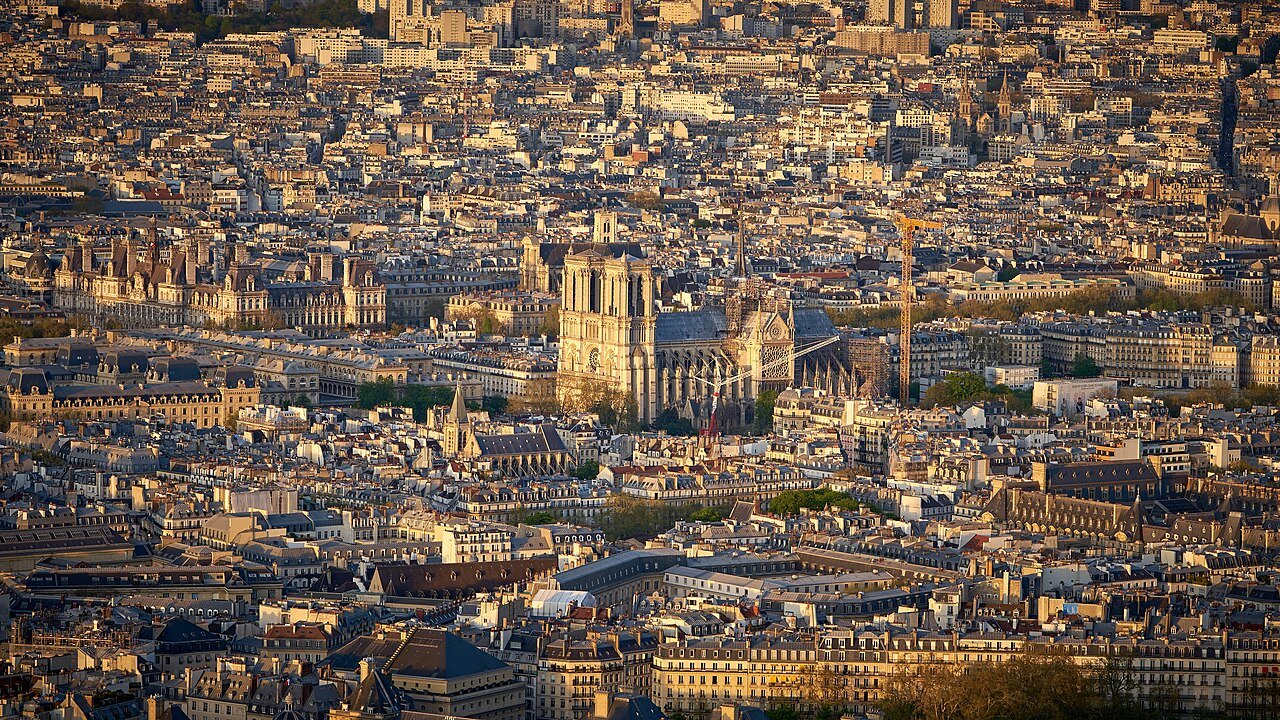
The cathedral reopened on 7 December 2024, and on 13 December 2024 the relic of the Crown of Thorns, saved from the fire, was brought back inside. It travels now past the same gargoyles and chimeras, one set eight centuries old and the other not yet two hundred, that survived or were rebuilt through every chapter of this history.
What You See, and How to Visit
Start on the parvis and read the west front from the bottom up: the central portal shows the Last Judgment, the right portal the coronation of the Virgin, the left portal the lives of saints dear to Parisians, especially Saint Anne. All of this sculpture was once painted and gilded. Above runs the gallery of kings, remade in the nineteenth century, and above that the west rose, about 31 feet across.
Inside, walk the length of the nave for the two transept roses: the south rose, about 42 feet across and given by King Louis IX, holds ninety-four medallions of Christ surrounded by apostles, martyrs, virgins and angels. The great organ at the west end, built by Aristide Cavaillé-Coll from pipes of earlier instruments, was dedicated in 1868.
Allow at least an hour for the square, the nave and a walk around the outside to see the flying buttresses at the east end. The towers are climbed separately, by a stairway of 387 steps with a stop at the level of the rose window, and are not for anyone who dislikes narrow stairs; the cathedral remains a working church, so services continue while visitors are inside. For what else across the city is worth reserving ahead, see booking ahead.
Read next
More from the journal
- Notre-Dame de ParisWhat happened to Notre-Dame in the fire of 2019?On 15 April 2019 fire destroyed the spire and the medieval oak roof of Notre-Dame; the stone vaults, the towers, the façade and the great windows survived. How the fire spread, how firefighters saved the north tower, how the roof was rebuilt in oak, and what visitors notice since the reopening in December 2024.Read the piece →
- Getting AroundHow does the Paris Métro work for visitors?Sixteen lines, 321 stations and one simple rule: follow the line's number and the name of the station at the end of it. How to read the signs, change lines, pay, and where the Métro is hard going with luggage or a wheelchair.Read the piece →
- Getting HereHow do you get from Charles de Gaulle Airport to central Paris?Most visitors take the RER B, which runs from the airport's two stations to the Gare du Nord, Châtelet and the Left Bank. How the terminals connect, which train to board, how to handle luggage on a commuter line, and when a taxi makes more sense.Read the piece →