WHERE EXISTENTIALISM FOUND ITS TABLE
Why were the cafés of Saint-Germain the center of existentialism?
How Les Deux Magots, the Café de Flore, and the Brasserie Lipp became the working offices of Sartre, Beauvoir, and postwar Paris.
The answer in full
Read on
A Quarter Older Than the City Walls
Saint-Germain-des-Prés fills part of the sixth arrondissement, between the Seine and the Luxembourg Gardens, and takes its name from an abbey whose church still stands at the heart of the quarter. The abbey grew up in meadows, les prés, outside the walls of medieval Paris, and its church is considered the oldest in the city.
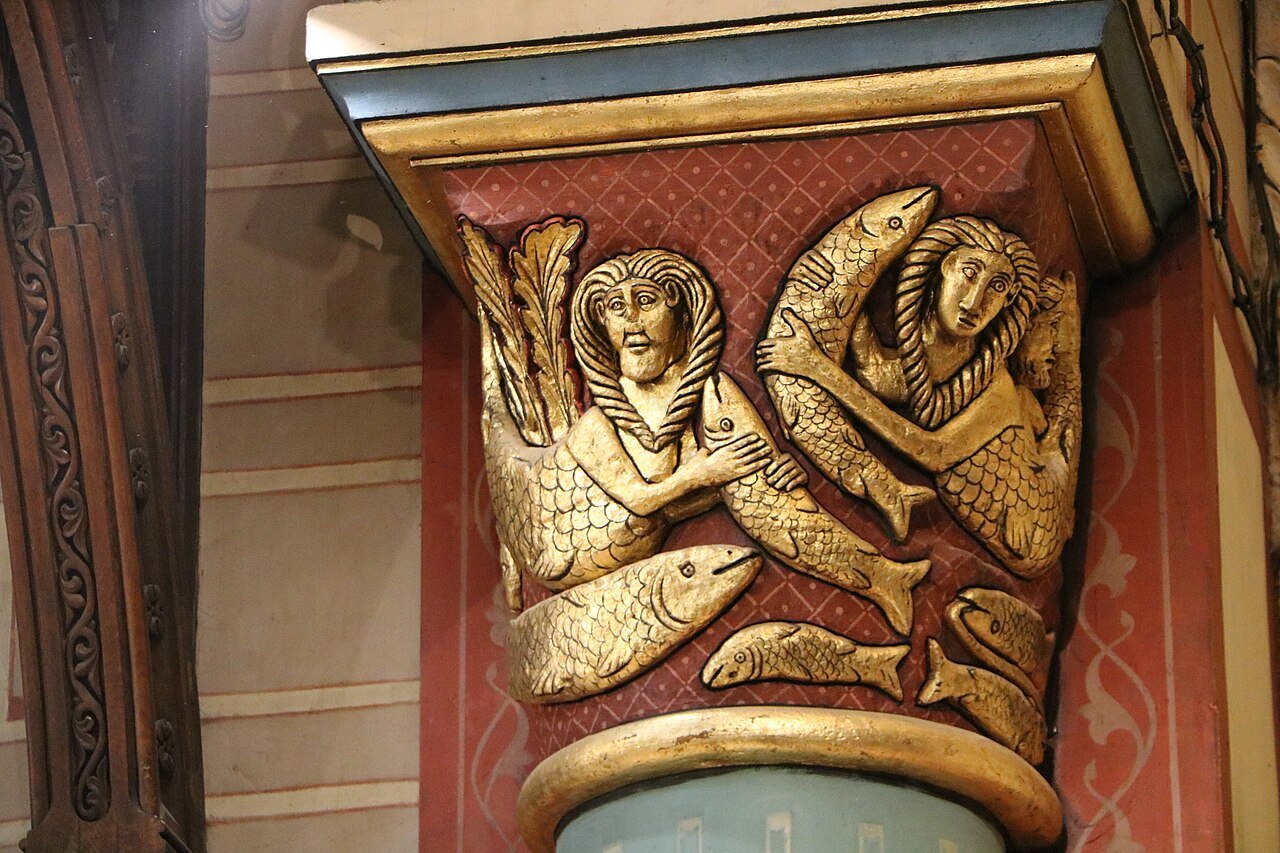
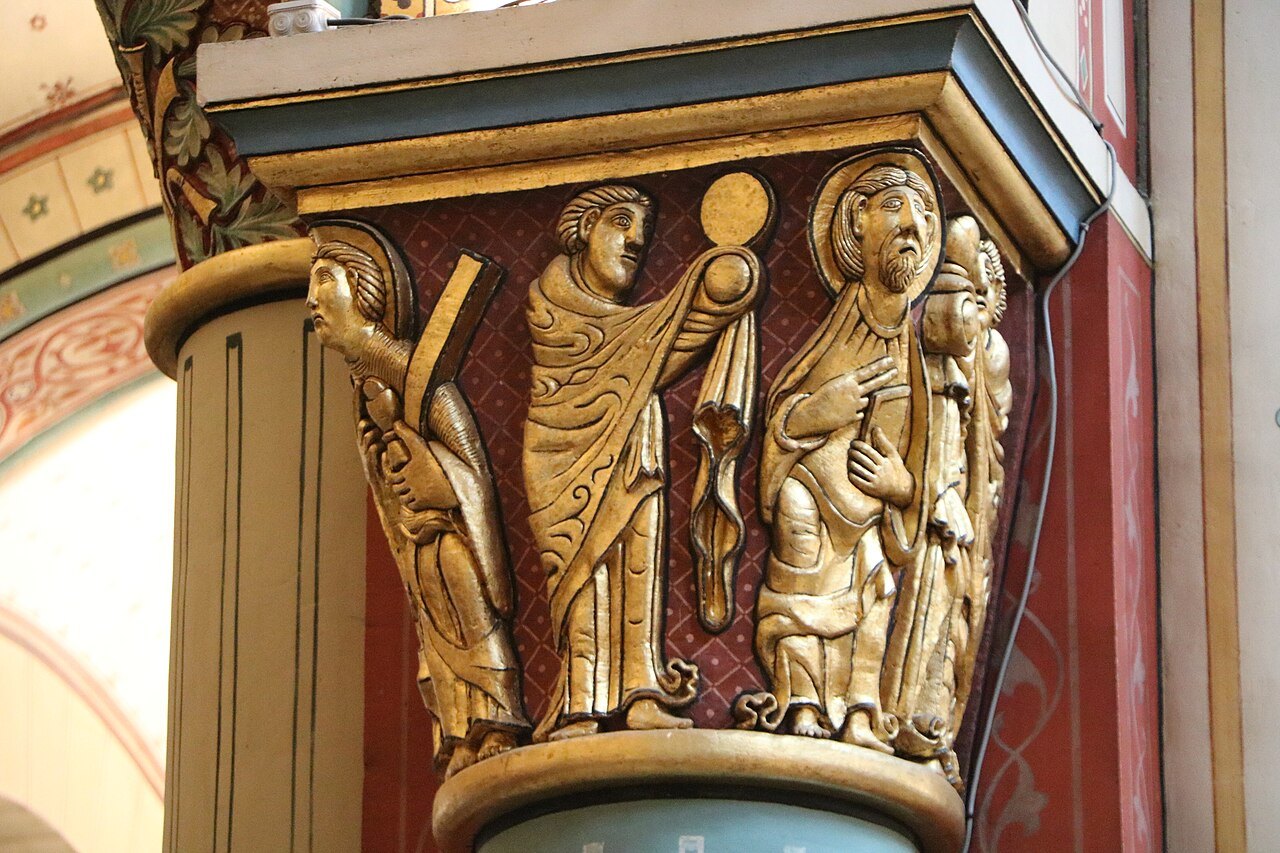
It was founded by Childebert I, a son of Clovis, the first king of the Franks, to hold relics brought back from the siege of Zaragoza in Spain: a piece of the True Cross and part of the tunic of Saint Vincent. Dedicated in 558, the year Childebert died, it became the burial place of Merovingian kings, before the Vikings destroyed it.
Rebuilt and renamed for Germain, a sixth-century bishop of Paris, the abbey became famous for its scholars and illuminated manuscripts. The church standing today was rebuilt around the year 1000, its lower bell tower, nave and transept dating from then. The Revolution destroyed nearly everything else, and the church became the parish church of the quarter.
The Rise of the Literary Café
The first café in Paris opened at the Saint-Germain fair in 1672, and the Café Procope, on what is now the Rue de l'Ancienne-Comédie, drew writers from the start; Diderot and d'Alembert are said to have planned their Encyclopédie there. The quarter's publishers and printers kept writers close for centuries afterward.
Les Deux Magots, on the Place Saint-Germain-des-Prés, became a café in 1884, keeping the name of the fabric and silk shop it replaced, itself named after a popular play of the day. The two carved Chinese figures, the magots, still watch over the room from above the counter, as they have for more than a century.
Its patrons over the decades included Hemingway, Camus, Picasso, James Joyce, James Baldwin and Richard Wright, and the café has awarded its own literary prize every year since 1933. Next door, on the corner of the Rue Saint-Benoît, the Café de Flore served as Sartre and Beauvoir's other office.
Sartre, Beauvoir, and the Idea of Existentialism
Writers in the quarter after the Second World War often lived in small, cold rooms and did their real work at café tables instead, where the lighting was better, the company closer, and the hours longer. The philosopher Jean-Paul Sartre and the writer Simone de Beauvoir made Les Deux Magots and the Café de Flore the working center of existentialism.
They were not alone there. Camus and others moved through the same rooms, arguing and writing in public in a way that made the cafés themselves part of the philosophy's public image, even if the thinking happened as much in books and lecture halls as at the tables.
The cafés are crowded with visitors today, but Parisians still meet in them, and the literary prize awarded by Les Deux Magots still goes to a French novel every year, a sign that the scene around these tables did not end simply because the philosophers who made it famous did.
Jazz in the Cellars
After the Liberation the quarter filled with jazz as well as philosophy, in small cellar clubs such as Le Tabou, the Club Saint-Germain and the Vieux-Colombier, tucked below the streets near the boulevard and reached down narrow staircases. Sidney Bechet and Boris Vian played in these rooms, and Juliette Gréco sang.
Legend holds that Sartre was a regular at these clubs, dancing among the crowds after a day of writing at the Flore. Sartre himself told a rather different story, writing that he rarely went at all, finding the cellars far too crowded and far too loud for his liking.
Little is recorded here about which of these cellars still operate under their old names, and small clubs of this kind open and close over the decades. A visitor keen on hearing live jazz in the quarter today should check current listings directly rather than rely on names from the 1940s.
Saint-Sulpice and Its Myths
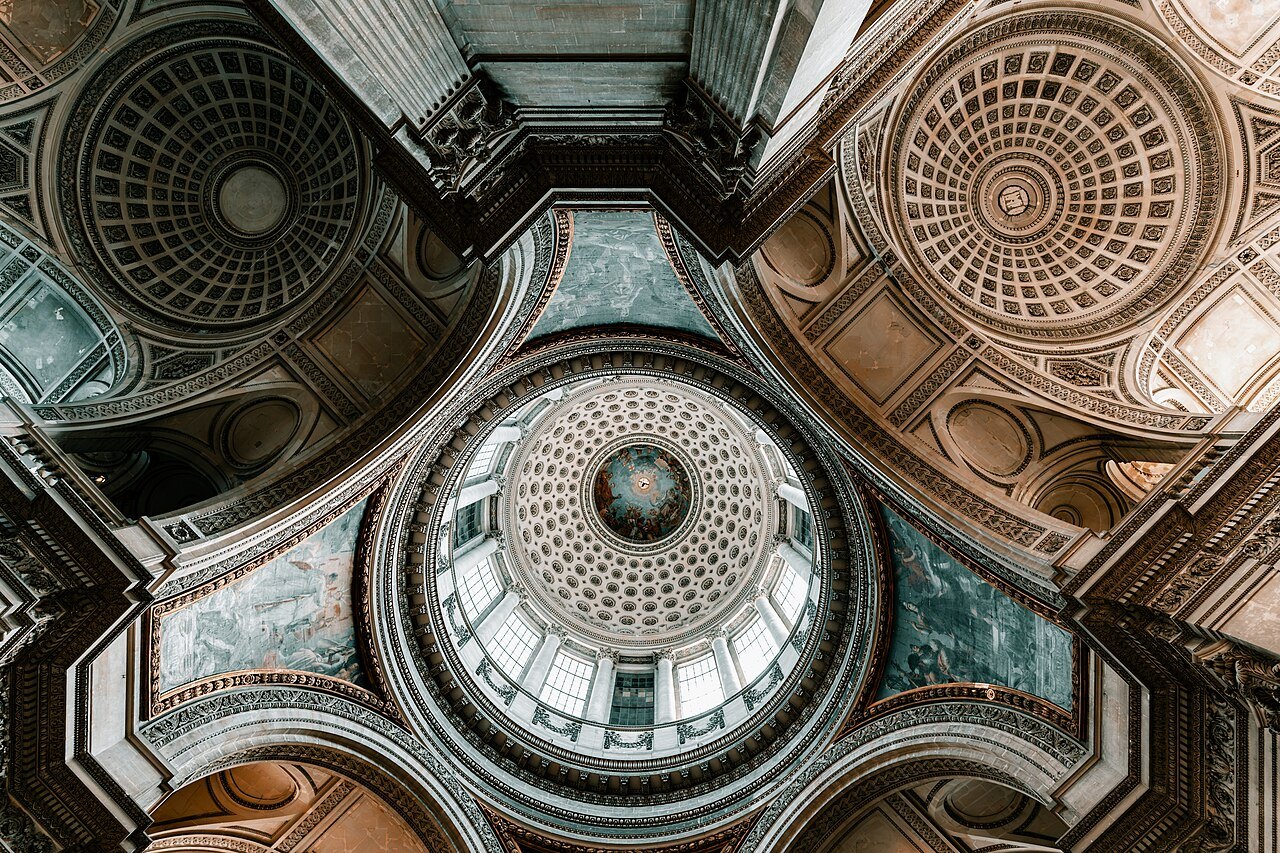
A few minutes south, on its own square with a great fountain at the center, stands Saint-Sulpice, the second-largest church in Paris, begun in 1646. In its first chapel on the right are Eugène Delacroix's murals of 1855 to 1861, Jacob Wrestling with the Angel and Heliodorus Driven from the Temple, painted near the end of his life.
The painter's former apartment and studio, a few streets away, is now the national museum of his work. The church's great organ is one of the most important in the world, played over the years by a long line of famous organists, among them Charles-Marie Widor and Marcel Dupré.
Across the floor of the transept runs the gnomon, an eighteenth-century instrument: a brass meridian line set into the floor, rising up a white marble obelisk about thirty-five feet high. A lens in the south window throws a spot of sunlight onto the line, and at midday on the winter solstice the spot reaches the obelisk.
The brass line is not a pagan Rose Line, and it is not the Paris meridian. Dan Brown's novel of 2003 sent crowds to see it on that understanding, but it was built in the eighteenth century at the request of the parish priest, to fix the dates of the equinoxes and so the date of Easter, and it does not coincide with the meridian that once ran through the Paris Observatory.
How to Visit
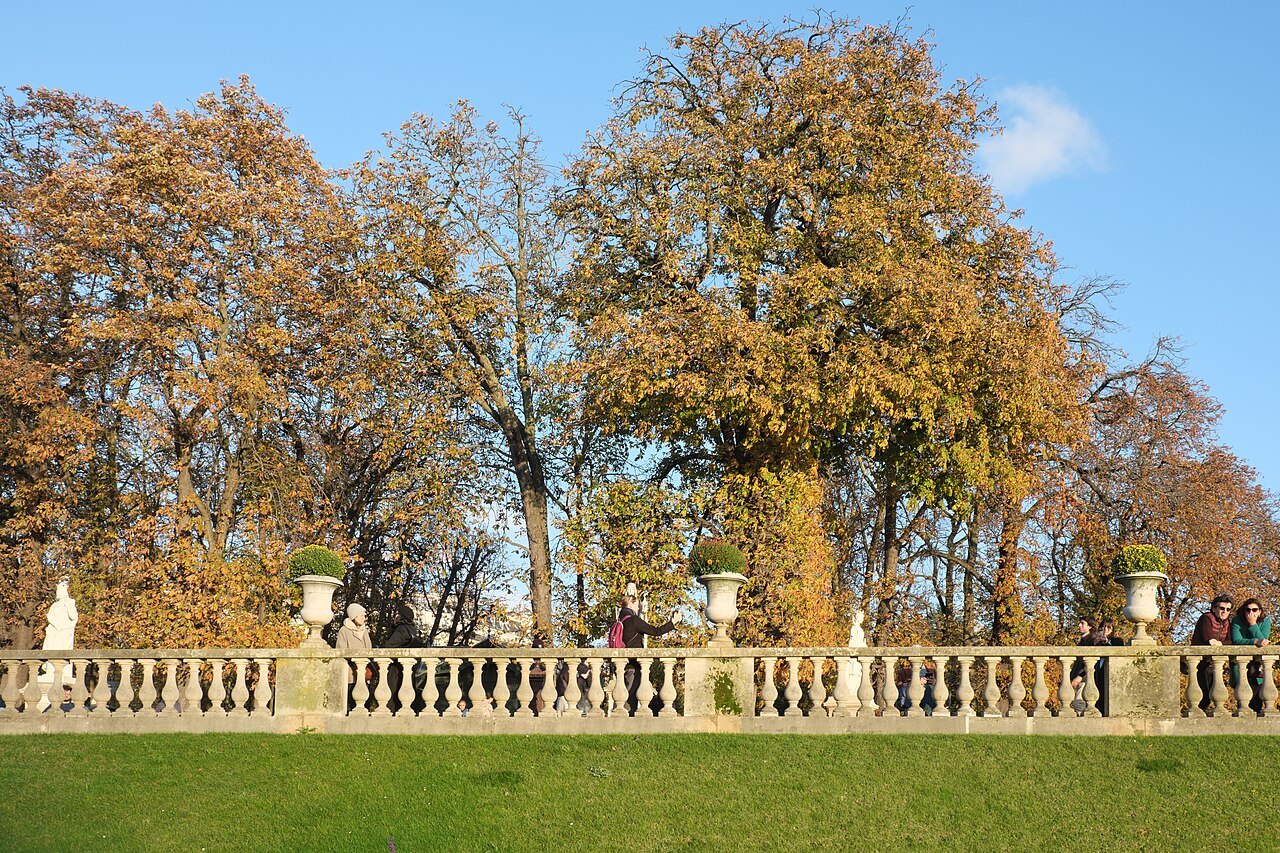
Start at the church of Saint-Germain-des-Prés itself, then sit for a while at one of the café terraces along the boulevard before walking south to Saint-Sulpice and on toward the Luxembourg Gardens. The whole walk covers only a few streets and needs no fixed plan.
North of the boulevard, the streets running down to the river are full of galleries and bookshops, leading to the École des Beaux-Arts, near the small hotel on the Rue des Beaux-Arts where Oscar Wilde spent his last days, and on to the Pont des Arts, the footbridge across to the Louvre.
Both churches are working parishes, so plan to visit outside times of service, and check each church's own notice board or website rather than guessing when a Mass might be underway. For places to eat or simply sit nearby, see eating and drinking.
The quarter itself is compact and is best explored slowly on foot, with Métro stations standing close to the boulevard on more than one line and buses running along it as well. For details on reaching Saint-Germain-des-Prés and moving around the rest of the city, see getting around.
Read next
More from the journal
- The SeineWho are the booksellers along the Seine?The bouquinistes, some two hundred booksellers who keep about nine hundred green boxes on the stone parapets of the Seine. Where they are, how the trade began on the Pont Neuf, why the boxes are the color they are, and how to browse them.Read the piece →
- The Luxembourg GardensHow do you sail a toy boat in the Luxembourg Gardens?How visitors can watch or try the model-boat tradition on the Grand Bassin of the Luxembourg Gardens.Read the piece →
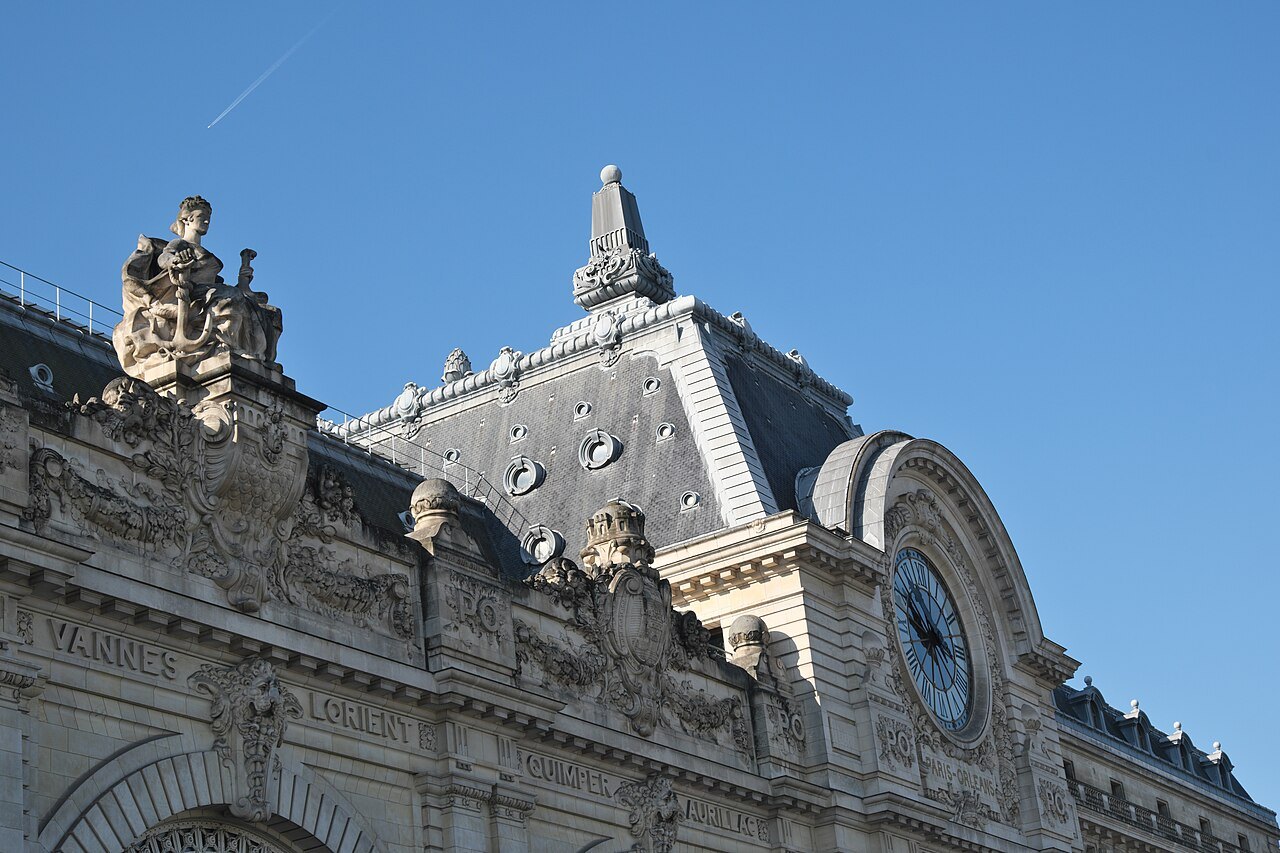
- The Musée d'OrsayHow did a railway station become the Musée d'Orsay?How a Belle Époque railway terminus on the Seine became the world's great home of Impressionist painting.Read the piece →