Home · Sights · The Musée Rodin
What you are looking at
The Musée Rodin
7th
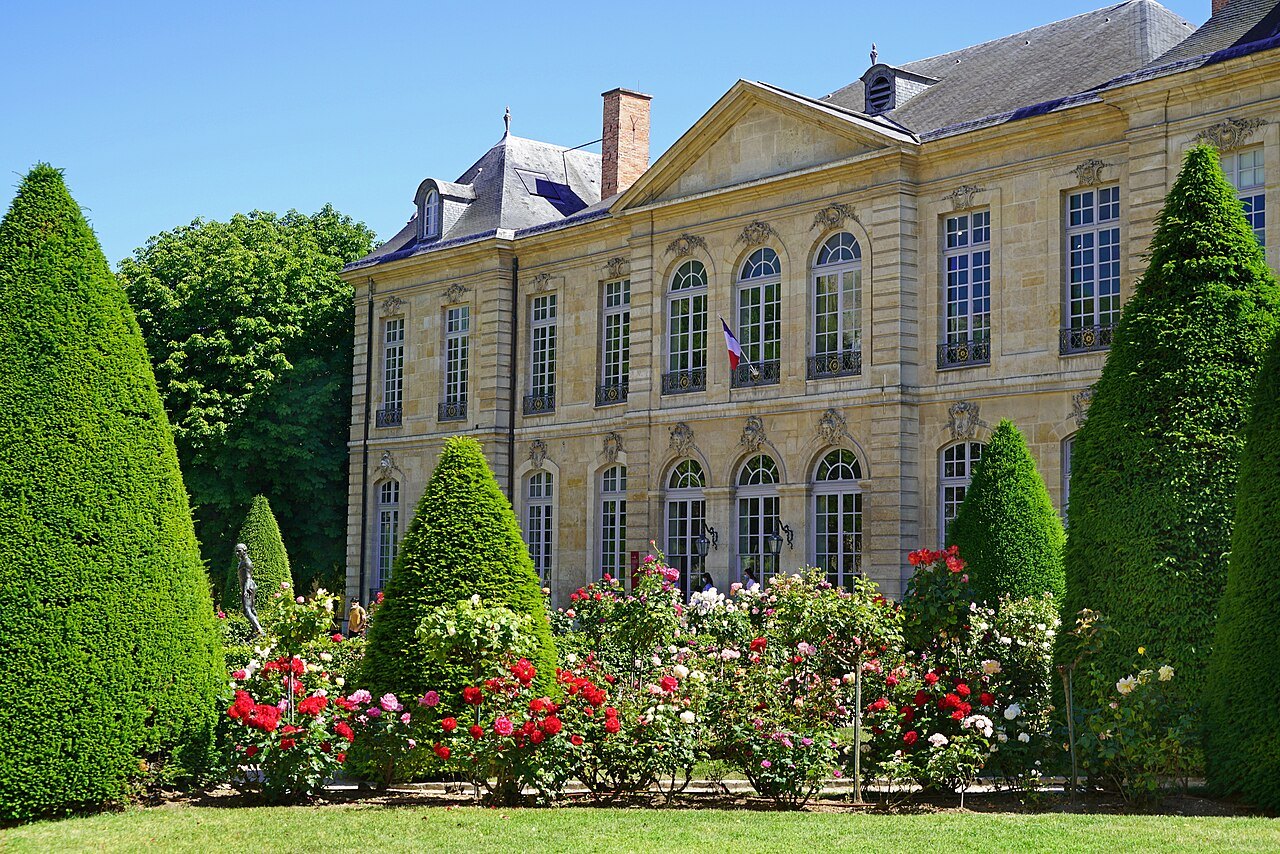
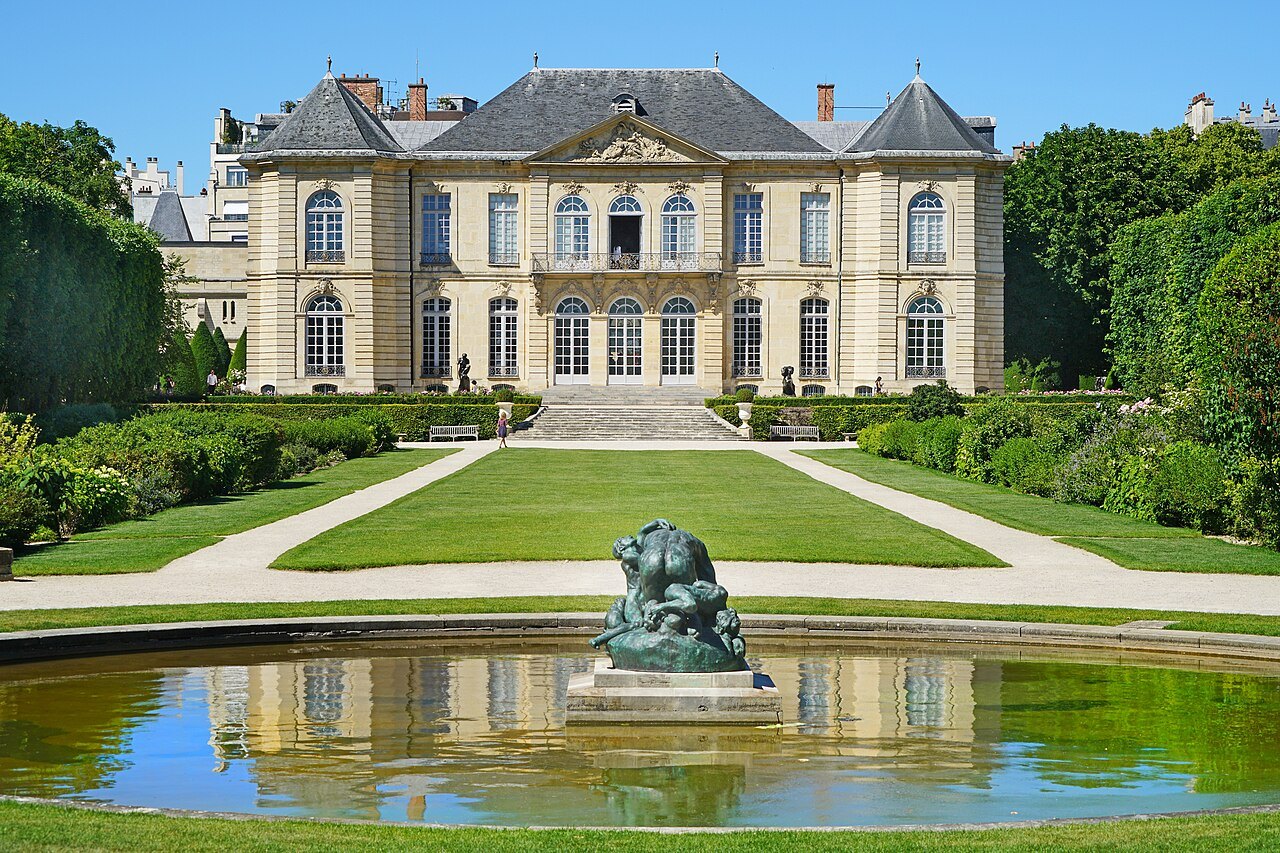
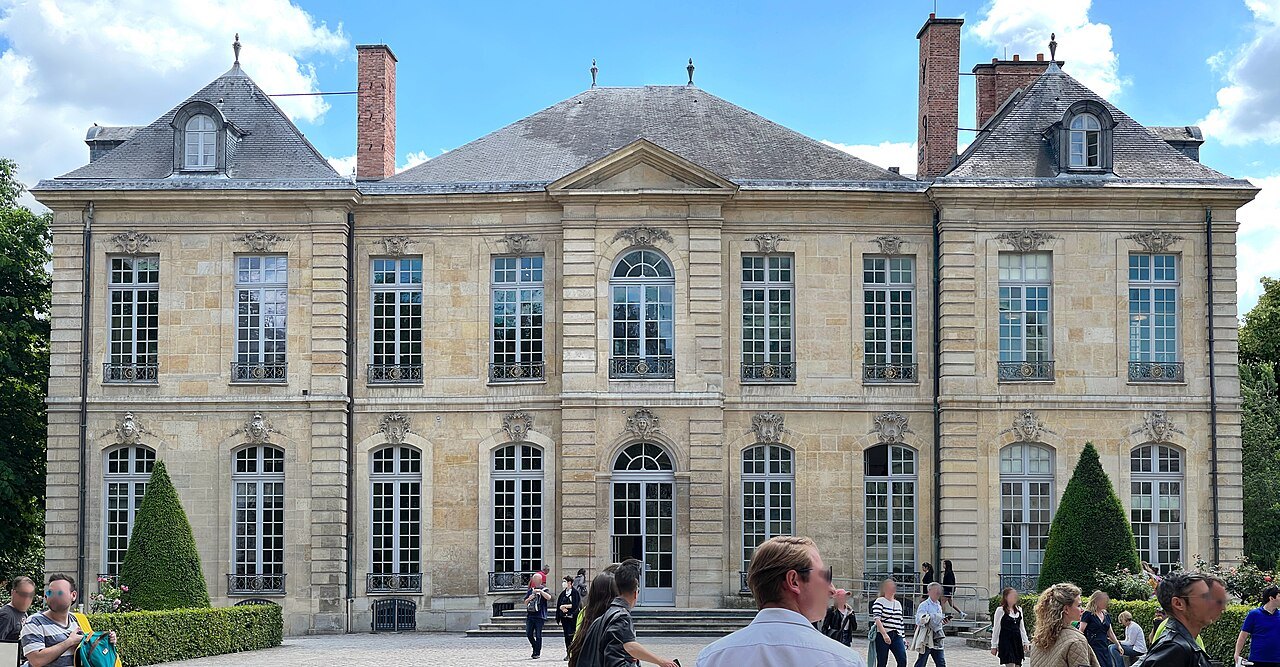
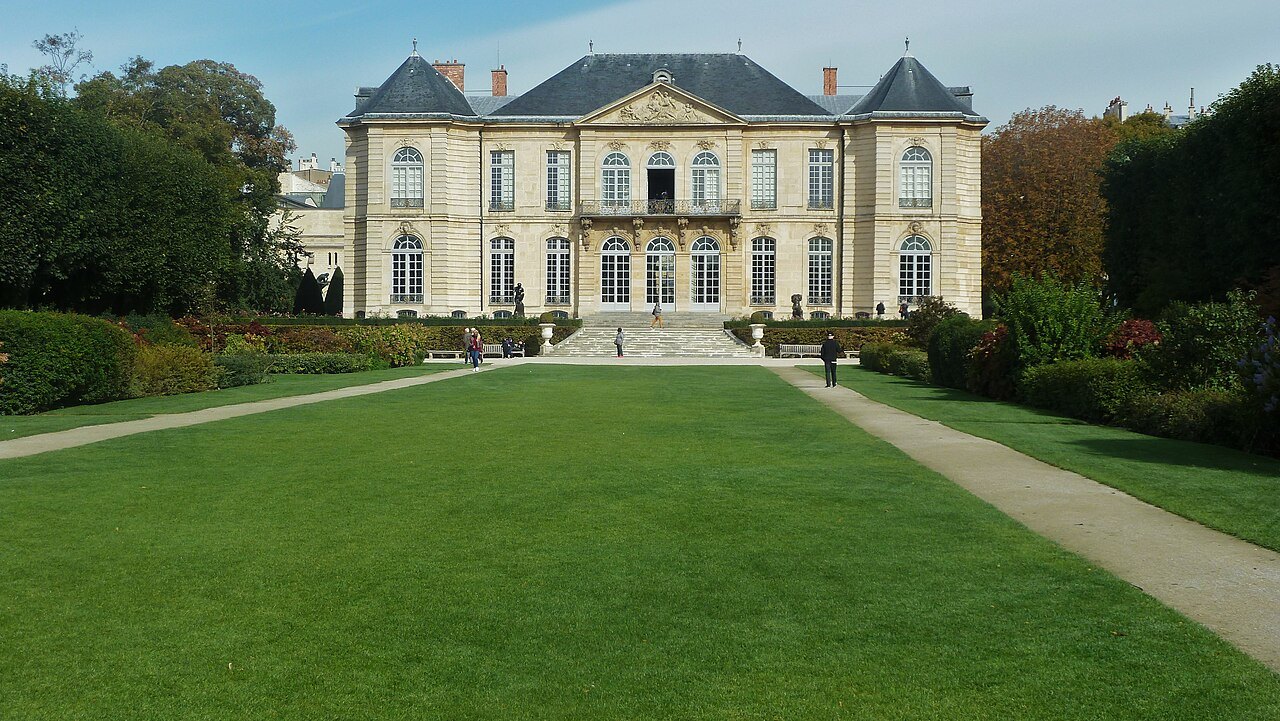
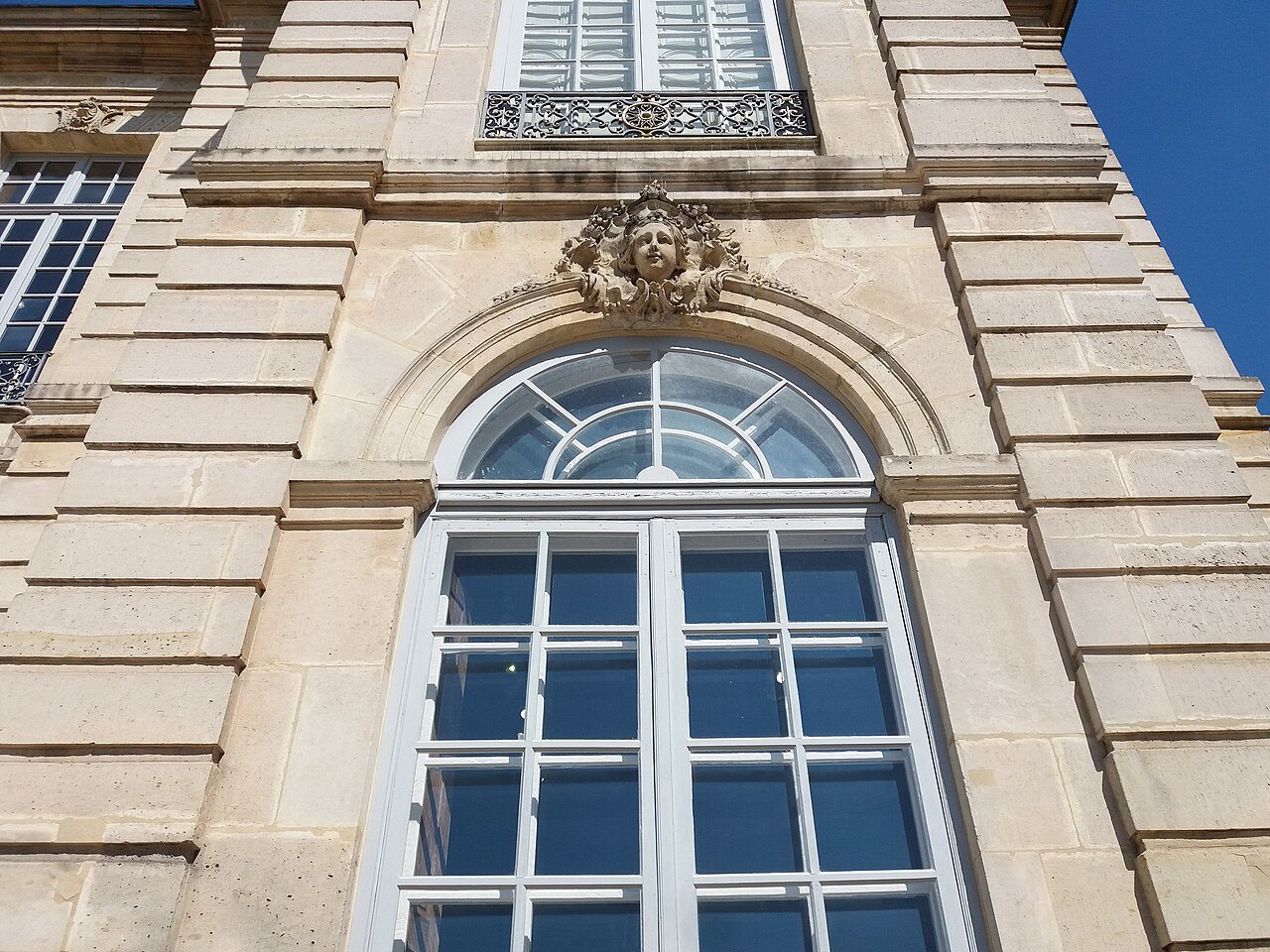
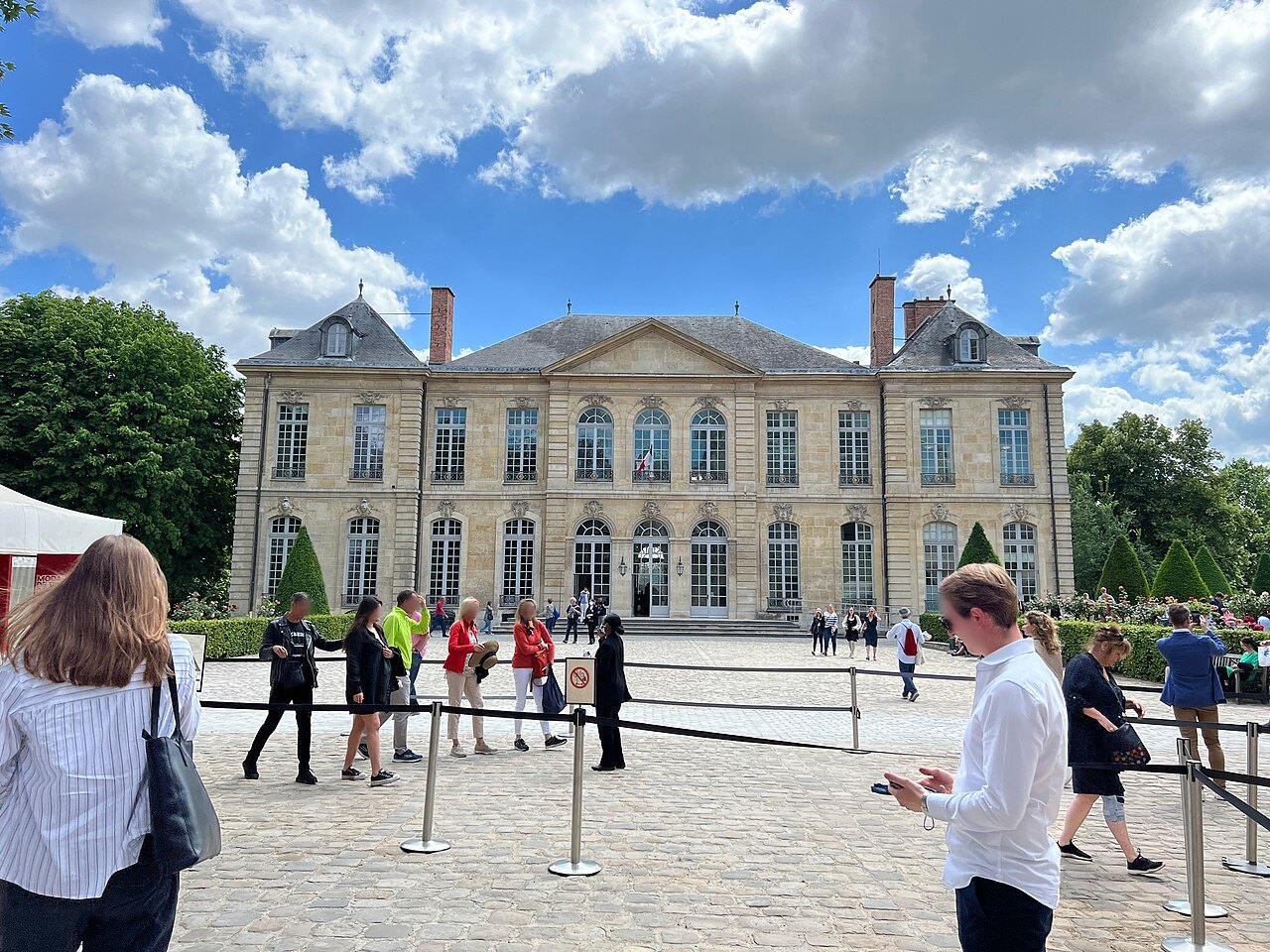
- 1The Hôtel BironA mansion of 1727 to 1732 in the classical style, with rocaille decoration and tall windows.
- 2The ThinkerRodin's seated figure, first called The Poet, in its first great bronze of 1904, in the garden.
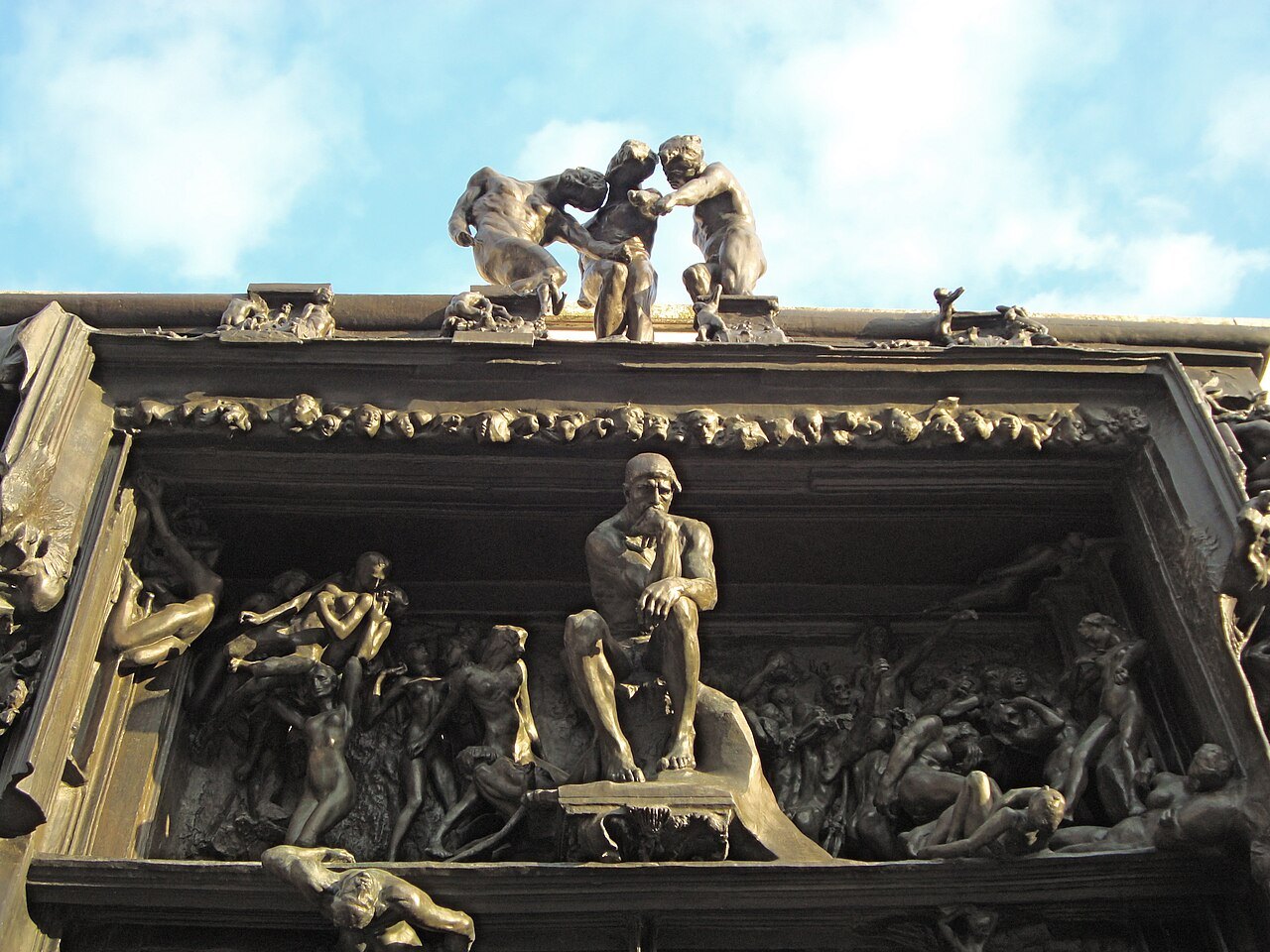
- 3The Gates of HellA bronze doorway of about 180 figures from Dante, worked on for thirty-seven years.
- 4The rose gardenClipped yews, lawns and roses around the house, with bronzes set among the trees.
- 5The Claudel roomCamille Claudel's sculpture, among it The Waltz and The Mature Age.
The sight in full
Reading the place
Why it matters
The Musée Rodin fills a mansion and its garden on the Rue de Varenne, in the 7th arrondissement, between the Invalides and the ministries of the Faubourg Saint-Germain. It is devoted to Auguste Rodin, the sculptor who more than anyone made modern sculpture, and it holds most of his important works: The Thinker, The Kiss, The Gates of Hell, The Burghers of Calais and the monument to Balzac.
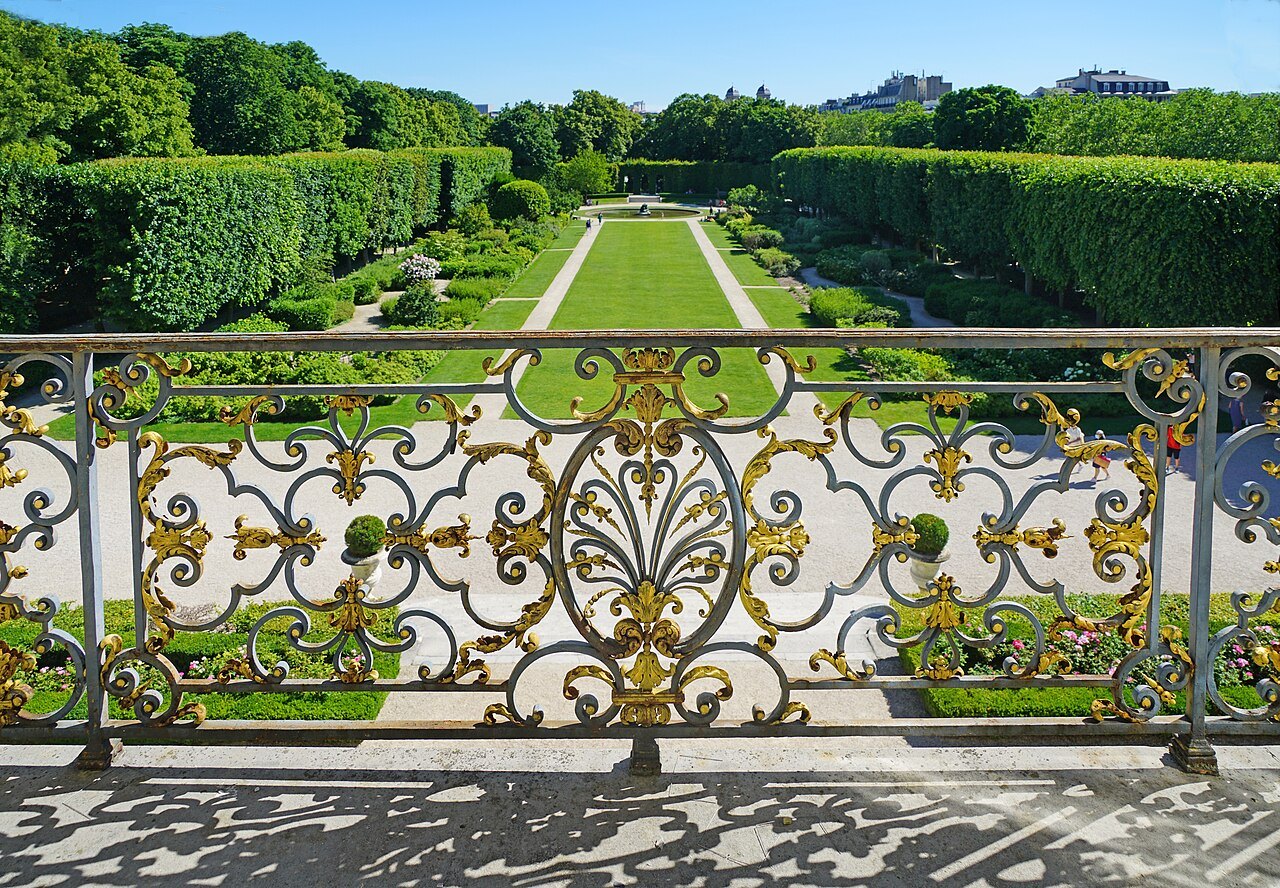
It is also one of the pleasantest museums in Paris to visit, because so much of it is outside. Rodin's bronzes stand in a garden of lawns, yews and roses around the house, and many visitors spend as long among the trees as among the rooms. The garden covers about seven and a half wooded acres, with a pool and a café. The museum's collection runs to about 6,600 sculptures, 8,000 drawings and 8,000 old photographs.
A mansion with many lives
The house was built between 1727 and 1732 as the Hôtel Peyrenc de Moras, to designs by the architect Jean Aubert, and took its name from Marshal Louis-Antoine de Gontaut, Duke of Biron, who bought it in 1753. In 1820 it was sold to the Society of the Sacred Heart, an order of nuns, who ran a boarding school for girls here and built a chapel on the estate, finished in 1876.
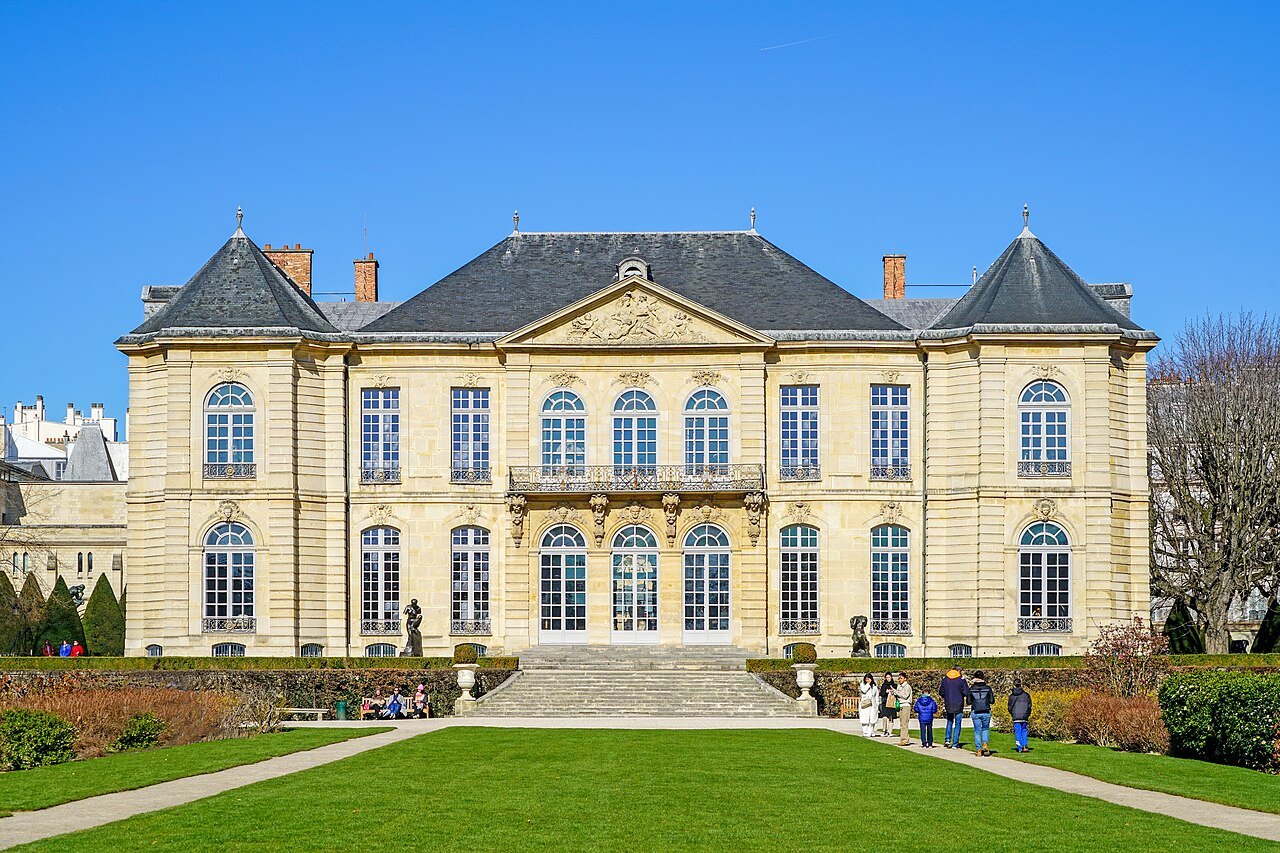
The law separating church and state dissolved the order in 1904, and the house was put up for sale. While it waited for a buyer it was let to artists: Jean Cocteau, Henri Matisse, the dancer Isadora Duncan and the poet Rainer Maria Rilke all had rooms here. It was Rilke's future wife, the sculptor Clara Westhoff, who first told Rodin about it.
Rodin's house
In 1908 Rodin rented four ground-floor rooms as studios, and from 1911 he occupied the whole building, while still living at his villa outside Paris. That year the state agreed to buy the house, and Rodin offered to give all his work, his drawings and his collection of antiquities to the nation, on condition that they stay here as a museum of his work and that he be allowed to live in the house for the rest of his life. The parliament passed the law accepting the gift in 1916; Rodin died in 1917, and the Musée Rodin opened in the Hôtel Biron on 4 August 1919.
Along with his own sculpture, Rodin gave the paintings he had collected, among them works by Van Gogh, Monet and Renoir, and some of them hang in the house. A long restoration of the building was completed in November 2015, for the 175th anniversary of his birth.
What you see: the garden
Most visitors meet The Thinker first, seated on a high pedestal among the clipped yews of the garden. Rodin first called the figure The Poet. He made it as part of The Gates of Hell, where it sits above the doorway looking down, and many take it to be Dante contemplating his poem; others point out that Dante is clothed throughout the Divine Comedy and this figure is not. The first of the familiar monumental bronzes was cast in 1904, and it is the one here.
The Gates of Hell themselves stand in the garden, a bronze doorway alive with about 180 figures drawn from Dante's Inferno. The state commissioned the doors in 1880; they were never installed anywhere, and Rodin went on adding, removing and reworking figures for thirty-seven years, until his death. Many of his best-known works began as figures on the doors and were later enlarged on their own, The Thinker, Ugolino and The Kiss among them.
Further into the garden are The Burghers of Calais, the six citizens who offered their lives to spare their town in the Hundred Years' War, and the monument to Balzac, commissioned by the writers' society in 1891; when Rodin showed the full-size plaster in 1898 it was criticized and rejected, and it was cast in bronze only in 1939, long after his death.
What you see: the house
Inside, the rooms of the mansion show Rodin's work in marble, bronze and plaster across his whole career. That career began in controversy: in 1877 his Age of Bronze was so lifelike that he was accused of passing off a cast of a living body as sculpture, and three years later the state bought it and commissioned the Gates. The Kiss, in white marble, is one of the pieces people come to find.
One room is given to Camille Claudel, who came to Rodin as a student and model and became his collaborator and lover, working with him from 1884 until the early 1890s. Her own work is shown here: The Waltz, the bronze Mature Age of 1898, The Wave, and her bust of Rodin. It is one of the few places to see her sculpture together.
How to visit
Two hours is enough for the house and the garden together, and the garden rewards good weather. The museum is a short walk from the Invalides, whose gilded dome rises above the garden trees, and from the Musée d'Orsay. For advance tickets see booking ahead.
Rodin also kept a house and studio outside the city, at Meudon, which the museum runs as its second site; his tomb is there, beneath a cast of The Thinker.
Myths worth setting aside
The Thinker was not conceived as a portrait of a philosopher in thought. Rodin called him The Poet, placed him above the gates of hell, and wanted a heroic nude in the tradition of Michelangelo, a figure of intellect as well as of poetry.
Nor is there only one Thinker. Many casts were made, in Rodin's lifetime and after, and stand in cities around the world; the one in this garden is the first of the large bronzes.
Where to go next
Nearby
- Nearby · 7thLes InvalidesLouis XIV's hospital of 1670 for old and wounded soldiers, still partly a home for veterans, with the Army Museum in its courtyards and Napoleon's tomb beneath the tallest church dome in Paris.Read the page →
- Nearby · 7thThe Musée d'OrsayA Beaux-Arts railway station built for the exposition of 1900 and opened as a museum in 1986, holding the largest collection of Impressionist and Post-Impressionist painting in the world.Read the page →
- Nearby · 7thThe Eiffel TowerWrought iron, 1,083 feet tall, built between 1887 and 1889 as the centerpiece of a World's Fair and meant to come down after twenty years, it was saved by the radio and has stood over the Seine ever since.Read the page →