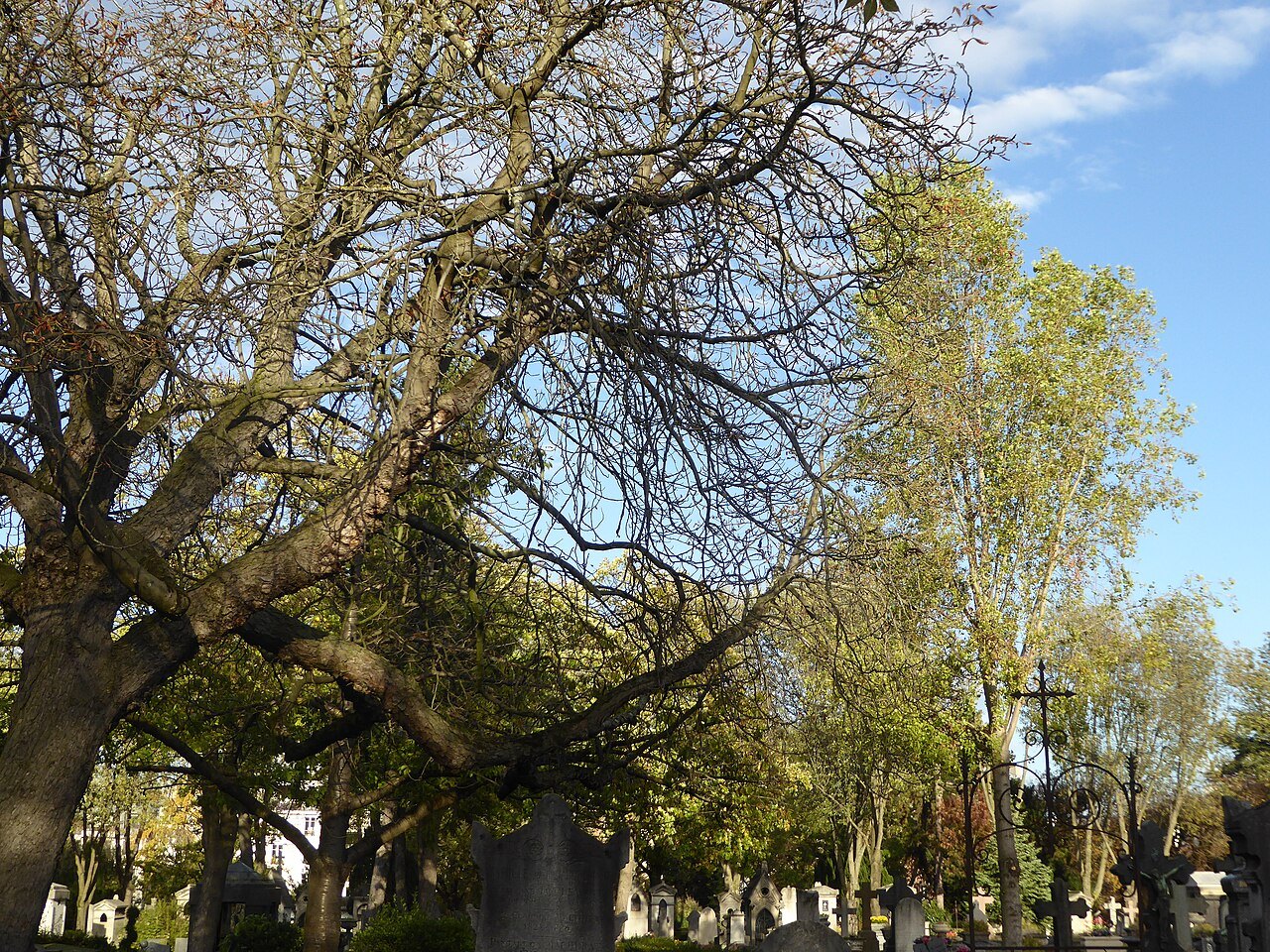
PÈRE LACHAISE CEMETERY MEMORIAL
What is the Communards' Wall?
The story of the Communards' Wall at Père Lachaise, where the last fighters of the Paris Commune were shot in 1871.
The answer in full
Read on
A wall at the edge of the cemetery
On the south side of Père Lachaise, among the numbered divisions and cobbled lanes of the largest cemetery in Paris, stands a plain stretch of stone known as the Communards' Wall, the Mur des Fédérés. It looks like any other boundary wall, but it marks one of the bloodiest episodes in the history of Paris.
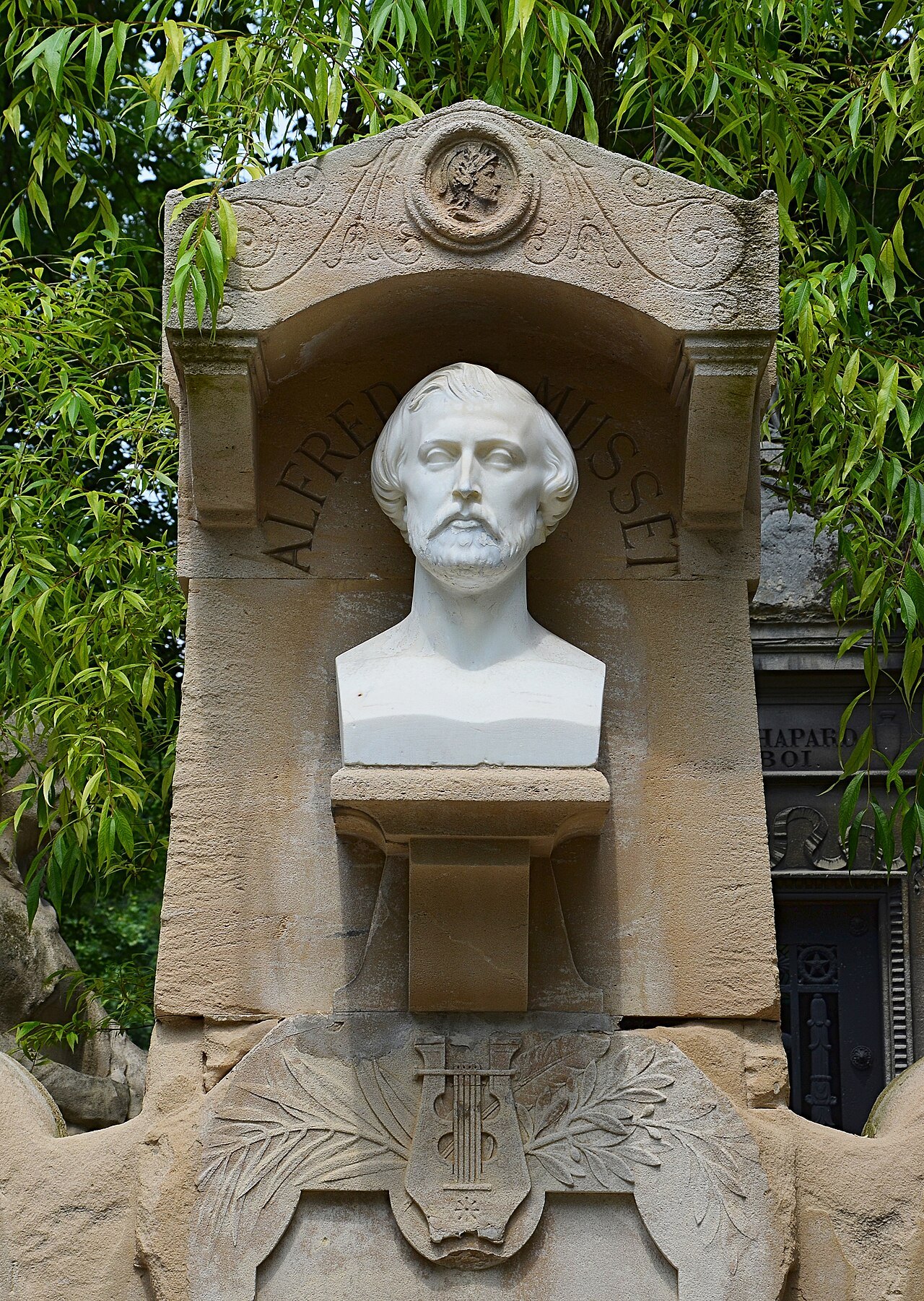
Unlike the ornate tombs of Chopin or Oscar Wilde elsewhere in the grounds, the wall carries no sculpture and no grand monument. Its significance lies entirely in what happened here, not in what was built to mark it, and it remains a place of pilgrimage for people quite different from the usual visitors drawn by famous graves.
Visitors who come looking for it should expect something understated: a wall, plaques, and often flowers rather than a dramatic structure. It rewards those who already know the history, which is part of why it is worth understanding before setting out across the cemetery's steep, cobbled paths to find it.
The wall lies toward the eastern end of the cemetery's one hundred and ten acres, a part of the grounds many visitors pass on their way toward the better-known graves of Chopin, Molière, and Balzac. Finding it rewards a visitor willing to look past the famous names and read the numbered divisions carefully.
Bloody Week and the fall of the Commune
The wall takes its name from the Paris Commune, the revolutionary government that briefly controlled the city in 1871. When the national army moved to retake Paris, the fighting that followed became known as Bloody Week, a period of street-by-street combat across the eastern districts of the city in late May.
As government troops advanced, the last defenders of the Commune were pushed back toward the eastern edge of Paris. Some of them made their final stand inside Père Lachaise itself, fighting among the tombs and chapels of a cemetery that was by then already decades old and filled with monuments to earlier generations of Parisians.
The fighting inside the cemetery continued until the evening of 27 May 1871, according to the record kept by the cemetery itself. It was the last significant resistance of the Commune, fought out not in a street or a square but among gravestones, within sight of the tombs of writers and composers who had been buried there years before.
The executions at the wall
When the fighting ended, the surviving Communards were rounded up against the cemetery's southern wall. There, 147 of them were shot. The number is precise and well documented, and it is this mass execution that gave the wall its name and its lasting significance in the history of the French left.
No individual monument marks each of the dead by name at the site; the wall itself, rather than a sculpted memorial, carries the weight of what happened there. That plainness is part of what distinguishes it from the elaborate tombs nearby, including the neo-Gothic chapel of the Greffulhe family a short walk away.
The wall stands as a reminder that Père Lachaise is not only a gallery of famous individual deaths. It is also a site where a moment of national political violence left its mark directly on the stone, in a way that no later sculptor added and none has been asked to soften.
A place of commemoration for the left
More than a century and a half later, the Communards' Wall still remains a recognized point of political memory in France. It continues, as the cemetery's own account makes clear, to serve as a place of commemoration for the political left, where anniversaries of the Commune are still marked each year.
Visitors who come across small gatherings, flowers, or printed notices near the wall should understand them in this context: this is a living site of memory, not an archaeological curiosity. Visits to the wall tend to be quieter and more deliberate than the steady crowds drawn to some of the cemetery's more famous graves.
Because the wall continues to draw this kind of visit, travelers should approach the area with the same quiet respect expected throughout Père Lachaise, which remains a working cemetery where funerals still take place. A raised voice or a camera held too close feels out of place here, whatever the century being remembered.
Other memorials nearby
The Communards' Wall is not the only memorial of its kind in Père Lachaise. Elsewhere in the cemetery stand monuments to the victims of the Nazi camps, to foreign soldiers who died for France, and to the French dead of the Second World War, forming a cluster of twentieth-century memory beside the older history of the wall itself.
Nearby stands the Monument aux Morts, created by the sculptor Albert Bartholomé in 1899, which honors the unidentified dead of Paris generally rather than any single event. Together these memorials give this part of the cemetery a different character from the famous-grave sections visited for Chopin, Molière, or Balzac elsewhere in the grounds.
Visitors interested in this layer of the cemetery's history may want to plan a route that takes in both the Communards' Wall and these nearby memorials, rather than treating them as a single stop, since they commemorate distinct periods and different groups of the dead across more than a century of history.
Finding the wall and getting there
Père Lachaise is reached by Métro: the Philippe Auguste station sits next to the main entrance, while the Père Lachaise station is close to a side entrance. The cemetery is large and its paths steep and cobbled in places, so comfortable shoes are worth wearing for any part of the grounds.
Because the cemetery is organized into numbered divisions along named lanes, it is worth looking up the division number of the Communards' Wall, or picking up a map at the entrance before setting out, since the site is easy to miss without one. Checking getting around helps with reaching this part of the city by public transport.
Allow time beyond a quick stop at the wall itself. Most visitors spend at least two hours in Père Lachaise taking in the famous graves, the memorials, and the wildlife and trees that fill the hillside, and the wall is best understood as one part of that larger, slow walk rather than a destination on its own.
Those extending the day eastward can continue on to the livelier streets covered in neighborhoods, since Père Lachaise sits at the edge of this part of the city rather than at its center, and the walk back toward it passes through quieter residential blocks worth a slower pace through this part of Paris.
A cemetery still in use
Père Lachaise is not a closed historical site built only around its nineteenth-century dead. It is a working cemetery with a waiting list, and new burials are allowed only for people who died or lived in Paris, a rule worth knowing before assuming every grave belongs to the distant past.
Plots are now often leased for thirty years rather than granted permanently, and if a lease is not renewed, the remains are moved to the cemetery's ossuary to make room for new burials. The Communards' Wall, by contrast, commemorates an event rather than individual graves, so it is unaffected by this turnover.
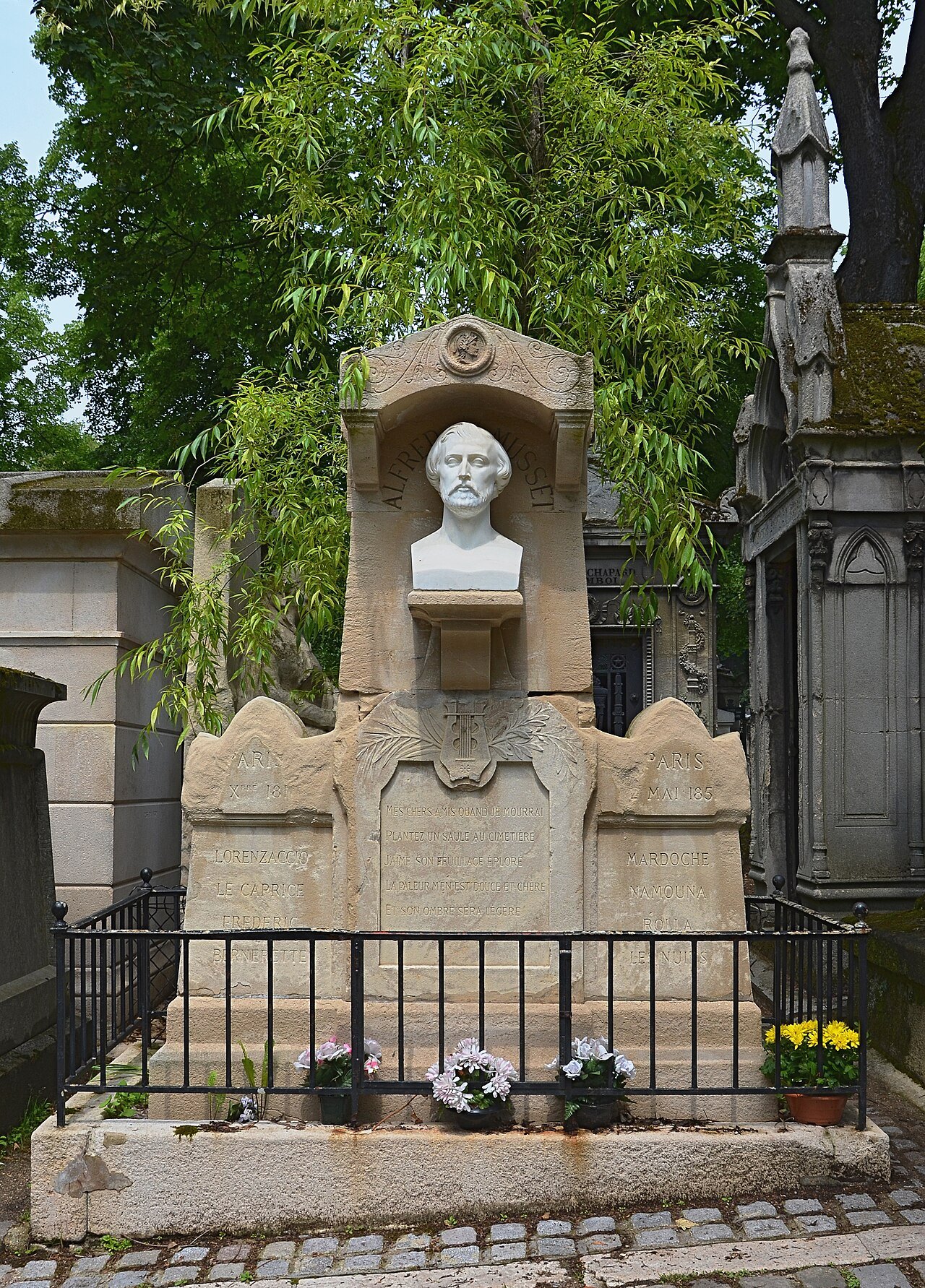
Because funerals still take place here, visitors should keep voices low and stay clear of any service in progress, whether near the wall, the famous graves, or the quieter corners of the grounds. The wall is one layer of a cemetery that holds many others, from famous graves to wildlife among its trees.
Read next
More from the journal
- Père Lachaise CemeteryHow do you find Jim Morrison's grave at Père Lachaise?A practical guide to locating Jim Morrison's grave among the winding divisions of Père Lachaise cemetery.Read the piece →
- The Arc de Triomphe and the Champs-ÉlyséesWho is the Unknown Soldier under the Arc de Triomphe?The story of the unidentified soldier buried beneath the Arc de Triomphe, his eternal flame, and the ceremonies still held there.Read the piece →
- The Musée d'OrsayHow did a railway station become the Musée d'Orsay?How a Belle Époque railway terminus on the Seine became the world's great home of Impressionist painting.Read the piece →