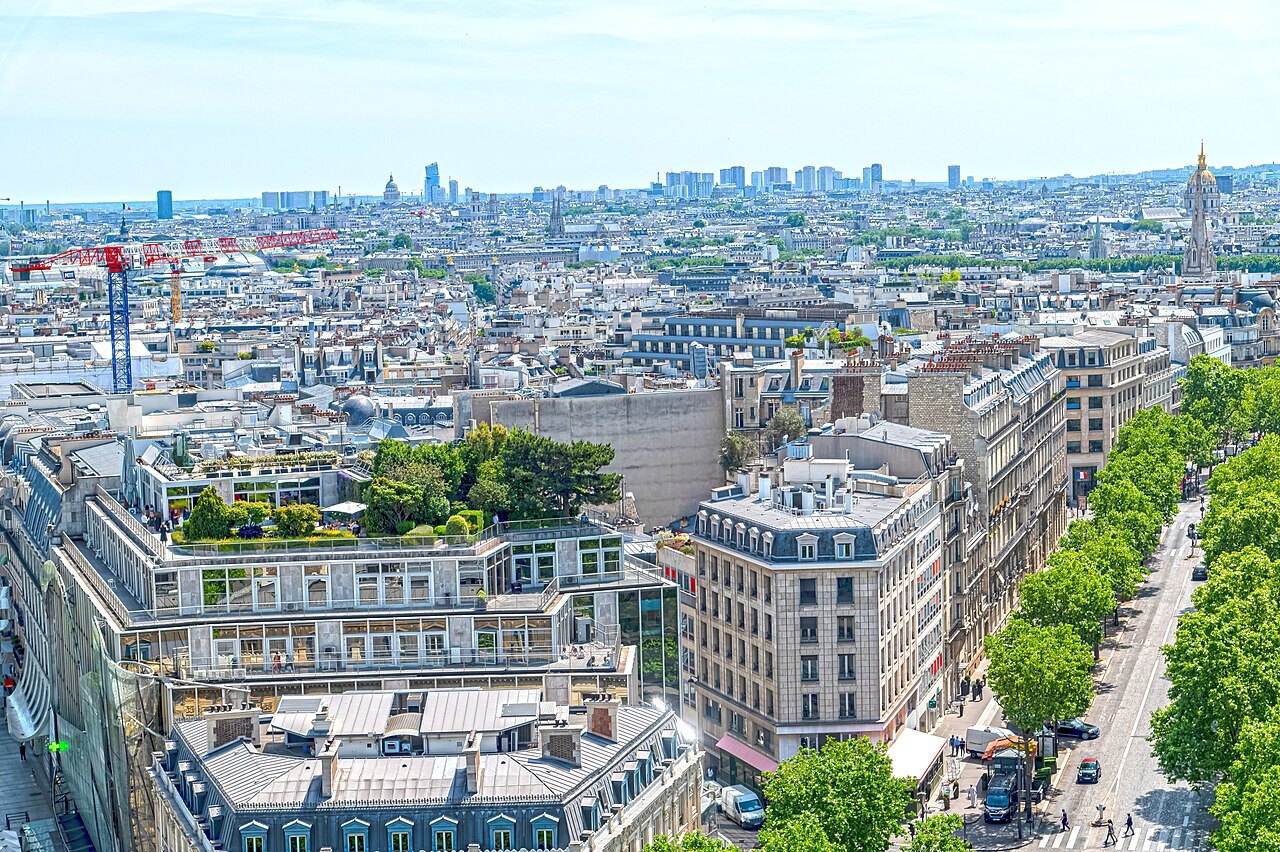
THE SOLDIER WITH NO NAME
Who is the Unknown Soldier under the Arc de Triomphe?
The story of the unidentified soldier buried beneath the Arc de Triomphe, his eternal flame, and the ceremonies still held there.
The answer in full
Read on
A grave for an unnamed soldier
After the First World War, many thousands of French soldiers could never be identified, their remains lost among the dead of a war fought on an unprecedented scale. In November 1919 the authorities decided to give one such soldier a public grave, a single body standing for all those without a name or a marked resting place. The plan was to bury him in the Panthéon, the monument that holds the nation's own great figures.
A public campaign of letters, from citizens and the families of the dead, asked that the grave be placed under the Arc de Triomphe instead, among the carved names of Napoleon's victories and generals. The authorities agreed. The monument built to glorify an emperor's wars became, within a century of its construction, the resting place of an ordinary soldier of the next great war, with no name of his own.
The arch's inner walls already carried the names of 660 officers of Napoleon's armies, 558 of them generals, with those killed in action underlined. Giving an unidentified soldier of 1914 to 1918 a grave at its base linked two different wars under a single roof, and turned a monument to imperial conquest into the country's great memorial to its dead, from any war, named or not.
From chapel to grave
The decision made, the coffin of the unknown soldier lay in a chapel inside the arch from 10 November 1920, allowing crowds to pay their respects before burial. It was laid in its grave beneath the vault on 28 January 1921, a little more than two years after the armistice that ended the war whose dead he represented.
The slab over the grave carries a short inscription: here lies a French soldier who died for his country, 1914 to 1918. No name is given, no unit and no rank, only the fact of a death in service, so that the soldier stands for every soldier whose body was never identified or returned home.
Beside the grave an eternal flame burns, lit in memory of the dead of both world wars who were never identified, and it still burns through day and night beside the short inscription, a quiet counterpart to the triumphal carvings of victories and generals on the pillars above it.
A ceremony and an American echo
A ceremony is held at the grave every 11 November, the anniversary of the armistice that ended the First World War, when the flame and the inscription are the focus of the country's remembrance of its war dead. The date ties the arch permanently to the conflict whose unknown soldier it now holds, rather than only to the victories of Napoleon carved above.
Jacqueline Kennedy visited the flame with President Kennedy in 1961, while the couple were in Paris together. After his death, she asked that an eternal flame be lit at his own grave, recalling the flame she had seen burning beneath the arch, a gesture that carried a Parisian memorial custom across the Atlantic.
The story is one more sign of how far this particular grave reached beyond France. A monument built to celebrate an emperor's battles ended up giving its central idea, a flame that never goes out for a soldier who has no name, to a head of state's grave on another continent.
Parades that go around, not through
Before 1921, military processions and triumphal returns passed directly beneath the arch, following the practice that had brought Napoleon's own remains under it in 1840 on their way to the Invalides. Once the unknown soldier was buried at its center, that practice stopped for good, and parades began going around the arch rather than through it, in deference to the grave below.
Parades for Bastille Day on 14 July, held along the Champs-Élysées below, still end at the square but route around the arch rather than through its vault, a change that has held since the 1920s, a small daily reminder that the grave, not the triumph, now has the final word under the arch.
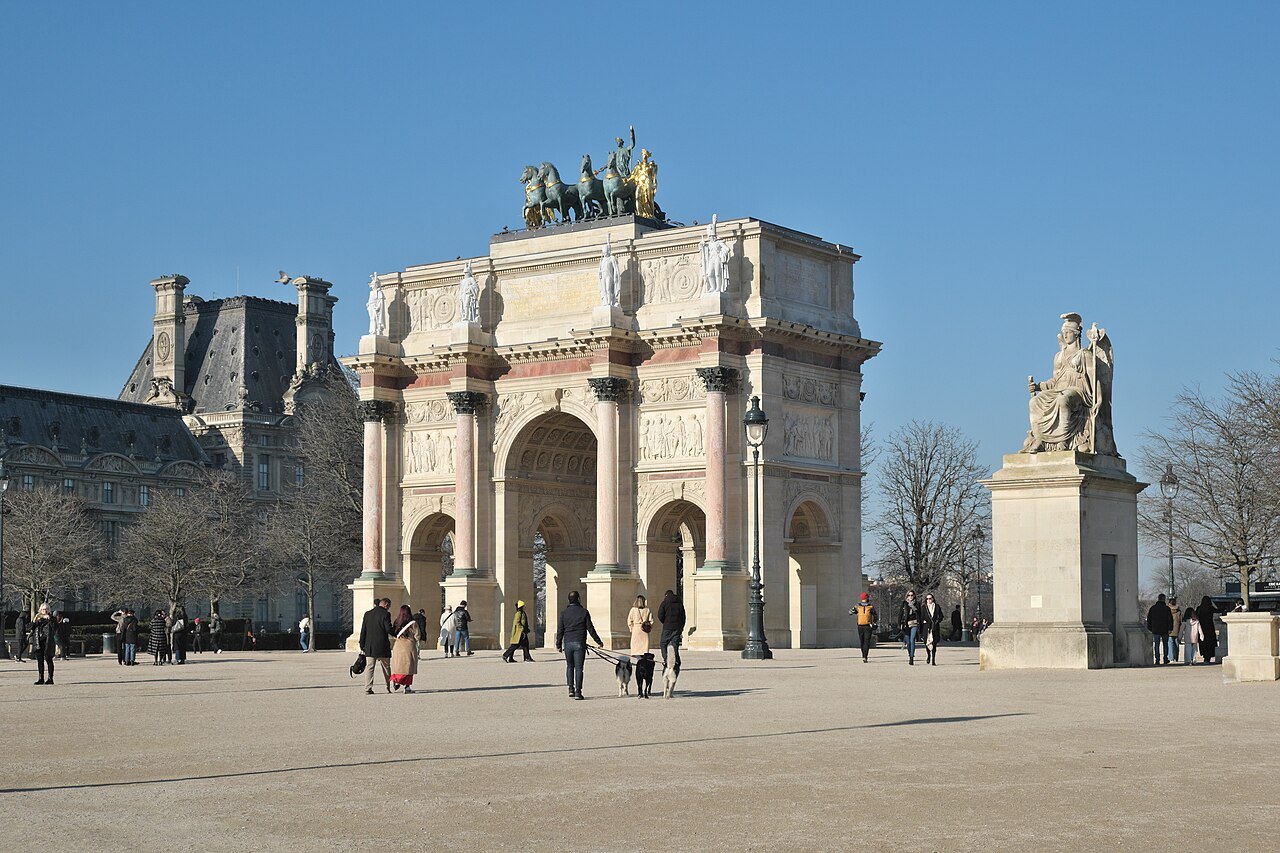
The contrast with 1810 is sharp: Napoleon himself walked under a wooden mock-up of the unfinished arch when he entered Paris with his new wife, Marie-Louise of Austria, because the real arch was still unbuilt. He only passed beneath the finished stone one after his death, in 1840, carried through on the way to his tomb.
The arch that holds the grave
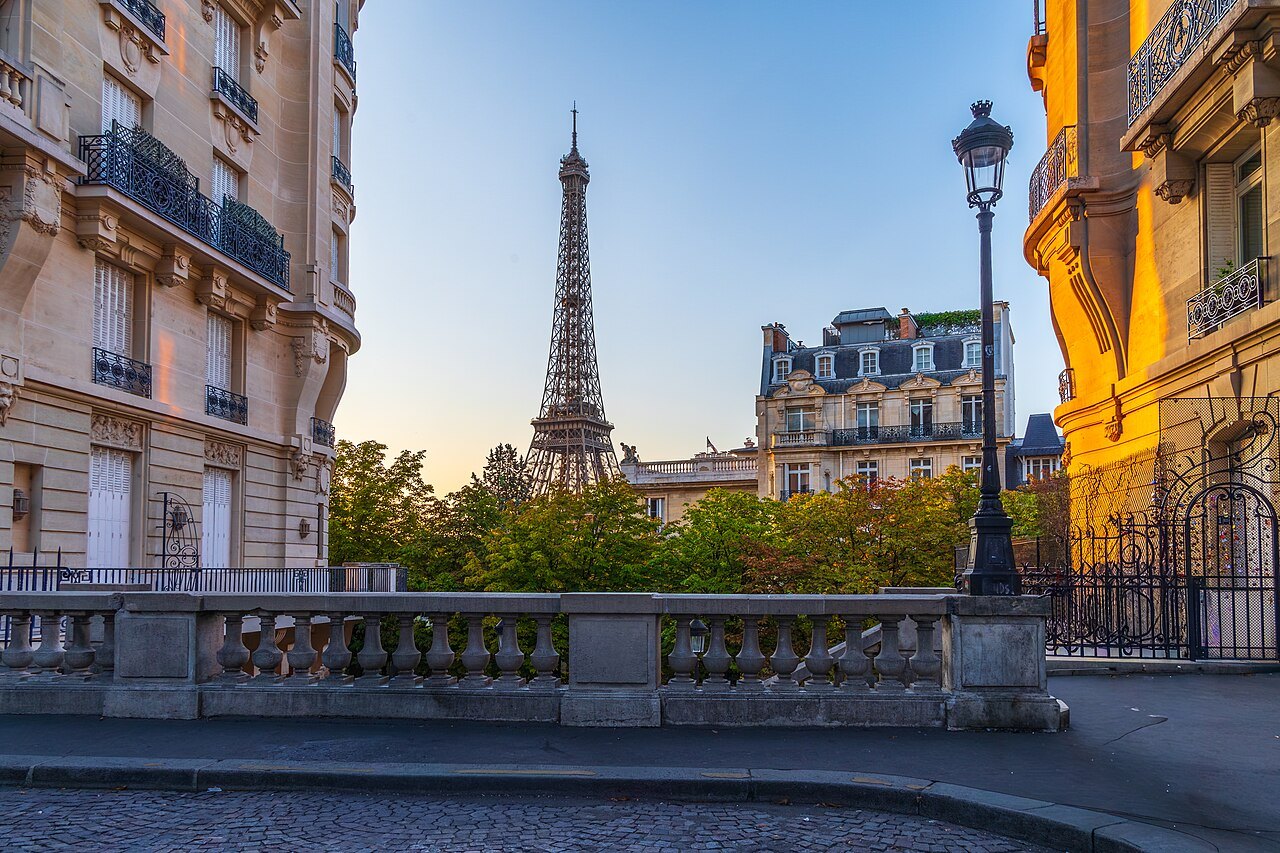
Napoleon commissioned the arch in 1806, after his victory at Austerlitz, and the architect Jean-François Chalgrin modeled it on the Arch of Titus in Rome, though built at an enormous scale, about 160 feet high and 148 feet wide, with a main vault about 95 feet high. Work stopped when the empire fell and resumed only in 1823, finishing in 1836 under Louis-Philippe.
Its pillars carry four great sculpted groups, including François Rude's Departure of the Volunteers of 1792, known as La Marseillaise, in which a winged figure of the Republic calls citizens of every age to arms. Above them, reliefs of battles, a frieze of marching soldiers, and thirty shields naming the great victories cover the stone.
On the inner walls are carved the names of 660 officers, 558 of them generals of the empire, with the names of those killed in battle underlined. The grave of the unknown soldier sits beneath this record of named men and their victories, a soldier without a name under an arch covered with the names of those who commanded him.
Visiting the grave and the terrace
The arch stands in the middle of the Place Charles de Gaulle, where twelve avenues meet, so do not try to cross the traffic on foot. Two pedestrian underpasses, one from the Champs-Élysées and one from the Avenue de la Grande Armée, lead to the foot of the arch and its grave.
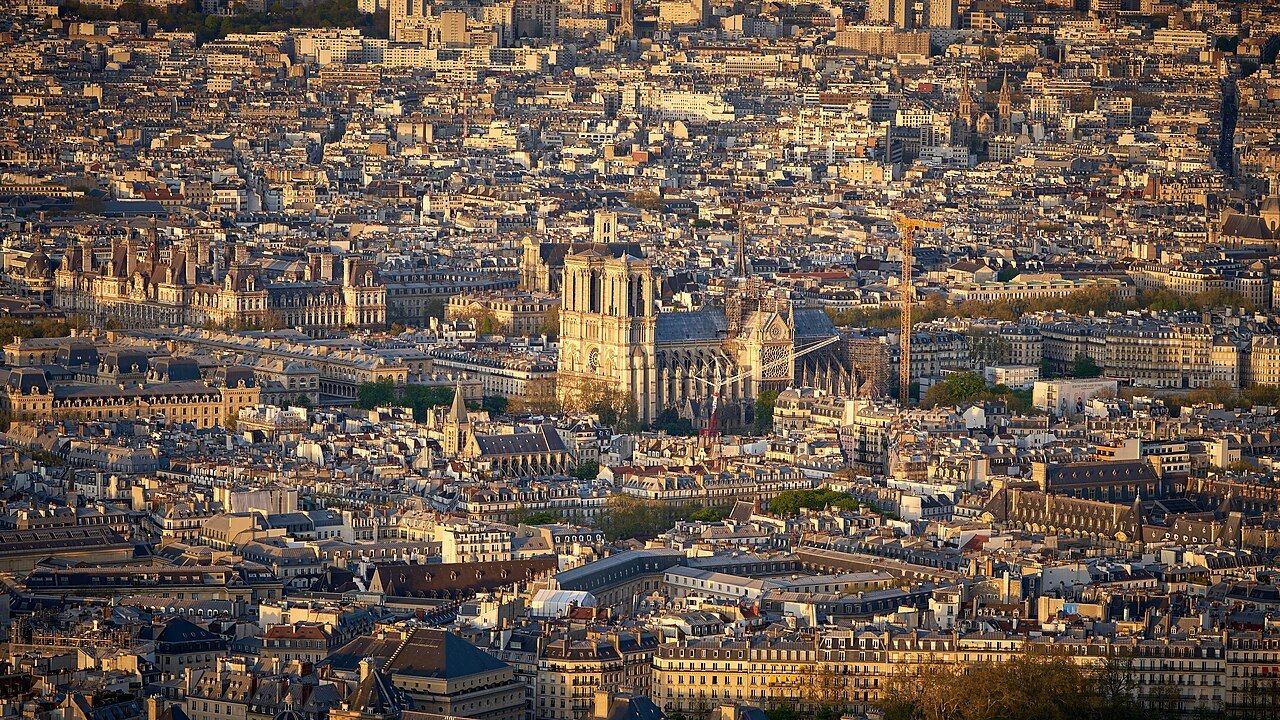
From the foot of the arch, the climb to the roof is 284 steps, mostly on a tight spiral stair, with a small museum along the way that covers the arch's own history. The grave and its flame remain below, at the foot of the arch, separate from the climb to the terrace.
An elevator also serves the terrace, in addition to the stairs; check the monument's own website for its current status before planning a visit, especially if a long climb on a tight spiral stair is difficult for you. For tickets to the terrace and the small museum inside, see booking ahead.
The avenue leading to the grave
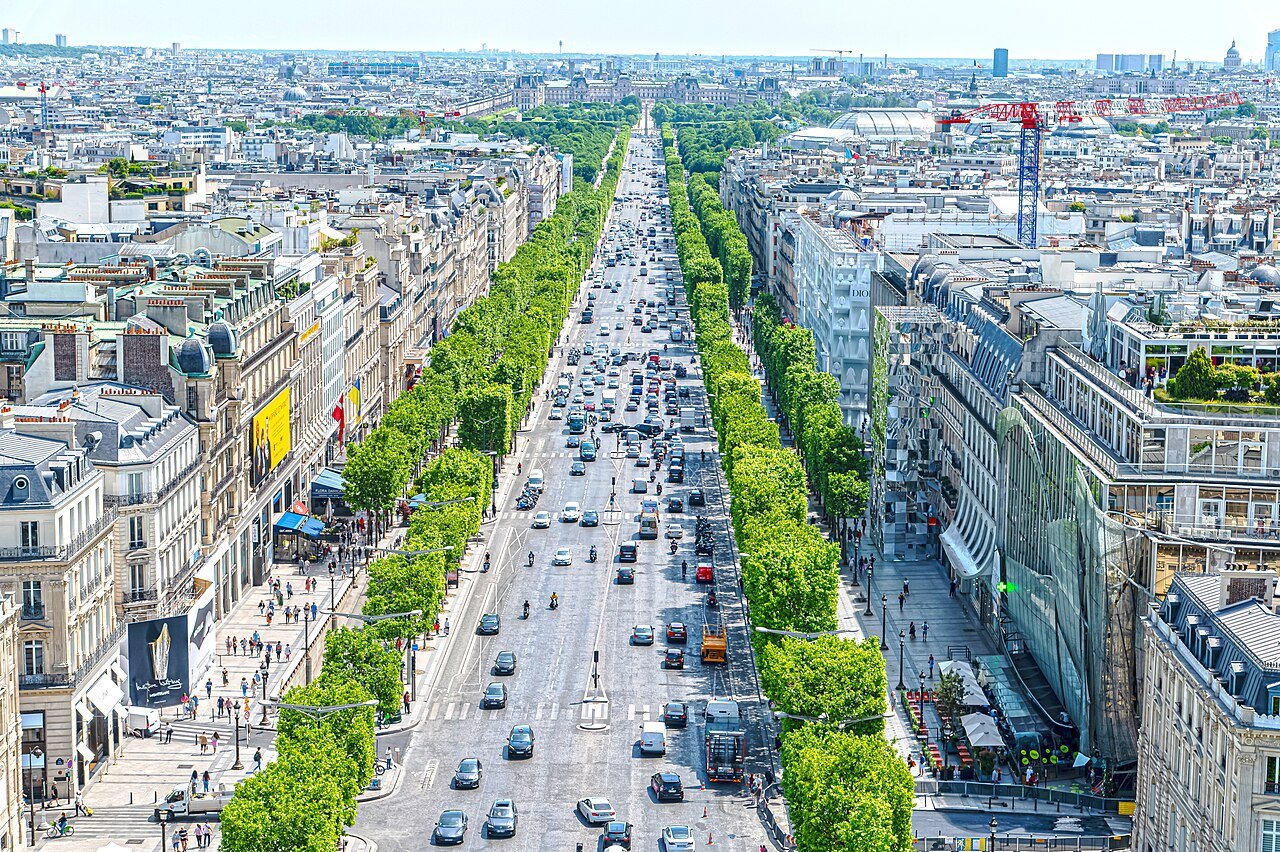
The grave sits at the top of the avenue most visitors use to reach it, the Champs-Élysées. André Le Nôtre laid out the first promenade in 1667, lined with elms, as an extension of the Tuileries gardens, and it took its name, the Elysian Fields, from the resting place of heroes in Greek myth.
The avenue runs about a mile and a quarter from the Place de la Concorde up to the arch, roughly 230 feet wide. Its lower half, toward the Concorde, is still parkland with pavilions and theaters among the trees; its upper half, nearer the arch, is lined with cinemas, cafés and shops.
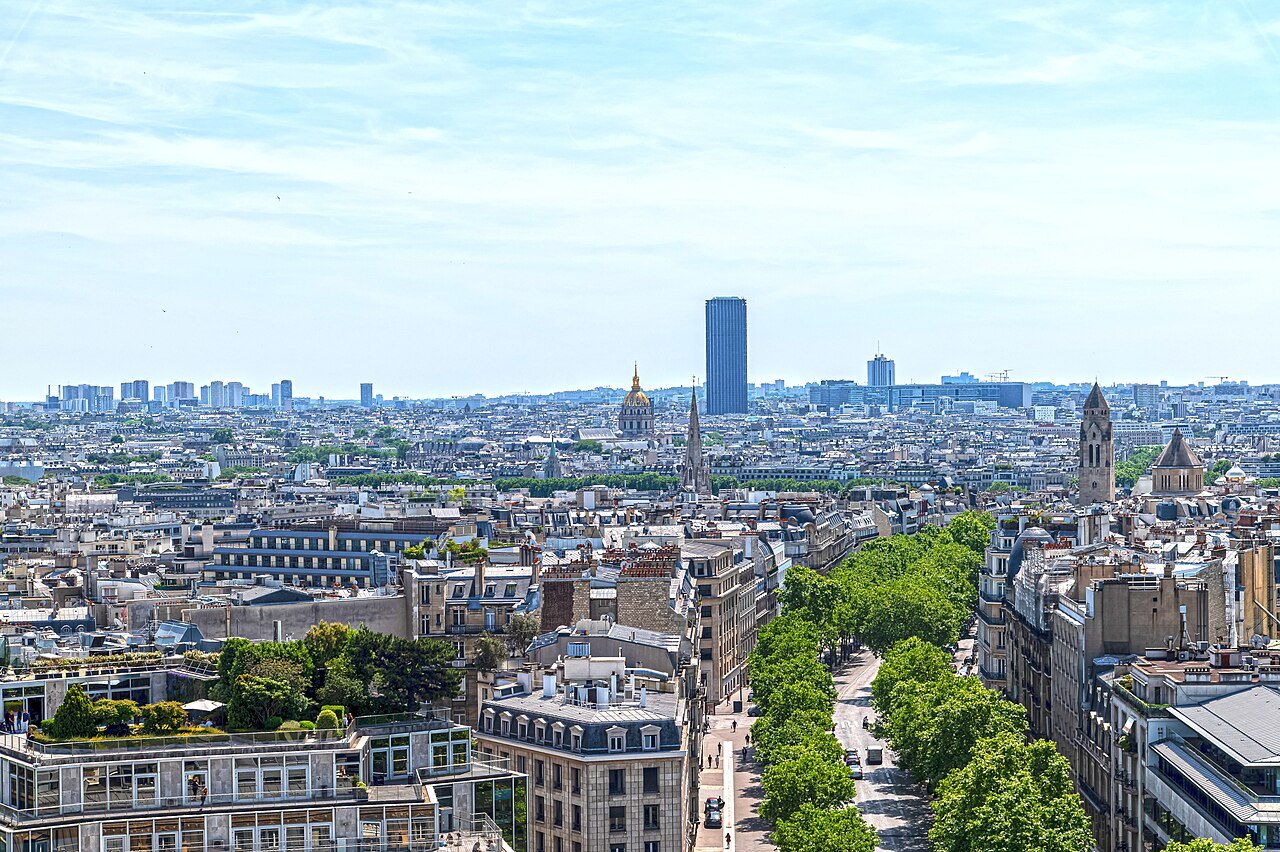
It is on this avenue that the Bastille Day military parade marches every 14 July, passing below the arch and its grave rather than through the vault above it, and for decades it was also the finish of the Tour de France. Seen from the Concorde on a clear evening, with the arch closing the view, the avenue still earns its old reputation.
Read next
More from the journal
- Les InvalidesHow did Napoleon's body come back to Paris?The story of how Napoleon's remains traveled from Saint Helena to the tomb beneath the Dôme des Invalides.Read the piece →
- The PanthéonWho is buried in the crypt of the Panthéon?Voltaire, the Curies, Victor Hugo, and more: who France has chosen to bury in the Panthéon's crypt, and why.Read the piece →
- The Musée d'OrsayHow did a railway station become the Musée d'Orsay?How a Belle Époque railway terminus on the Seine became the world's great home of Impressionist painting.Read the piece →