FINDING JIM MORRISON'S GRAVE
How do you find Jim Morrison's grave at Père Lachaise?
A practical guide to locating Jim Morrison's grave among the winding divisions of Père Lachaise cemetery.
The answer in full
Read on
A Grave That Became a Place of Pilgrimage
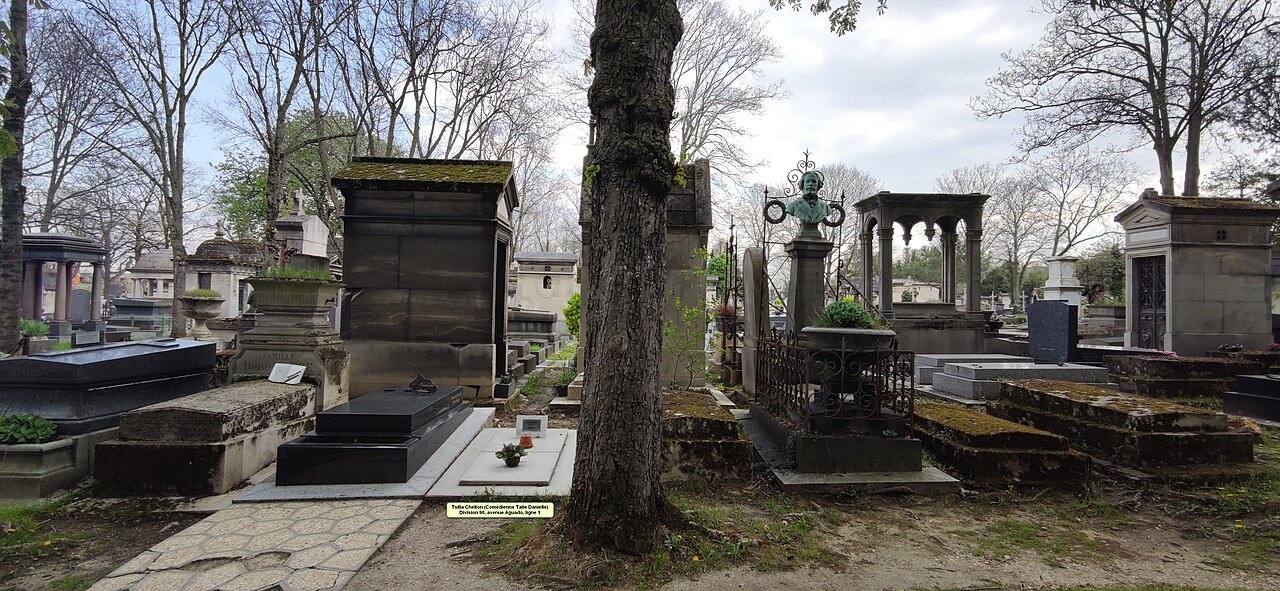
Jim Morrison, the singer of the Doors, died in Paris in 1971 and was buried at Père Lachaise, joining a company of composers, writers and actors that makes this cemetery one of the most visited in the world. His grave, long without a proper marker, has become one of the most sought-out spots among its hundred ten acres of tombs.
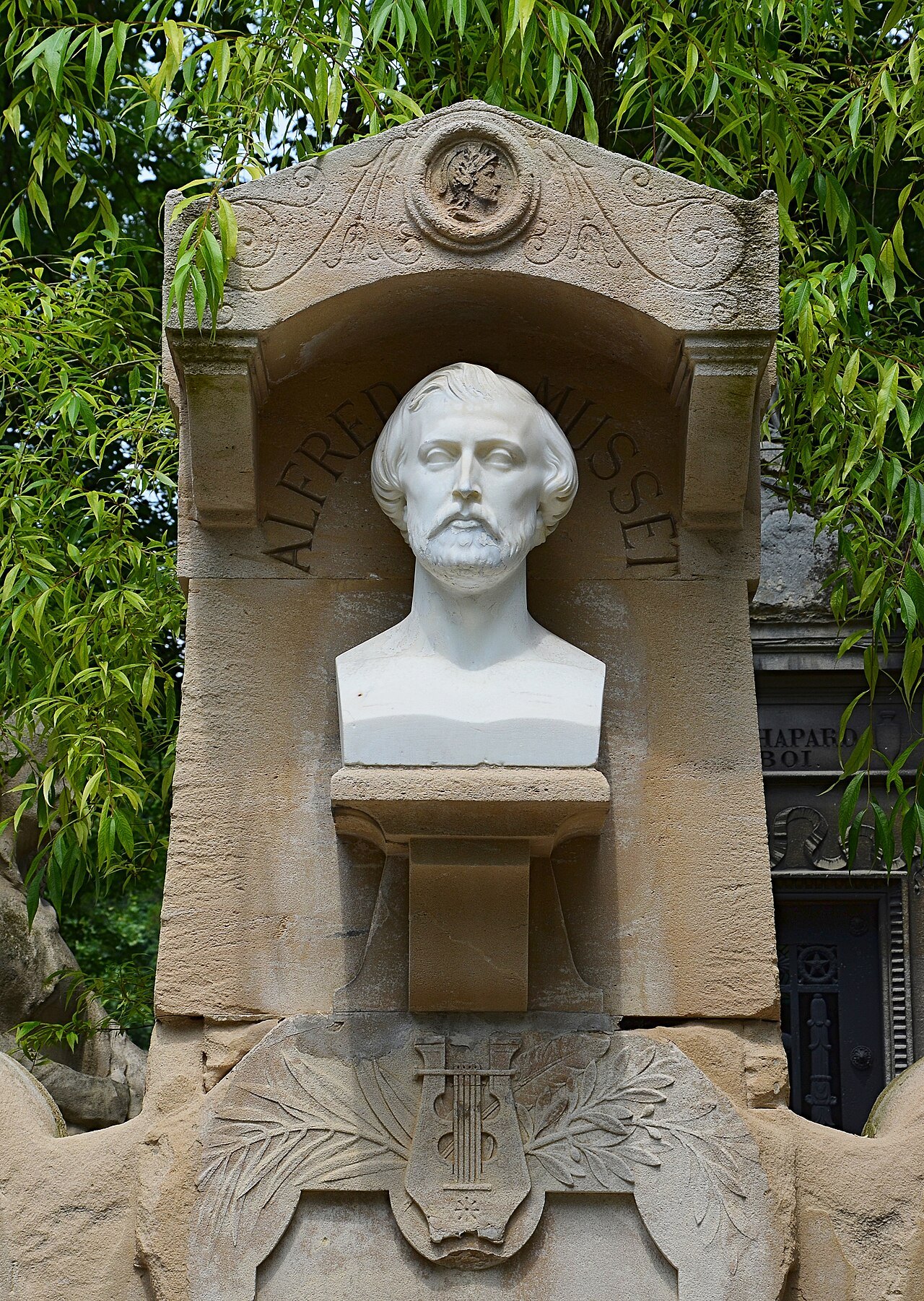
The modest state of the grave for many years only deepened its mystique, and fans still arrive in a steady stream, leaving flowers, notes, ticket stubs and small tributes at the site. The pilgrimage has continued for decades, not unlike the tradition of letters left for the medieval lovers Abelard and Héloïse elsewhere in the cemetery.
Finding the grave takes some preparation, since Père Lachaise is a genuine working cemetery of a hundred ten acres, laid out in numbered divisions rather than a simple circuit built for visitors. Treat the search as part of the morning rather than an errand, and leave time to notice the other tombs along the way.
Getting to the Cemetery
The Philippe Auguste Métro station sits next to the main entrance on the Boulevard de Ménilmontant, the most direct way in for anyone heading toward Morrison's grave or any of the cemetery's well-known tombs. The Père Lachaise station is close to a side entrance, useful when a particular division lies nearer that side of the hill.
Check current service for both stations with the regional transport authority before setting out, since lines and schedules can change from one visit to the next. For the wider journey across the city, the general guidance on getting around Paris covers how the Métro network fits together and how to plan a route across it.
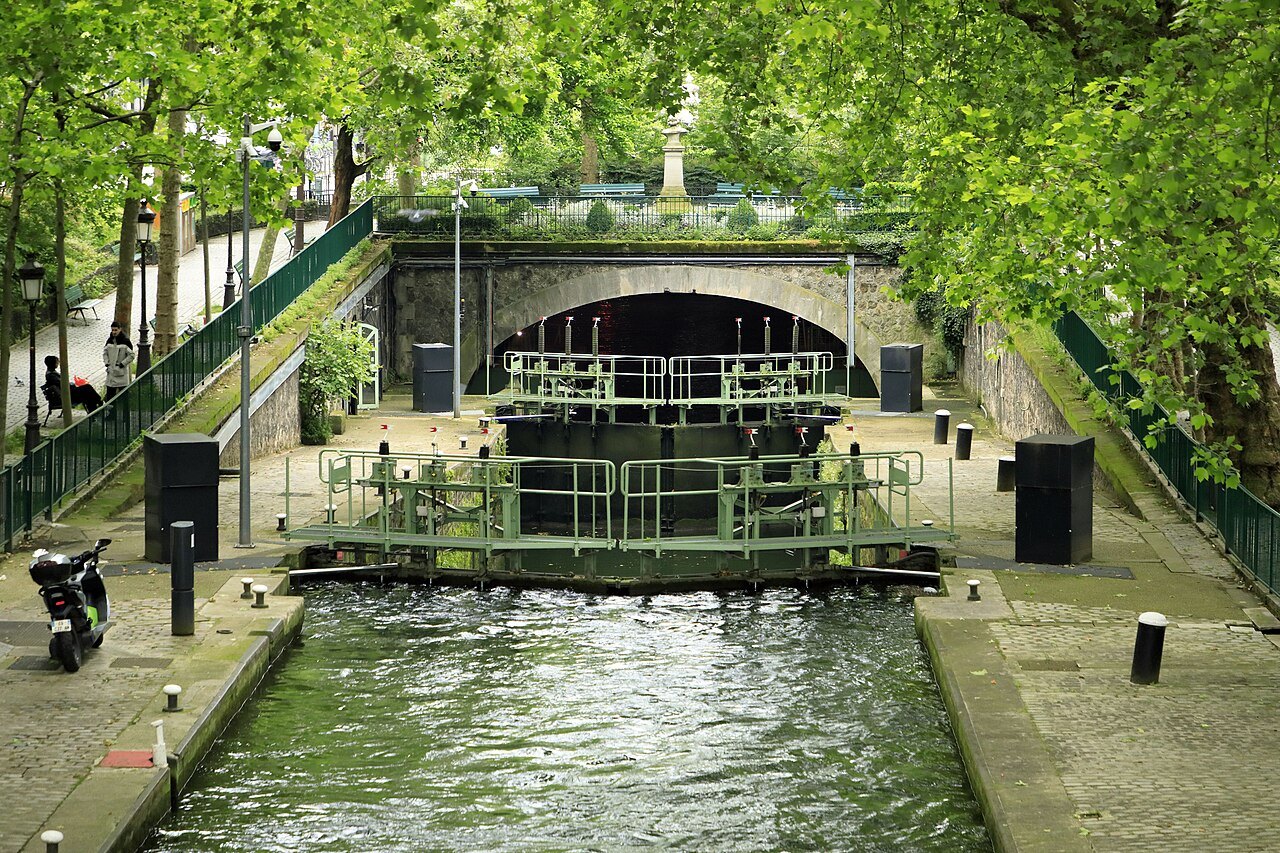
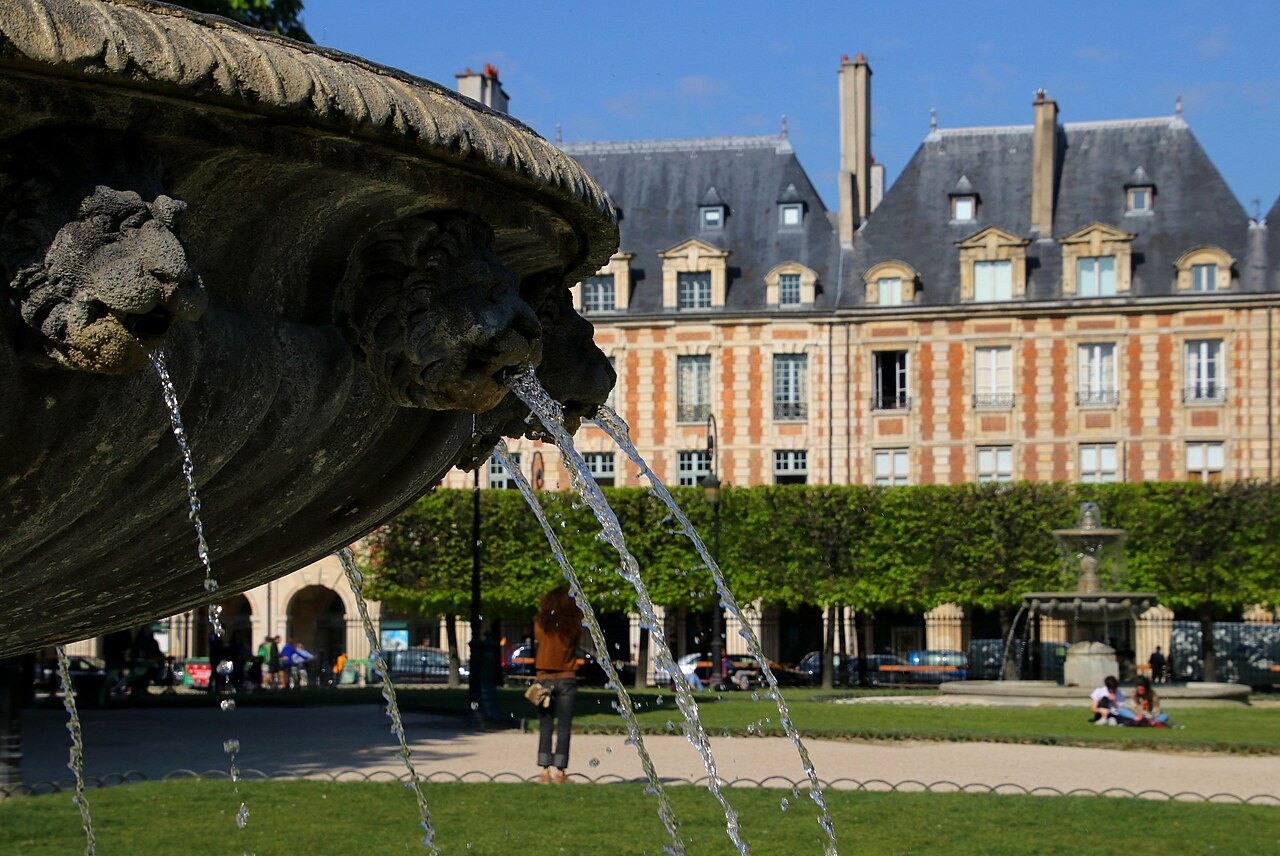
The surrounding Twentieth arrondissement has its own character of steep streets and local shops, part of the eastern districts of the city. A visit to Père Lachaise fits naturally into a day that also takes in the Canal Saint-Martin to the west or continues toward the Place des Vosges on the way back to the center.
Reading the Map of Divisions
Père Lachaise is organized into numbered divisions along named lanes, climbing from the main entrance up the hillside to the chapel at the top, built in 1823 on the site of the old Jesuit house that gave the cemetery its name. The paths are steep and cobbled in places, so comfortable shoes matter here more than almost anywhere else in the city.
Rather than wandering at random, anyone hoping to find a specific grave, Morrison's included, should look up its division number before arriving, since the layout can confuse even with a map in hand. Maps are available at the cemetery, but matching a numbered division to the right lane still takes patience and a willingness to double back.
Allow at least two hours for a visit that includes tracking down one or two specific graves and still leaves room to take in the general character of the place: thousands of trees, tombs ranging from plain stones to miniature Gothic chapels, and the quiet that makes Père Lachaise one of the most peaceful corners of Paris.
What the Search Involves
Morrison's own plot is a modest one compared with the grand chapels nearby, set among older graves rather than in any separate section for famous visitors. Reaching it comes down mainly to knowing the division number and following the lane markers, since the cemetery was never designed with crowds in mind.
Because the surroundings can look similar from one lane to the next, it helps to note a nearby landmark grave or chapel before setting out, and to ask cemetery staff near the entrance if the trail is lost. They deal with the same question often enough to point visitors in the right direction.
Whatever is found at the grave, remember that it sits inside an active cemetery rather than a museum display, and keep behavior quiet and respectful, particularly if a funeral or a family visit is taking place nearby in one of the surrounding divisions, since burials still take place here on ordinary days.
Other Graves Worth the Detour
Morrison's grave is far from the only reason to come this way. Chopin's tomb, carved by Auguste Clésinger with the muse Euterpe weeping over a broken lyre, lies not far off; the composer died in Paris in 1849, and though his heart was carried to Poland at his request, his body remains here.
Oscar Wilde's tomb, a great winged figure by the sculptor Jacob Epstein, sits behind a glass barrier completed in 2014, put up after years of lipstick kisses had damaged the stone; the Irish state now pays for its upkeep. Nearby, under a canopy built from fragments of an old abbey, lie the medieval lovers Abelard and Héloïse.
Elsewhere across the cemetery's hundred ten acres lie Molière, La Fontaine, Balzac, Proust, Bizet, Sarah Bernhardt and Édith Piaf, along with the Communards' Wall, where one hundred forty-seven fighters of the Paris Commune were shot at the end of the fighting in 1871, and memorials to the dead of both world wars.
Visiting with Respect
Père Lachaise is not a museum of the dead but a cemetery still in active use, with funerals taking place on ordinary visiting days. New burials are reserved for people who died or lived in Paris, and the cemetery keeps a waiting list, so treat it as the working institution it is rather than a historical attraction.
Many plots, including graves near Morrison's, are leased for a set period rather than held forever; if a lease on an older grave lapses, the remains are moved to the cemetery's ossuary to make room. A famous grave's exact setting can therefore change somewhat over the years for the same reason.
If a particular grave proves hard to find, ask staff near the entrance rather than wandering further into the divisions; they are used to the question and can usually point toward the right lane. Keep voices low throughout the visit, since this remains, above all, a place where people come to mourn their own dead.
Planning the Rest of the Day
A visit built around a single grave easily grows into a longer walk, given the size of Père Lachaise and the number of notable names buried within it. Pair the cemetery with a wider look at the eastern districts of Paris, or treat the morning as a stand-alone outing given how much ground there is to cover.
The Canal Saint-Martin is a short ride to the west, a good contrast after the quiet of the cemetery, and the Place des Vosges lies on a natural route back toward the center for anyone continuing on foot or by Métro later in the day, with the general transport guidance covering both options.
Whatever else fills the schedule, leave enough time at Père Lachaise itself; it is large enough to get lost in, and the slow search for one grave among roughly a million burials is part of what makes finding it feel worthwhile, long after the walk back down to the Métro.
Read next
More from the journal
- The PanthéonWho is buried in the crypt of the Panthéon?Voltaire, the Curies, Victor Hugo, and more: who France has chosen to bury in the Panthéon's crypt, and why.Read the piece →
- Getting AroundHow does the Paris Métro work for visitors?Sixteen lines, 321 stations and one simple rule: follow the line's number and the name of the station at the end of it. How to read the signs, change lines, pay, and where the Métro is hard going with luggage or a wheelchair.Read the piece →
- The Musée d'OrsayHow did a railway station become the Musée d'Orsay?How a Belle Époque railway terminus on the Seine became the world's great home of Impressionist painting.Read the piece →