RODIN'S MOST FAMOUS FIGURE
What is the story of The Thinker?
How a seated bronze made for a doorway in hell became the most recognized sculpture in Paris.
The answer in full
Read on
A figure in the garden
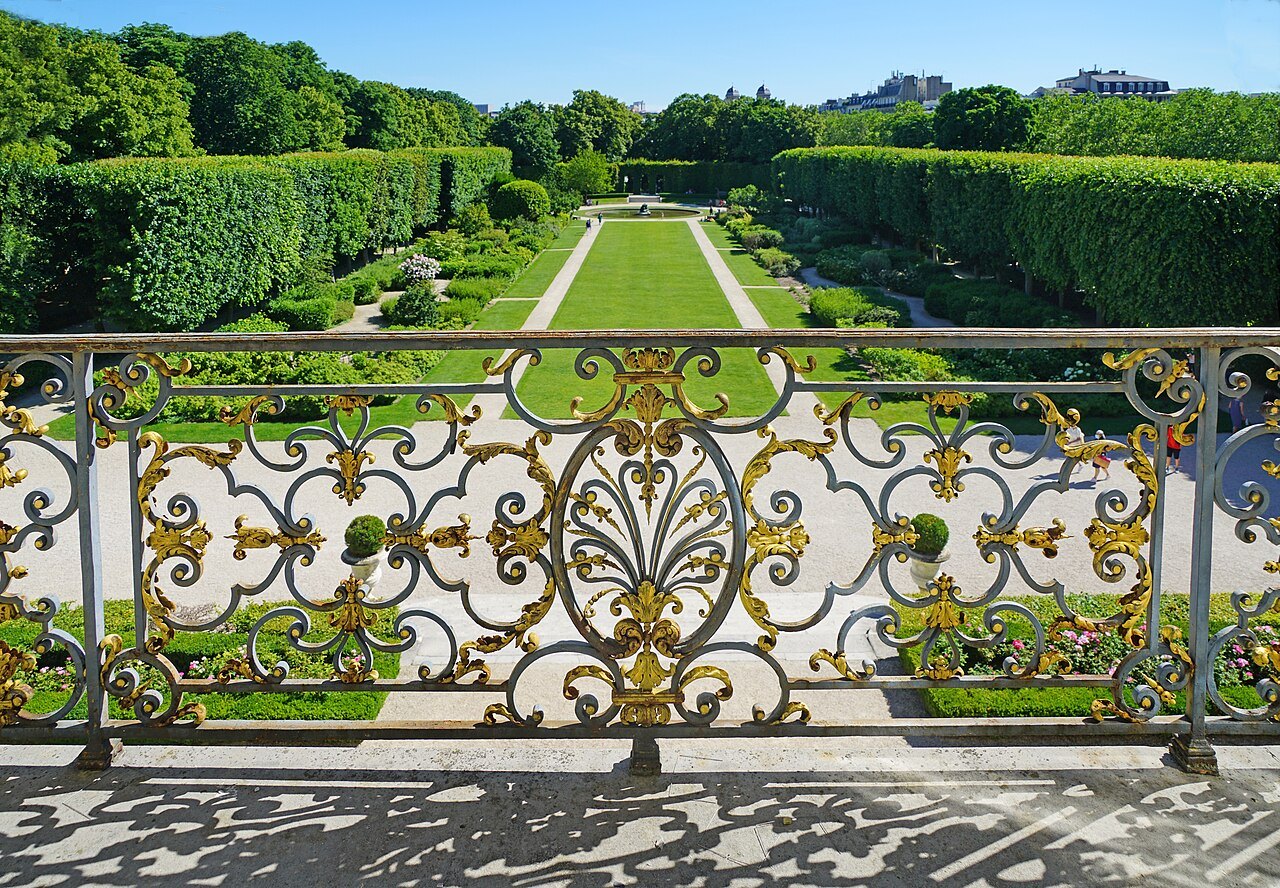
Most visitors to the Musée Rodin meet The Thinker before they reach the house, seated on a high pedestal among the clipped yews of the garden. The pose is familiar from reproductions everywhere: a muscular nude bent forward, chin resting on one hand, elbow on the opposite knee. Set against lawns and trees with the dome of the Invalides visible beyond, the bronze looks like a strained body rather than calm reflection.
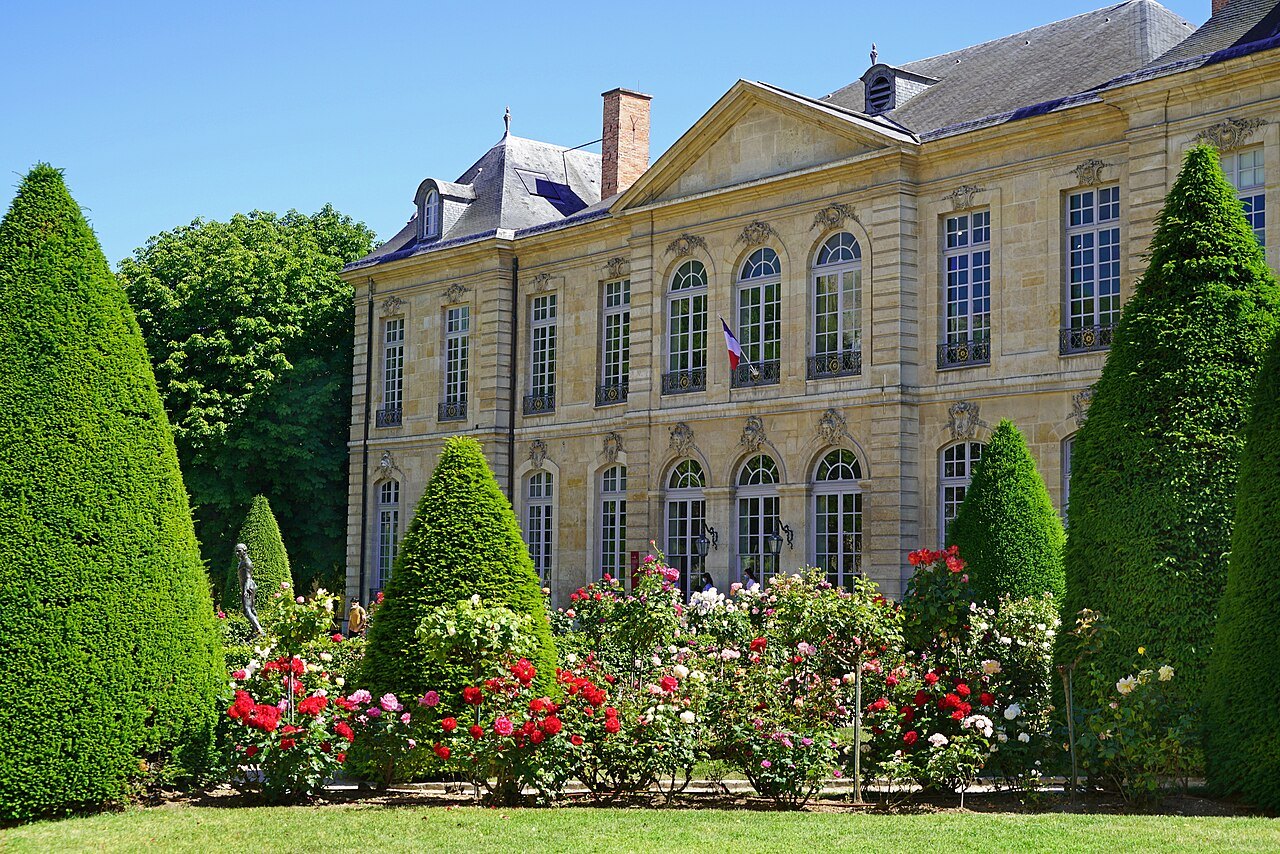
The figure did not begin as an independent monument. Rodin made it as one element of a much larger project, a bronze doorway called The Gates of Hell, where it sits above the entrance looking down on the scene below. The garden cast is a later, freestanding enlargement of that smaller original figure, and it is the version that made the pose famous.
The bronze stands dark and weathered, seen from below on its pedestal much as Rodin intended when he first placed a smaller version looking down from above a doorway. Visitors entering from the street often reach it within minutes, before any other work in the collection, so it becomes the first encounter with Rodin's sculpture rather than the last.
What Rodin called him
Rodin did not call the figure The Thinker at first. His working title was The Poet, and he placed it above the doorway of the Gates of Hell as a presence looking down over the damned souls drawn from Dante's Inferno. Many viewers have taken the seated man to be Dante himself, contemplating the poem he is about to write or the suffering he observes.
Others point out a problem with that reading: Dante is described as clothed throughout the Divine Comedy, and Rodin's figure is entirely nude. What Rodin wanted, by his own account, was not a portrait of a specific poet but a heroic nude in the tradition of Michelangelo, a single body meant to carry both intellect and poetry at once.
The museum does not settle this disagreement, which is part of what keeps the pose compelling. Whether read as the poet of the Inferno or as a general figure of thought, the same bent-forward posture has carried whatever meaning each generation has given it.
From the doors to a monument on its own
The Gates of Hell themselves stand in the museum garden, a bronze doorway crowded with about one hundred and eighty figures drawn from Dante's Inferno. The French state commissioned the doors in 1880; Rodin kept adding, removing and reworking figures on them for thirty-seven years, until his death in 1917.
Several of Rodin's best-known individual works began as figures on this doorway and were only later enlarged and cast separately. The Thinker, the tormented Ugolino, and The Kiss all started as details among the crowd on the Gates before taking on independent lives as full-size sculptures shown on their own.
The first of the familiar monumental bronze casts of The Thinker, the scale at which the figure is now known worldwide, was made in 1904. That is the cast standing in the garden of the Musée Rodin today, making it the original large-scale version rather than a later copy made after Rodin's death.
Because the doors were never installed in any building, the garden display is effectively the only public setting the Gates ever received: a doorway that leads nowhere but still functions as one of Rodin's largest completed works, with The Thinker holding the place above the scene exactly as originally planned.
The house that holds the rest of his work
The Thinker is only one piece of a much larger gift. In 1916 the French parliament passed a law accepting Rodin's offer to give his sculpture, drawings and collection of antiquities to the nation, on condition that the Hôtel Biron, the eighteenth-century mansion on the Rue de Varenne where he had lived and worked since 1911, become a museum devoted to his work. Rodin died in 1917, and the museum opened in 1919.
The mansion itself, built between 1727 and 1732 as the Hôtel Peyrenc de Moras and later named for the Duke of Biron who owned it, had already passed through the hands of a convent school and a scatter of tenant artists, including Jean Cocteau, Henri Matisse, Isadora Duncan and the poet Rainer Maria Rilke, before Rodin ever moved in.
Seeing The Thinker in the garden, then, means standing in the grounds where Rodin actually lived and worked in his final years, not in a gallery built after his death. The house behind it holds the rest of his gift to the state, including The Kiss in white marble and a room devoted to Camille Claudel.
Myths worth setting aside
The idea that The Thinker shows a philosopher lost in abstract reflection is a later simplification. Rodin's own title was The Poet, his placement was above a doorway into hell, and his declared aim was a heroic, Michelangelo-like nude standing for intellect and poetry together, not a portrait of reasoned contemplation.
The long-running argument over whether the figure represents Dante specifically, given its position above the Inferno scenes, is one the museum does not try to settle; the clothing discrepancy is left as a detail worth noticing rather than a question with a final answer.
A further common assumption is that The Thinker was commissioned as a standalone monument to philosophy. It was not. The work became an independent object only because Rodin and others enlarged a figure that began as one detail among many on an unfinished doorway, and its fame owes as much to later casting as to its original purpose.
Not the only Thinker
The bronze in the garden is not a unique object. Rodin authorized multiple casts during his lifetime, and more were made after his death, so versions of The Thinker now stand in museums, universities and public squares worldwide. The Musée Rodin's cast is distinctive because it was the first of the large bronzes, made in 1904.
Rodin also kept a house and studio outside Paris, at Meudon, which the museum now runs as a second site. His tomb stands there, and above it is placed a cast of The Thinker, so the figure that began as a detail on a doorway ended, in effect, keeping watch over its own maker's grave.
Because so many casts exist, visitors sometimes assume that any large bronze Thinker they encounter must be the original. The distinction the Musée Rodin draws is more modest: its cast was simply the first of the large bronzes, not the only or final version of a figure Rodin reworked throughout his career.
Seeing it at the Musée Rodin
The Thinker stands in the museum's garden, about seven and a half wooded acres of lawns, yews and roses around the eighteenth-century mansion, with a pool and a café among the trees. Many visitors spend as long walking the grounds as touring the rooms inside, and good weather makes the outdoor collection worth unhurried time.
Further into the garden stand other major Rodin bronzes, including The Burghers of Calais and the monument to Balzac, so a visit built around The Thinker naturally leads past the rest of the outdoor collection before or after a tour of the house.
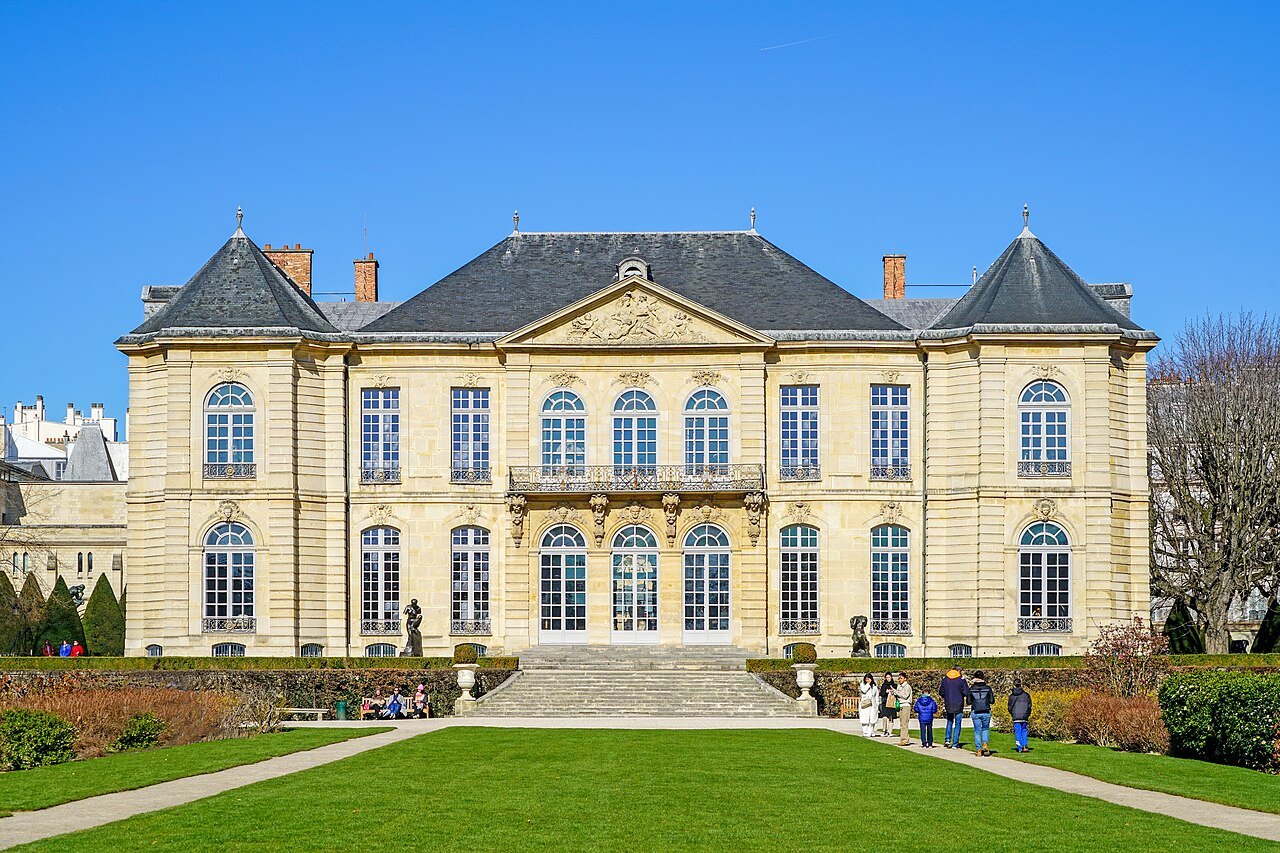
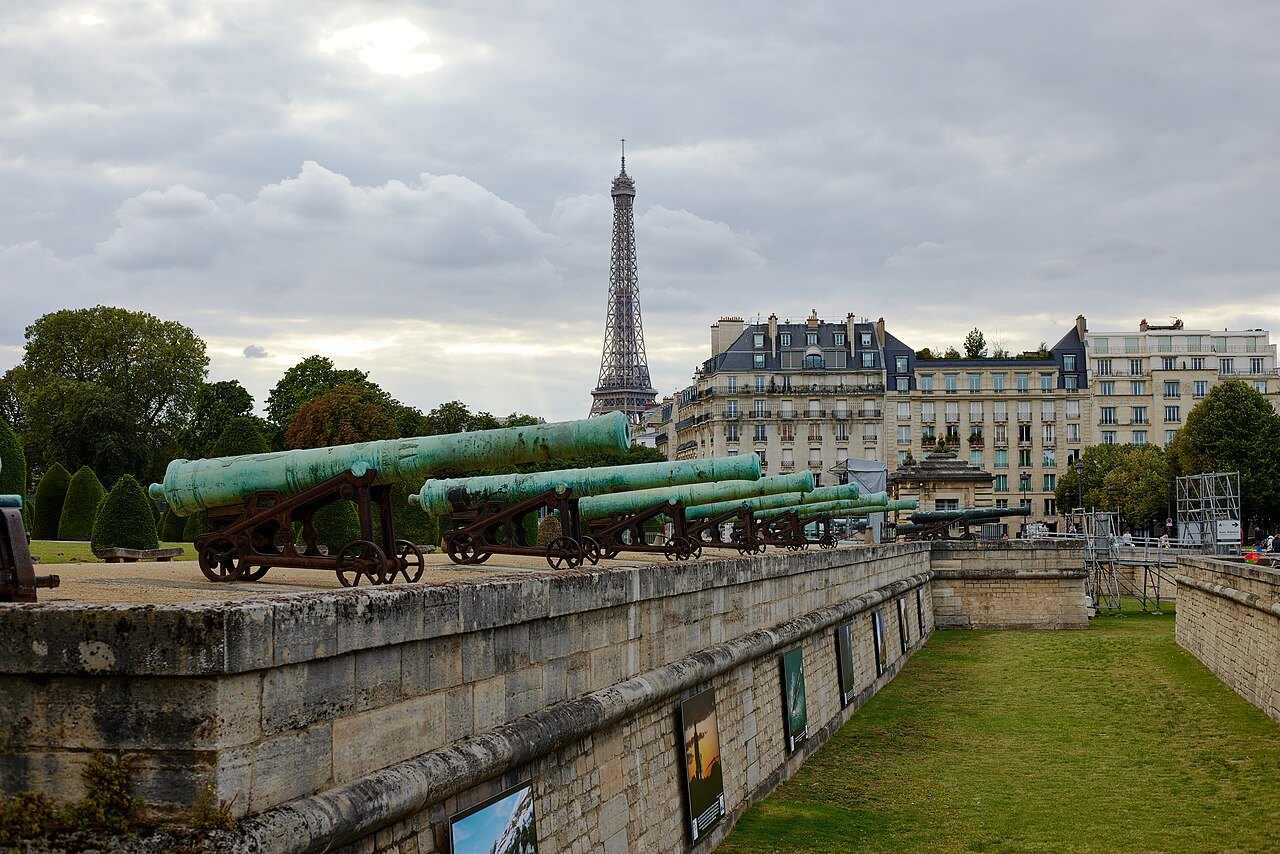
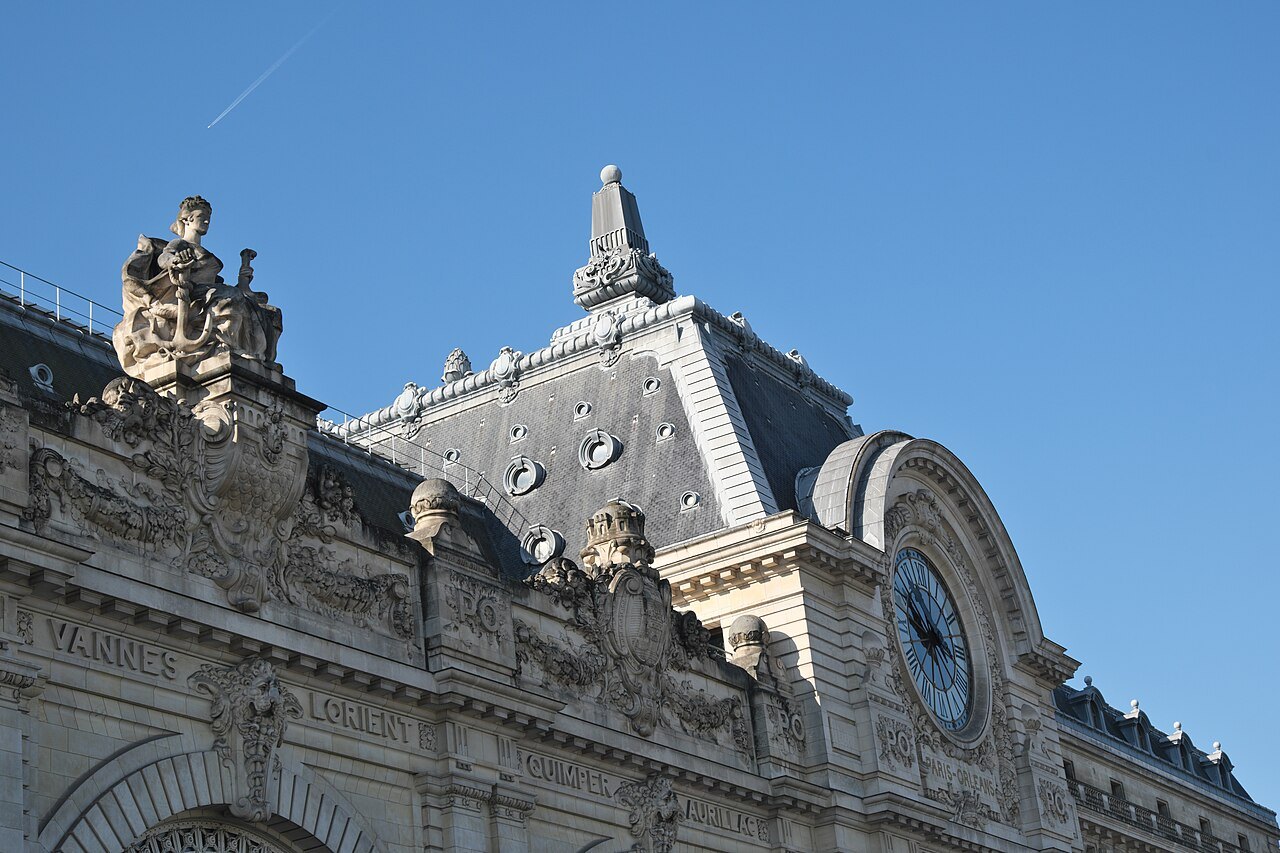
Two hours is generally enough to cover both the garden and the house, which holds further Rodin work in marble, bronze and plaster. The museum sits a short walk from the Invalides and the Musée d'Orsay, making it easy to combine with either; for tickets in advance, see booking ahead.
Read next
More from the journal
- The Musée d'OrsayWhich paintings should you not miss at the Musée d'Orsay?A room-by-room guide to the paintings worth planning around at the Musée d'Orsay, from Monet to Van Gogh.Read the piece →
- The Musée d'OrsayHow did a railway station become the Musée d'Orsay?How a Belle Époque railway terminus on the Seine became the world's great home of Impressionist painting.Read the piece →
- Les InvalidesHow did Napoleon's body come back to Paris?The story of how Napoleon's remains traveled from Saint Helena to the tomb beneath the Dôme des Invalides.Read the piece →