WHICH PAINTINGS TO SEE FIRST
Which paintings should you not miss at the Musée d'Orsay?
A room-by-room guide to the paintings worth planning around at the Musée d'Orsay, from Monet to Van Gogh.
The answer in full
Read on
Why these paintings matter
The Musée d'Orsay holds the largest collection of Impressionist and Post-Impressionist masterpieces in the world, which is why most visitors come. Works by Berthe Morisot, Claude Monet, Édouard Manet, Edgar Degas, Pierre-Auguste Renoir, Paul Cézanne, Georges Seurat, Alfred Sisley, Paul Gauguin and Vincent van Gogh hang here, many of them among the best-known paintings of modern art.
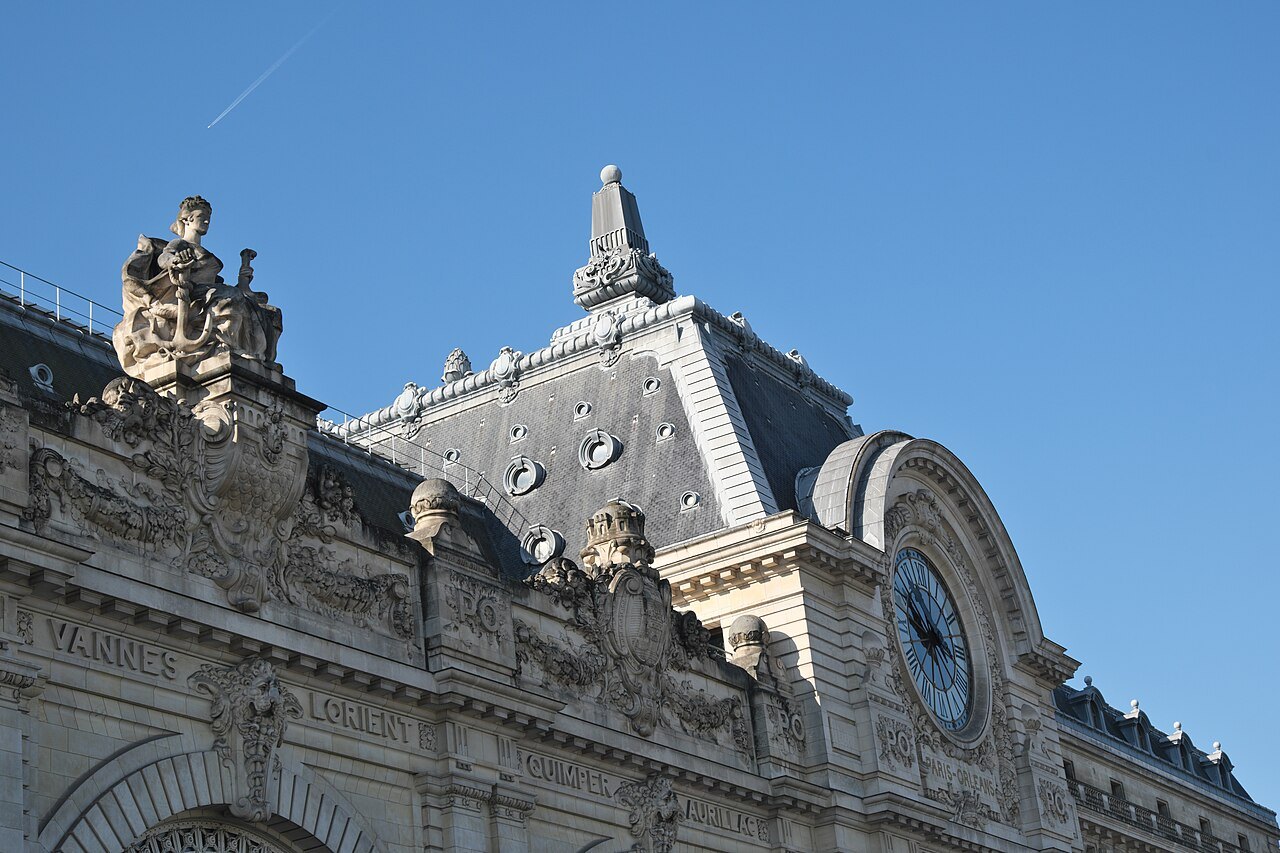
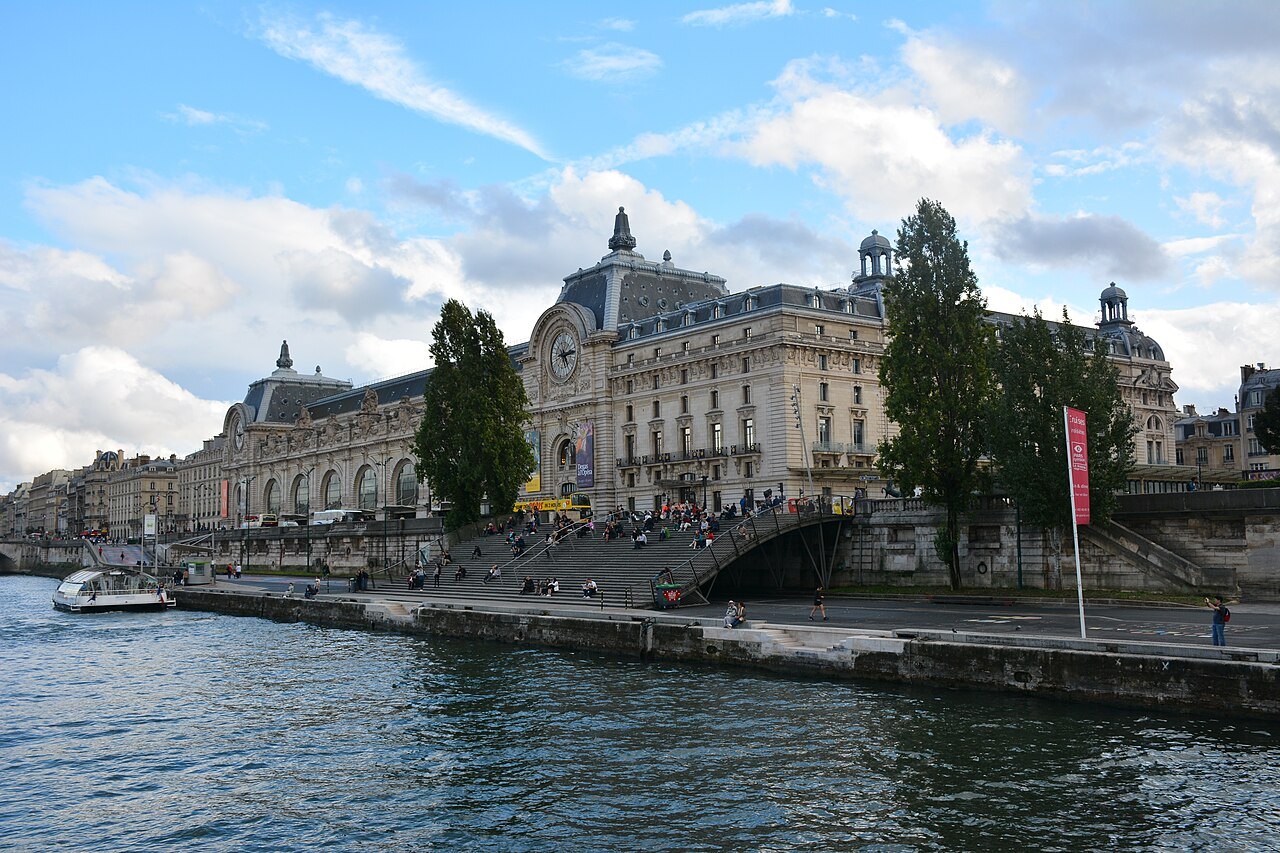
The museum sits on the Left Bank in the seventh arrondissement, in the former Gare d'Orsay, a railway station finished in 1900. Its collection covers French art from 1848 to 1914, in painting, sculpture, furniture and photography, but the Impressionist and Post-Impressionist rooms draw the crowds, and in 2022 it ranked as the second-most visited art museum in France, after the Louvre.
With so much to see, it helps to know which rooms hold the paintings worth planning around, and in what order to meet them. The top floor is the place to start for the Impressionists, the ground-floor nave holds the art they argued with, and further rooms carry the story into Post-Impressionism and beyond.
On the top floor: the Impressionists
The Impressionist rooms sit on the top floor, lit from above, and this is where most visitors head first. The museum holds eighty-six paintings by Claude Monet alone, among them the Saint-Lazare station shown in steam, the Rue Montorgueil hung with flags, and his studies of poplars and of Rouen Cathedral in changing light.
Edgar Degas is represented here too, with his painting L'Absinthe and his studies of dancers, forty-three works by him in all. Pierre-Auguste Renoir's Bal du moulin de la Galette, showing a crowd dancing under the trees in Montmartre, hangs nearby, one of eighty-one paintings by Renoir, the second-largest group of any single artist in the museum after Monet.
These top-floor rooms are also the most crowded in the museum, since nearly every visitor wants to see them, so they are best visited early in the day or toward its end rather than in the middle hours, when the galleries fill. Coming down afterward through the Post-Impressionist rooms makes a natural order for a visit.
On the ground floor: the art they argued with
Down on the ground floor, along the nave of the old train hall, hang the paintings that came before Impressionism and that it reacted against. Édouard Manet's Olympia and his Déjeuner sur l'herbe both caused scandals when they were first shown, and the museum holds thirty-four works by Manet in all.
Gustave Courbet's huge Burial at Ornans hangs here too, along with Jean-François Millet's Gleaners and the portrait Whistler painted of his mother, bought by the French state in 1891. Courbet's Artist's Studio, a vast allegory of his own life as a painter, fills an entire wall on its own; the museum holds forty-eight paintings by Courbet.
Seeing this academic and realist painting of the Second Empire alongside the Impressionist rooms upstairs is part of the point of a visit. The Orsay is not a museum of Impressionism alone, and much of its ground-floor collection is exactly the art that Monet, Degas and their contemporaries were painting against.
Beyond Impressionism: the Post-Impressionist rooms
Beyond the Impressionist galleries, the museum's rooms turn to the painters who followed and pushed past them, carrying the collection's span toward its end date of 1914. Paul Cézanne is represented by fifty-six paintings, including one of his Card Players, and Georges Seurat by nineteen works, among them The Circus.
Paul Gauguin's paintings of Tahiti hang here, twenty-four works in all, alongside a room devoted to Vincent van Gogh, also with twenty-four paintings. His Starry Night Over the Rhône, painted at Arles in September 1888 and shown in Paris the following year, hangs near his Bedroom in Arles, from the same stay in the south of France.
Beyond painting, the museum also holds one of the great collections of Art Nouveau furniture and decorative art, and a large collection of early photography, both worth setting aside time for if the painting galleries have not already filled a morning. These rooms tend to draw fewer visitors than the crowded Impressionist galleries upstairs.
A sense of the depth
The numbers give a sense of how deep the collection runs beyond any single painting. Alongside the eighty-six Monets and eighty-one Renoirs are forty-six paintings by Camille Pissarro, forty-three by Degas, thirty-four by Manet, forty-eight by Courbet, and twenty-four each by Van Gogh and Gauguin, with nineteen by Seurat in the museum's collection.
Few visitors see more than a fraction of this in a single morning. The collection rewards repeat visits more than a single determined sweep through every room, and choosing a handful of paintings to focus on, rather than trying to see everything, usually makes for a calmer and more satisfying visit.
A good approach is to decide beforehand on three or four paintings that matter most, find them on the museum's floor plan at the entrance, and build the rest of a first visit loosely around them, rather than working gallery by gallery from one end of the building to the other.
Planning your visit
Two to three hours makes a good first visit. If time is short, go straight up to the top-floor Impressionist galleries, then come down through the Post-Impressionist rooms and finish in the ground-floor nave on the way out, rather than starting at the entrance and working room by room in sequence.
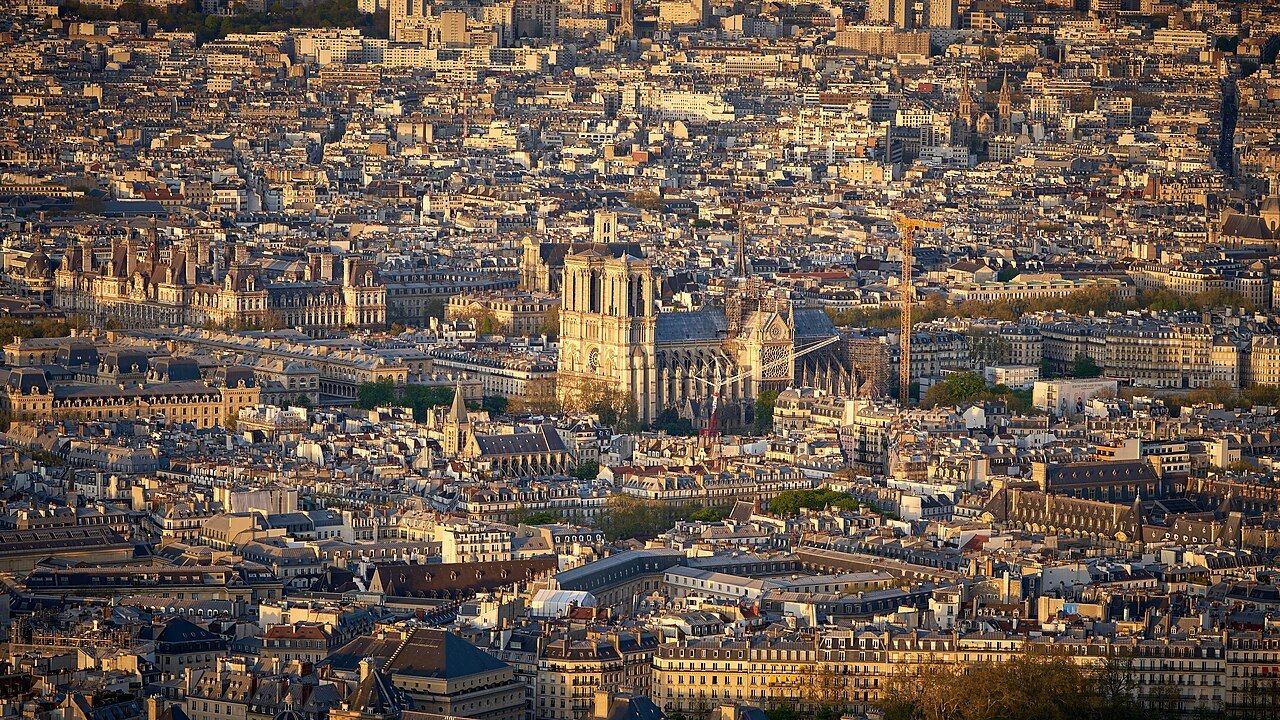
The entrance to the museum is on the square by the river, facing the Seine. Tickets are timed, so it is worth checking the museum's own site well before the visit; for how to book ahead and what else to arrange, see booking ahead. Getting to the museum by public transport is straightforward from most parts of Paris.
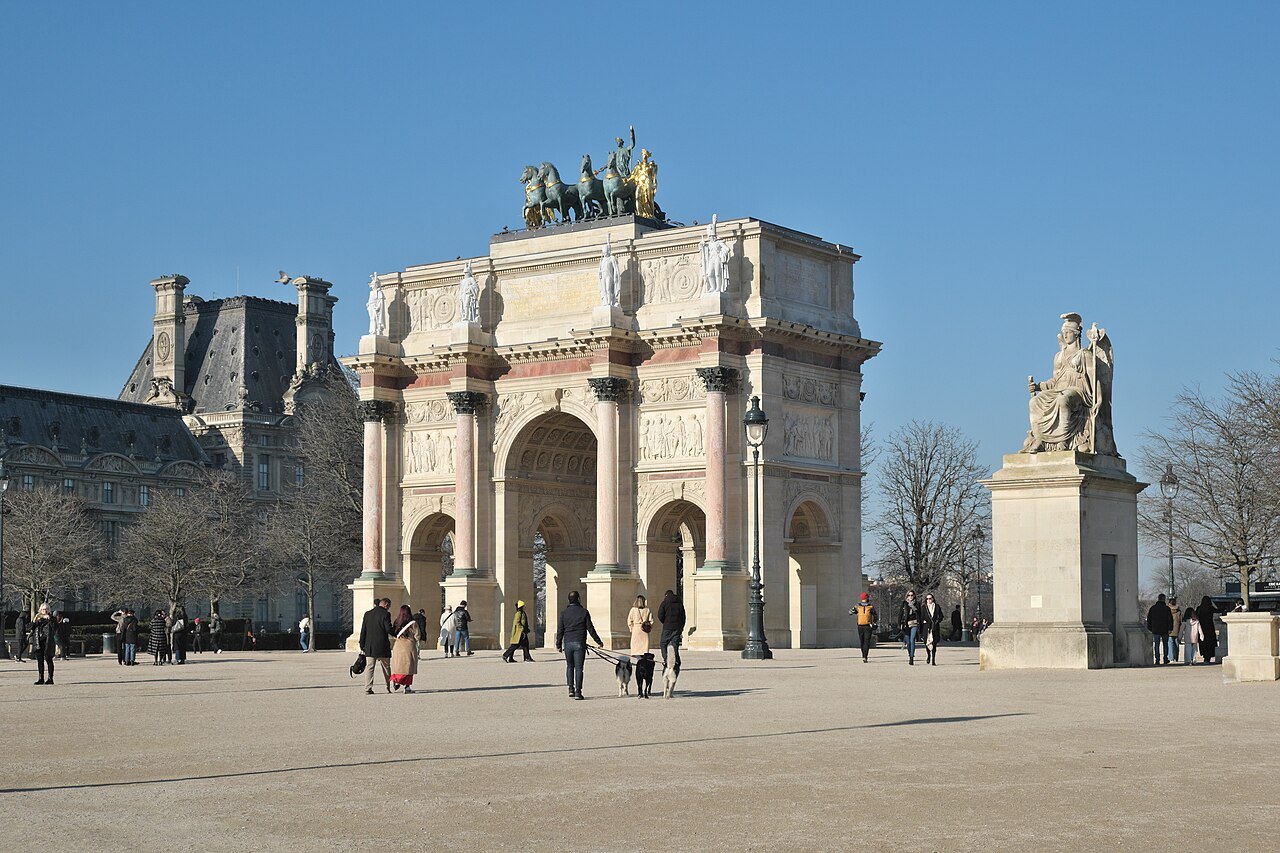
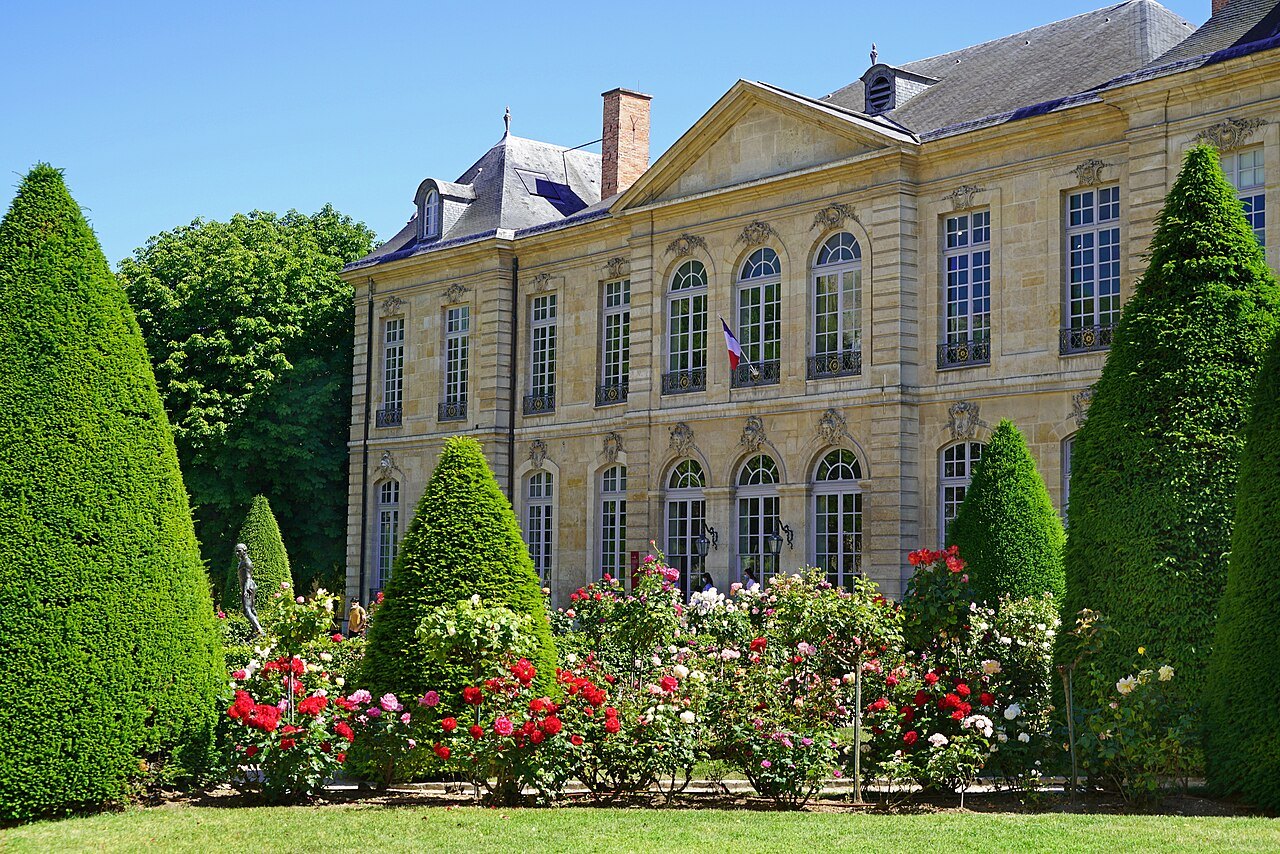
Other sights pair naturally with a visit here. The Orangerie, with Monet's Water Lilies, is across the river by the footbridge from the quay, and the Musée Rodin is a short walk west on the Rue de Varenne. The Tuileries gardens lie just across the Seine from the museum's river-facing windows.
Myths worth setting aside
The Musée d'Orsay is sometimes treated as a museum of Impressionism only, but its collection runs from 1848 to 1914, and much of what it holds is the academic painting and sculpture of the Second Empire, the very art the Impressionists were rebelling against. Seeing both kinds of painting in the same visit is part of what makes the collection worth the time it takes.
The building itself is often misremembered as an industrial shed. In fact the architect Victor Laloux, working with Lucien Magne and Émile Bénard, designed it to look like a palace from the river, hiding a modern iron train shed behind a stone façade and a hotel so it would sit comfortably opposite the Louvre and the Tuileries.
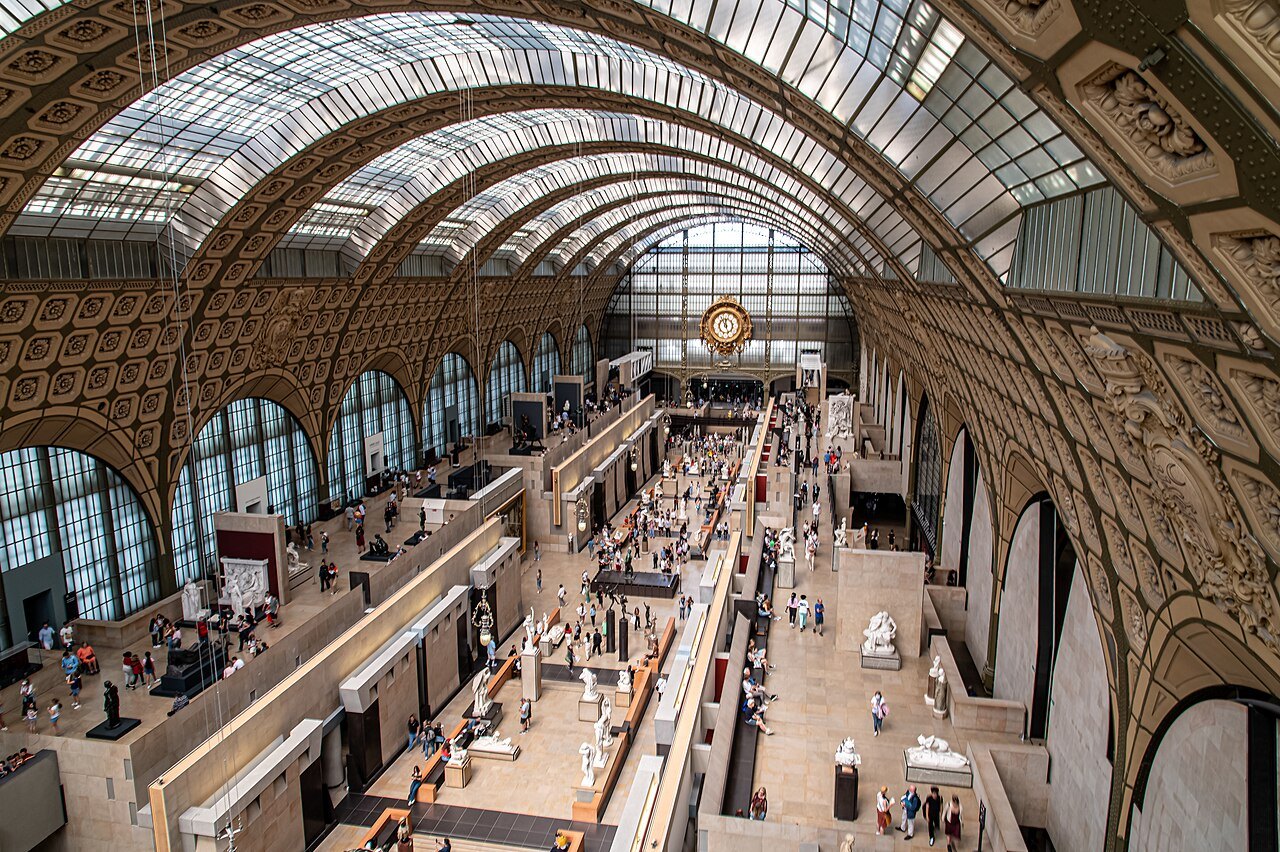
Permission to demolish the old station was given in 1970, but it was saved, listed as a historic monument in 1978, and opened as a museum under President François Mitterrand in December 1986. Eighty years after the station first opened on the Seine, it became a palace of art in fact.
Read next
More from the journal
- The Musée d'OrsayHow did a railway station become the Musée d'Orsay?How a Belle Époque railway terminus on the Seine became the world's great home of Impressionist painting.Read the piece →
- The LouvreHow do you see the Louvre in a single day?A practical one-day plan for choosing what to see at the world's largest museum.Read the piece →
- Les InvalidesHow did Napoleon's body come back to Paris?The story of how Napoleon's remains traveled from Saint Helena to the tomb beneath the Dôme des Invalides.Read the piece →