NAPOLEON'S LONG JOURNEY HOME
How did Napoleon's body come back to Paris?
The story of how Napoleon's remains traveled from Saint Helena to the tomb beneath the Dôme des Invalides.
The answer in full
Read on
A death on a distant island
Napoleon died in exile on Saint Helena in 1821, a remote island in the South Atlantic where he had been sent after his final defeat. He was buried there, far from the Paris he had once ruled as emperor, with no tomb built in France to mark his grave for decades.
Nineteen years passed before his remains crossed the ocean again. In that time France's political mood shifted, and the memory of the former emperor turned from an awkward subject for the restored monarchy into a matter of national pride that a new king could put to his own political use.
That shift came to a head in 1840, under King Louis-Philippe rather than a member of Napoleon's own family. The decision to bring the body home set in motion one of the grandest public ceremonies nineteenth-century Paris would see, decades before the tomb visitors see today ever existed in its finished form.
The return of the ashes, 1840
In 1840 King Louis-Philippe arranged for Napoleon's remains to be brought back to France from Saint Helena, an event still remembered by its own name, the return of the ashes. It marked the formal reconciliation of the French state with the memory of the empire Napoleon had built and lost.
The remains were laid under the dome of the Invalides with a grand public ceremony, returning Napoleon to a building that Louis XIV had founded more than a century earlier, in 1670, as a home and hospital for old and disabled soldiers rather than as a resting place for emperors.
That ceremony was not the end of the story, however. It placed Napoleon under the dome only provisionally, since his permanent tomb did not yet exist and would take more than two decades of further work before it was ready to receive him and the visitors who wished to see it.
Building a tomb fit for an emperor
The architect Louis Visconti was given the task of designing a permanent tomb, a project that stretched across twenty-one years after the 1840 ceremony. Visconti died before the work was finished, and the tomb was finally inaugurated in 1861, two decades after Napoleon's remains first arrived under the dome.
The result is a sarcophagus cut from deep red quartzite and set on a base of green granite, a combination of stone chosen for its weight and color. No particular meaning for the choice of stone is recorded for today's visitor, only its striking appearance beneath the dome's painted ceiling.
It sits inside an open circular crypt sunk into the floor beneath the dome, encircled by a gallery carried on twelve pillars and decorated with reliefs and tall carved figures celebrating Napoleon's achievements. Visitors first look down on the sarcophagus from a balustrade at floor level, then descend a staircase to walk around it at close range.
What the visitor actually sees
It is worth knowing, before looking down into the crypt, that Napoleon is not lying in the visible stone itself. His body was placed inside the sarcophagus on 2 April 1861, sealed within six successive coffins, one fitted inside another, a nesting built to protect the remains permanently against time and decay.
What the eye takes in from the balustrade, and later at close range on the crypt floor, is only the outermost of those six shells, the great red quartzite case that gives the tomb its monumental scale and its deep color under the light that falls from the dome above.
The dome above the tomb is a landmark in its own right, ribbed with gilded panels and crowned by a gilded lantern, rising three hundred fifty-one feet above the ground. It is the tallest church building in Paris and one of the fixed points of the city's skyline, visible across the river.
Neighbors under the dome
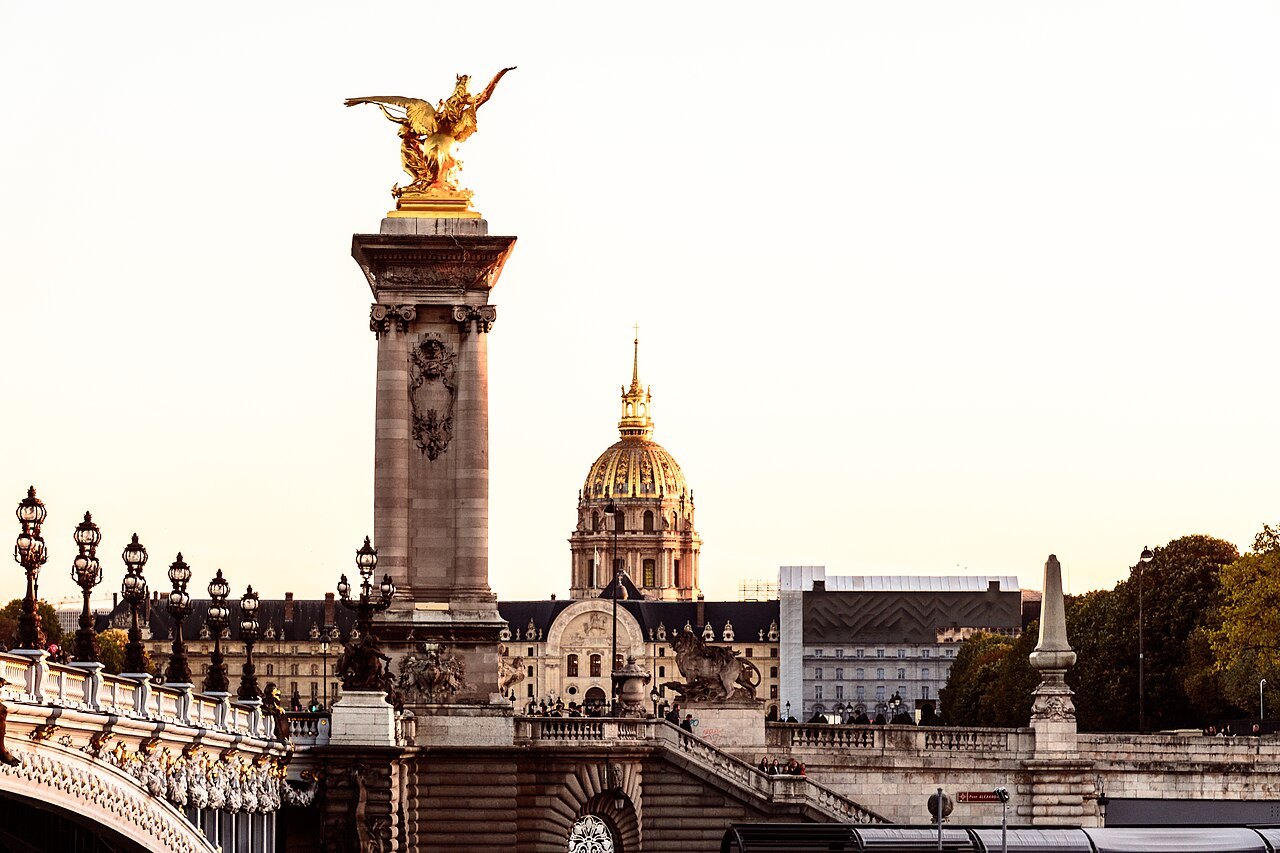
Napoleon's tomb does not stand alone beneath the dome. The side chapels that ring it hold other soldiers and members of his family, placed there across the eighteenth and nineteenth centuries as the building's role shifted from a soldiers' hospital toward a shrine to French military history and memory for later generations.
Marshal Turenne, the great seventeenth-century commander, has a monument here that Napoleon himself ordered moved to the Invalides, setting one celebrated military career alongside another under the same dome and linking his own reign to the earlier wars fought under Louis XIV, who had founded the Invalides in 1670 as a hospital for his soldiers.
A cenotaph holds the heart of Vauban, the military engineer who built so many of Louis XIV's fortifications, and nearby lies Jérôme Bonaparte, the emperor's youngest brother, who went on to govern the Invalides in the middle of the nineteenth century, decades after his brother's death on Saint Helena in 1821.
The Invalides before Napoleon
Long before it held an emperor's tomb, the Hôtel des Invalides was Louis XIV's hospital for the veterans of his many wars. He founded it by an order of 24 November 1670, and the first residents moved in when the king himself came to open it in person in October 1674.
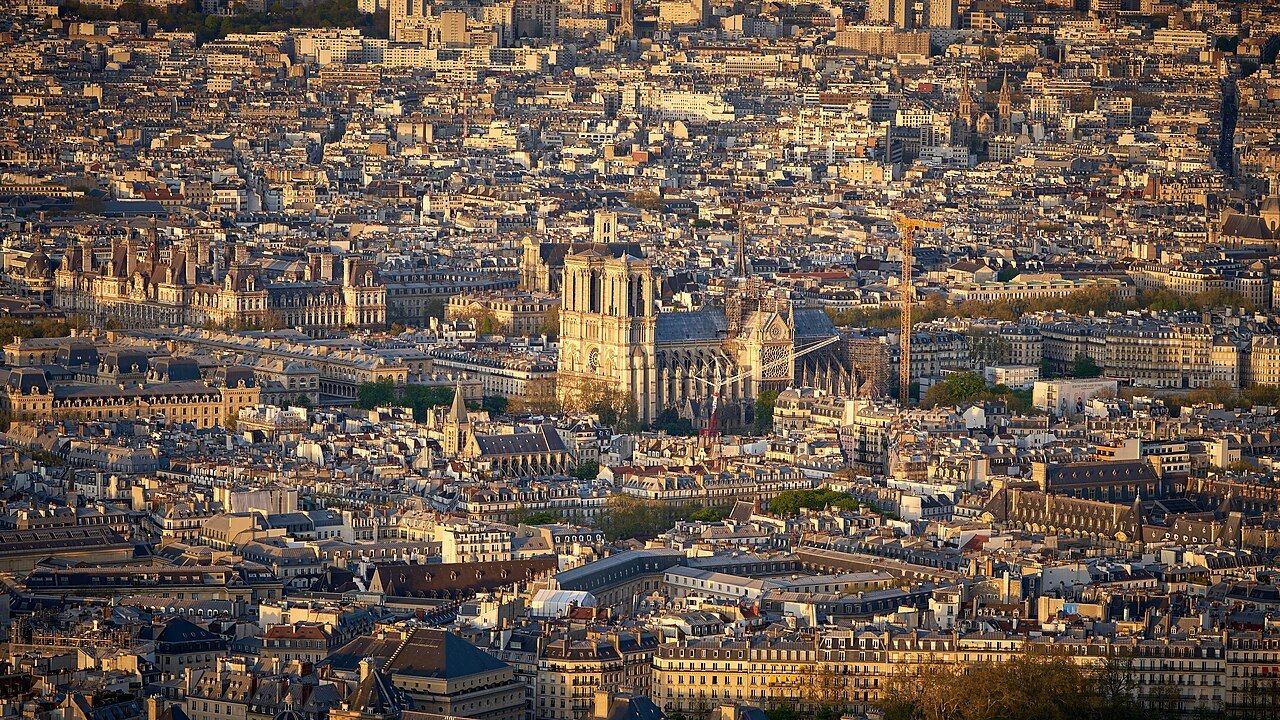
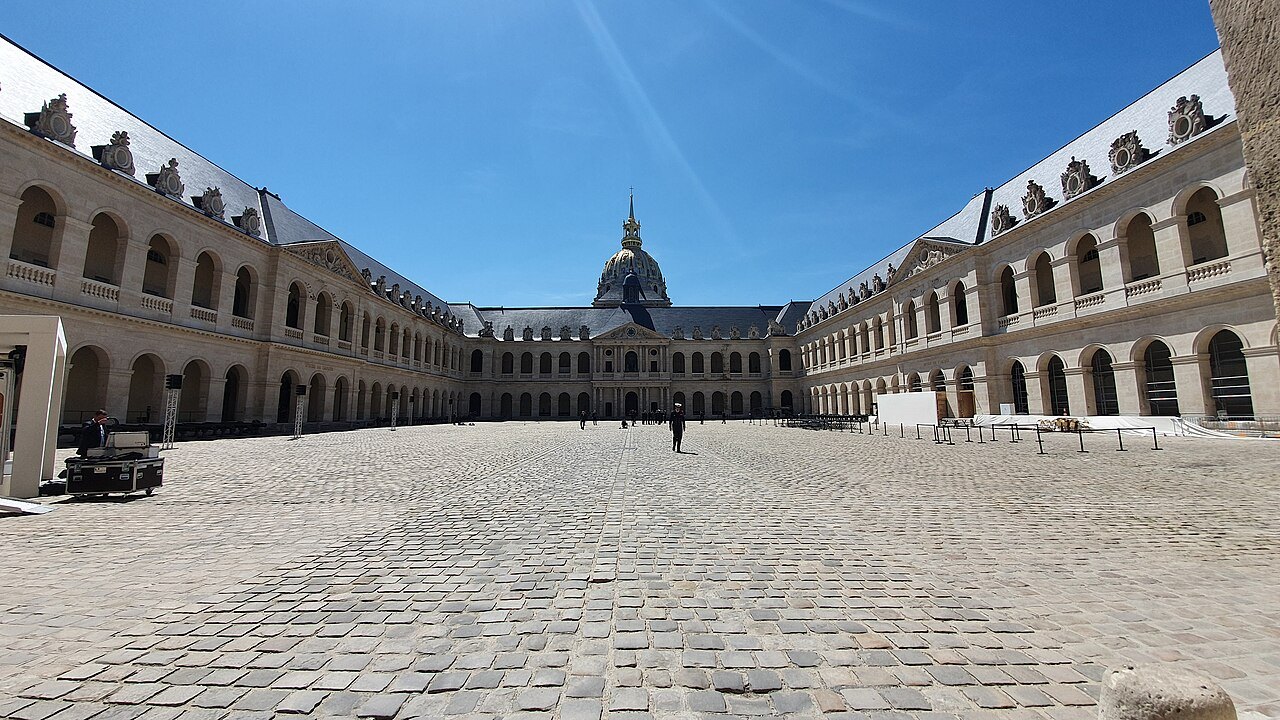
The first architect was Libéral Bruant, who laid out a site on what was then the suburban plain of Grenelle; by 1676 the buildings had a river front of about six hundred forty feet and fifteen courtyards, the largest built for military parades and still known as the Cour d'Honneur.
Jules Hardouin-Mansart then designed the church complex, a church for the soldiers joined to a domed royal chapel, finished in 1706. On 14 July 1789 a crowd stormed the Invalides and took the cannons and muskets stored in its cellars, using them later that day against the Bastille, a turning point in the Revolution.
Visiting the tomb today
The Dôme and Napoleon's tomb are visited together with the Musée de l'Armée, the army museum that fills the old wings around the courtyards of the Hôtel des Invalides. Allow at least two hours for the visit, more if the museum's galleries on the two world wars interest you most.
For advance tickets and current visiting arrangements, check the planning notes at booking ahead before setting out, since opening arrangements and routes through the building can change from one visit to the next, and are best confirmed directly with the monument rather than guessed in advance of a trip.
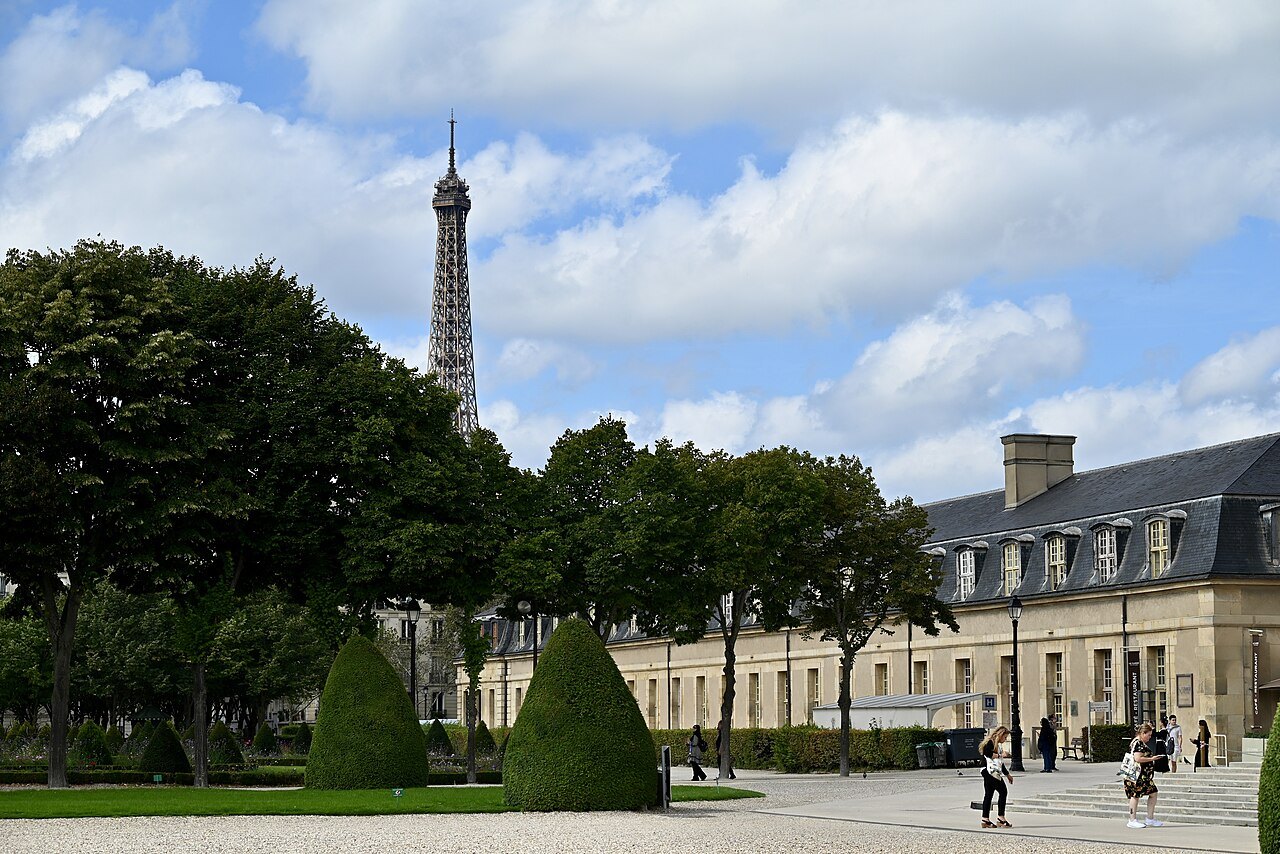
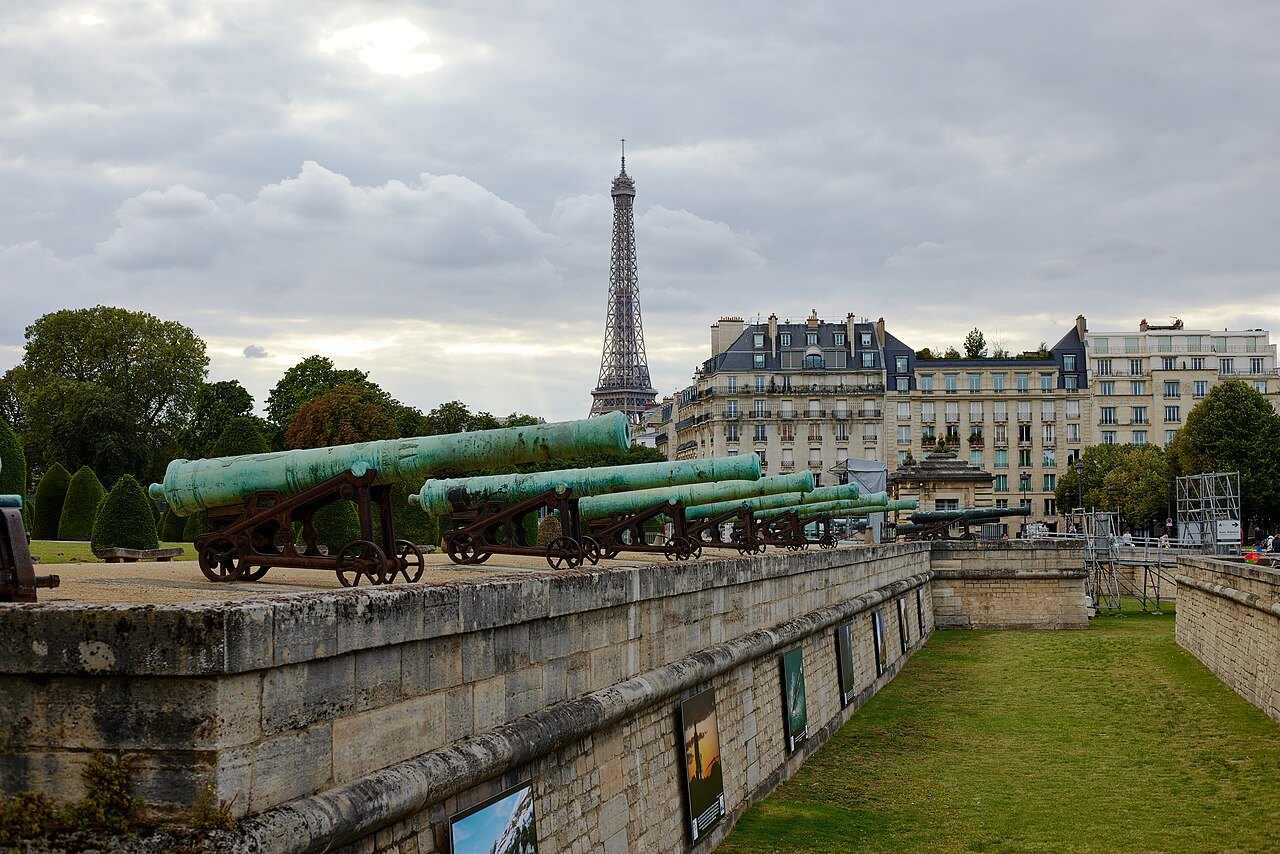
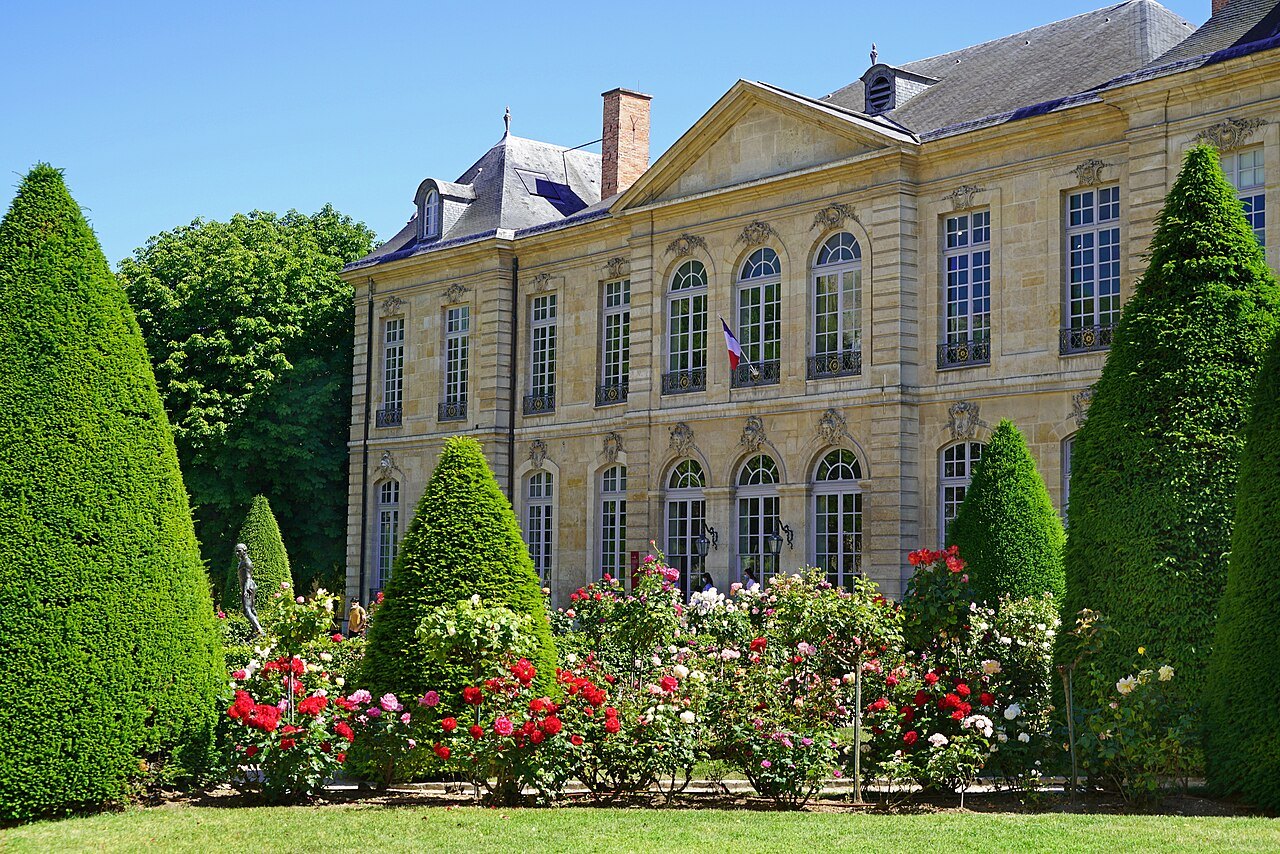
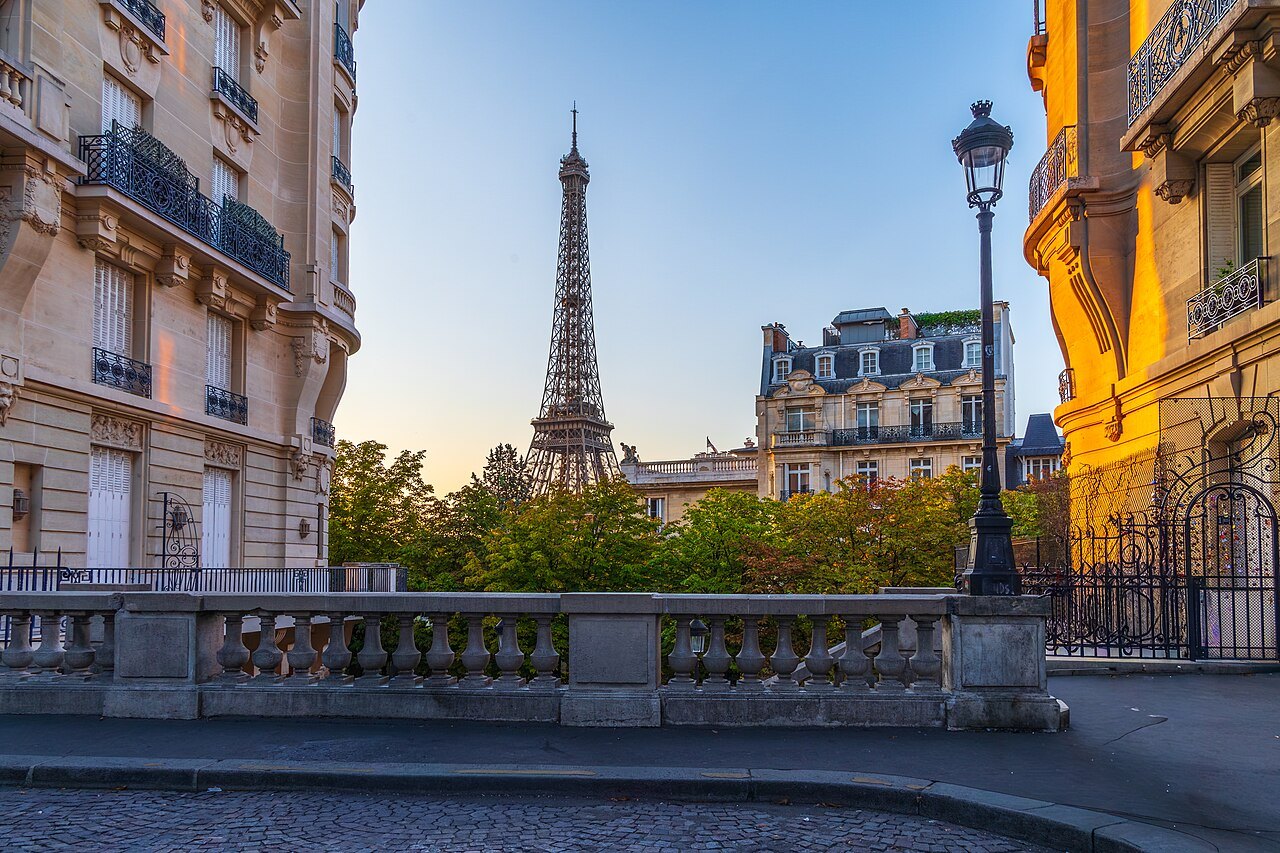
Outside, the Esplanade des Invalides, the long lawn facing the river, runs north to the Pont Alexandre III, built on the same axis. The Musée Rodin stands next door to the east, and the Eiffel Tower is a walk west across the Champ de Mars, a route many visitors combine with the esplanade itself.
Read next
More from the journal
- The LouvreHow do you see the Louvre in a single day?A practical one-day plan for choosing what to see at the world's largest museum.Read the piece →
- Notre-Dame de ParisWhat happened to Notre-Dame in the fire of 2019?On 15 April 2019 fire destroyed the spire and the medieval oak roof of Notre-Dame; the stone vaults, the towers, the façade and the great windows survived. How the fire spread, how firefighters saved the north tower, how the roof was rebuilt in oak, and what visitors notice since the reopening in December 2024.Read the piece →
- The PanthéonWho is buried in the crypt of the Panthéon?Voltaire, the Curies, Victor Hugo, and more: who France has chosen to bury in the Panthéon's crypt, and why.Read the piece →