A PHARAOH'S GIFT TO PARIS
Where did the obelisk in the Place de la Concorde come from?
How the ancient Egyptian obelisk at the center of the Place de la Concorde came to stand in Paris.
The answer in full
Read on
A Stone at the Heart of Concorde
The Place de la Concorde is the largest square in Paris, set where the Tuileries Garden meets the start of the Champs-Élysées. At its center stands a column of yellow granite, carved with hieroglyphs that praise the pharaoh Ramesses II. The obelisk rises about seventy-five feet and has marked this exact spot since well after the square itself was first laid out, long before the Revolution reshaped it.
This column once stood at the entrance to the temple of Luxor, in southern Egypt, as one of a matching pair. Its companion obelisk remains there today, too heavy to move with the technology available at the time France received its twin. The hieroglyphs that cover all four faces were carved to honor Ramesses II, and the base carries later engravings that record how the stone eventually reached Paris.
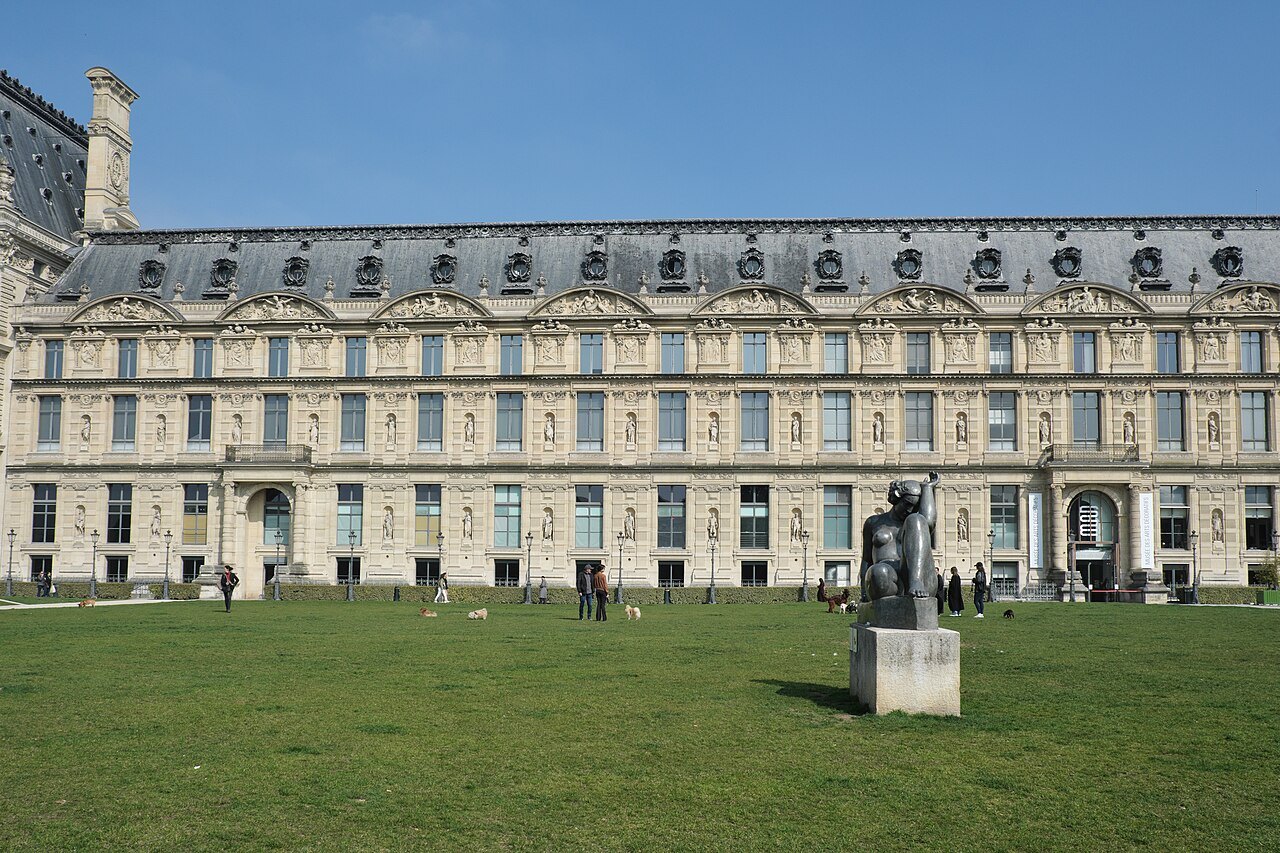
The obelisk sits on the pedestal where an earlier monument once stood, at the exact middle of the square. From here the view runs straight through the Tuileries to the Louvre in one direction, and up the Champs-Élysées toward the Arc de Triomphe in the other, making the column a fixed point along one of the longest sightlines in the city, one that was laid out long before the obelisk itself existed.
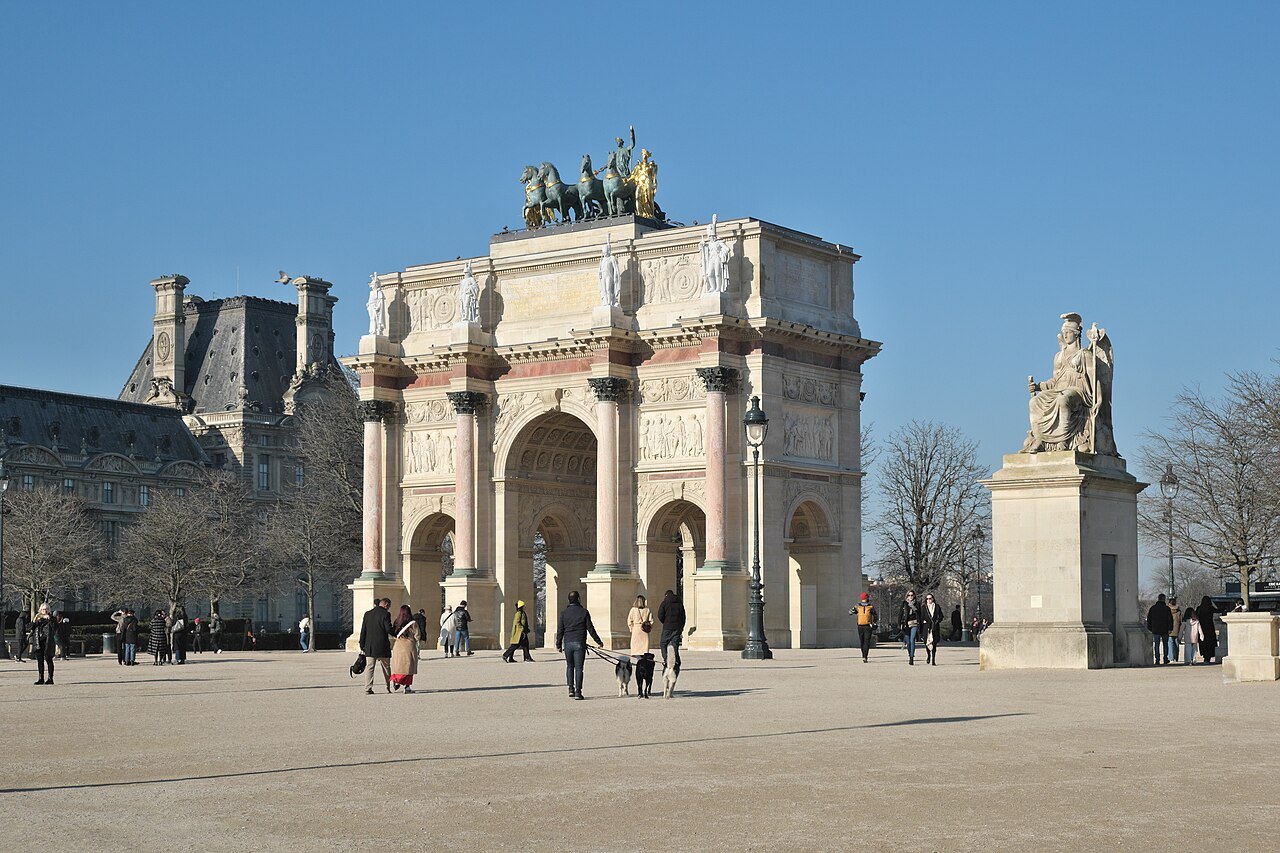
For most visitors, the obelisk works best as one stop within a longer walk that links the garden, the river, and the grand avenue beyond, combined with nearby sights over the course of a single day, especially for travelers also planning time at the Louvre or the Orangerie close by.
A Diplomatic Gift, Not War Booty
The obelisk did not arrive in Paris as war booty, whatever visitors may have heard elsewhere. It was offered to France in 1829 by Muhammad Ali, then the ruler of Egypt, as a formal diplomatic gift between governments. The offer included both obelisks that stood at the Luxor temple entrance, though only one ever made the journey across the Mediterranean and up the Seine.
The second obelisk proved too heavy to move with the equipment and methods available at the time, and it stayed standing at Luxor. It remained France's by right for more than a century afterward, a quiet reminder of the original gift, until President François Mitterrand formally returned France's claim to Egypt in 1981, a gesture that closed the matter for good.
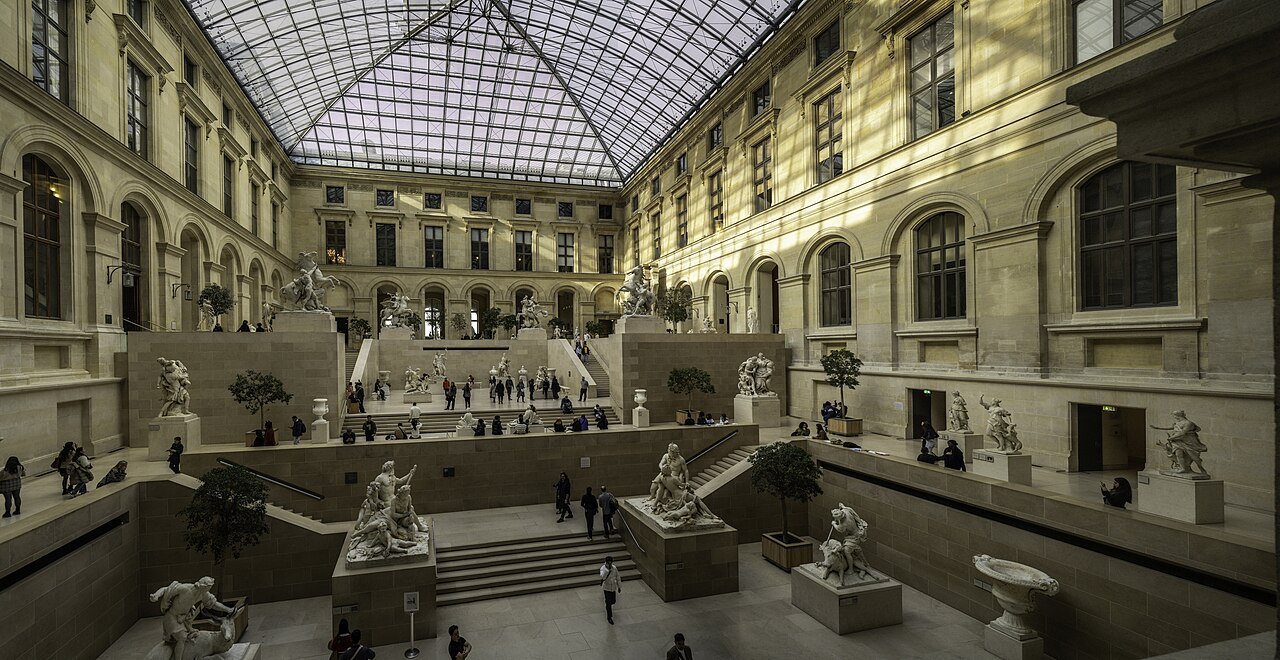
Visitors curious about the broader history of such exchanges, and about how ancient Egyptian artifacts came to sit in European collections, can find more context at the Louvre, a short walk back through the garden, which holds its own galleries of Egyptian antiquities collected in that same nineteenth-century period, when museums across Europe were expanding their collections.
Raising the Obelisk
The obelisk was not raised on its pedestal until 1836, seven years after Egypt's ruler first offered it to France. Moving a single block of granite that size from the banks of the Nile to the center of Paris required specially built ships and cranes, and the whole operation became something of a public spectacle in both countries.
The base of the obelisk itself records how the engineering was done, with diagrams and inscriptions illustrating the feat of raising the stone upright on the old pedestal where an earlier equestrian statue had stood. Visitors who walk around the monument can still read these details carved into the granite near ground level.
At the same period the architect Jacques Ignace Hittorff built two large fountains flanking the obelisk, one representing the seas and one the rivers of France. The northern of the two stands on the exact spot where the guillotine once stood, a detail easy to miss amid the traffic but worth remembering while crossing the square.
The Square Before the Obelisk
Long before the obelisk arrived, this square was laid out for Louis XV and named in his honor, with an equestrian statue of the king at its center. The design predates the garden's current link to the Champs-Élysées by decades, and for most of the eighteenth century the statue, not any monument from Egypt, was the square's focal point.
In 1792 revolutionaries pulled down the royal statue, and the square was renamed the Place de la Révolution. The guillotine was set up on this spot, and two of the era's most famous prisoners died here: Louis XVI on 21 January 1793, and Marie Antoinette later that year, on 16 October.
By 1795 the square was renamed again, this time as the Place de la Concorde, a deliberate gesture of reconciliation after the violence of the preceding years. The obelisk would not stand here for another four decades, so for most of its history as a public space, this square held no central monument at all.
What Stands Nearby
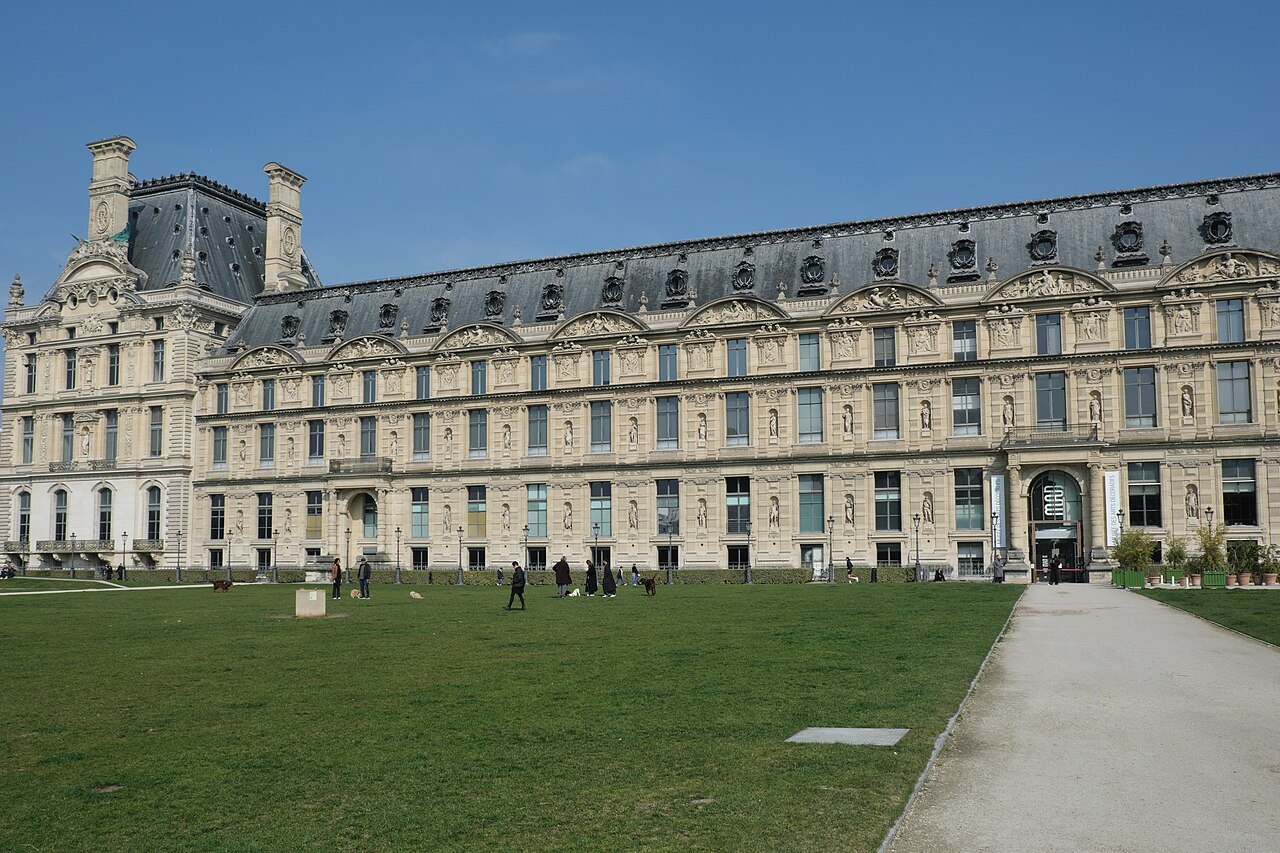
The Orangerie museum sits on a terrace at the garden's western edge, close to the square, and holds Claude Monet's large Water Lilies murals in two oval rooms built to his design. Outside on its terrace stand four sculptures by Rodin, including The Kiss, visible to anyone walking past even without a ticket. Visitors touring the obelisk often walk back through the garden to reach it afterward, since the two sights share the same corner of Paris.
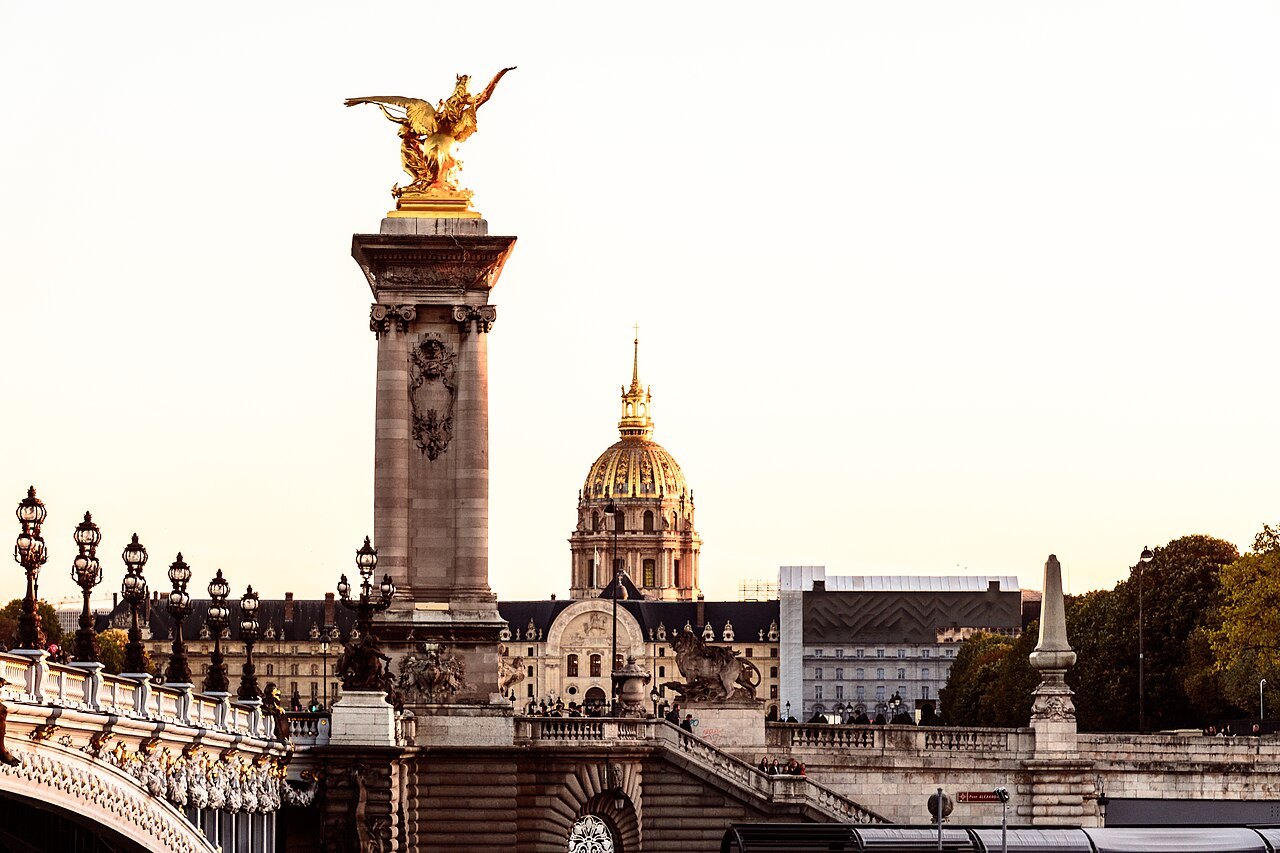
West along the river stand the Grand Palais and the Pont Alexandre III, both an easy walk from the obelisk's east side. The Grand Palais and its bridge make a natural next stop for visitors who have just finished circling the square, before continuing along the water toward the rest of central Paris.
Opposite the Orangerie, on the terrace by the Rue de Rivoli, the Jeu de Paume shows changing exhibitions of photography and contemporary art, a useful option for visitors who want an indoor stop within sight of the obelisk without going as far as the main museums farther along the river.
How to Visit
The Place de la Concorde is a vast traffic circle, and the obelisk sits at its center surrounded by moving vehicles, so the best views come from the edges rather than from close up. Visitors should use the pedestrian crossings on the square's east side, with the Tuileries garden gates at their back, for the clearest sightline down to the column and the fountains either side.
Crossing the square on foot takes patience, since traffic circles around it constantly; visitors should follow marked crossings rather than cut across the roadway. For guidance on navigating this part of the city by Métro, bus or on foot, check the transport authority's maps and service information before setting out.
The square itself has no entry requirement, since it is an open public space, and standing beside the obelisk requires no ticket of any kind. Visitors planning to combine the visit with the Orangerie or the Jeu de Paume should check that museum's own website for current entry arrangements, and see booking ahead for how timed tickets generally work at paid Paris sights.
Read next
More from the journal
- The Tuileries, the Orangerie and the Place de la ConcordeWhat happened to the Tuileries Palace?How Catherine de' Medici's palace became the Tuileries Garden, and what still stands where it burned in 1871.Read the piece →
- The LouvreHow do you see the Louvre in a single day?A practical one-day plan for choosing what to see at the world's largest museum.Read the piece →
- The LouvreWhy did the glass pyramid at the Louvre cause such a fight?How I. M. Pei's glass pyramid divided opinion at the Louvre, and what problem it actually solved.Read the piece →