ONE DAY AT THE LOUVRE
How do you see the Louvre in a single day?
A practical one-day plan for choosing what to see at the world's largest museum.
The answer in full
Read on
One museum, too much to see
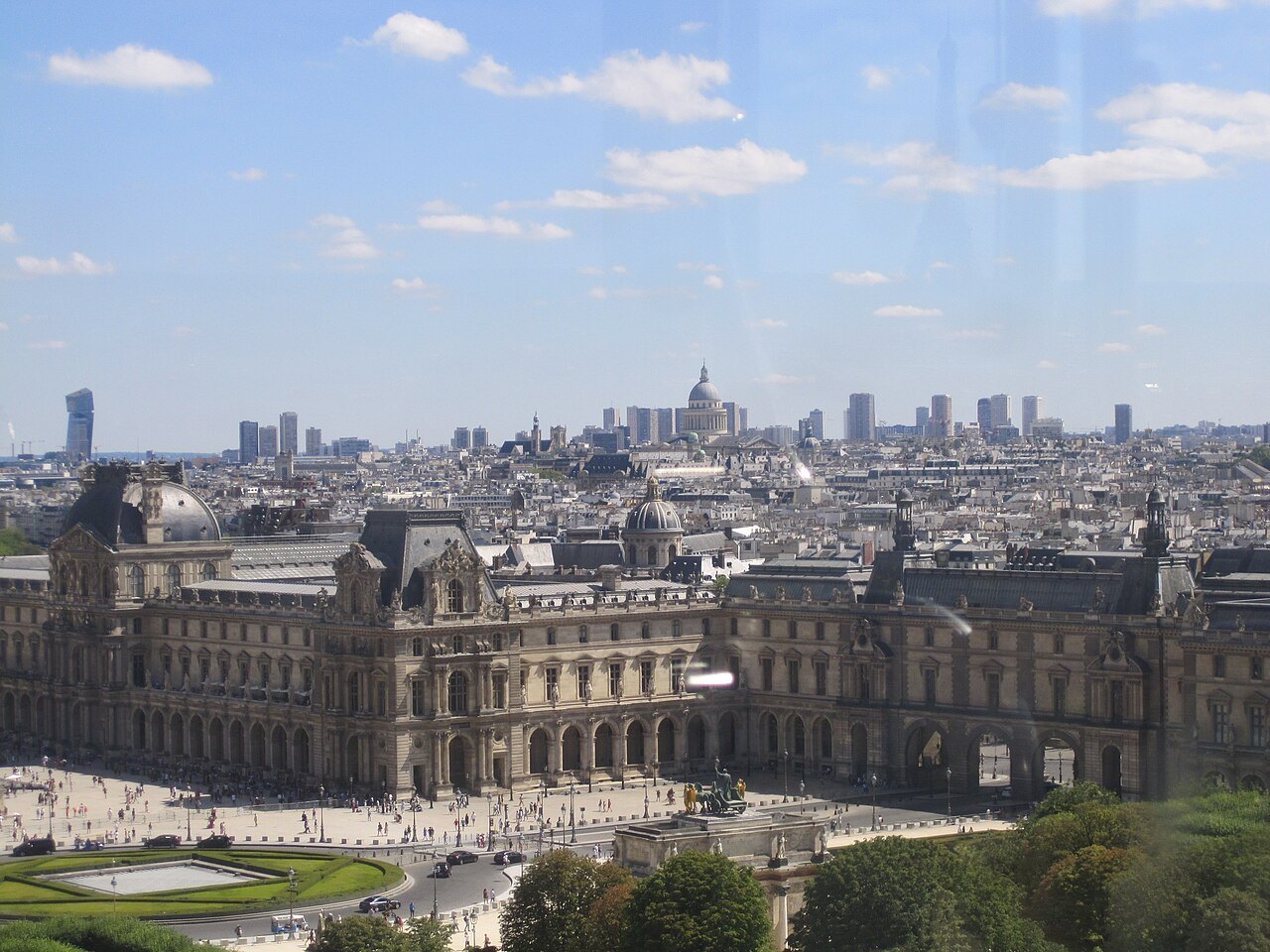
The Louvre is the national art museum of France and the largest museum in the world; in 2025 it received about nine million visitors, more than any other. It fills most of the Louvre Palace, on the Right Bank in the first arrondissement, a building that grew over six centuries from a riverside fortress into a palace whose wings stretch half a mile toward the Tuileries Garden. Inside are about thirty-five thousand works spread across eight departments, from ancient Egypt to European painting of the mid-nineteenth century.
No one sees the Louvre in a day, and trying to is the most common mistake visitors make. The better plan is to choose one wing, or three or four things to see, and leave the rest for another trip. The palace itself, with its courtyards and history, is worth as much time as any single painting inside it.
Two to three hours makes a satisfying first visit, enough to see one wing properly without the fatigue that empties meaning from a museum this size. Treat the Louvre as a trip to plan again, not a box to check once, and the day will feel generous rather than rushed.
Before you arrive
Booking a time slot is recommended for every visitor, even those who enter free, since tickets are sold at the door only when the museum is quiet. Buy only from the museum's own ticket site: fake sites selling Louvre tickets are common online. For help working out when and how to book, see booking ahead.
The main entrance is through the glass pyramid in the Cour Napoléon, which leads down to the Hall Napoléon and from there to all three wings. A second entrance runs underground from the Carrousel du Louvre shopping arcade, which connects directly to the Palais Royal–Musée du Louvre Métro station, a useful route in poor weather or if the courtyard is busy.
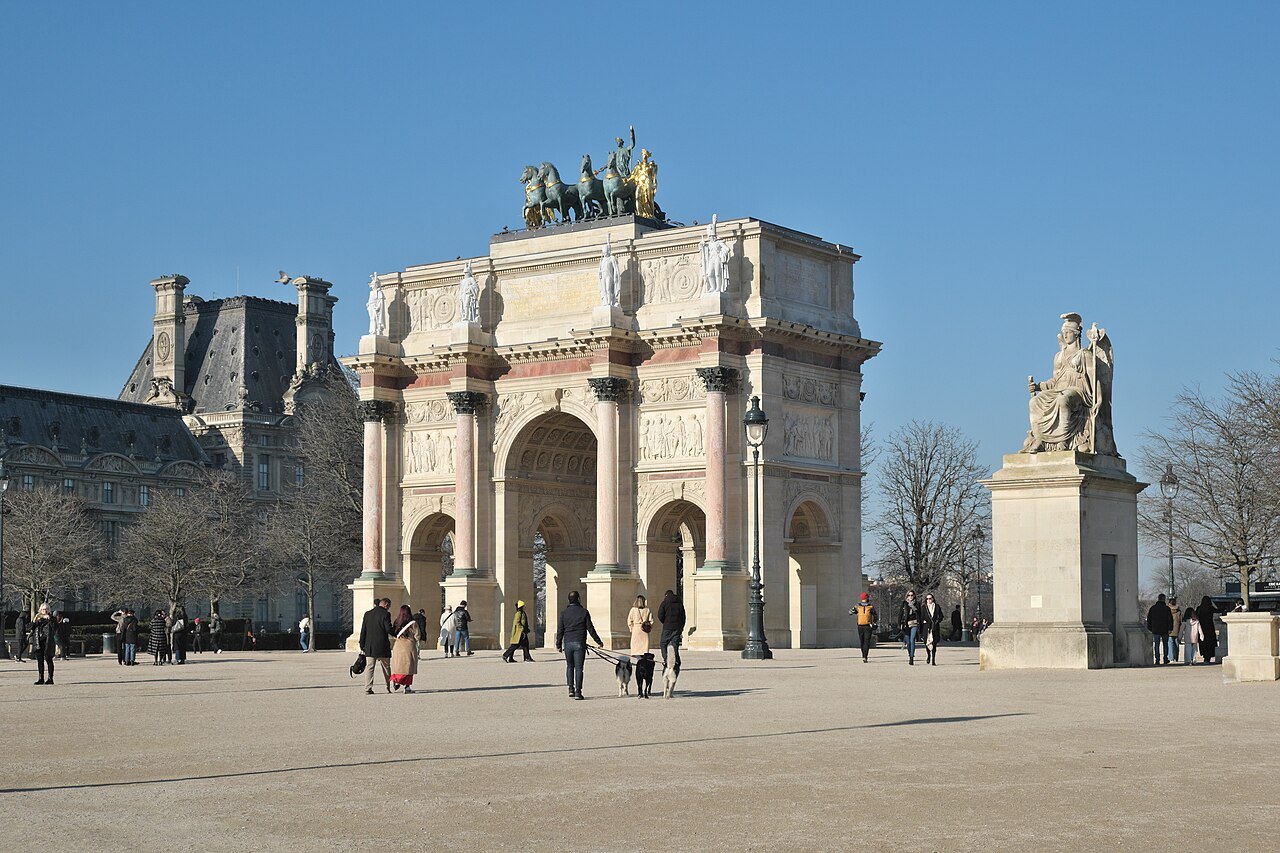
Before going in, walk the courtyards themselves. The Cour Napoléon holds the pyramid and its fountains; east of it, through the archway of the Pavillon de l'Horloge, lies the quieter Cour Carrée, the enclosed square of the Renaissance palace, with the long classical Colonnade facing the church of Saint-Germain-l'Auxerrois across the way.
Picking a wing
Sully, around the Cour Carrée, holds rooms on the history of the palace that lead down to the medieval Louvre: the dry moat and foundations of the fortress built under Philip Augustus in the twelfth century, uncovered during renovation work in the 1980s. It is the oldest part of the building, and one of the least crowded.
Denon, along the river, holds the Italian paintings, the large French canvases of the early nineteenth century, and the Mona Lisa, with the Winged Victory of Samothrace at the head of the Daru staircase and the Venus de Milo in the ground-floor Greek galleries. It is the busiest wing by far, and the one most visitors come for first.
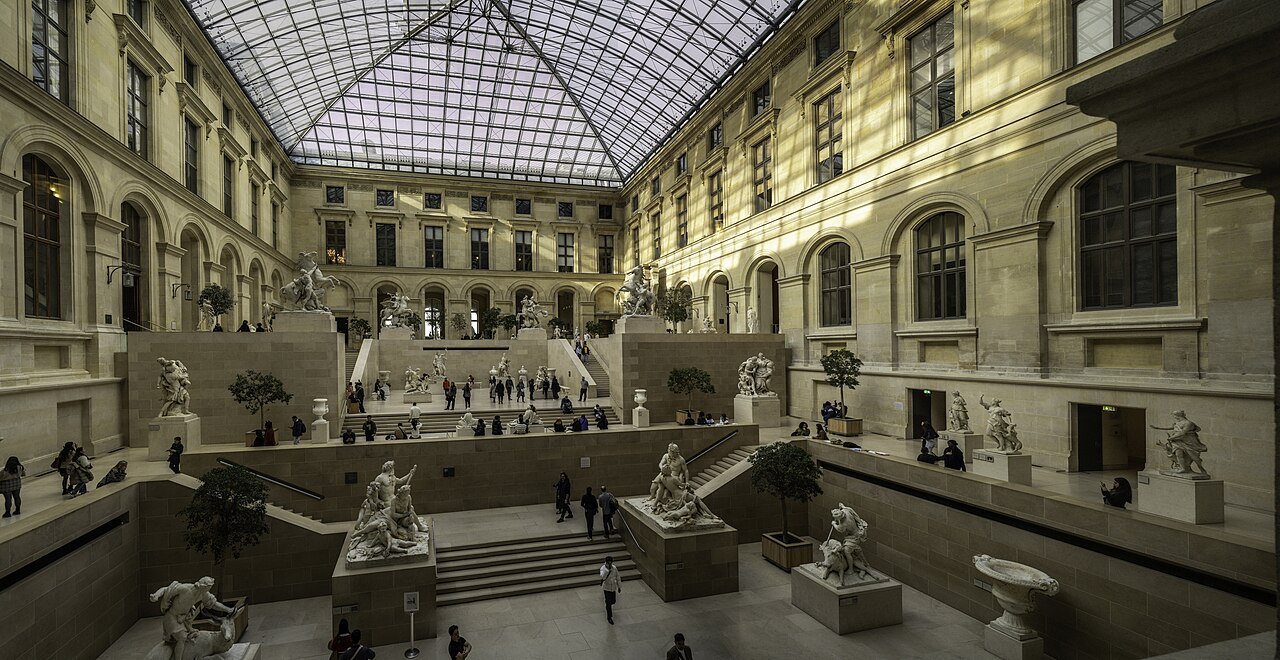
Richelieu, opened in 1993 in the former finance ministry, holds covered courtyards of French sculpture under glass roofs and the apartments of Napoleon III, preserved with their furniture and chandeliers. It draws a fraction of Denon's crowds and rewards an hour on its own, especially after the other two wings start to feel full.
What to put on a short list
Beyond the Mona Lisa, the Winged Victory of Samothrace and the Venus de Milo, a handful of works are worth crossing the building for. Delacroix's Liberty Leading the People hangs among the large French paintings in Denon; the Code of Hammurabi, a Babylonian law code carved into black stone, sits in the Near Eastern galleries of Richelieu.
The Seated Scribe, a painted Egyptian limestone figure with inlaid eyes, is in Sully. On the first floor of Denon, the Galerie d'Apollon is a long gilded hall with a painted ceiling, first opened to the public with an exhibition of drawings in 1797, and worth the walk even when the rooms nearby are full.
None of these need a whole day, and seeing five or six works well, with time to look, teaches more about the museum than an exhausted circuit of every gallery open that day. A short list, chosen before arriving, keeps the visit to a size that still leaves room for the galleries in between.
Working around the crowds
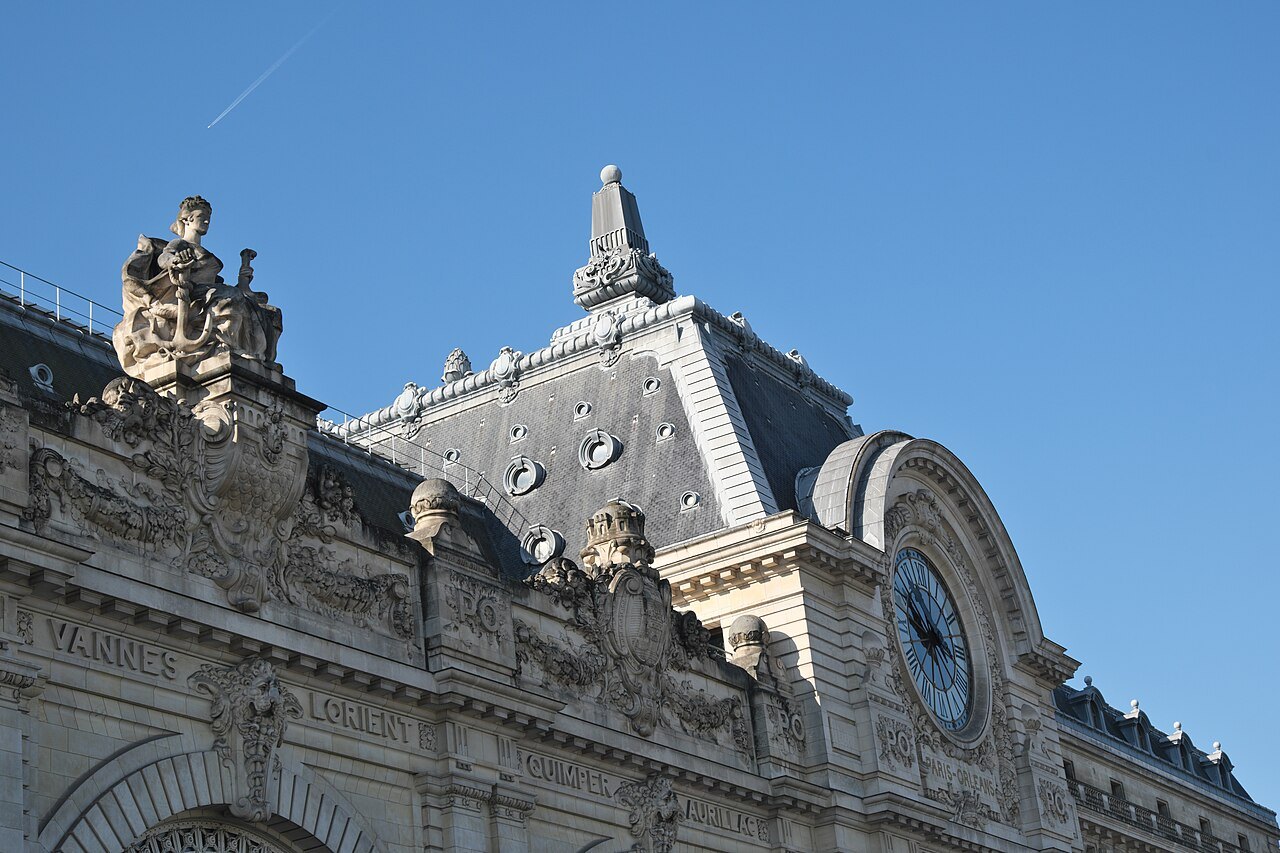
The galleries around the Mona Lisa, especially the Salle des États, are always the most crowded rooms in the museum. See the painting early in the day or late, and spend the time saved in the emptier rooms of Sully and Richelieu, where the same hour buys a far better view of everything else.
It is worth remembering that the Mona Lisa is not the museum's only reason to exist, though the crush around it can make it feel that way. It is a small painting behind glass across a crowded room, and many of the finest Italian paintings in the building hang a few steps away in the long Grande Galerie, where the crowd thins noticeably.
A day built around one or two busy rooms and several quiet ones, rather than a straight line through the most famous names, tends to leave visitors with more to remember, not less, and with a clear reason to come back for whichever wing was left unseen on this visit.
After the galleries
The pyramid itself, seventy-one feet high and built entirely of glass on a metal frame, is often said to have exactly six hundred sixty-six panes; the story dates to a brochure printed during construction in the 1980s. The museum's own count is six hundred seventy-three: six hundred three diamond-shaped panes and seventy triangles.
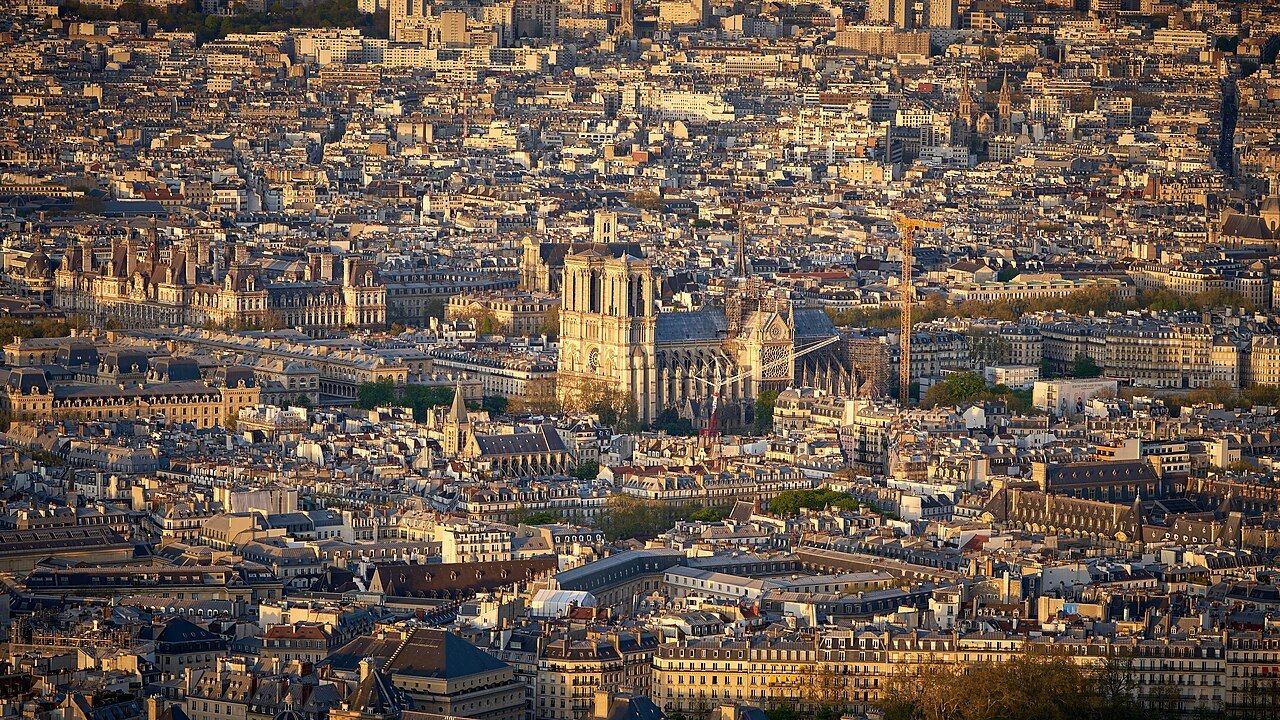
The pyramid divided opinion when it opened in 1989 and still does, but it solved a real problem: the museum once had several small street entrances, and the pyramid gave it one large hall from which every wing can be reached, a layout that still shapes how most visitors begin the day.
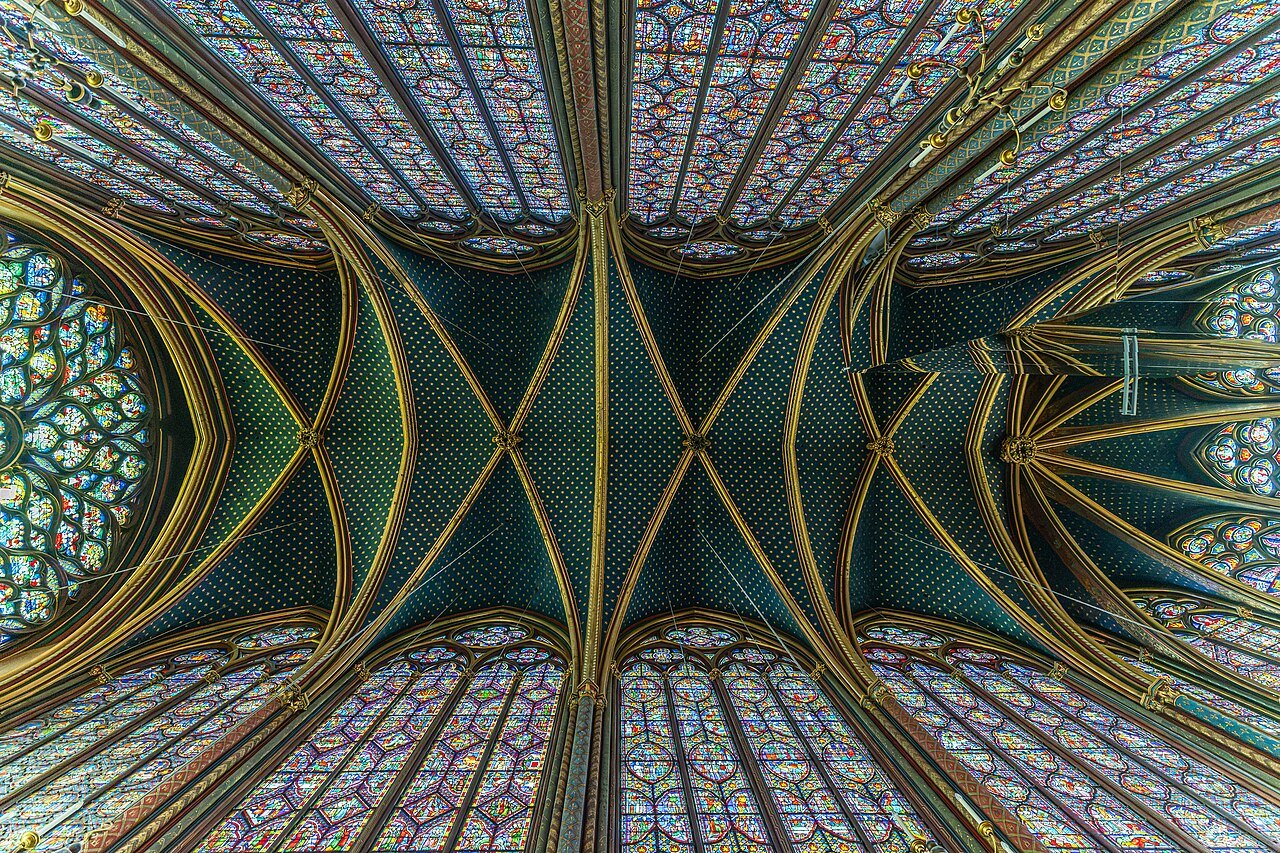
The Sainte-Chapelle is a short walk away, across the Pont Neuf, a natural next stop after a morning or afternoon in the galleries; see Sainte-Chapelle for what to expect inside. For a longer view of how a day at the Louvre sits inside a wider Paris itinerary, see itineraries for ideas on pacing the rest of the trip.
A little background helps
The first Louvre was a fortress, built in the late twelfth century under King Philip II, known as Philip Augustus, to guard the western approach to Paris. In 1546 Francis I began turning it into a royal residence, and for the next century and a half nearly every reign added to the palace, before Louis XIV moved his court to Versailles in 1682 and left the Louvre to the royal collections.
The Revolution turned the palace into a public museum, which opened on 10 August 1793 with five hundred thirty-seven paintings, most taken from the royal collection or the church. The last major change came in the 1980s, when President François Mitterrand's Grand Louvre plan moved the finance ministry out of the north wing and gave almost the whole palace to the museum.
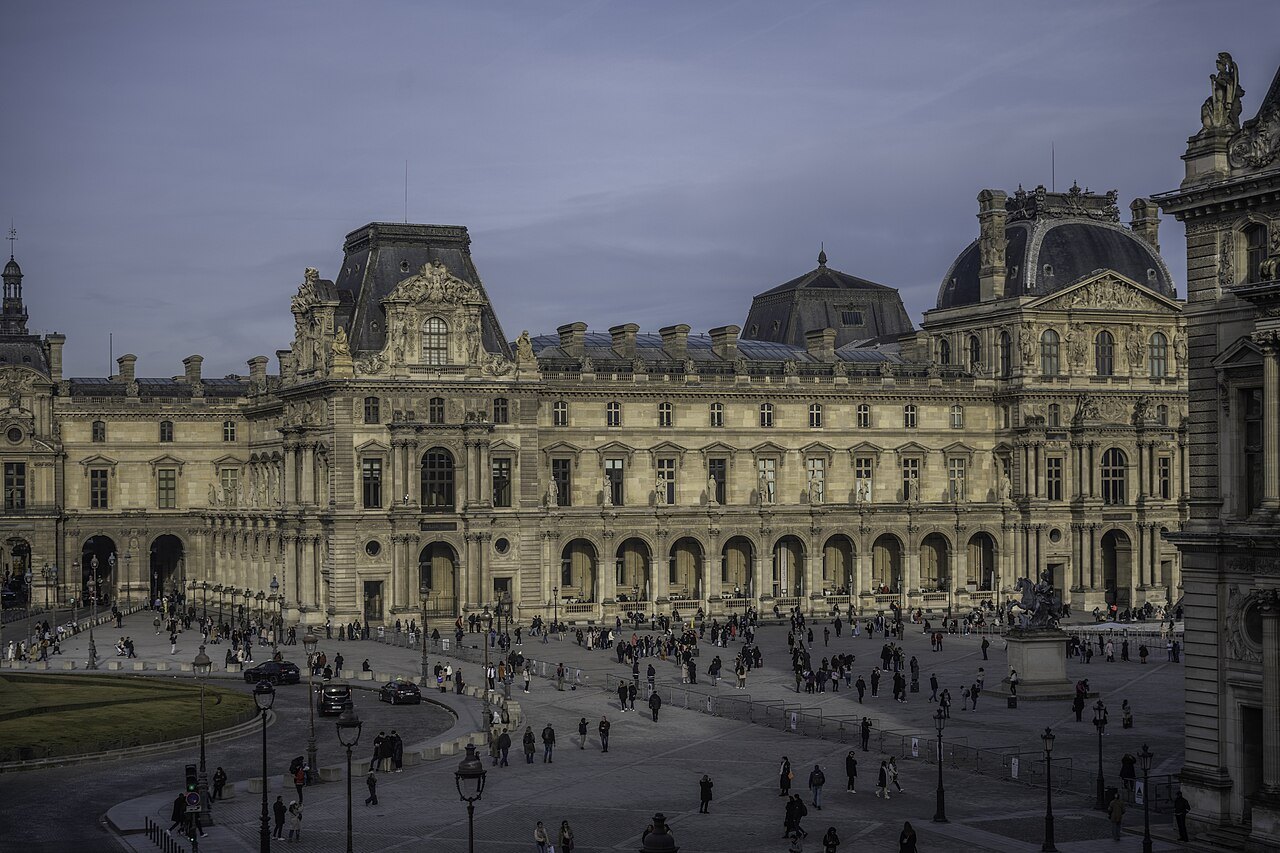
Its architect, I. M. Pei, put a new entrance underground and marked it with the glass pyramid in the Cour Napoléon; the underground hall opened on 30 March 1989. Knowing this history makes the palace itself, not only its contents, worth the time spent walking between its wings, courtyards, and galleries.
Read next
More from the journal
- The Sainte-Chapelle and the ConciergerieWhat story do the windows of the Sainte-Chapelle tell?How Louis IX's palace chapel turned the Bible, and his own holy relics, into a wall of thirteenth-century colored glass.Read the piece →
- Getting AroundHow does the Paris Métro work for visitors?Sixteen lines, 321 stations and one simple rule: follow the line's number and the name of the station at the end of it. How to read the signs, change lines, pay, and where the Métro is hard going with luggage or a wheelchair.Read the piece →
- The Musée d'OrsayHow did a railway station become the Musée d'Orsay?How a Belle Époque railway terminus on the Seine became the world's great home of Impressionist painting.Read the piece →