
FROM ROYAL PALACE TO REVOLUTIONARY PRISON
Who was held in the Conciergerie during the Revolution?
Marie Antoinette and thousands of others passed through the Conciergerie's halls before the guillotine.
The answer in full
Read on
A Palace Becomes a Prison
Before the Louvre became the royal residence, the kings of France lived in the Palais de la Cité, at the western tip of the Île de la Cité. Two parts of that palace survive today inside the Palais de Justice: the Sainte-Chapelle, the king's private chapel, and the Conciergerie, whose great medieval halls later became a prison. When the court eventually moved across the river, sections of the old palace were turned over to other uses, among them holding and trying prisoners.
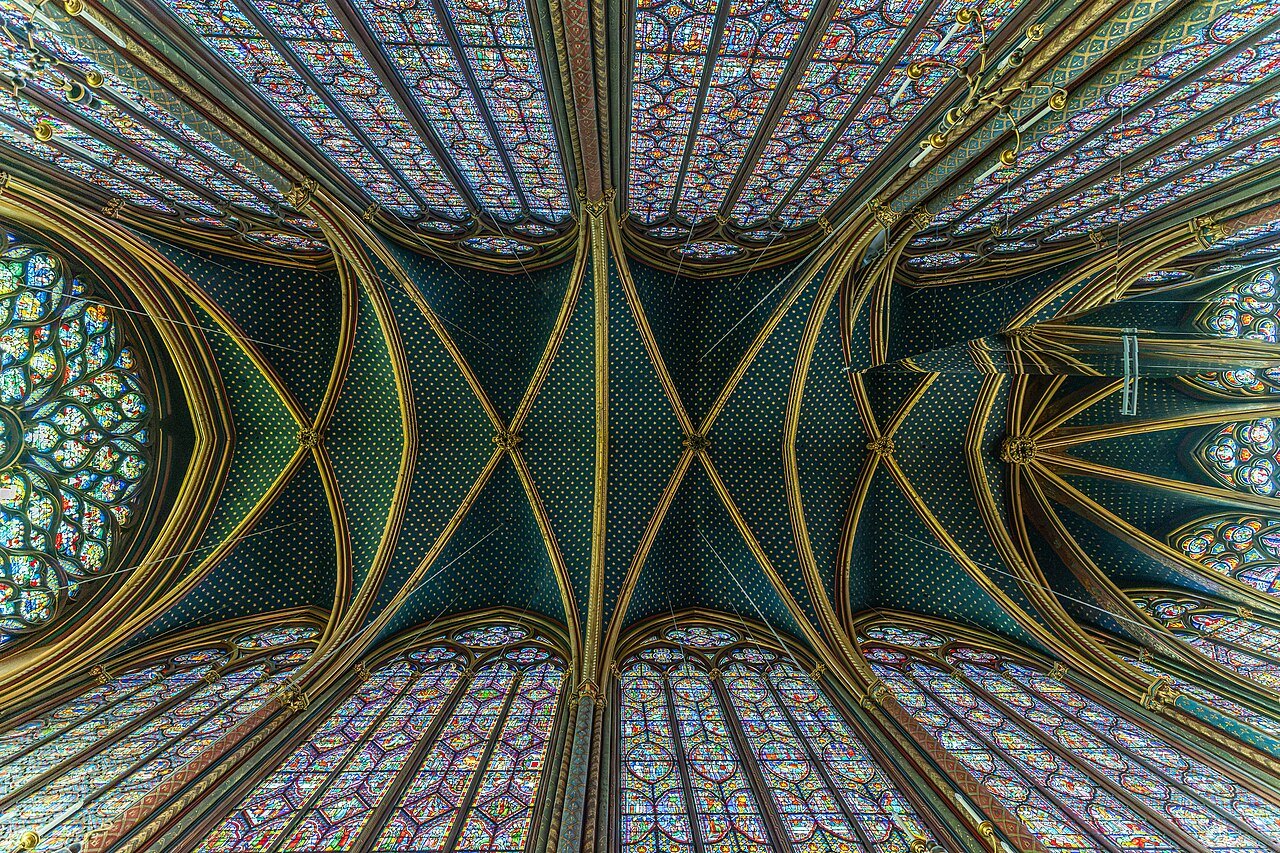
The halls themselves were not built as a prison. They date from early in the fourteenth century, built under King Philip IV to house and feed the hundreds, even thousands, of guards and servants who kept the palace running. Only later, once the kings had gone, did the building take on its second life as a place of confinement, courtrooms and cells carved into rooms designed for an entirely different purpose.
That second life reached its grimmest point during the Revolution, when the Conciergerie became the last address of prisoners condemned by the Revolutionary Tribunal, the place where they were held and tried before being taken out to the guillotine. It was the final stop on the journey, not the site of the execution itself.
Visitors sometimes assume the Conciergerie was built as a prison from the start, but its grand halls were designed for an entirely different, far less grim, purpose: housing and feeding the palace staff. Only the building's later history, once the court and its household had left for the Louvre, turned those same halls into cells and courtrooms, a shift in purpose that the stonework itself does not advertise.
Marie Antoinette's Cell
Of the two thousand seven hundred eighty-one prisoners recorded as held, tried and sentenced here during the Revolution, Marie Antoinette is the name every visitor already knows. She was brought to the Conciergerie, held through her trial, and taken from here to the guillotine, the most famous of the thousands who passed through the building in those years.
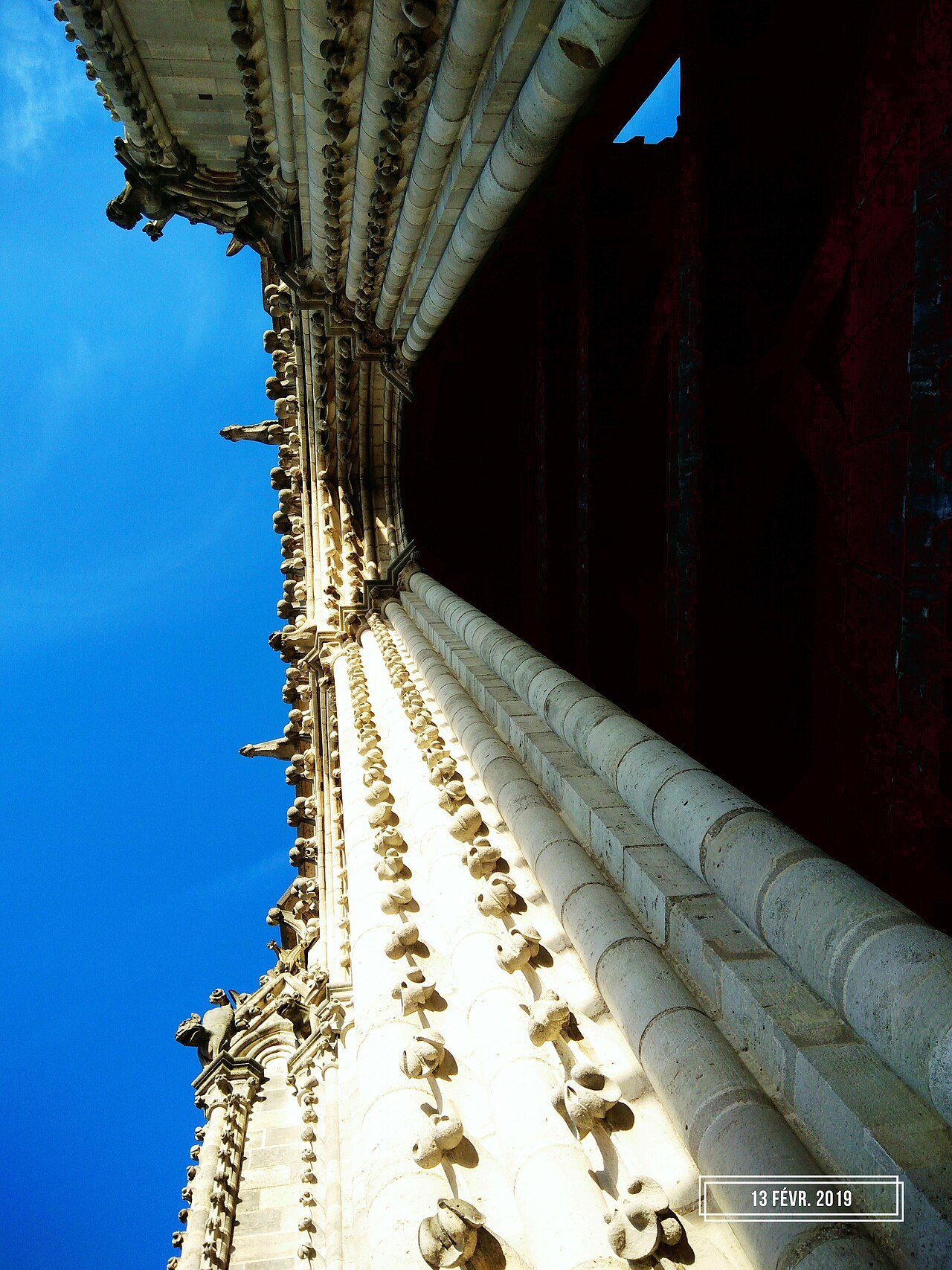
A small memorial chapel stands on the site of her cell. It was commissioned in 1815 by Louis XVIII, once the monarchy had been restored, as a gesture of remembrance rather than a preserved original room. Visitors should treat it as a marker of place and memory, not as the queen's actual surroundings, which did not survive unaltered.
For the fuller details of her trial, the weeks she spent here, and the sequence of events that led to her execution, visitors should check the Conciergerie's own historical displays on site, or the material published by the national monuments agency, which runs both the Conciergerie and the Sainte-Chapelle together.
The Hall of Names
Marie Antoinette's is only the name most visitors arrive already knowing. Inside the Conciergerie, a hall of names lists more than four thousand people condemned by the Revolutionary Tribunal, a long wall of records that gives a better sense of the scale of the Terror than any single story can.
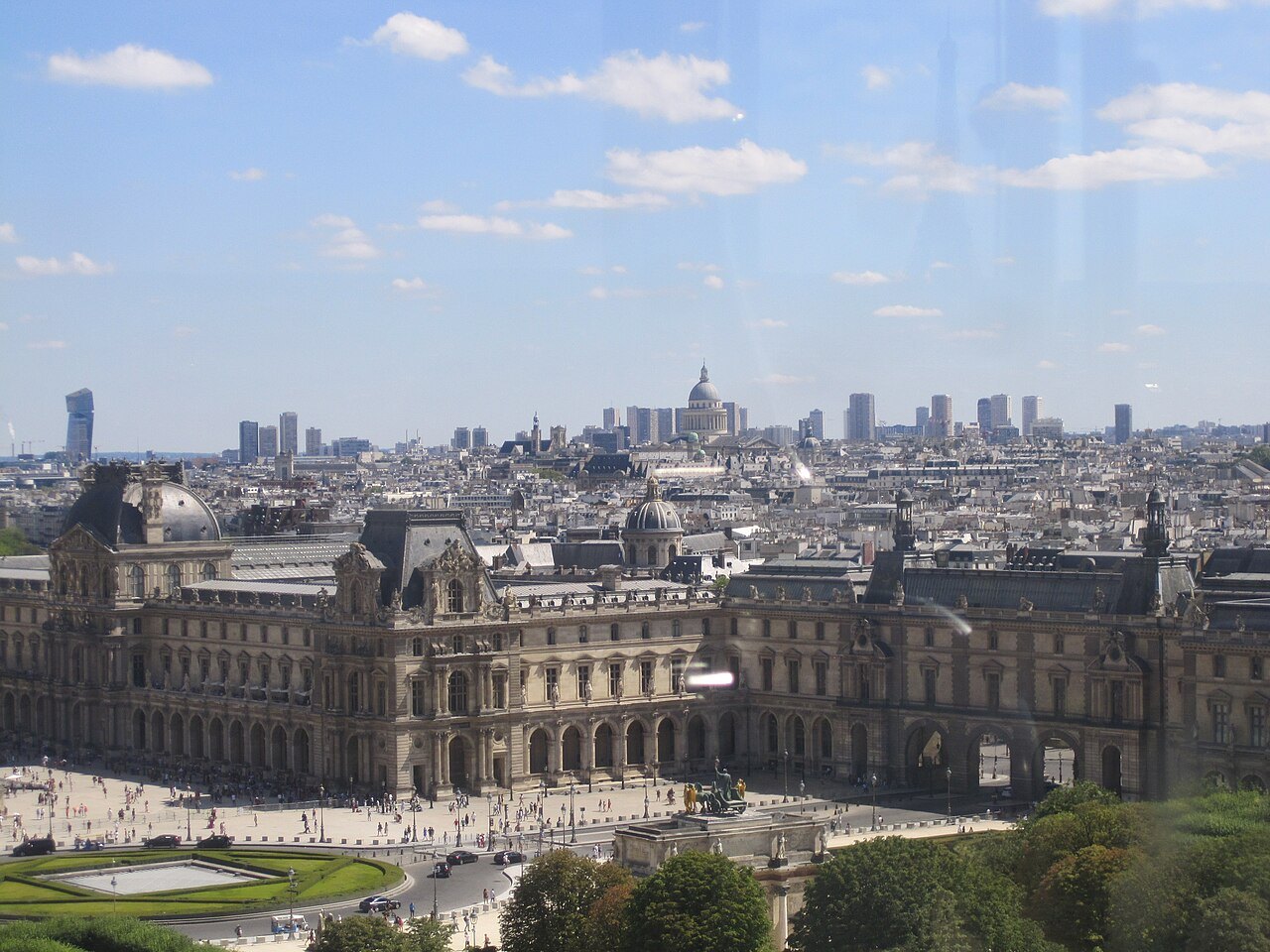
The displays on site do not single out who each of these four thousand names belonged to beyond the number itself and the queen among them. For details of particular individuals, the charges they faced, or how the tribunal's records survive, the on-site panels and the monuments agency's own material are the places to check.
What the hall makes clear, without needing any further explanation, is the sheer number of people the Conciergerie processed in a short and violent period, far beyond the handful of names, Marie Antoinette's among them, that have become well known in the centuries since the Revolution ended, a scale easy to forget until you stand in front of the wall itself.
The Hall of the Men-at-Arms
Before any of this, the building's largest room had a far more ordinary purpose. The Hall of the Men-at-Arms is a forest of columns in four aisles, about two hundred feet long, and one of the largest surviving secular Gothic halls in Europe. It was built to feed and house the palace's guards and servants, a staff that numbered between one and two thousand people.
Walking through it gives a sense of the scale of the medieval palace before any of it became a courtroom or a cell, and it is worth pairing with the Sainte-Chapelle a short walk away, since both halls were part of the same royal complex built for Louis IX and his successors.
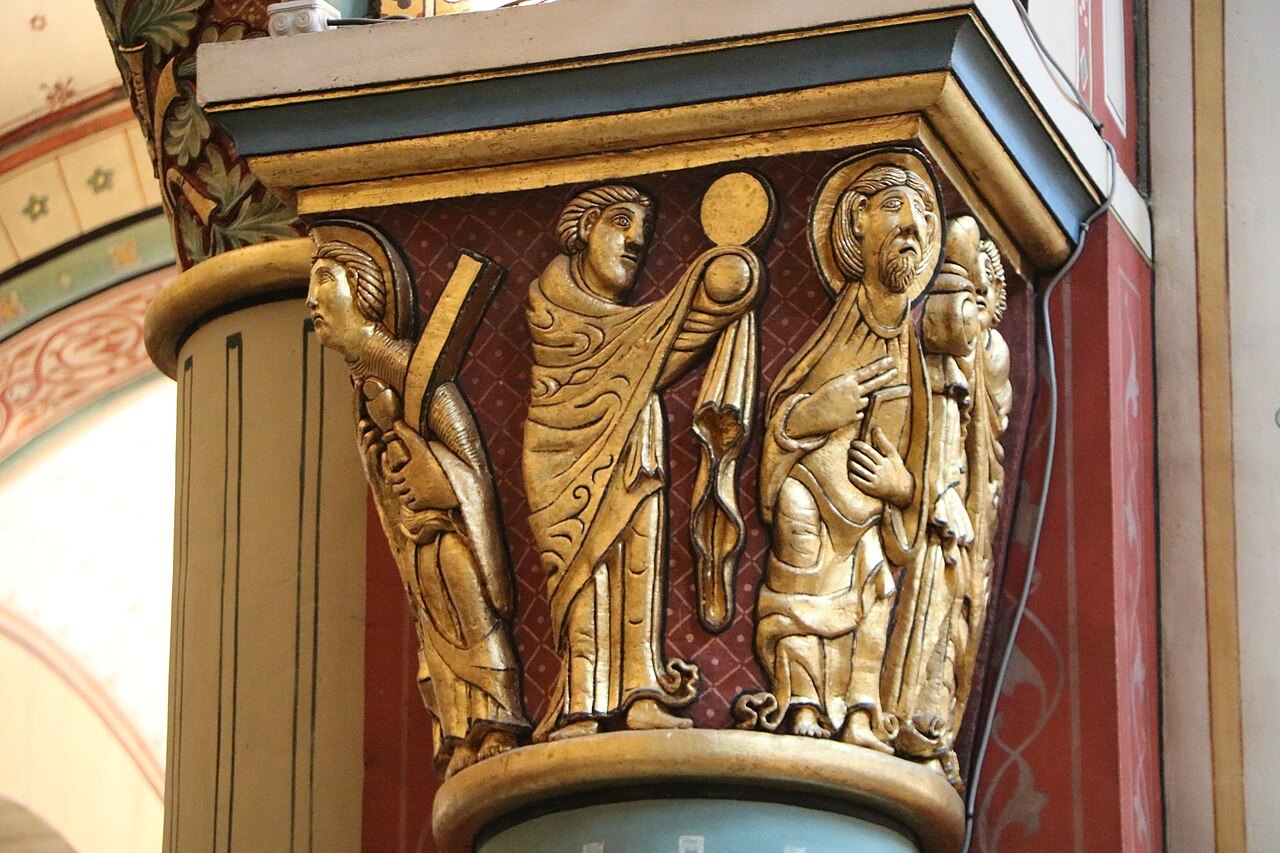
The contrast between this hall's original purpose, feeding and sheltering ordinary staff, and its later use as part of a Revolutionary prison, is one of the more striking things about visiting the Conciergerie: the same stones served the court, the guards and then condemned prisoners in turn, long before the public could walk through either room.
Seeing the Conciergerie with the Sainte-Chapelle
The Conciergerie and the Sainte-Chapelle sit inside the same complex, around the corner from each other on the Île de la Cité, and are run together by the national monuments agency. A combined visit of both takes about two hours, time enough to see the chapel's stained glass upstairs and the Conciergerie's halls and cells below.
The site is a few minutes' walk from Notre-Dame, and the Pont Neuf marks the western tip of the island, both useful landmarks for visitors trying to find the entrance among the streets and bridges that surround the Palais de Justice complex, which can otherwise be confusing on a first visit.

For visitors building a day around the Île de la Cité, pairing the Conciergerie and Sainte-Chapelle with a walk along the Seine makes sense of the island's long history, from royal residence to revolutionary prison to the courts that still occupy part of the complex today, just steps from where the kings once lived.
Planning the Visit
Because the Sainte-Chapelle and Conciergerie sit inside the working Palais de Justice, entry is through a security check at the gate, and the checks are strict and slow. Large bags, suitcases and scooters are not allowed, and knives, scissors and glass bottles are confiscated, so visitors should leave them at the hotel rather than try to bring them.
Both monuments strongly recommend booking a ticket for a time slot in advance, since visitors without one may face a very long wait at busy times or not get in at all. This applies to the Conciergerie as much as to the chapel upstairs, and the two are sold and timed together.
For getting to the Île de la Cité itself, visitors should check how to get around by Métro or on foot, since the island sits at the center of the city, within walking distance of several other major sights on both banks of the river, making it an easy stop to combine with a longer day of sightseeing.
Travelers combining the Conciergerie with other stops on the island, or planning a longer day across the city, can find a wider overview of major monuments and how to sequence a visit among them in the site's general planning pages, which cover ticketing, timing and transport for destinations across Paris, including the Île de la Cité.
Read next
More from the journal
- The Sainte-Chapelle and the ConciergerieWhat story do the windows of the Sainte-Chapelle tell?How Louis IX's palace chapel turned the Bible, and his own holy relics, into a wall of thirteenth-century colored glass.Read the piece →
- Notre-Dame de ParisWhat is the point zero in front of Notre-Dame?The bronze marker set into the parvis of Notre-Dame, and why French road distances are traditionally measured from this spot.Read the piece →
- Getting AroundHow does the Paris Métro work for visitors?Sixteen lines, 321 stations and one simple rule: follow the line's number and the name of the station at the end of it. How to read the signs, change lines, pay, and where the Métro is hard going with luggage or a wheelchair.Read the piece →