ARTISTS OF THE MONTMARTRE HILL
Which painters lived in Montmartre, and where?
A guide to where Renoir, Picasso, and other painters lived and worked on the Montmartre hill.
The answer in full
Read on
Why painters settled on the hill
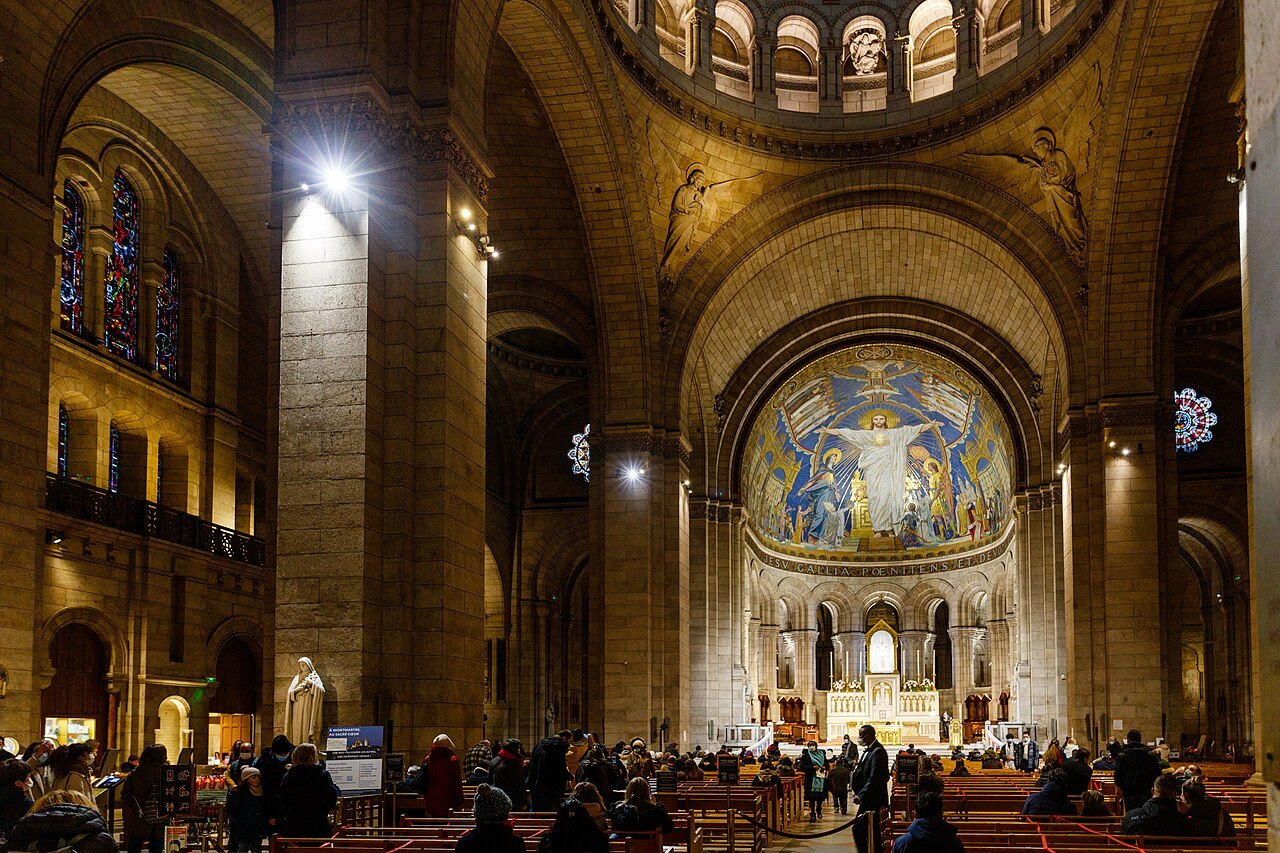
At the end of the nineteenth century, Montmartre stood apart from the rest of Paris, a hill of vineyards, windmills, and low rents just beyond the old city gates. Painters who could not afford studios near the center found cheap rooms here, drawn by the open light over the slopes and by a village atmosphere that the newer boulevards downtown had already lost. The hill became a working quarter for artists rather than a fashionable address.
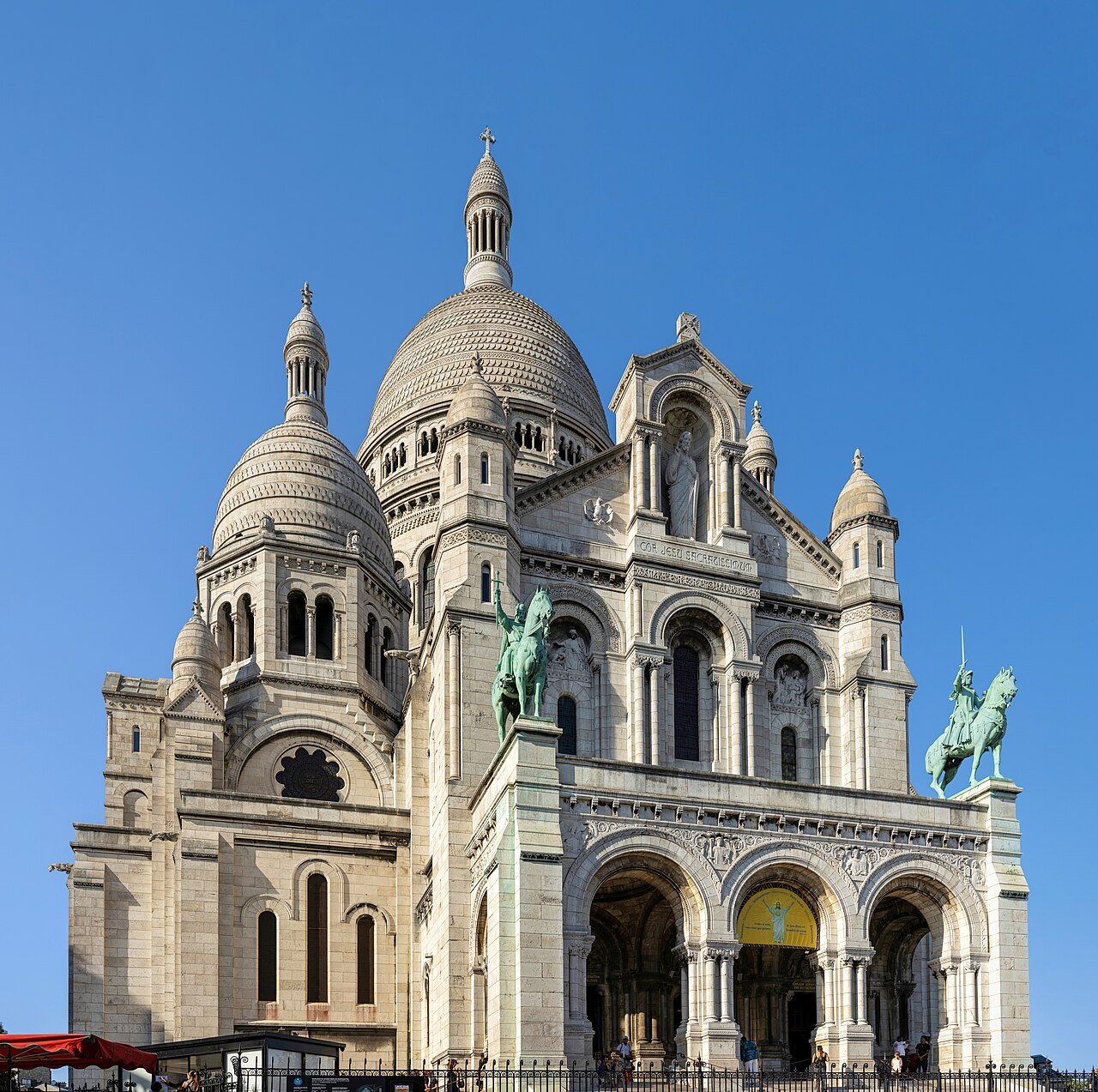
The basilica's own history recalls that Montmartre was once a village of vineyards and windmills outside the city, and that character lingered even as building spread around it. Painters found a place where rents remained low, studios could be improvised in former outbuildings, and the steep, narrow streets kept property values beneath those of the grand new avenues being cut through central Paris at the same time.
The result was a loose community of artists rather than a formal art district: men and women who worked in rented rooms, exhibited informally, and used the hill's cafés as meeting points. Their legacy survives today less in any single building than in the names attached to specific addresses, several of which remain open to visitors who want to see where the painters actually worked.
The Place du Tertre
The Place du Tertre lies just behind the basilica, on the site of the old town hall of the former commune of Montmartre, before the hill was absorbed into the city of Paris. Today it is a square of café tables ringed by close-set houses, and painters still set up their easels here daily, a living continuation of the square's long association with working artists.
Visitors can watch painters at work, browse finished canvases, or commission a portrait or sketch, much as earlier generations of artists worked here among the same cafés. The square remains central to Montmartre's identity as a painters' quarter, and like the steps leading up to the basilica itself, it tends to be busiest on fine days.
Just beside the square stands Saint-Pierre de Montmartre, a church dating from 1147 and once part of the abbey of Montmartre, far older than the basilica above it. It is a reminder that painters were drawn to a hill with centuries of history already layered onto it, long before the Sacred Heart was ever built.
Renoir on the Rue Cortot
Renoir was among the painters who found cheap space on the hill, renting rooms in a house on the Rue Cortot. It was in Montmartre, among its gardens and open-air dance halls, that he painted the crowded outdoor scene of the Bal du moulin de la Galette, one of the best-known images of the hill's popular entertainments at the time.
That house on the Rue Cortot now holds the Musée de Montmartre, which tells the story of the hill's artistic community through the rooms and garden Renoir once used. It is one of the few sites connected to the painters of Montmartre that visitors can actually enter and walk through today.
The museum sits a short walk from the Place du Tertre, within the same tangle of lanes that drew Renoir and his contemporaries to the hill. Visitors interested in the painters' Montmartre can combine a stop at the museum with a walk past the other addresses associated with the hill's artistic years.
Picasso and the Bateau-Lavoir
A generation after Renoir, Pablo Picasso worked in a ramshackle studio building on the hill known as the Bateau-Lavoir, so named because its wooden structure was thought to resemble a laundry boat moored on the Seine. It was here, among a community of poor and largely unknown artists, that Picasso painted Les Demoiselles d'Avignon, one of the paintings that opened the way to Cubism.
The Bateau-Lavoir stood apart from the more public Place du Tertre, tucked into back streets where rents were lowest and studios were least comfortable. Its association with Picasso and the circle of painters and writers who gathered there is part of why Montmartre's reputation as an artists' quarter outlasted the painters themselves by decades.
Together, Renoir's house on the Rue Cortot and Picasso's studio building mark two very different moments in Montmartre's painting history, separated by a generation but linked by the same cheap rooms, steep streets, and open light that drew artists to the hill in the first place, and that still shapes a walk through the quarter today.
The rest of the artists' village
Beyond the two painters' addresses, other traces of old Montmartre remain within walking distance of the basilica. On the Rue Saint-Vincent, a small vineyard still produces wine, a surviving fragment of the hill's earlier life as farmland and gardens, long before artists or tourists arrived on the hill in numbers.
At the foot of the hill, on the Boulevard de Clichy, stands the Moulin Rouge, the cabaret whose name recalls the windmills that once studded the slopes above it. It marks the boundary between the steep, village-like streets around the basilica and the busier avenues of the city below.
None of these sites require advance planning in the way some Paris museums do, but visitors who want to see a specific address, such as the Musée de Montmartre, should check its own website for current visiting arrangements before making the climb, since hours and access can change from one season to another.
Visiting the painters' Montmartre today
The usual approach is from the Anvers Métro station, walking up to the foot of the hill and then either climbing the two hundred and twenty-two steps of the Rue Foyatier or taking the funicular that runs beside them from the Place Saint-Pierre. Both routes lead toward the basilica and the painters' quarter immediately behind it.
Arriving early in the day gives quieter streets around the Place du Tertre and clearer light for photographs, much as the light once drew painters to the hill. The steps and the square both grow busy on fine afternoons, so visitors who prefer fewer crowds should plan their visit accordingly.
As in any crowded tourist area, visitors should keep bags closed and valuables secure while moving through the steps and the square. For wider planning, see neighborhoods for Montmartre's place among the city's districts and itineraries for a day that combines it with other sights.
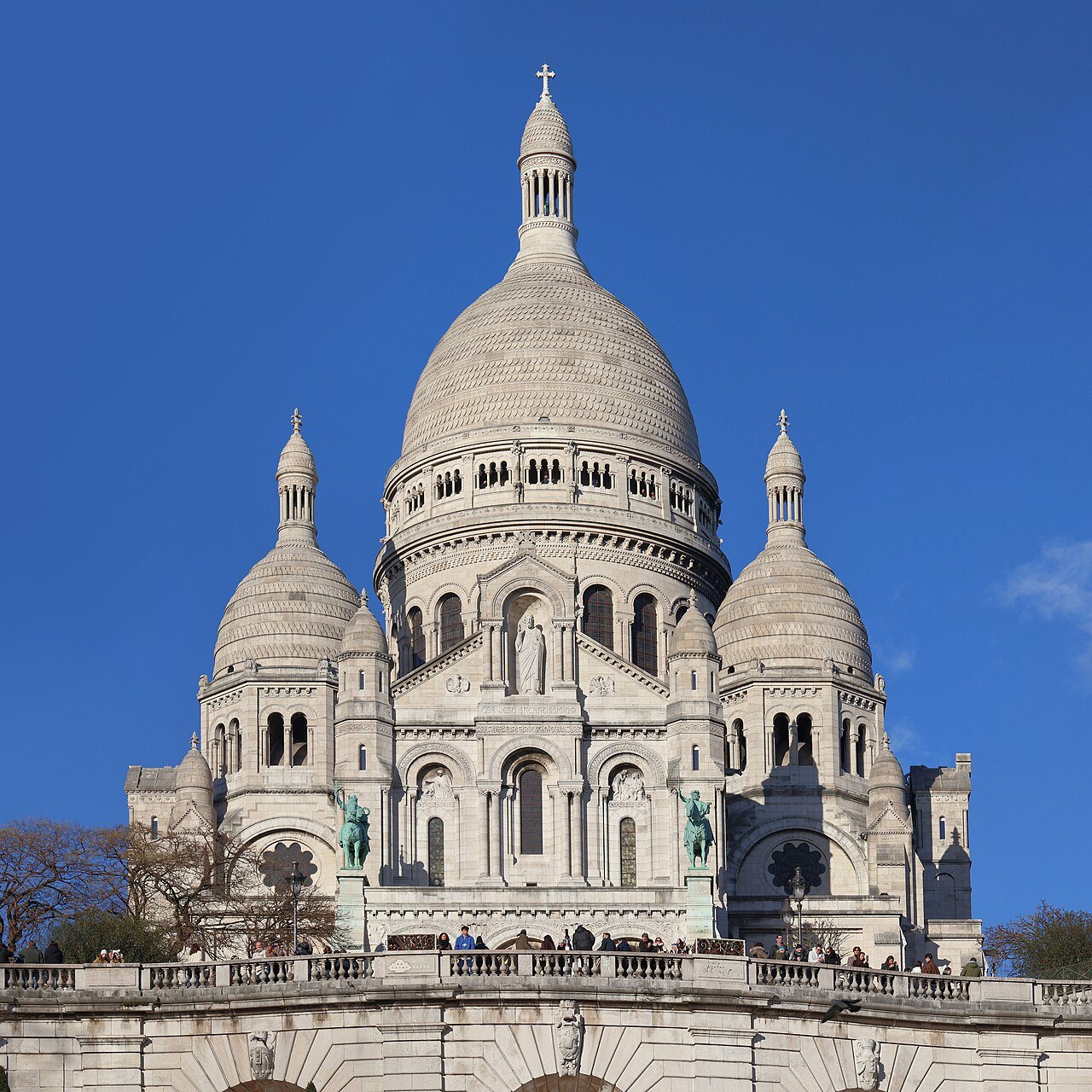
Those arriving by Métro or other public transport can check current routes and any service changes with the regional transport authority before setting out. The basilica itself stands only a short walk from the sites associated with Montmartre's painters, making it easy to combine the two in a single visit.
Read next
More from the journal
- Sacré-Cœur and MontmartreWhy is Sacré-Cœur so white?The chemistry behind Sacré-Cœur's bright white stone, and the history and controversy that built the basilica.Read the piece →
- The Musée d'OrsayHow did a railway station become the Musée d'Orsay?How a Belle Époque railway terminus on the Seine became the world's great home of Impressionist painting.Read the piece →
- Les InvalidesHow did Napoleon's body come back to Paris?The story of how Napoleon's remains traveled from Saint Helena to the tomb beneath the Dôme des Invalides.Read the piece →